Hera finds a stadium-sized crater on Dimorphos, and the asteroid is tumbling
ESA's Hera has shown that NASA's DART impact left a crater about the size of a sports stadium on Dimorphos and set the 151-meter asteroid tumbling in its orbit.
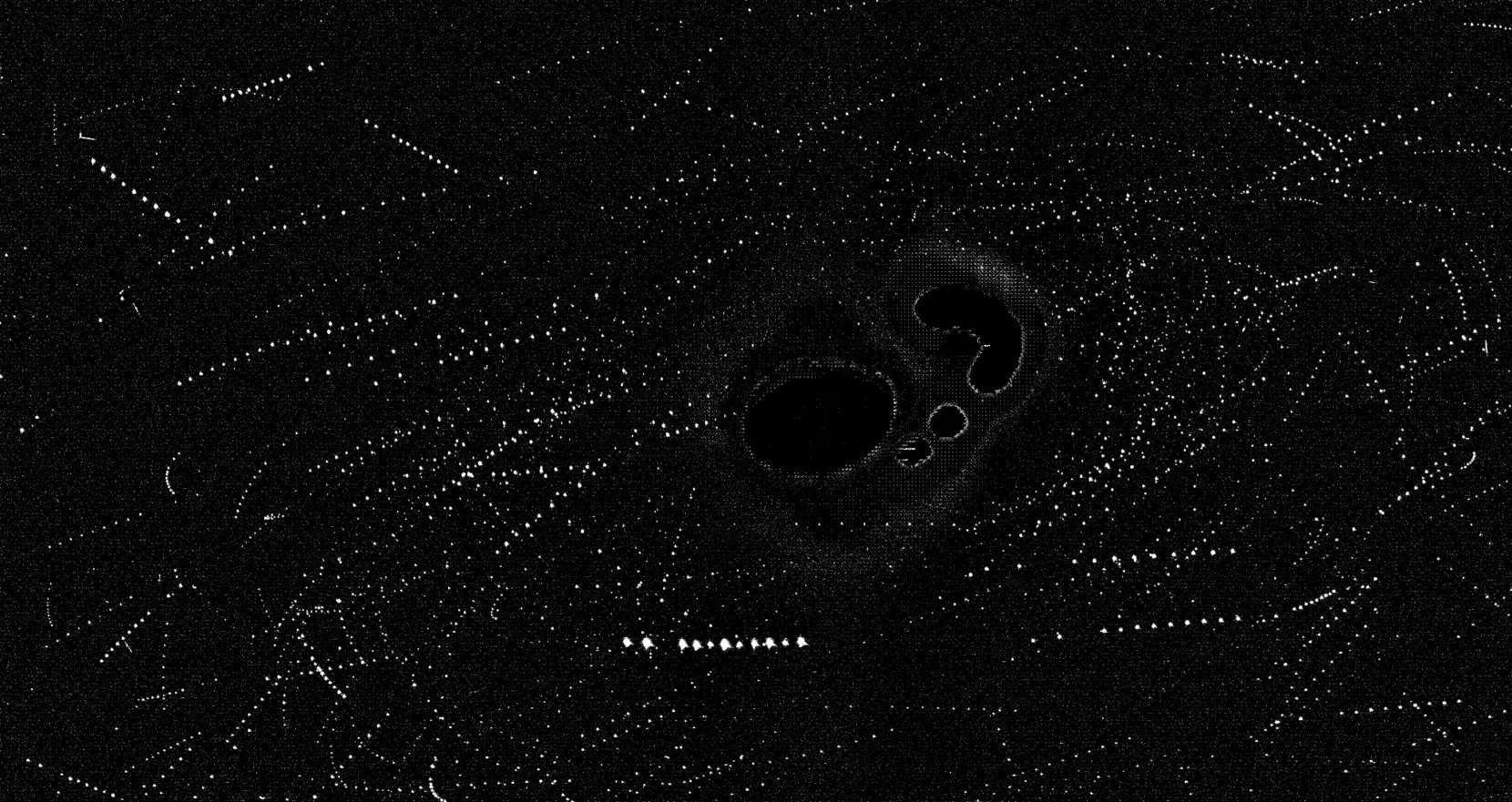
ESA’s Hera spacecraft has sent back the first close images of Dimorphos, the small asteroid NASA’s DART probe struck in 2022. ESA said one face is now flattened by a stadium-sized crater and the moonlet is tumbling.
One face flattened, the rest unchanged
Dimorphos is a 151-meter moonlet that circles the larger 730-meter asteroid Didymos. Together they form a pair that orbits the Sun, and ESA put them 193.5 million km from Earth at the time of writing. DART hit Dimorphos on 26 September 2022 as the first test of deflecting an asteroid, and the moonlet’s orbit around Didymos became 33 minutes shorter, more than had been predicted.
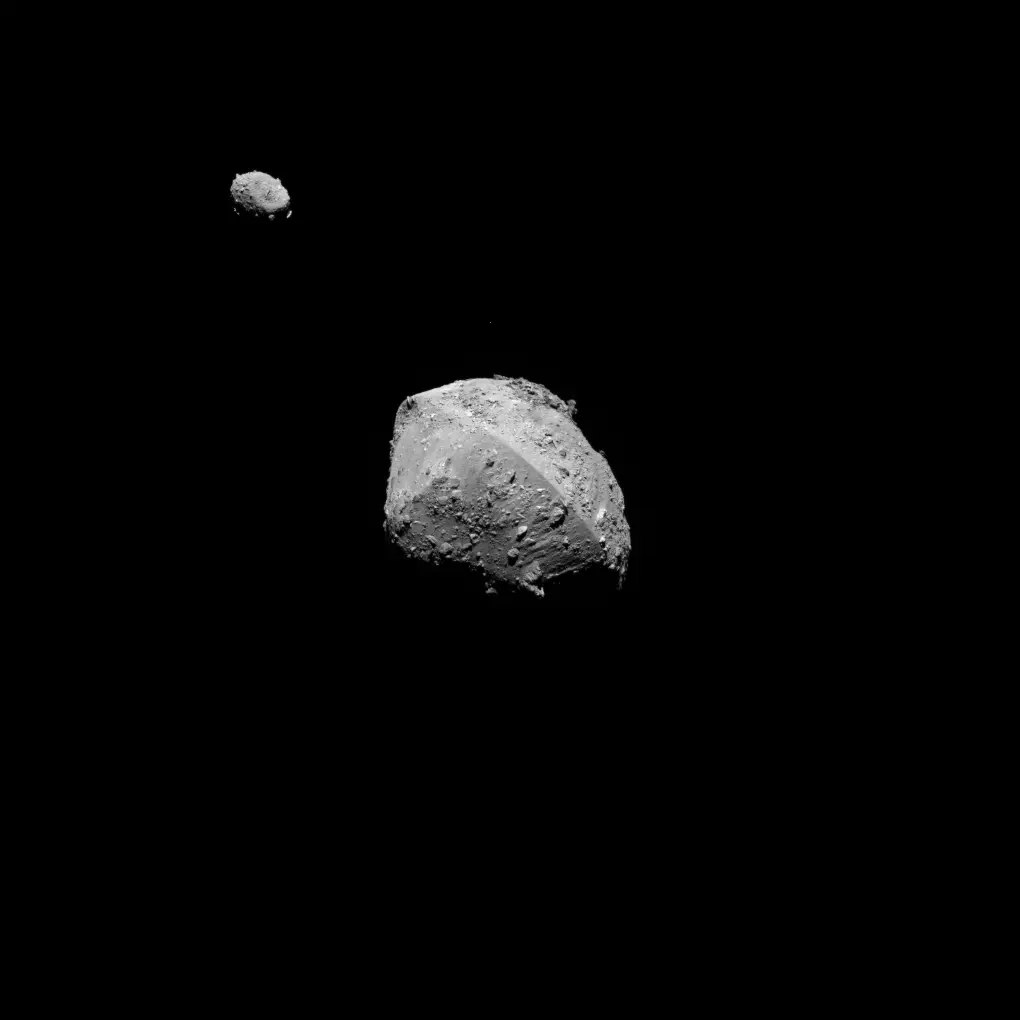
Hera’s pictures now show what that hit did to the surface. The side DART struck has been flattened into a crater across the width of the asteroid. Patrick Michel, Hera’s principal investigator, said scientists had argued over whether Dimorphos would show a crater, a changed shape or no change at all. “Much to our surprise the answer turns out to be all three at once!” he said. ESA says the rest of the moonlet looks as it did in DART’s own 2022 images, with its boulder fields intact.
Hera mission scientist Michael Kueppers said that as more images arrived it became clear “the DART impact has left Dimorphos tumbling wildly in its orbit”. A tumbling body rotates unevenly instead of turning steadily around one axis, which tells researchers how much the impact disturbed it.
Hundreds of boulders to steer around
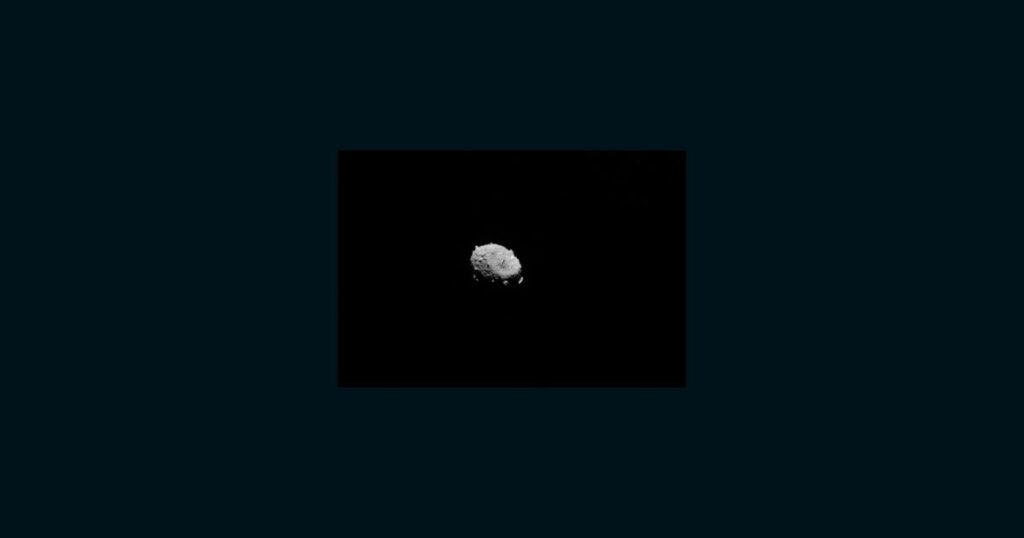
The pair is also surrounded by hundreds of previously unknown boulders, each a few meters across. Kueppers said the team must account for them before Hera moves closer for sharper imaging. Three instruments did this early work: a monochrome Asteroid Framing Camera, the Hyperscout H camera that records 25 colors at once, and JAXA’s Thermal Infrared Imager.
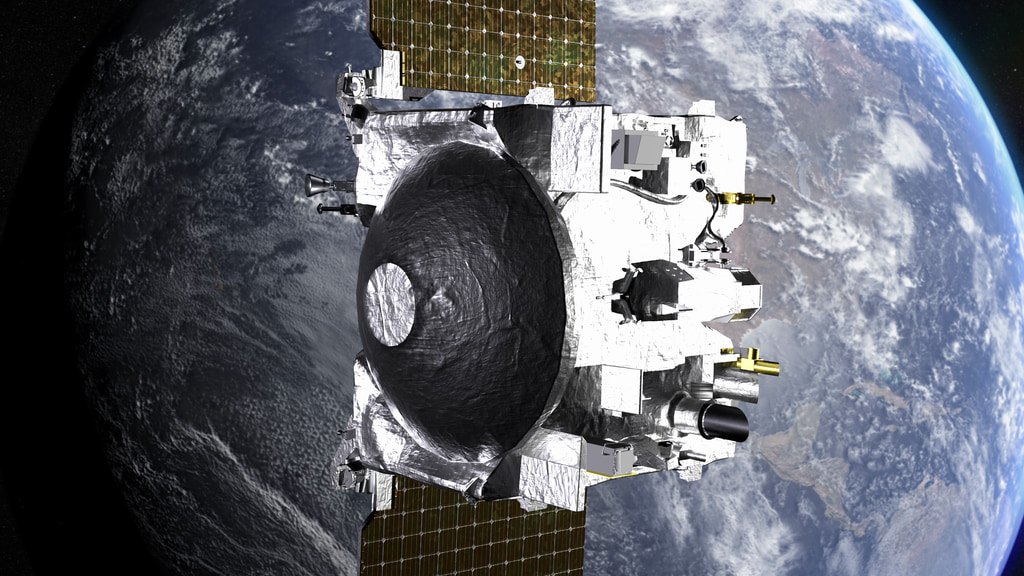
Hera is about the size of a small car. It now flies roughly 25-30 km from the two asteroids, holding rectangular orbits at an average speed of 12 cm/s with its thrusters. In December it is due to approach to about 13 km. In January 2027 it will release two shoebox-sized CubeSats, small satellites that will go closer still. Juventas, led from Luxembourg, will probe an asteroid’s interior with low-frequency radar for the first time and will eventually attempt a landing. Milani, led from Italy, will study asteroid material and dust.
A European follow-up to an American experiment
Hera shows how planetary defense has become a shared project. NASA ran the impact, and ESA now does the detailed survey of the aftermath. ESA Director-General Josef Aschbacher credited NASA for showing an asteroid can be deflected and said partners including JAXA contribute to the investigation. Hera and its CubeSats were built by a consortium of 18 ESA states led by OHB in Germany.
The mission also took a long road to get here. In ESA’s preview of the unveiling, mission manager Ian Carnelli listed an initial failure to secure funding, a worldwide pandemic and an approaching hurricane just before launch. The same page notes that DART’s impact threw out millions of tons of debris. Hera’s job is to measure what remained, including the mass of Didymos and Dimorphos, which tells scientists how much push the impact really delivered.
ESA’s earlier post adds that Dimorphos orbits only about 1 km from Didymos, close enough to cast a large shadow across it during eclipses. That closeness is part of why the pair makes a compact test case for the physics of deflection.
From a test target to a real flyby in 2029
Holger Krag, head of ESA’s Space Safety programme, said Hera helps show the consequences of deliberately striking an asteroid. The agency’s next step is Ramses, a joint mission with JAXA that will study the asteroid Apophis as it passes Earth on Friday 13 April 2029 at about 32,000 km above the surface. Krag said Ramses will show how an asteroid responds to a planet’s gravity.
Hera’s results, including the tumbling and the new crater, give mission planners real data on a deflected body. Until now, they had only ground-based observations and DART’s last images before impact.