Stem cells, microbe DNA and blood tests: A day of medical research on the station
NASA's Expedition 75 crew spent Monday on microbe DNA sequencing, stem cell culture and a portable blood-testing kit, while also trying a new exercise machine.
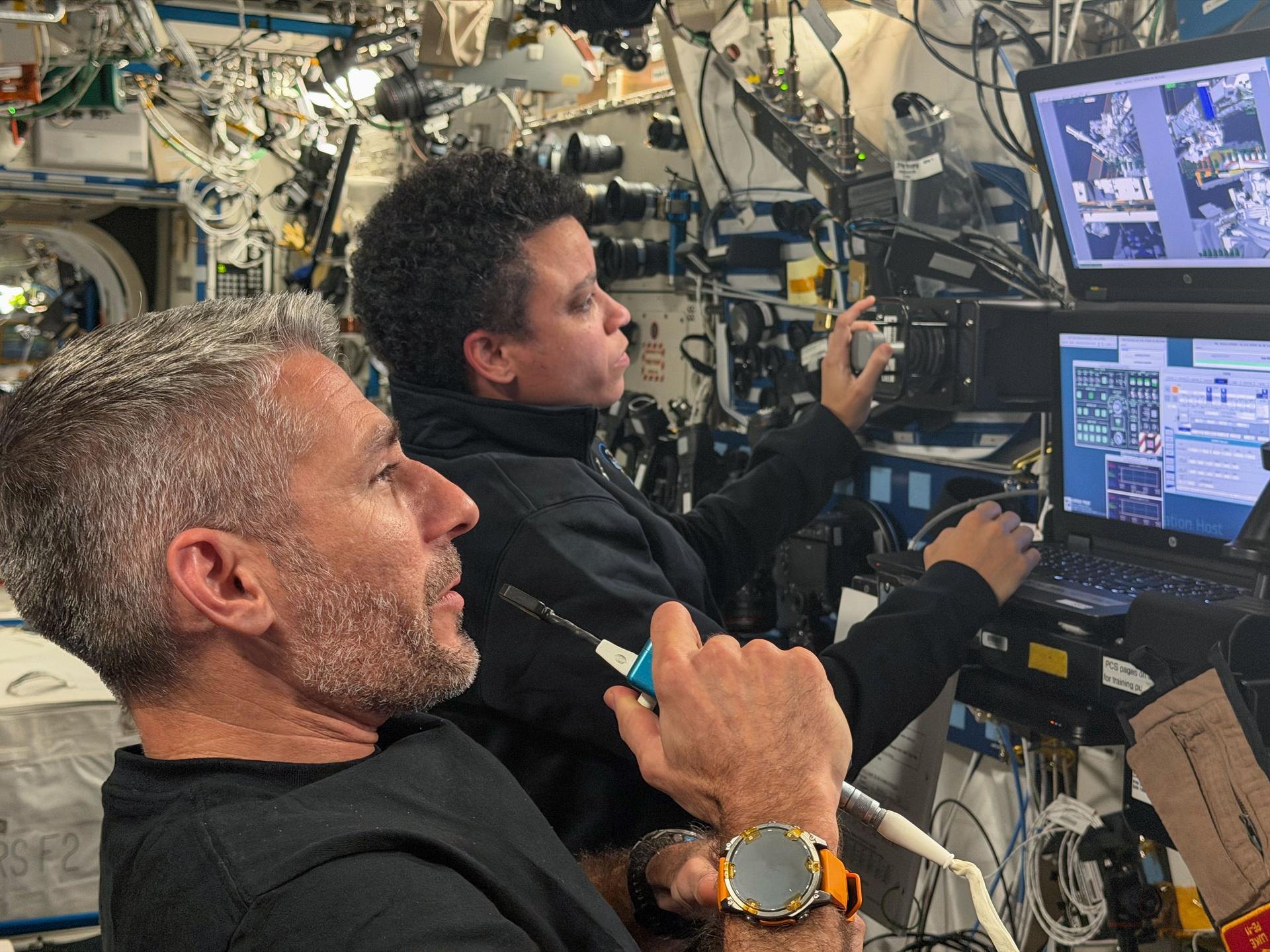
Crew members on the International Space Station spent Monday, Nov. 23, on medical research, according to a NASA station blog post. They sequenced microbe DNA, tended stem cells and tested a portable blood analyzer, all in microgravity.
Three experiments aimed at health in space and on Earth
NASA flight engineer Jessica Watkins worked in the Harmony module on how microbes adapt to weightlessness. She prepared microbial DNA for sequencing, meaning reading its genetic code, with a palm-sized portable device. Scientists want to know how space changes bacteria that resist antibiotics, because that bears on crew health and on keeping spacecraft systems safe.
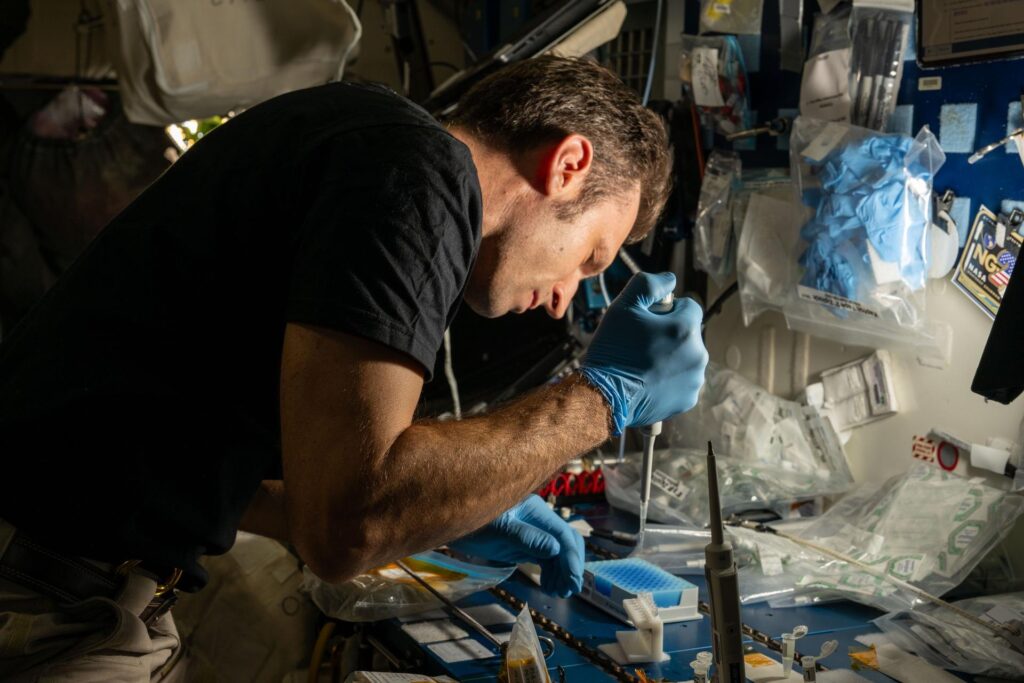
Luke Delaney cared for stem cells growing in the Life Science Glovebox in the Japanese Kibo laboratory. Stem cells are cells that can develop into other cell types. The work tests whether cells can be manufactured in orbit for new therapies. NASA says doctors hope to learn how to make high-quality blood-forming cells from human stem cells, which might eventually help treat diseases such as leukemia and lupus.
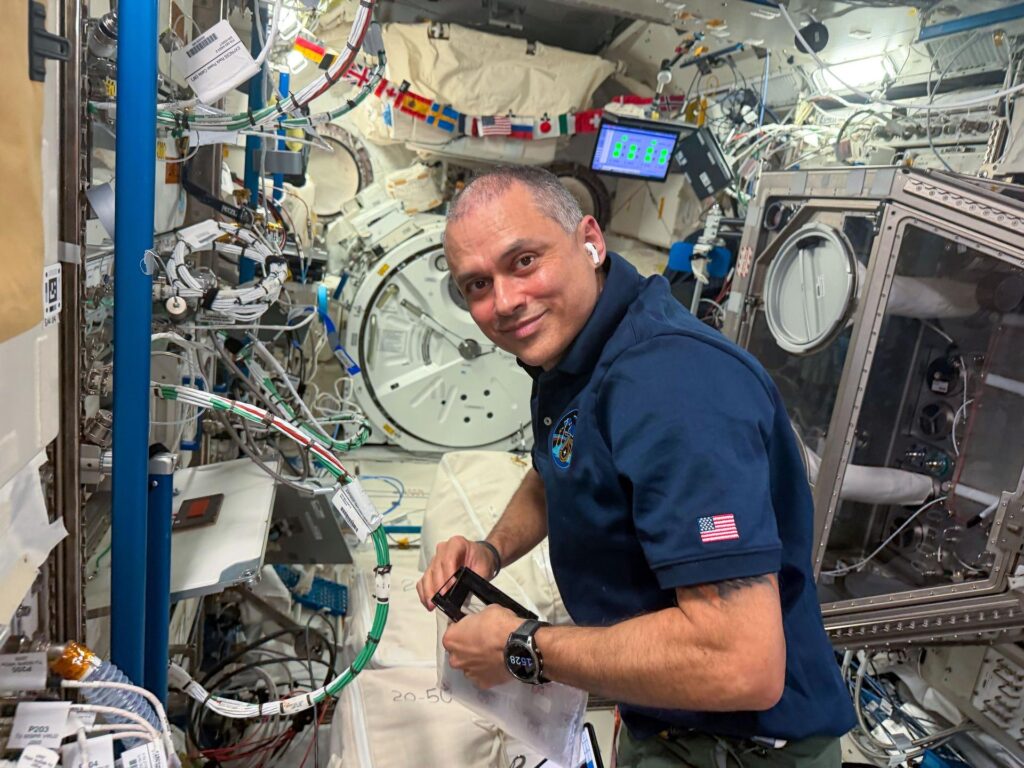
Anil Menon analyzed blood samples for the Acute Care Testing in Space investigation. It tries out a portable reader and disposable test cartridges, to see whether they can spot blood conditions caused by spaceflight without bulky laboratory equipment. That matters for longer trips, where a crew cannot send samples home.
A new rowing machine and a balance test
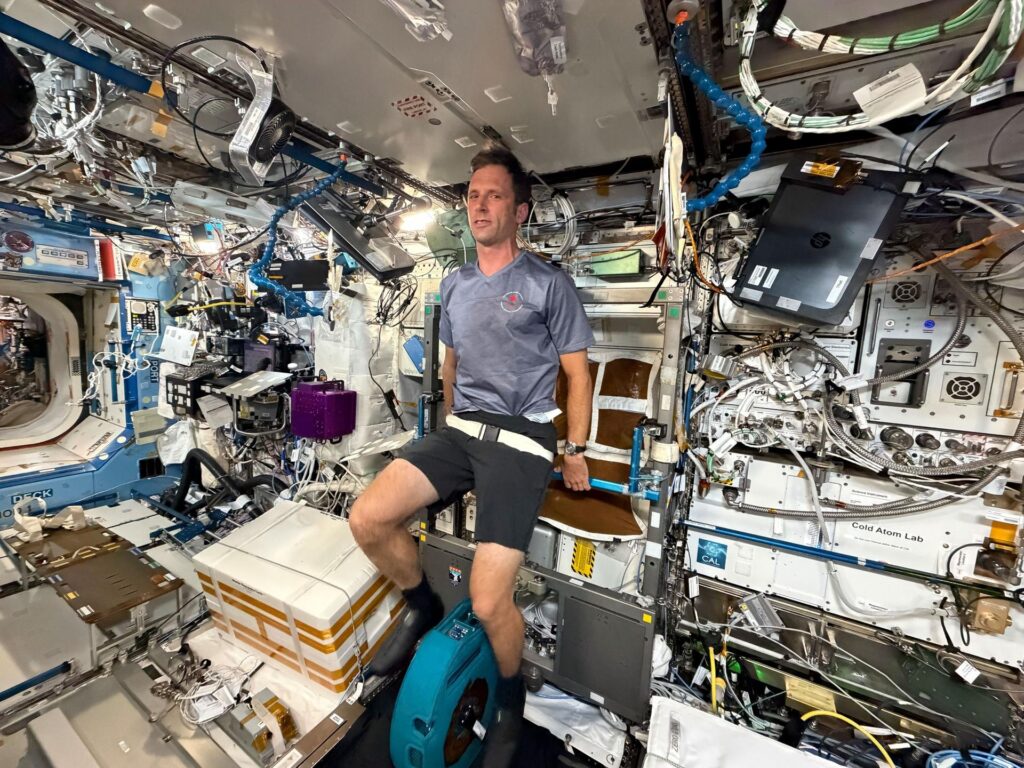
Joshua Kutryk of the Canadian Space Agency used the European Enhanced Exploration Exercise Device in the Columbus laboratory. He did a series of rowing and resistance exercises on the compact machine, which is being evaluated for how well it protects muscle and bone on missions farther from Earth. Muscle and bone loss is a standard problem in weightlessness, which is why crews exercise daily.
Roscosmos flight engineer Sergey Teteryatnikov wore virtual reality goggles and responded to on-screen stimuli, a test of his sense of orientation and balance in weightlessness. He then collected radiation exposure readings from sensors and downloaded them for analysis on the ground. Station commander Pyotr Dubrov and Anna Kikina set up automatic cameras to photograph landmarks across South America, Africa and Europe.
What to watch: Dragon samples and a Cygnus delivery
This research is part of a longer run. A NASA post from Nov. 17 described the crew’s work on blood circulation, with Delaney wearing a thigh cuff meant to reduce fluid shifts toward the head. It also covered lung cell cultivation, and Kutryk’s resistance workouts on the same new exercise device. The details differ from Monday’s, but the theme is the same: human health beyond Earth.
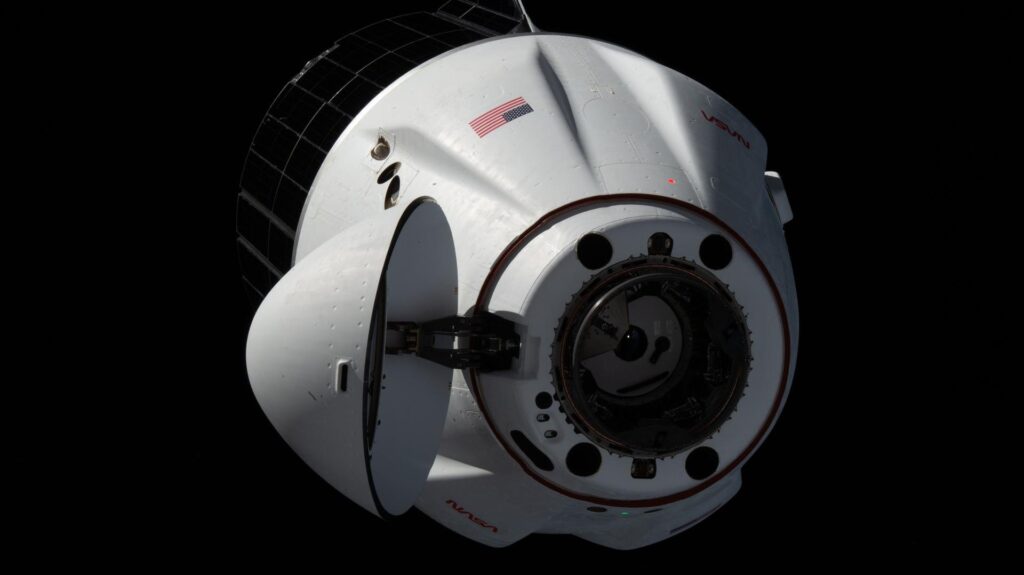
Some of the results will come home by capsule. According to NASA’s Nov. 19 post, the SpaceX Dragon cargo ship that arrived on Oct. 15 was to carry 3D bioprinted blood vessels and antibiotic-resistant bacteria back for study on the ground. Samples in space can only be partly analyzed on board, so the return trip is where deeper analysis happens.
The next milestone is a delivery. NASA said a Northrop Grumman Cygnus XL cargo spacecraft, launching on a SpaceX Falcon 9, is targeted for no earlier than Nov. 29. It is to bring about 11,000 pounds of science, supplies and equipment. Dates for launches can shift, so the rocket launch schedule is the place to check for updates.
The crew is also working through ordinary station business at the same time. In the Nov. 19 post, Watkins recorded a video congratulating Voyager 1 on reaching one light-day from Earth, which we covered in our report on Voyager 1’s milestone. For a wider look at what this kind of work adds up to, see our overview of 25 years of research on the space station.
NASA’s Monday post does not report any results from these experiments. The blog describes activities, and findings normally appear later, once data and samples reach laboratories on Earth.