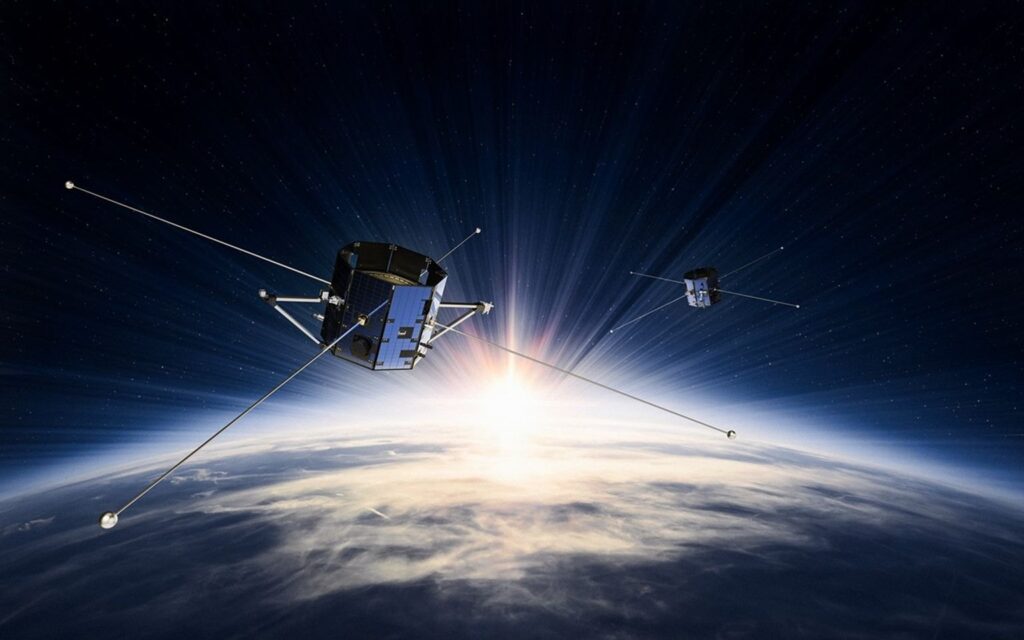
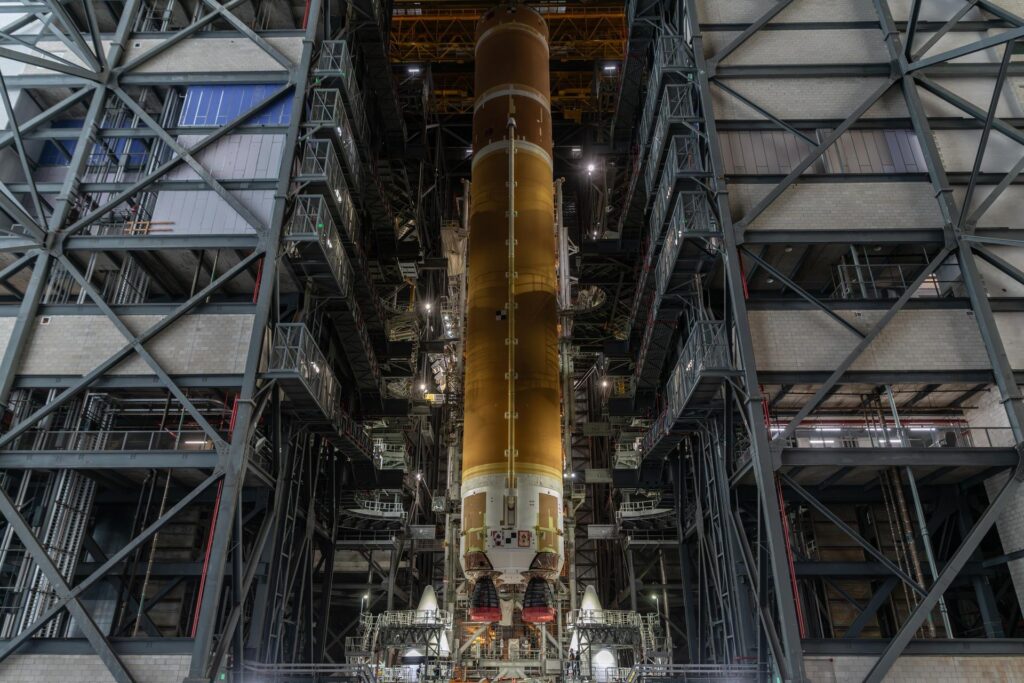
Rocket team launched into a solar flare in progress for the first time
A new alert system pinpoints a flare and predicts how long it will last, so sounding rockets can be fired while there is still something to see.
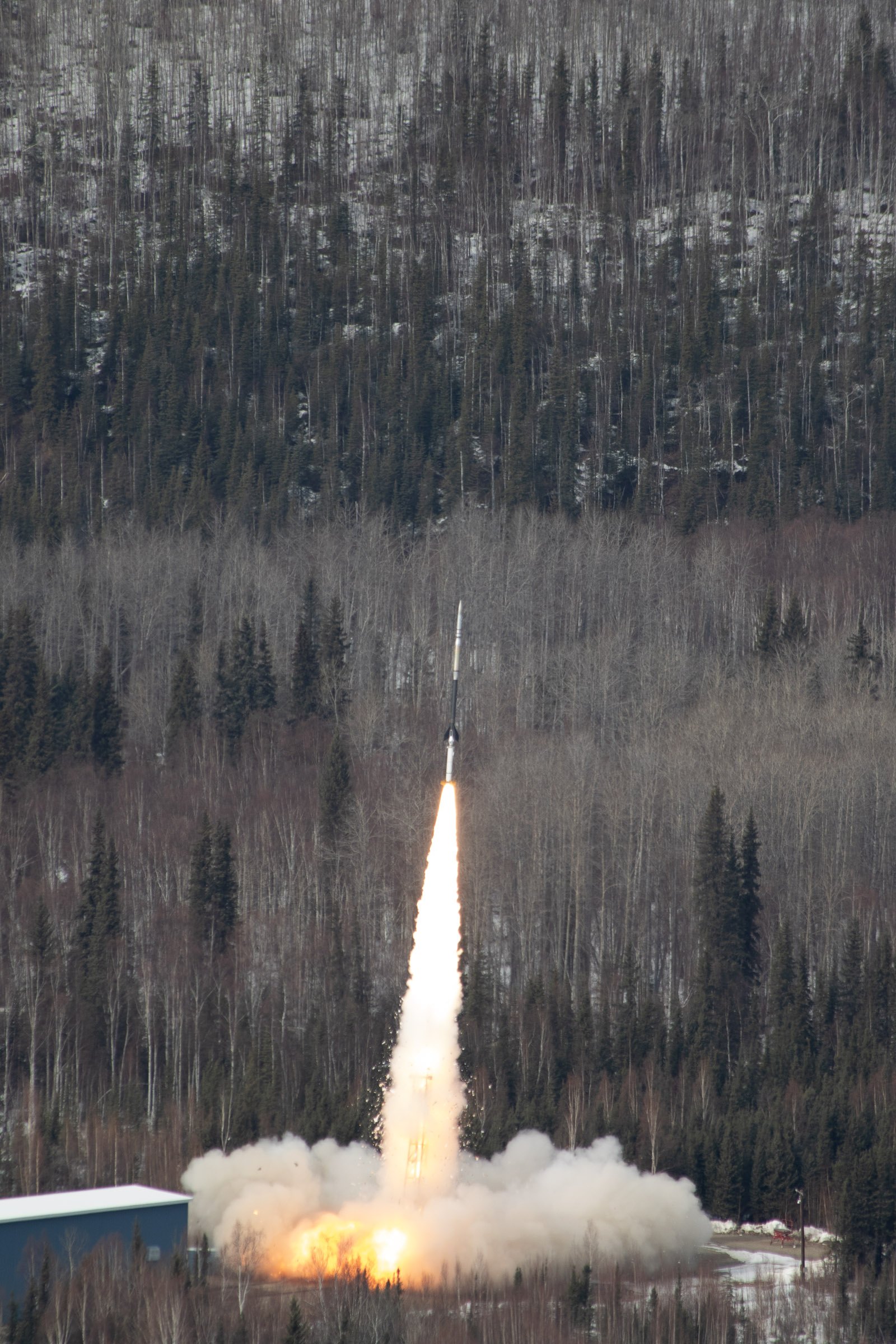
Scientists have for the first time used NASA sounding rockets to study a solar flare while it was happening, guided by a new alert system that told the team when to launch, NASA said.
A five-minute window and a flare that can vanish
A solar flare is a sudden burst of energy from the Sun. It sends particles speeding outward and floods the solar system with energy, which can affect Earth and the technology we rely on. Much of the light a flare gives off, including X-rays, is absorbed by our atmosphere and never reaches the ground. Sounding rockets, which climb briefly above the atmosphere and then drop back, are a relatively fast and inexpensive way to catch it.
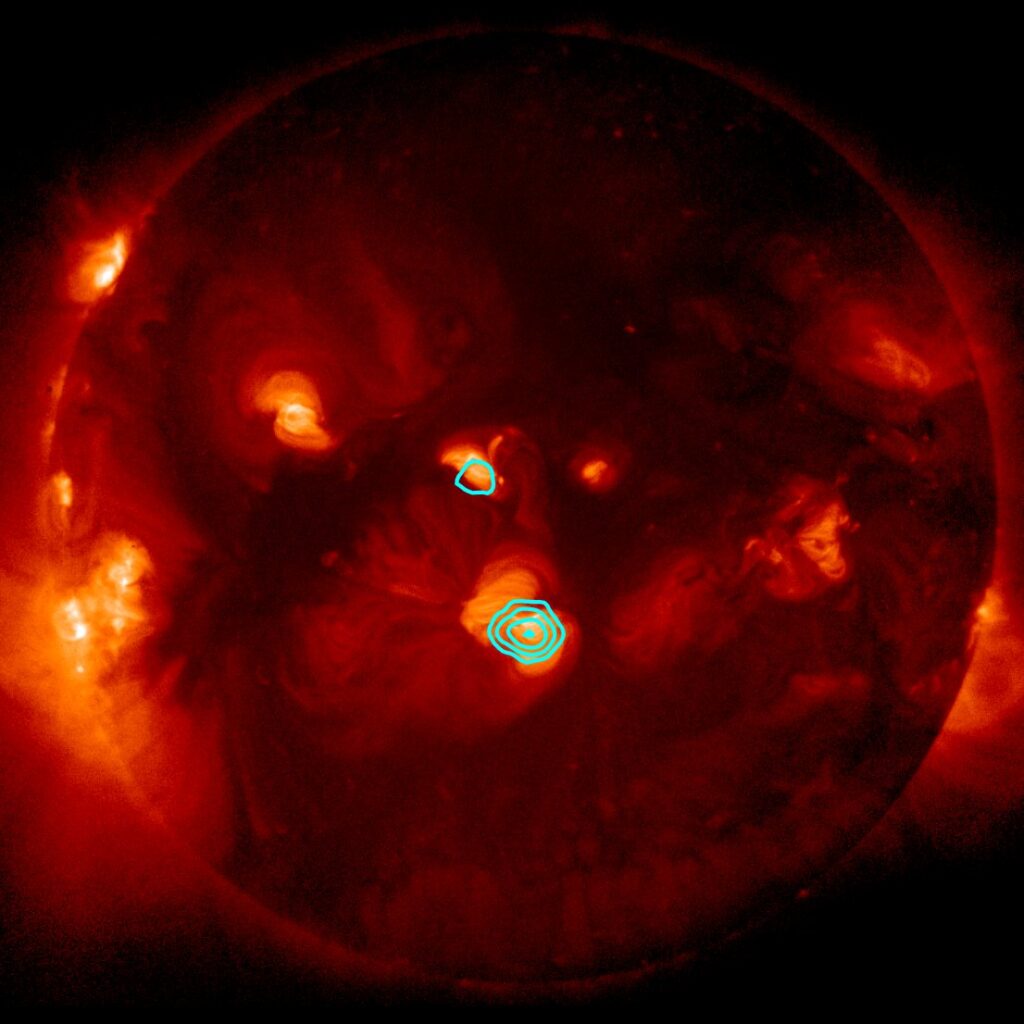
The catch is time. According to NASA, a flight leaves only around five minutes for observing before the rocket comes down, and a flare can die away just as quickly. Ordinary flare alerts do not say whether the flare will still be burning by the time the rocket arrives in space, so every launch is a gamble.
How the alert system picks its moment
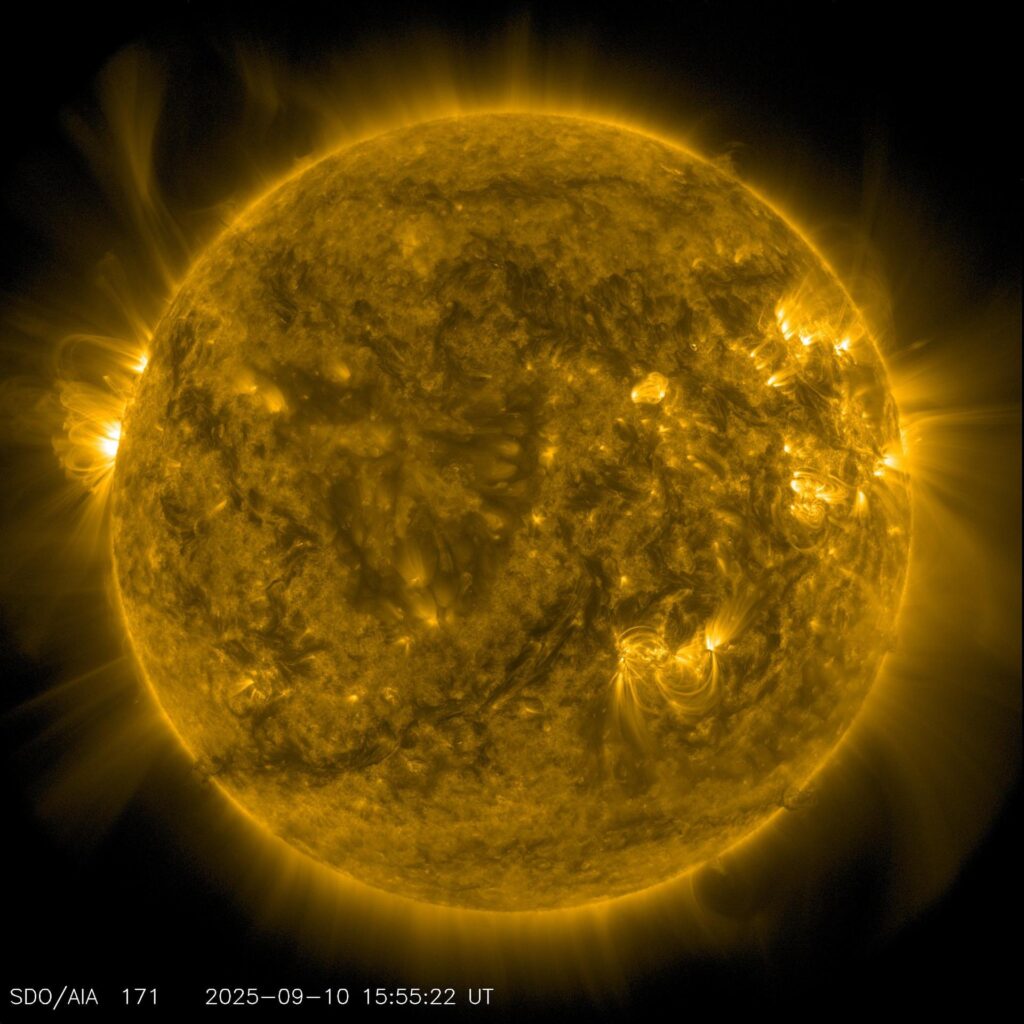
The team built a system that, within minutes of a spacecraft detecting a flare, works out where it is and forecasts its lifetime. It examines X-ray and ultraviolet light from active regions, which are magnetically complex areas of the Sun that produce flares. The data come from NASA’s Solar Dynamics Observatory, the Geostationary Operational Environmental Satellites (GOES) run by the National Oceanic and Atmospheric Administration, and ground-based observatories. The method is described in a paper published Nov. 4 in The Astrophysical Journal.
It has been used twice in the field. In April 2024 it helped two teams coordinate the launch of two rockets from Alaska and study a flare before it disappeared. NASA’s own account of that day says the two Black Brant IX rockets lifted off at 2:13 p.m. and 2:14 p.m. local time during an M-class flare, one for the FOXSI instrument and one for the Hi-C coronal imager, reaching up to 168 miles (271 km).
In May 2026 an enhanced version guided another launch. On May 14, a Black Brant IX carrying the fifth Focusing Optics X-ray Solar Imager, FOXSI-5, rose from Alaska’s Poker Flat Research Range, close to Fairbanks, at 11:23 a.m. local time. During the flight the instrument watched three small flares, NASA reports.
What to watch: From rocket campaigns to forecasts
FOXSI is built to image the Sun in hard X-rays, the most energetic kind, by focusing them directly. NASA reported in 2017 that an earlier flight in December 2014 recorded X-rays from material at about 10 million degrees Celsius (18 million degrees Fahrenheit) with no larger flare in view, which the team attributed to nanoflares, flares too small to see from Earth. Catching small flares as they happen is exactly what the alert system is meant to make routine.
The team is still refining the alerts, with money from a grant under NASA’s Early Career Investigator Program, the agency says. It adds that the same early warning might also serve future rocket campaigns, solar observatories and space weather forecasting. The measures to follow are how many launches catch a flare at its peak rather than after it fades, and whether other observatories adopt the alerts. NASA gave no dates for further flights.
For readers who follow the Sun’s effects on Earth, our guide to the aurora forecast and Kp index explains how the space weather alerts used for such predictions are read.