BepiColombo is in orbit at Mercury, but its engine burn stopped early
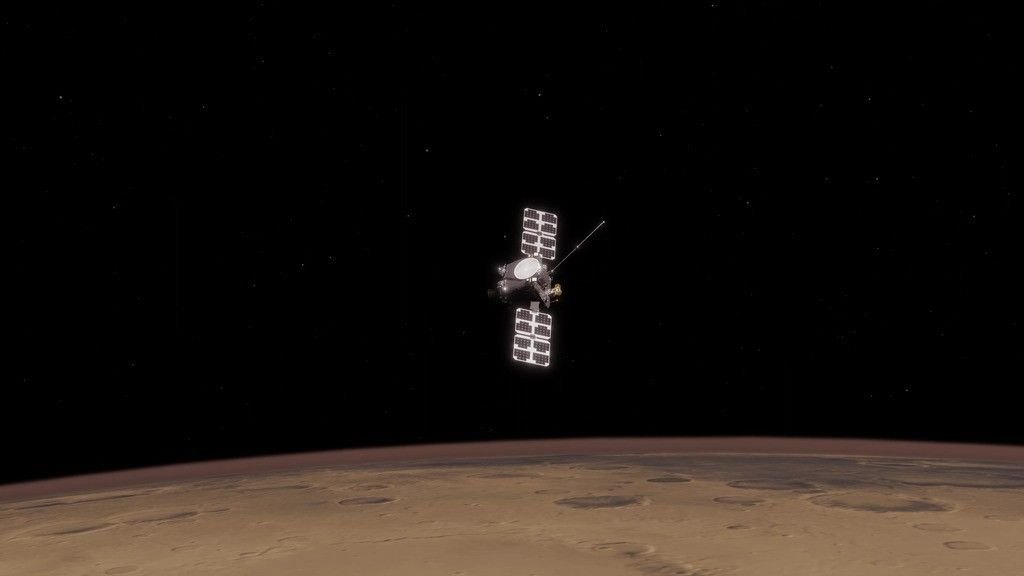
ESA's BepiColombo was captured into Mercury orbit on 21 November, though a software fault ended its engine burn early. ESA says the separation date and science plans are unchanged.
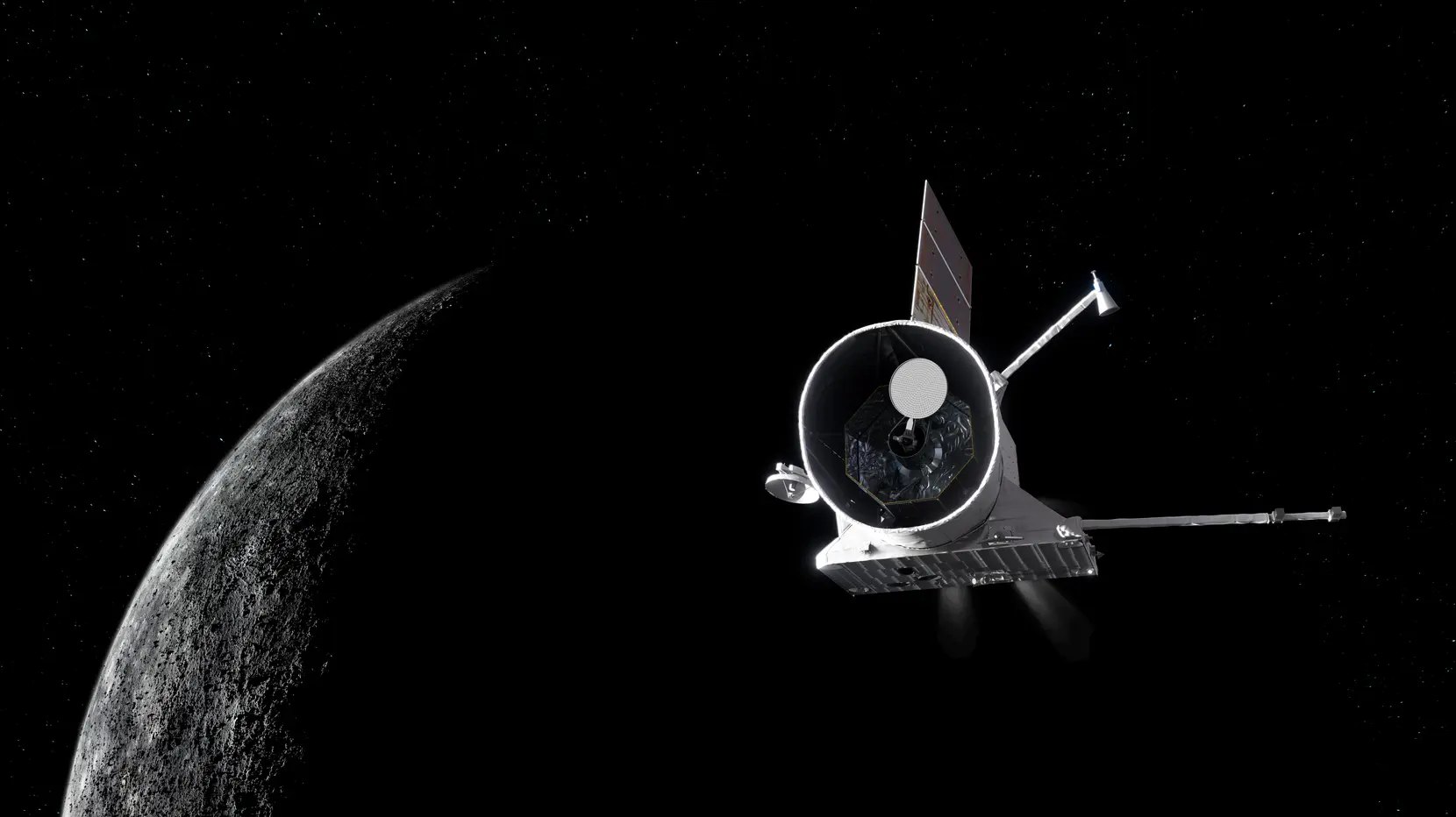
ESA’s BepiColombo spacecraft was captured into orbit around Mercury on 21 November, the agency reported, but a software problem ended its engine burn early and put it into safe mode.
Safe mode is a protective state in which a spacecraft stops all non-essential activity and waits for instructions from the ground. Teams at ESA’s mission control in Darmstadt, Germany, found BepiColombo in that state when contact returned after a planned communications gap.
A burn that stopped at about 77%
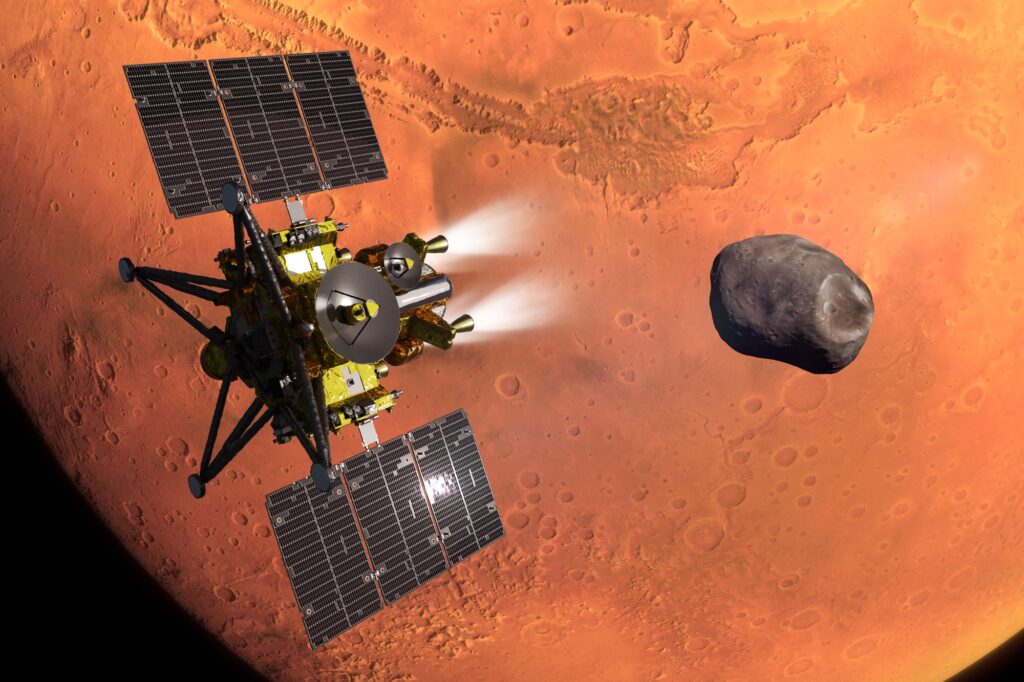
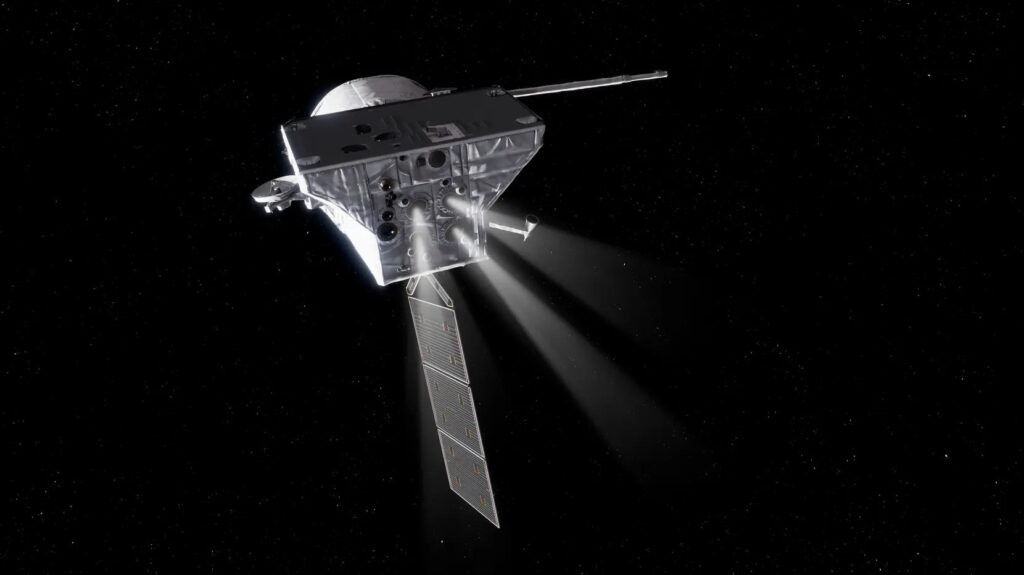
Mercury orbit insertion began at 16:51 UTC, when the spacecraft turned into position for the maneuver. That turn caused a planned, temporary loss of contact. At 18:24 UTC, about 635 km above Mercury’s surface, the four main thrusters started firing. The burn was meant to last 37 minutes.
It ended early. Contact was restored through ESA’s New Norcia deep-space antenna in Australia, and analysis showed the burn had delivered about 77% of the planned change in speed. ESA traced the cause to a software issue involving attitude guidance (how the spacecraft keeps itself pointed) and thruster control. Engineers at ESA’s operations center and at Airbus are still investigating.
Even so, the Flight Dynamics team confirmed that the craft had been captured by Mercury’s gravity. Frank Budnik, the flight dynamics manager, announced it on the control-room voice loop: “We confirm Mercury orbit capture!” Ignacio Tanco, the flight operations director, described the mood after the safe-mode discovery: “Upon finding Bepi in safe mode, it was like flipping a switch. Everybody was focused in understanding what had happened.”
A longer first orbit, but the same destination
Because the burn was short, the spacecraft sits in a looser first orbit than planned: one lasting 75 hours instead of 58. ESA says the insertion sequence was adapted to this, no additional burns are needed, and the change does not affect the separation of the two science orbiters or the main orbiter’s route to its final science orbit.
The next dates are set. ESA’s Mercury Planetary Orbiter (MPO) and JAXA’s Mio, the Japanese Mercury Magnetospheric Orbiter, separate on 9 December (10 December in Japan). Mio’s sunshield stays attached to MPO until it is ejected on 16 December. MPO is due to reach its final orbit by March 2027, and science operations begin in April 2027.
Geraint Jones, the mission’s lead project scientist, said the “almost 600-strong science team will be delighted to see BepiColombo pass this key milestone and begin revealing more about Mercury, from its interior and surface to the space around it.”
Why Mercury is so hard to enter, in engineering terms
Mercury is the innermost planet, and the Sun’s gravity pulls a spacecraft arriving there very fast, so slowing down enough to be caught is difficult. ESA says BepiColombo is the first mission to enter orbit around another planet using “weak stability capture”, a technique previously used only by some spacecraft heading to Earth’s Moon. It lets the planet’s gravity gently grab the craft with less braking fuel.
The mission also leans on many separate burns rather than one big one. Budnik explained that fewer burns would leave too little propellant because of what is called “gravity loss”, the fuel wasted when a long burn fights gravity while it is still firing.
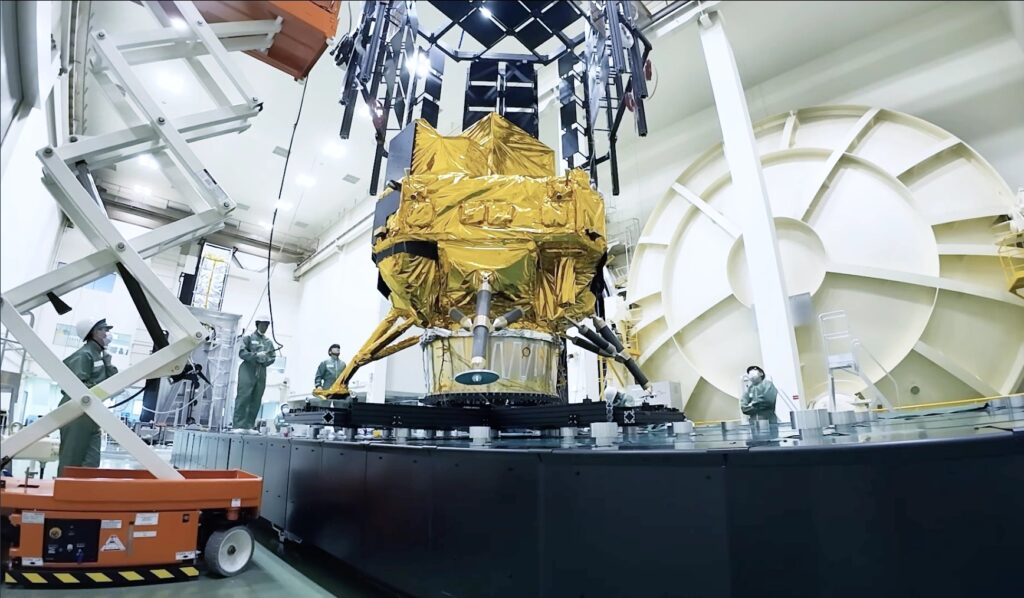
The numbers show how tight the budget is. According to ESA’s BepiColombo factsheet, the stack launched on an Ariane 5 on 20 October 2018 with a mass of 4,100 kg, of which 1,400 kg was propellant. The orbiters are small by comparison: MPO weighs 1,230 kg and Mio 255 kg. The journey needed an Earth flyby in April 2020, two Venus flybys and six Mercury flybys, the last on 8 January 2025, before the transfer module separated on 3 September 2026. ESA’s source article counts nine planetary flybys and an eight-year trip in all.
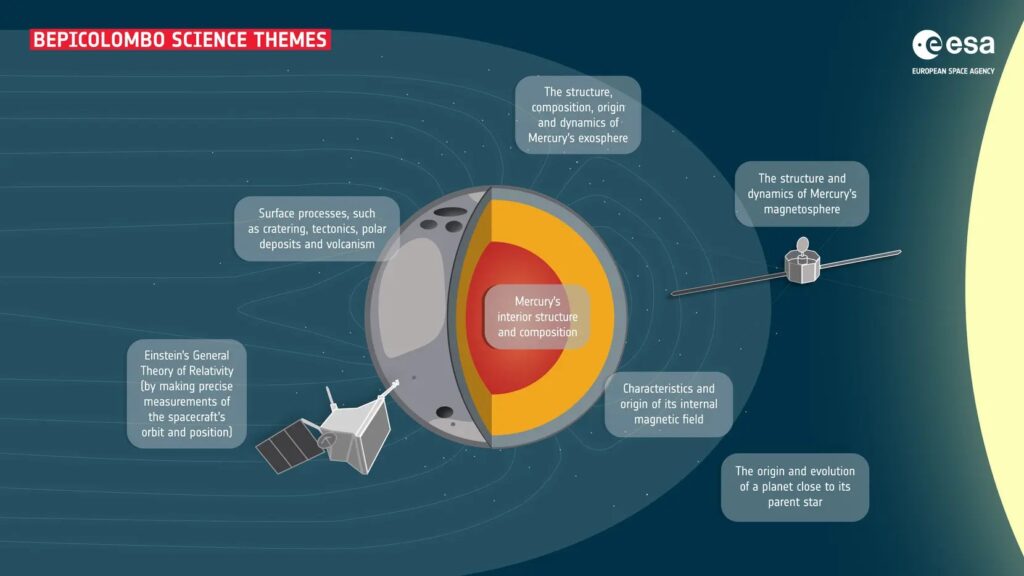
Mercury’s own pace adds to the challenge for the instruments. ESA says a Mercury day lasts 176 Earth days, while its year lasts only 88. The two orbiters carry 11 instruments (MPO) and 5 (Mio) to study the planet’s interior, surface and magnetic environment from two different orbits.
For ESA, the early cutoff is a software investigation rather than a threat to the schedule. The first full orbit will show how the spacecraft behaves before the two orbiters split up in December.