Northrop Grumman wins $290.6 million to build three weather sounders for NOAA
NASA, acting for NOAA, has hired Northrop Grumman to design, build and test three microwave sounders that measure atmospheric temperature and moisture for the NEON satellites.
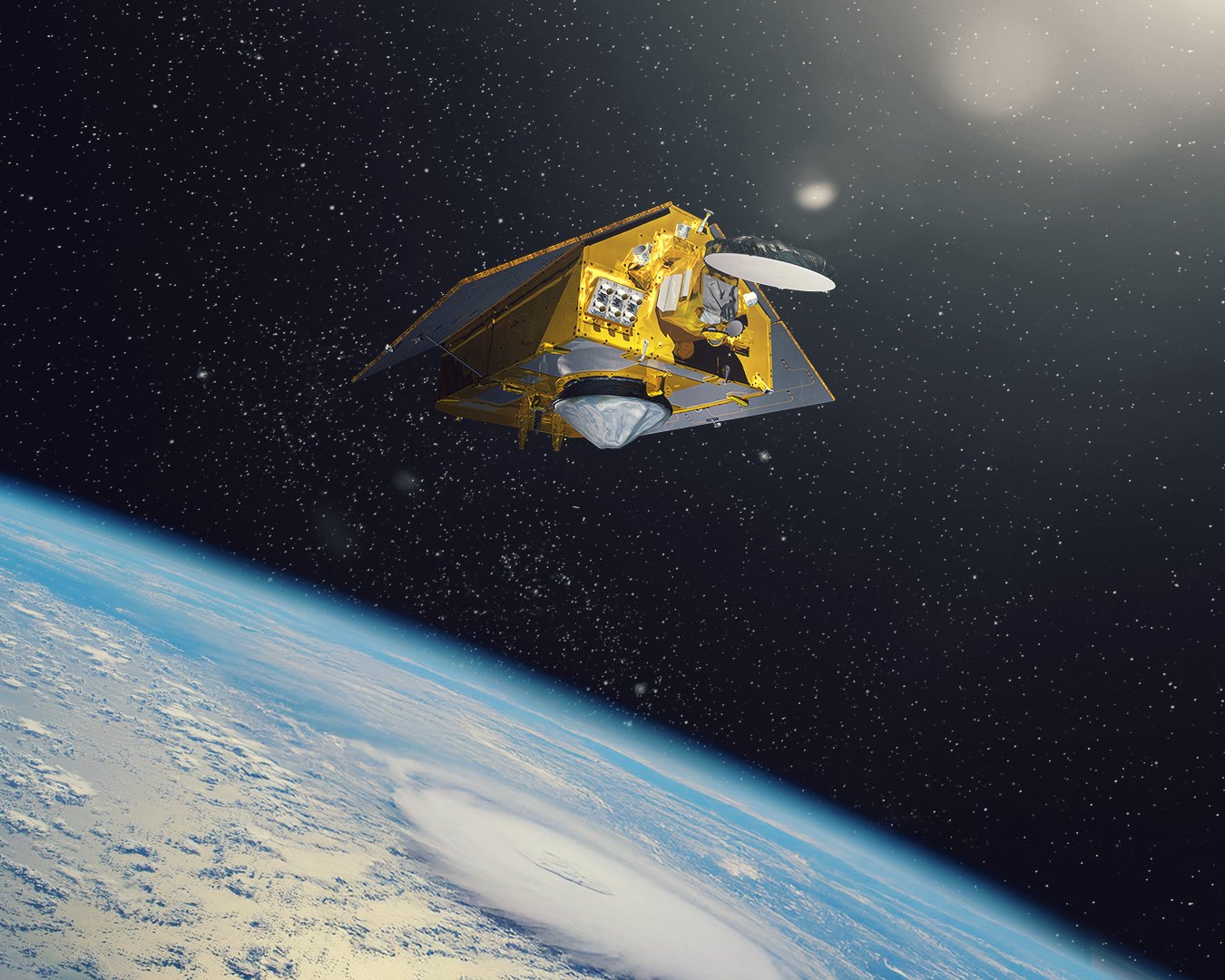
NASA, acting for the National Oceanic and Atmospheric Administration (NOAA), has awarded Northrop Grumman a $290.6 million contract to build three Sounder for Microwave-Based Applications (SMBA) instruments for NOAA’s Near Earth Orbit Network (NEON) satellites, NASA announced on Nov. 23.
What Northrop Grumman has to deliver
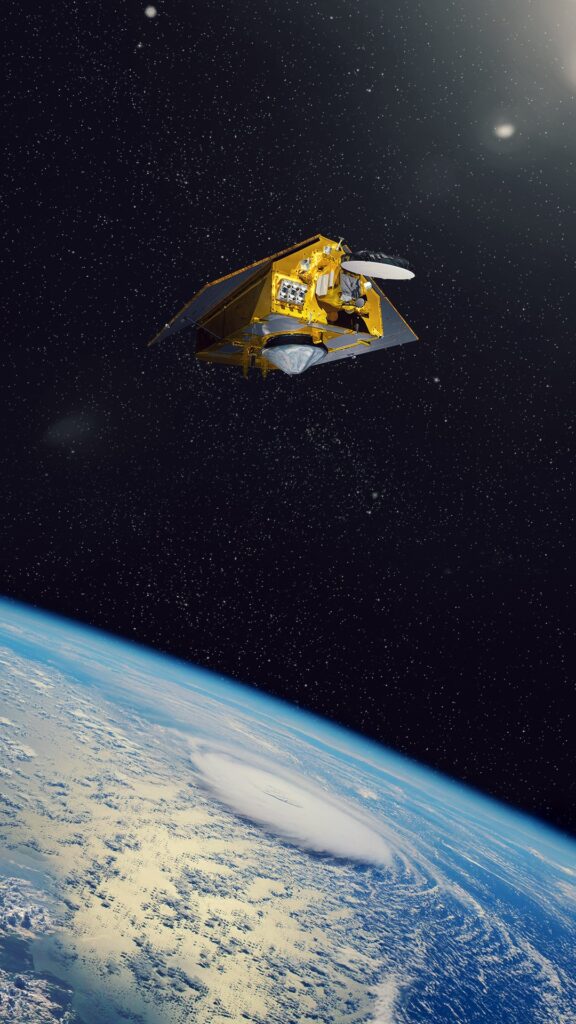
The work covers design, development, production, testing and mission support for three SMBA instruments. NASA describes them as the next generation of low Earth orbit microwave sounders. A microwave sounder is a weather instrument that looks down at Earth from orbit and reads microwave signals from the atmosphere. From those signals, forecasters get measurements of temperature and moisture, which NASA says strongly influence weather patterns.

The contract is a hybrid of three pricing types. Under cost-plus-fixed-fee, the government reimburses allowable costs and adds a set fee. Under firm-fixed-price, the price is agreed in advance. Under time-and-materials, payment follows hours worked and materials used. The period of performance runs from Nov. 23 through April 1, 2042, and the work will take place at Northrop Grumman’s facility.
Roles are split between the two agencies. NASA’s Goddard Space Flight Center in Greenbelt, Maryland, is managing the acquisition. NOAA will own and operate the instruments and deliver the data to users worldwide.
Who does what on NEON
NEON is a joint NASA and NOAA mission, led by NOAA. NOAA provides funding, technical requirements and operations after launch. NASA will manage development of the NEON satellites and launch them for NOAA. Both agencies will work with commercial partners to design and build the spacecraft and instruments. NASA’s release does not name the other companies or give a launch date for NEON.
The stated payoff is better forecasting. According to NASA, the SMBA instruments could improve medium-range forecasts for NOAA’s National Weather Service, meaning forecasts that reach several days ahead rather than just the next day or two.
Why a 16-year contract for sensors in a short-lived field
The analysis here is technical. A sounder is not a camera: it produces numbers about air at different heights, and those numbers feed the computer models that produce forecasts. That is why the instruments are built as a set of three rather than a single one-off unit, and why the contract stretches to 2042. Production, testing and support for several flight units over that span suggests the instruments will fly on successive NEON satellites, though NASA does not spell out the flight schedule.
Earth-observing satellites also tend to outlast the thinking that created them. NASA’s History Office recently noted that the Earth Resources Observation Satellite program, which paved the way for Landsat, was conceived in 1966 largely because of how useful Mercury and Gemini orbital photography proved. Landsat and other Earth-observing satellites have since monitored crops, wildfires, flooding, vegetation health and land use for more than five decades, according to NASA. The NEON sounders are the same pattern applied to the atmosphere: instruments ordered now are meant to return data for years.
NASA also builds the reference points for other Earth measurements. In a separate recent post, the agency says Sentinel-6B will become the reference satellite for other missions studying sea surface height. Weather sounders play a different role, but both show a division of labor in which NASA develops and launches the hardware and an operating agency such as NOAA depends on the data.
For now, the announcement settles who will build NEON’s microwave sounders and at what price. Whether the $290.6 million holds will depend on the three pricing structures inside the contract, since reimbursed costs and hours worked can move the final total. NASA’s release gives no figure beyond the stated value.