Potatoes grown in fake Moon soil with worm compost match Earth plants
Oregon State University researchers say potatoes grew as well in simulated lunar soil with 30% earthworm compost as in Earth soil, with no significant rise in toxic compounds.
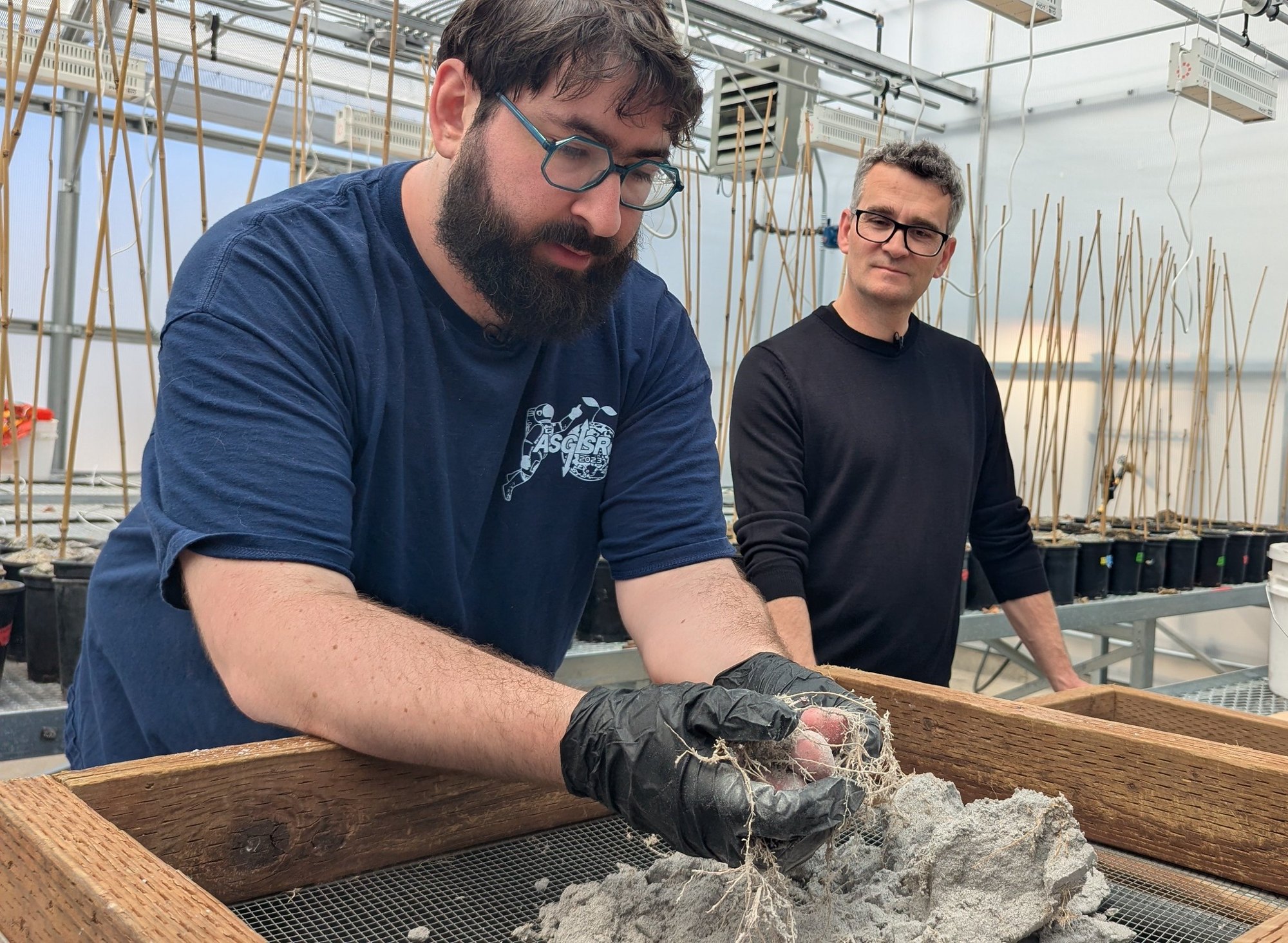
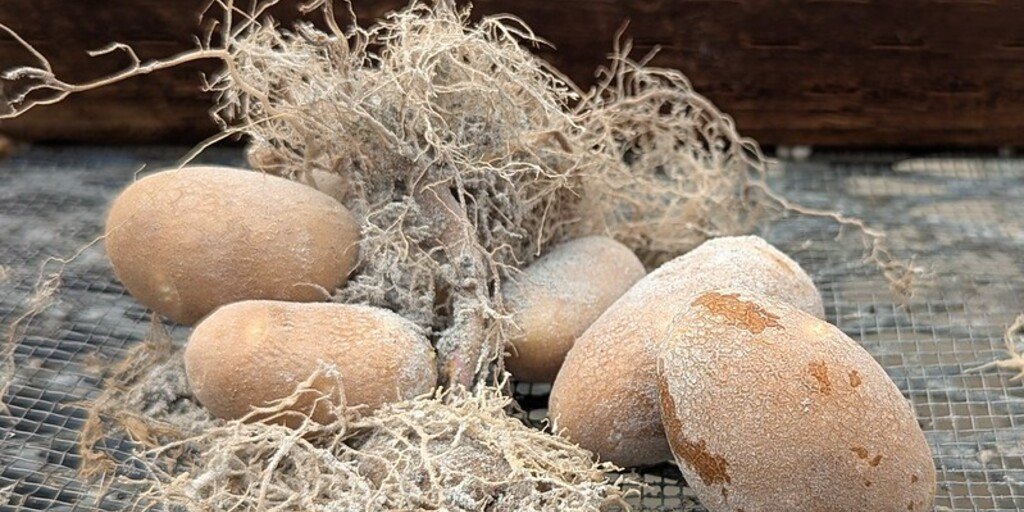
Potatoes grown in simulated lunar soil mixed with 30% worm compost grew and developed like potatoes grown in Earth soil, Oregon State University said. The tubers also showed no statistically significant rise in a natural toxin.
Five fake Moon soils and one Oregon field
Real lunar dirt is scarce, so scientists test crops in regolith simulants: materials made on Earth to imitate the loose, rocky surface layer of the Moon. The team led by Aymeric Goyer, with NASA funding, used five of them, representing the Moon’s dark lowland plains (mare) and its bright highlands. They added vermicompost, which is organic matter processed by earthworms, at several levels. Soil from Hermiston, Oregon, served as the Earth comparison.
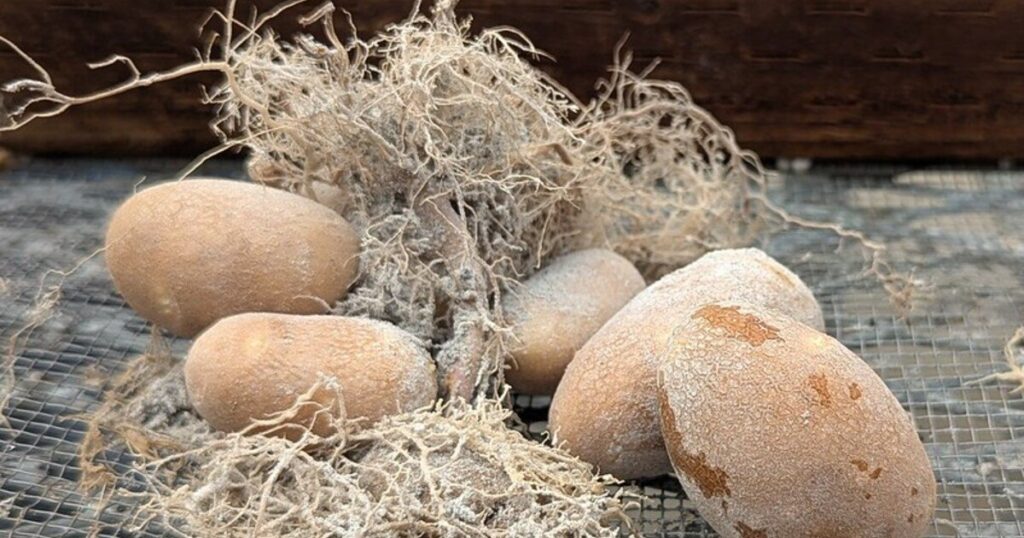
The amount of compost decided the outcome. Plants in untreated simulant were severely stunted and had underdeveloped roots. Plants given 5% to 15% vermicompost recovered only partly. At 30%, growth and development matched the plants in Earth soil. The results appear in the journal npj Microgravity, with Goyer’s colleagues Anika Loeffler, Medora Knudson, Sydney Campbell, Pankaj Jaiswal and Jeffrey Anderson, and David Handy, a postdoctoral researcher in the lab.
“We found that potatoes can complete their entire life cycle in simulated lunar soil when supplemented with organic matter,” Goyer said.
Why compost may tame the metals
Lunar regolith contains elevated levels of heavy metals, which can poison plants. The researchers believe the compost binds some of them. “We believe the compost helps balance some of the toxicity we see in lunar regolith by reducing plant exposure to harmful compounds,” Handy said.
The team also checked the harvest itself. Potatoes make glycoalkaloids, natural compounds that are harmful in large amounts, and stress can raise them. The university reports no statistically significant increase, and the potatoes kept their nutritional quality. Oregon State says the plants can be safe to eat.
What a lab result does not yet settle
Growing a crop in simulant is a first filter, not a farm. The simulants imitate the Moon’s chemistry and texture, but the experiment used only potatoes and, as far as the release says, ordinary Earth conditions rather than the radiation, low gravity and temperature swings of the lunar surface. The release gives no yield figures beyond calling them comparable to Earth, and it does not name the metals involved.
The 30% figure is also a logistics question. A soil that is nearly a third compost needs a steady source of organic matter, which a Moon base would have to make from its own waste or bring along. Every other tool for working on the surface has similar limits. Europe’s PROSPECT drill, for example, is built to cut about a metre into lunar ground, as we reported after its deployment test, so future crews would be sampling only a thin slice of what lies beneath. Power is another constraint: NASA’s first nuclear reactor on the Moon is now planned at 20 kilowatts, a small budget for lighting and heating a farm.
Ten more varieties on the way
The group has a follow-up paper coming that covers 10 potato varieties grown in simulants. Different varieties may tolerate metals and poor soil differently, which would show whether the compost recipe works broadly or only for the variety tested here.