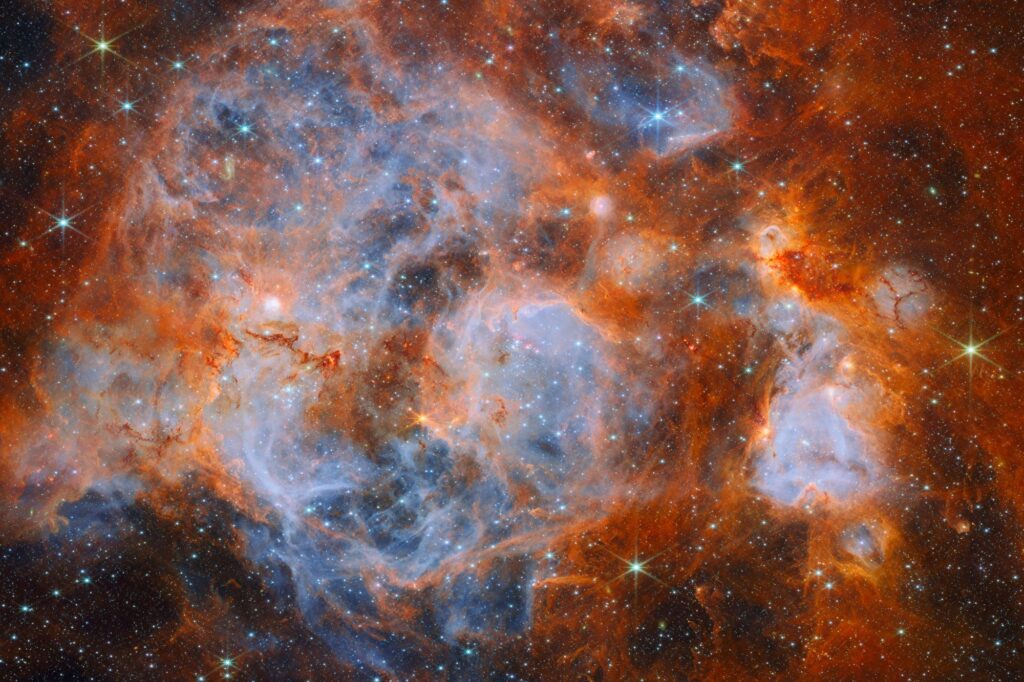
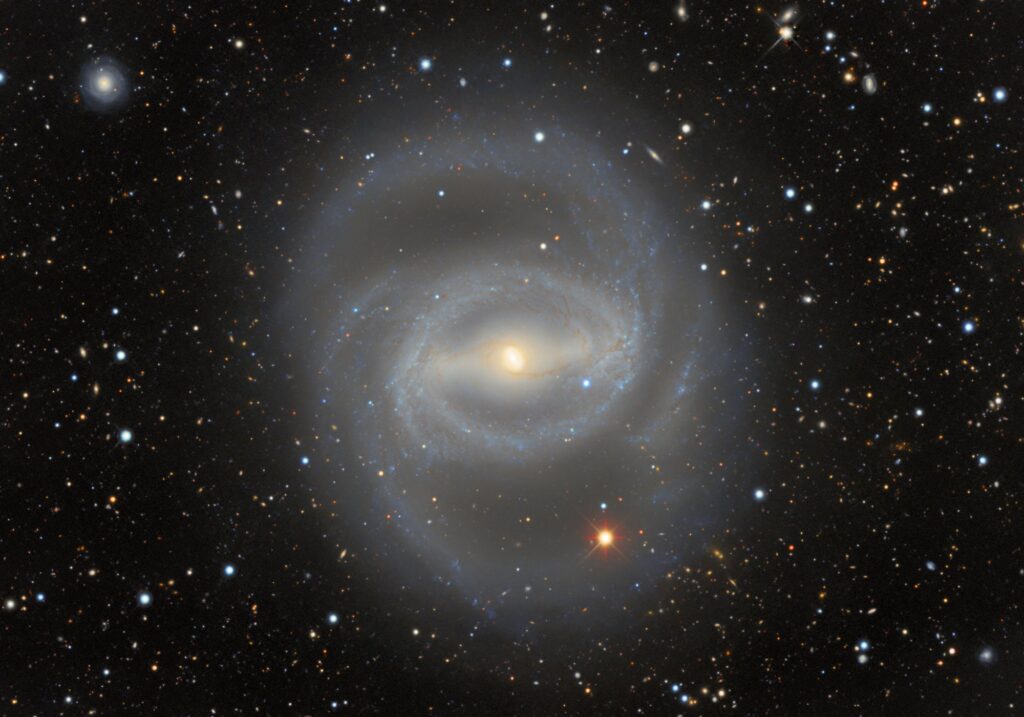
Nearby Type Ia supernova in NGC 1433 is still brightening, and telescopes are lining up
A white dwarf exploded in NGC 1433, about 50 million light-years away, and NSF NOIRLab is coordinating telescopes to follow it before…
Discoveries beyond the solar system: galaxies, black holes, exoplanets and the early universe, from the James Webb and Hubble space telescopes, ESO and other observatories.
A white dwarf exploded in NGC 1433, about 50 million light-years away, and NSF NOIRLab is coordinating telescopes to follow it before…
Explore more Universe stories
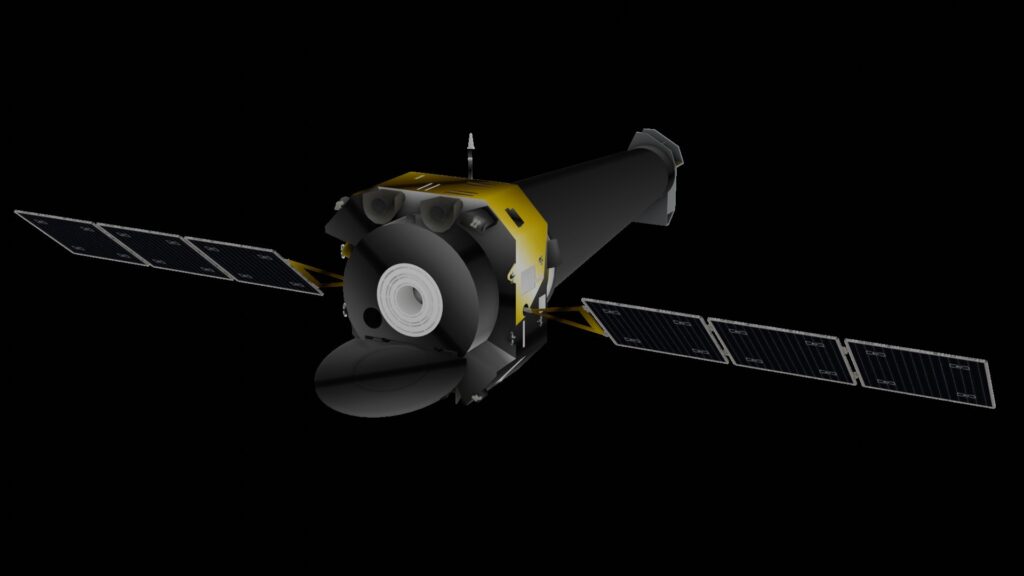
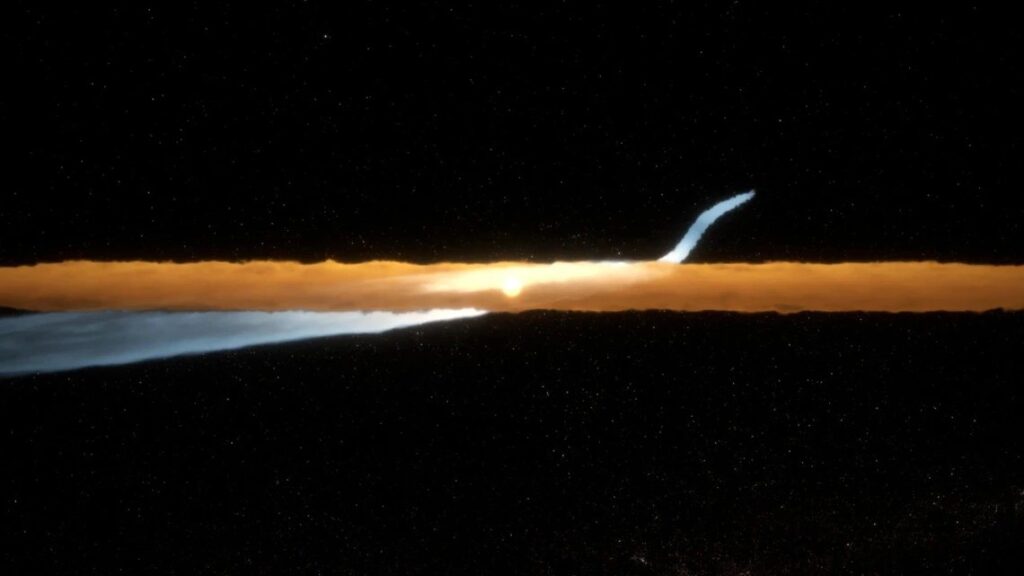
Chandra's first X-ray detection of a star that mimics supernovae points to a hidden black hole or neutron…
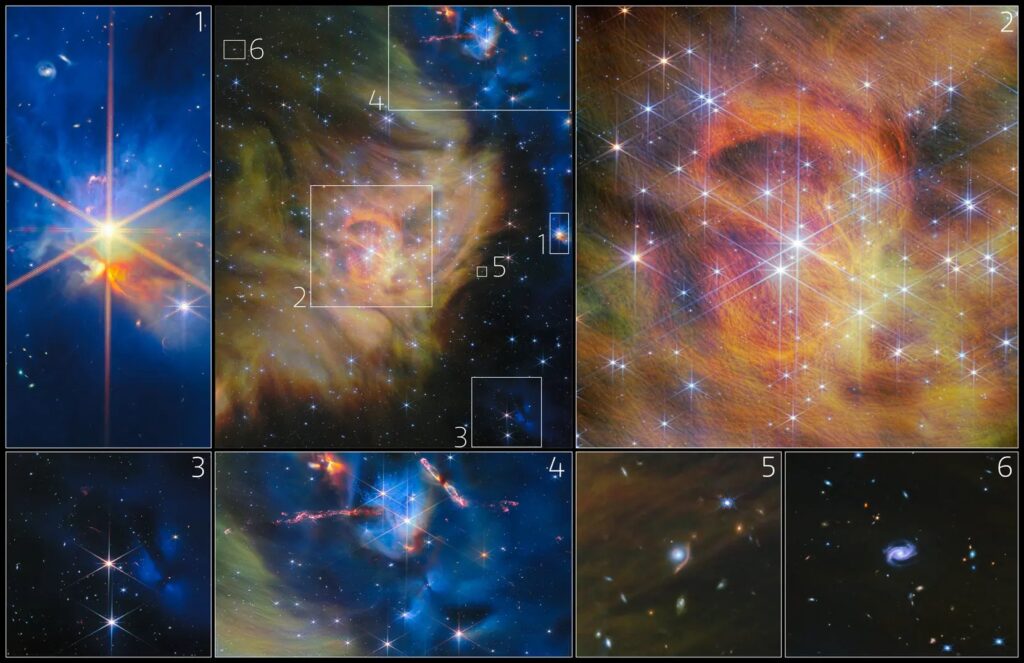
A huge Webb mosaic of the star-forming region IC 348 turned up brown dwarfs with only twice Jupiter's…
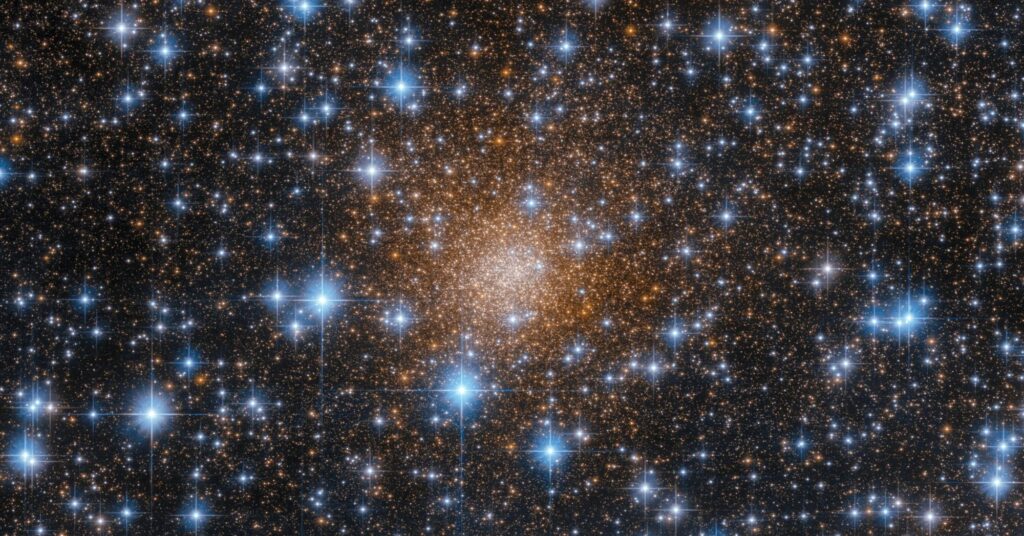
NASA and ESA's new Hubble picture of Messier 30 combines ultraviolet, visible and near-infrared data from three programs,…
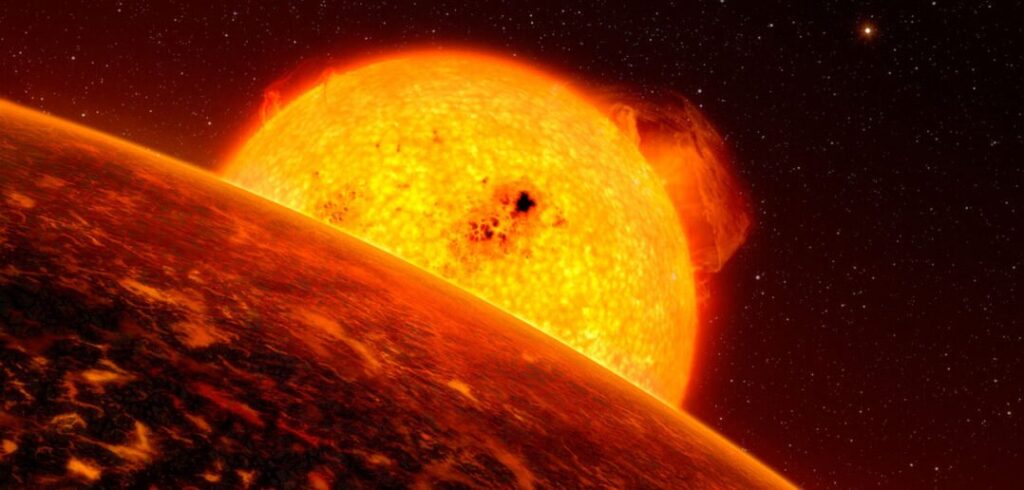
Hubble has recorded a rocky exoplanet passing behind its star for the first time. The lava world TOI-2431b…
University of Arizona astronomers used Hubble to image the Cat's Tail in the Beta Pictoris system, the first…
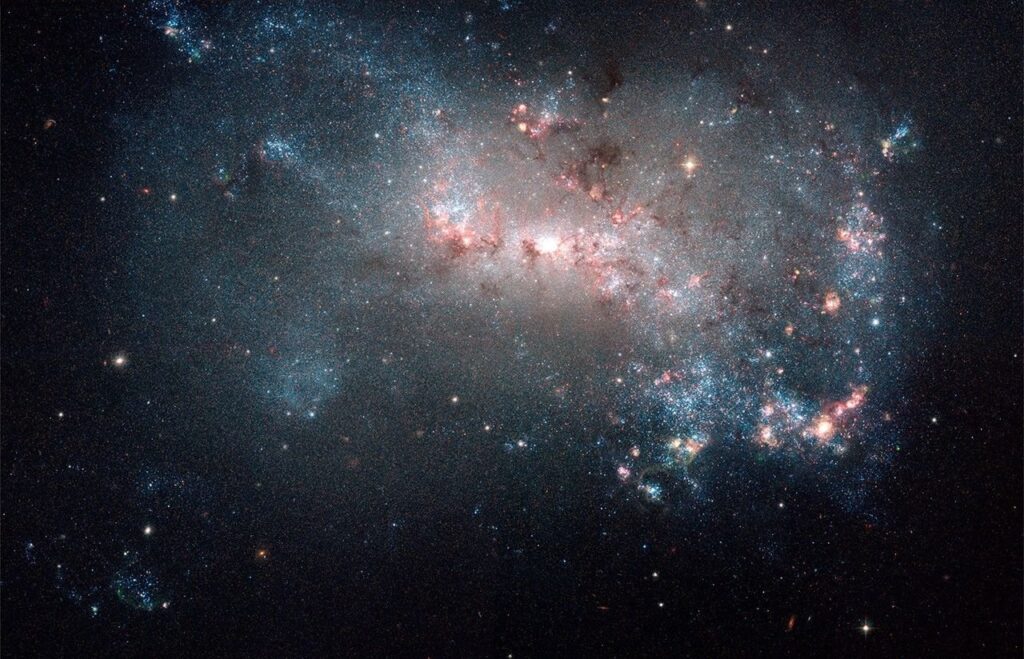
A Hubble study of 37 nearby dwarf galaxies finds much of the oxygen their stars made is gone,…
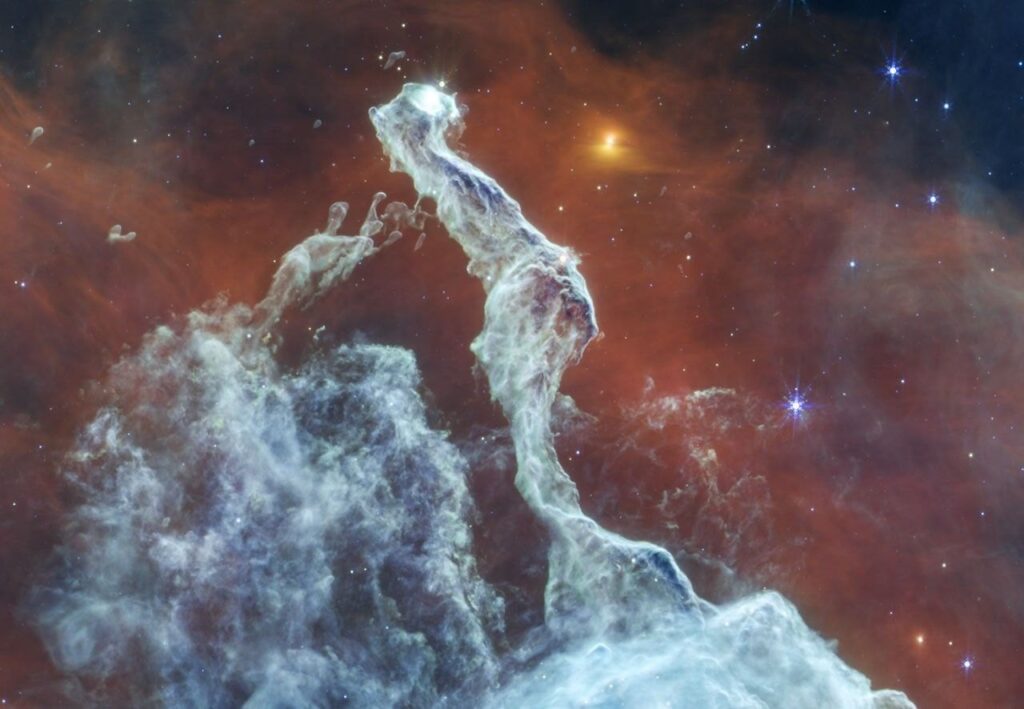
Hubble and Webb photographed a cat-shaped pillar of dust in the Carina Nebula, and each telescope reveals details…
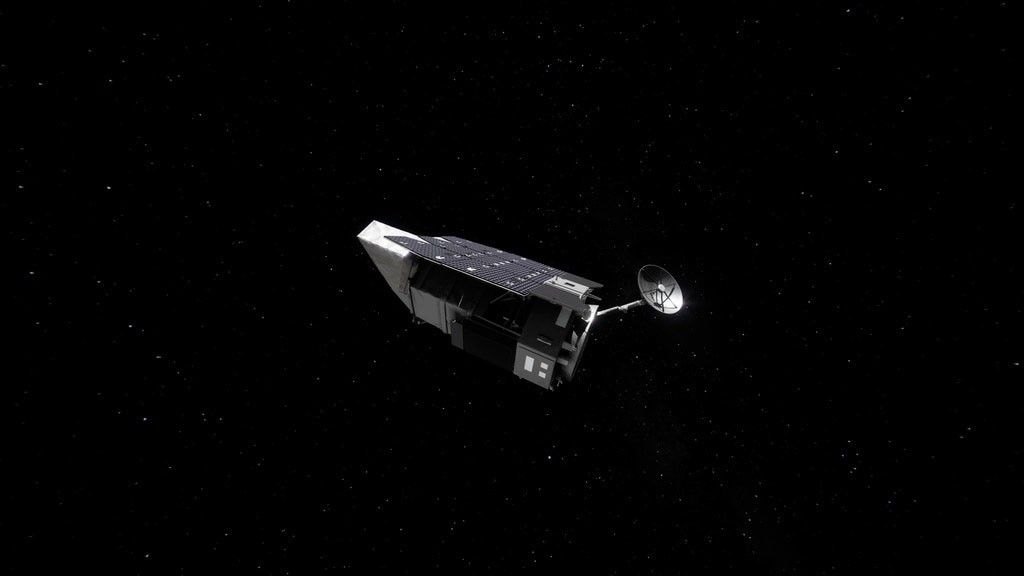
After passing Key Decision Point C, NASA's UVEX ultraviolet survey telescope now has a fixed price and a…