Chang’e-6 far side rocks show asteroid bombardment faded gradually
Tiny rock fragments returned from the Moon's far side suggest asteroid impacts tapered off gradually rather than ending a short, intense burst, according to a study with a Curtin University co-author.
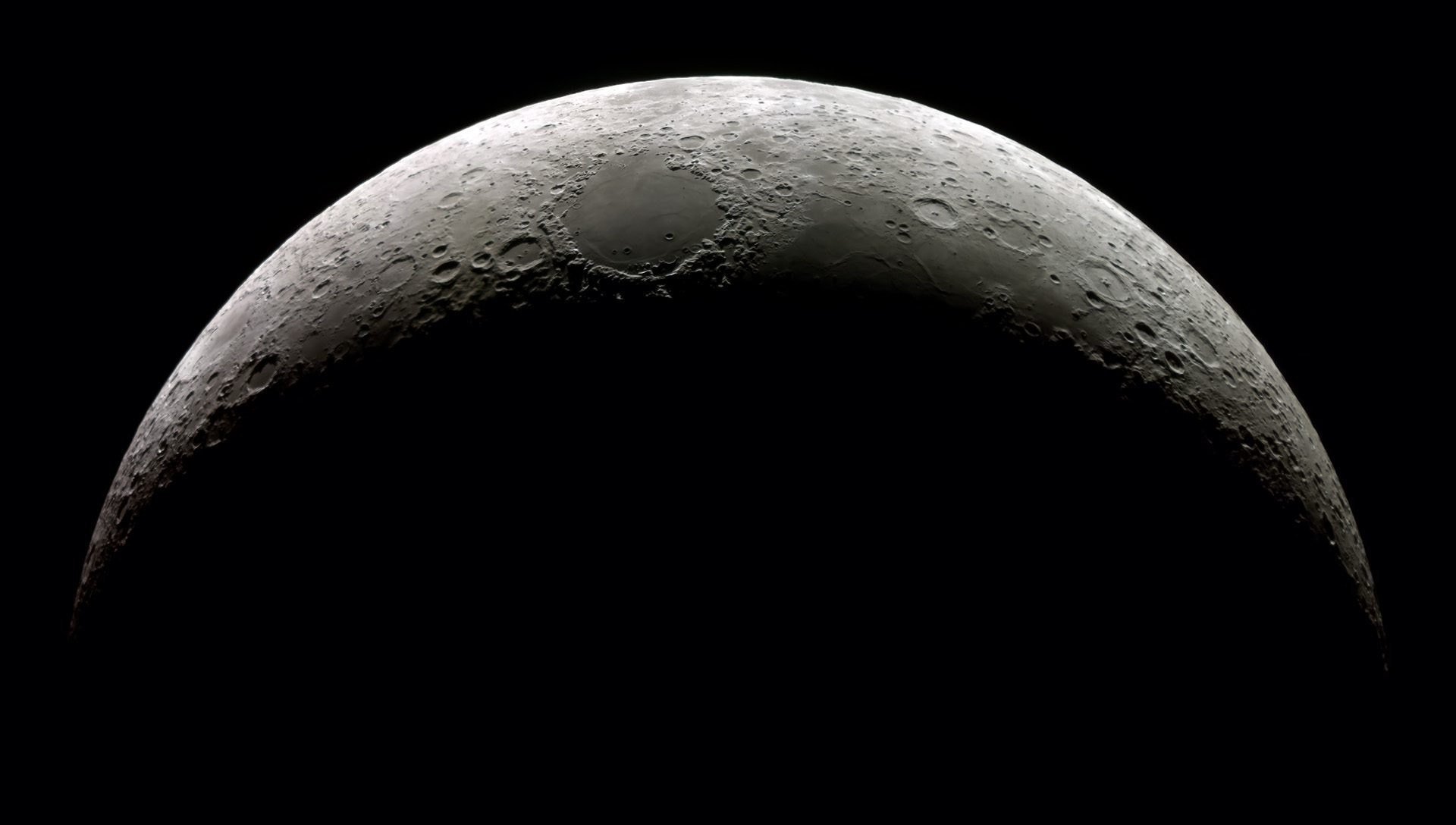
Tiny fragments of rock from the Moon’s far side suggest that asteroid impacts in the early Solar System faded gradually instead of ending a short, intense burst. The study, with a Curtin University co-author, was announced by the university.
Impact dates spread over more than three billion years
The team analyzed small pieces of lunar rock returned by China’s Chang’e-6 mission, which Curtin describes as the first to bring back samples from the far side of the Moon, the hemisphere that never faces Earth. The rocks recorded impact events from about 4.33 to 1.13 billion years ago. That span let the researchers rebuild more than three billion years of impact history.
The paper, published in Science Advances, is titled “The bombardment history on the lunar farside revealed by 40Ar/39Ar geochronology of Chang’e-6 impact melt rocks” (DOI 10.1126/sciadv.aee8718). Two terms in it are worth unpacking. Impact melt rocks are rocks that were melted by the heat of a collision and then solidified. Argon-argon dating is a radiometric method that measures argon gas trapped in a rock to work out how long ago it formed or last melted, so each melt rock gives a date for one impact.
Curtin says the result challenges decades of thinking about when the impacts happened. The older picture was of a short, intense burst of bombardment. The new dates point instead to a decline that unfolded slowly. The work was led by the State Key Laboratory of Deep Earth Processes and Resources at the Guangzhou Institute of Geochemistry, Chinese Academy of Sciences. Dr Fred Jourdan of Curtin’s School of Earth and Planetary Sciences is a co-author.
Why the Moon keeps what Earth lost
Earth’s early geological record has been largely erased by erosion, volcanism and shifting tectonic plates. The Moon has none of that, so its surface still holds evidence of impacts from billions of years ago. Jourdan put it this way:
“The Moon is like a time capsule
He added that the Moon and Earth share a common history, so each major lunar impact also reflects conditions on the young Earth. Curtin says that bears on the conditions that may have influenced the emergence of life.
The far side matters for a separate reason. According to Jourdan, it was much less affected by later geological events than the near side, so it preserves a cleaner record of the earliest impacts. He also noted that until now almost everything scientists knew came from the side facing Earth.
A landing site chosen on young volcanic plains
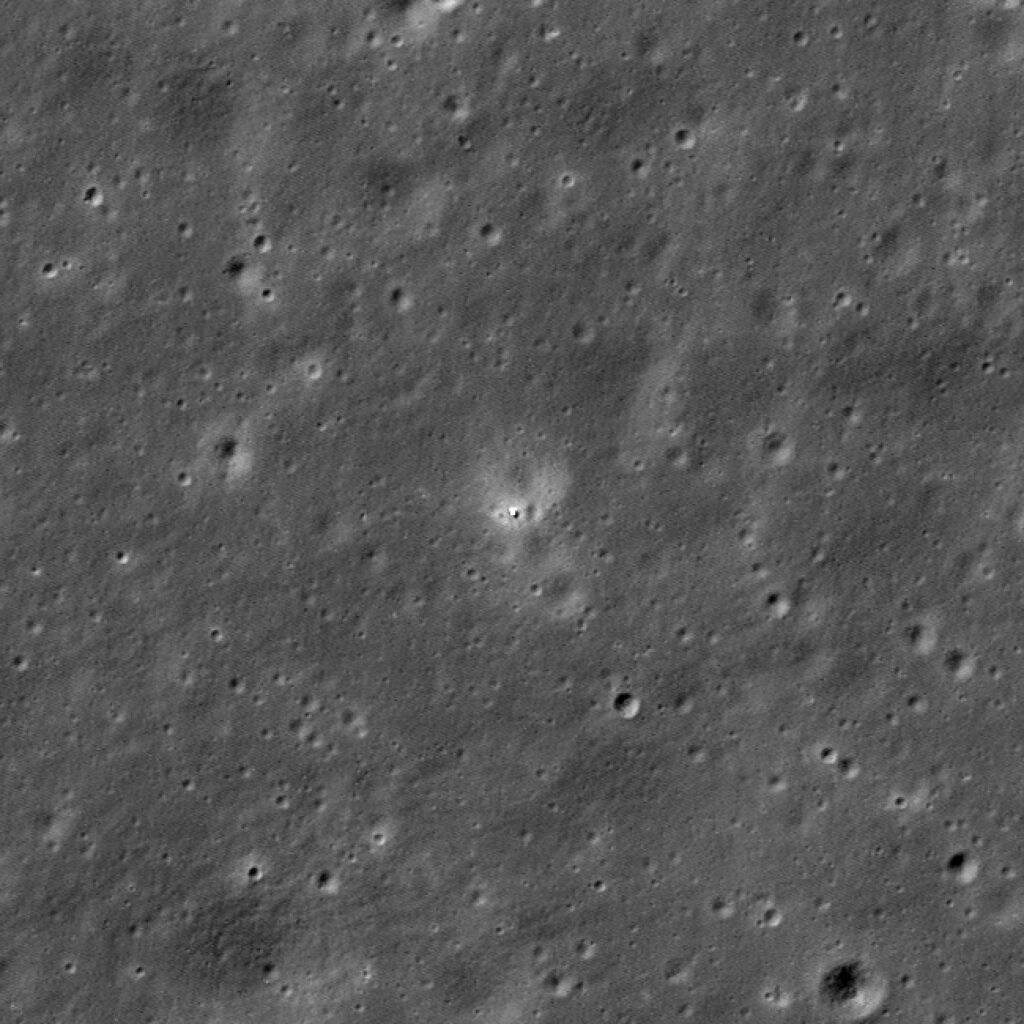
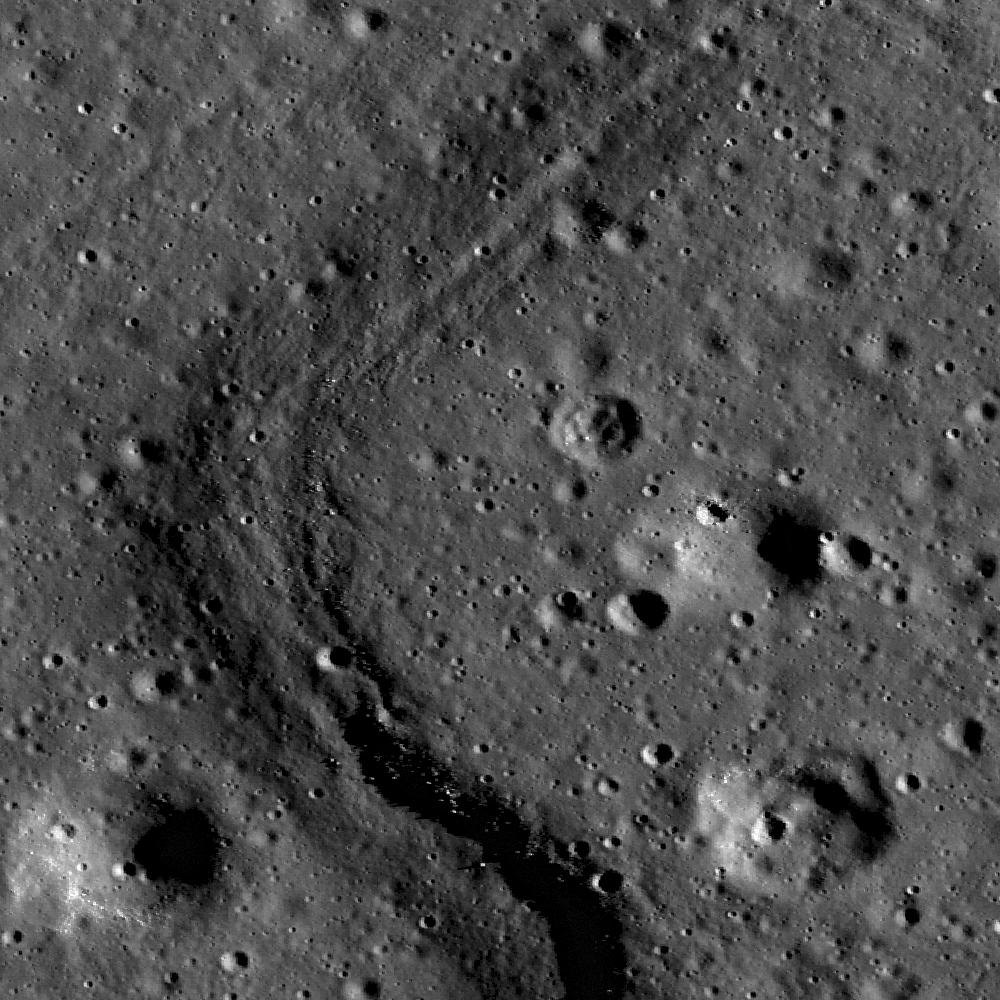
The science payoff comes from a place that is hard to reach. Chang’e-6 touched down on June 1, 2024, and NASA’s Lunar Reconnaissance Orbiter photographed the lander on June 7, 2024, according to NASA. The Lunar Reconnaissance Orbiter team places the landing site on a mare unit, a plain of dark volcanic rock, at the southern edge of the Apollo basin. That basin is a 492 km impact crater on the far side. The site sits at about 41.6 degrees south latitude, according to the orbiter’s camera team.
A basin that large is itself the scar of a major collision, which is why a landing there samples debris from many impacts. Because the far side cannot be seen from Earth, a spacecraft there has no direct radio link to the ground. Sampling it therefore takes extra planning, which is part of why so little far side material was available before.
The practical gain for scientists is a second reference point. Almost all earlier lunar samples came from the near side, so the impact timeline built from them may have reflected one hemisphere only. Dates from the far side let researchers test whether the same history holds across the whole Moon. Because the Moon’s impact record is used to estimate the ages of surfaces on other bodies, a gentler decline could change those estimates. The Curtin release does not say how far, so that remains for the wider research community to work out.
Curtin frames the findings as part of a new era of lunar exploration, with more missions expected to bring back or study material from places the Apollo-era samples never reached.