Dragon’s return cargo includes bacterial DNA, lab-grown blood vessels and a used spacesuit
Expedition 75 began loading SpaceX's Dragon for its trip home, while astronaut Luke Delaney cleaned the spacesuits used in two recent spacewalks.
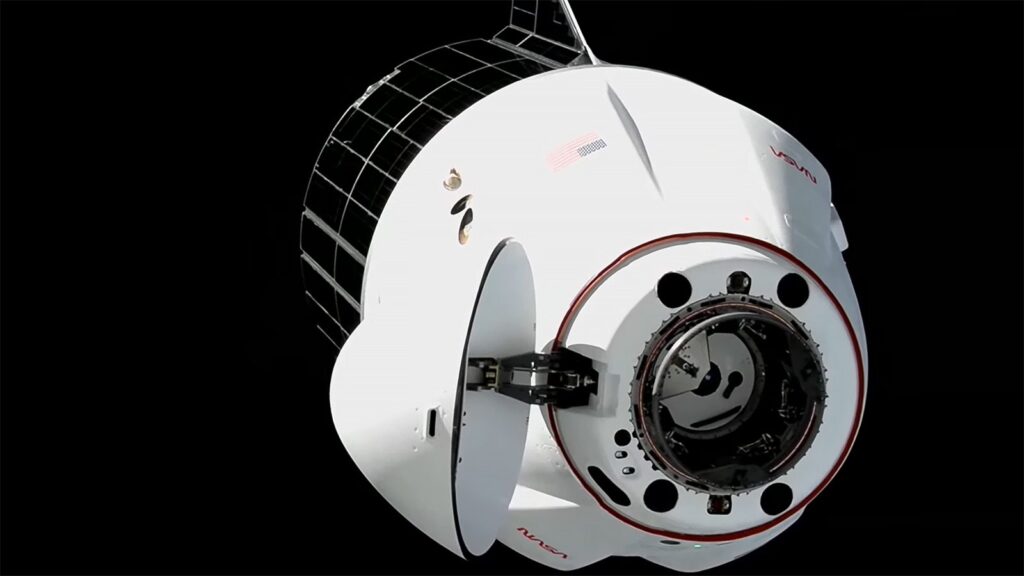
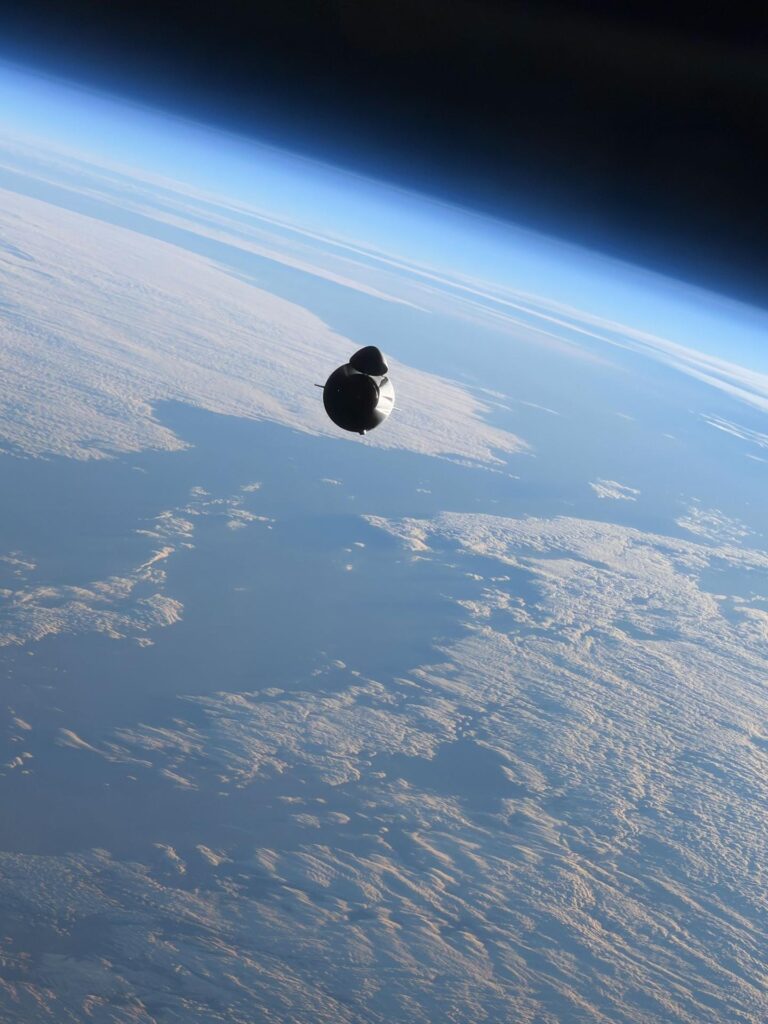
The Expedition 75 crew began loading SpaceX’s Dragon cargo spacecraft on Thursday for its return to Earth, NASA reported. Samples of bacterial DNA and 3D-printed blood vessels are among the research going home.
Dragon reached the International Space Station on Oct. 15 with more than 6,300 pounds of science, supplies and hardware. We covered the arrival in our report on the science that came up on Dragon. Now the experiments it delivered are finishing, and the samples are being prepared for analysis on the ground.
Packing for a Pacific splashdown
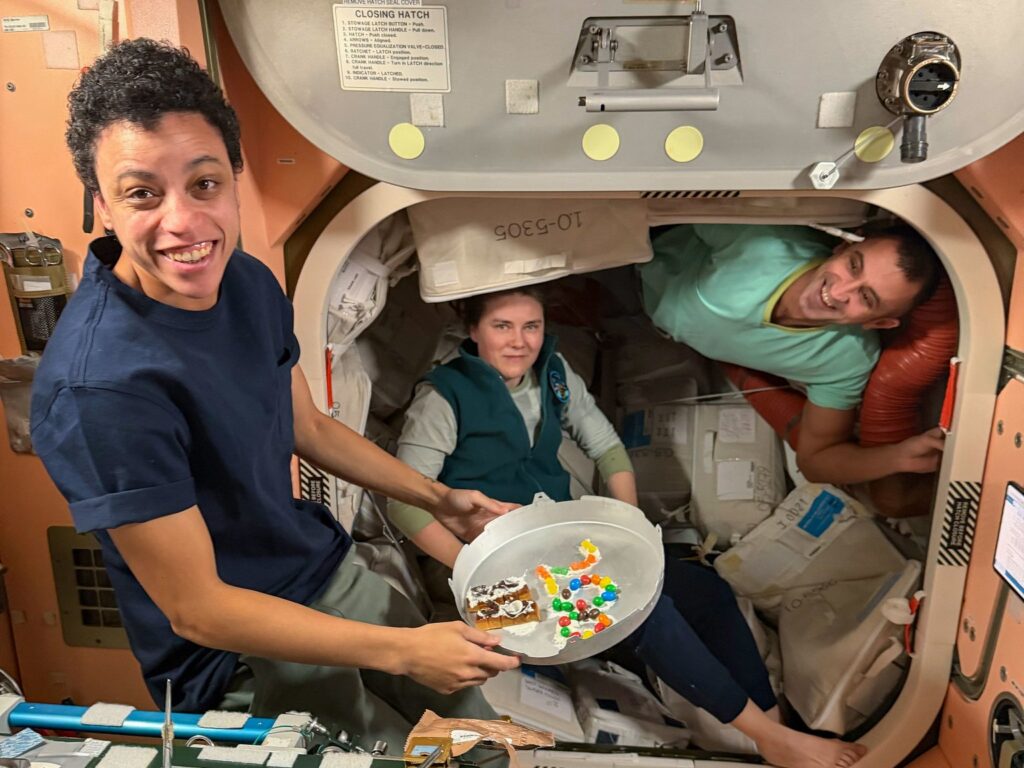
NASA flight engineers Anil Menon and Jessica Watkins started loading a range of payloads into Dragon. Later, Menon worked with Joshua Kutryk of the Canadian Space Agency to rearrange and secure the cargo. The aim is an even spread of mass and a balanced center of gravity, which NASA says is needed for a safe reentry and splashdown in the Pacific Ocean.
Final packing is planned for the day before Dragon leaves. That is when the crew will move the most sensitive research samples, which are kept in portable freezers and incubators for the ride back. NASA has not given a departure date in this post. An earlier station post said the samples would return “next week”, pointing to the week of Nov. 16.
Also heading home is lighting hardware built to recreate natural daylight patterns and help regulate the crew’s sleep. It has been tested on the station for more than three years.
Two spacewalk suits get a deep clean
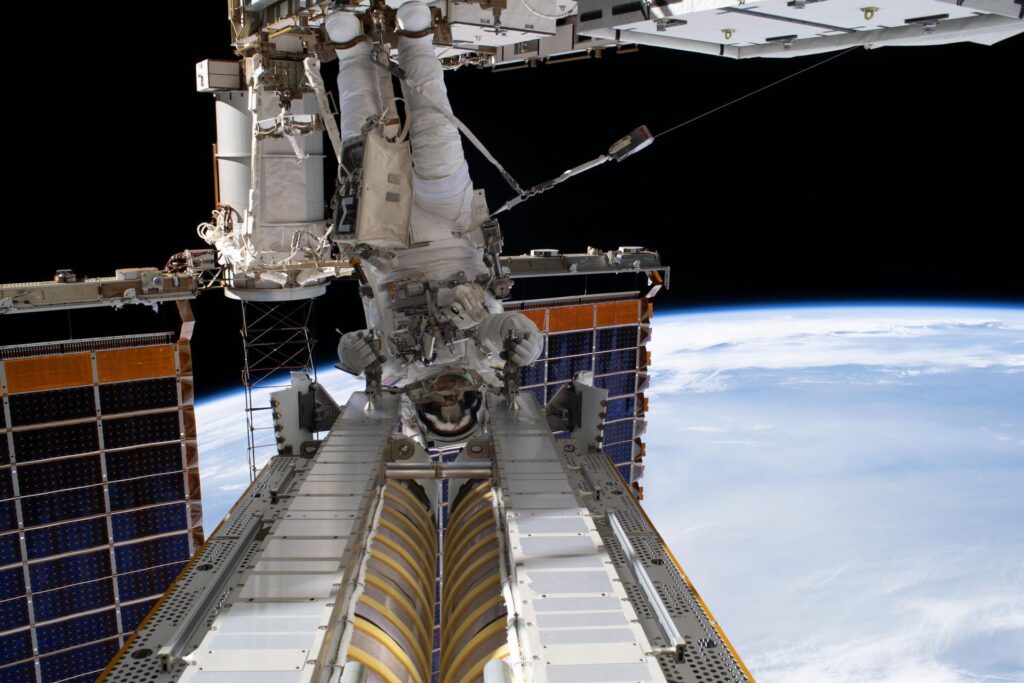
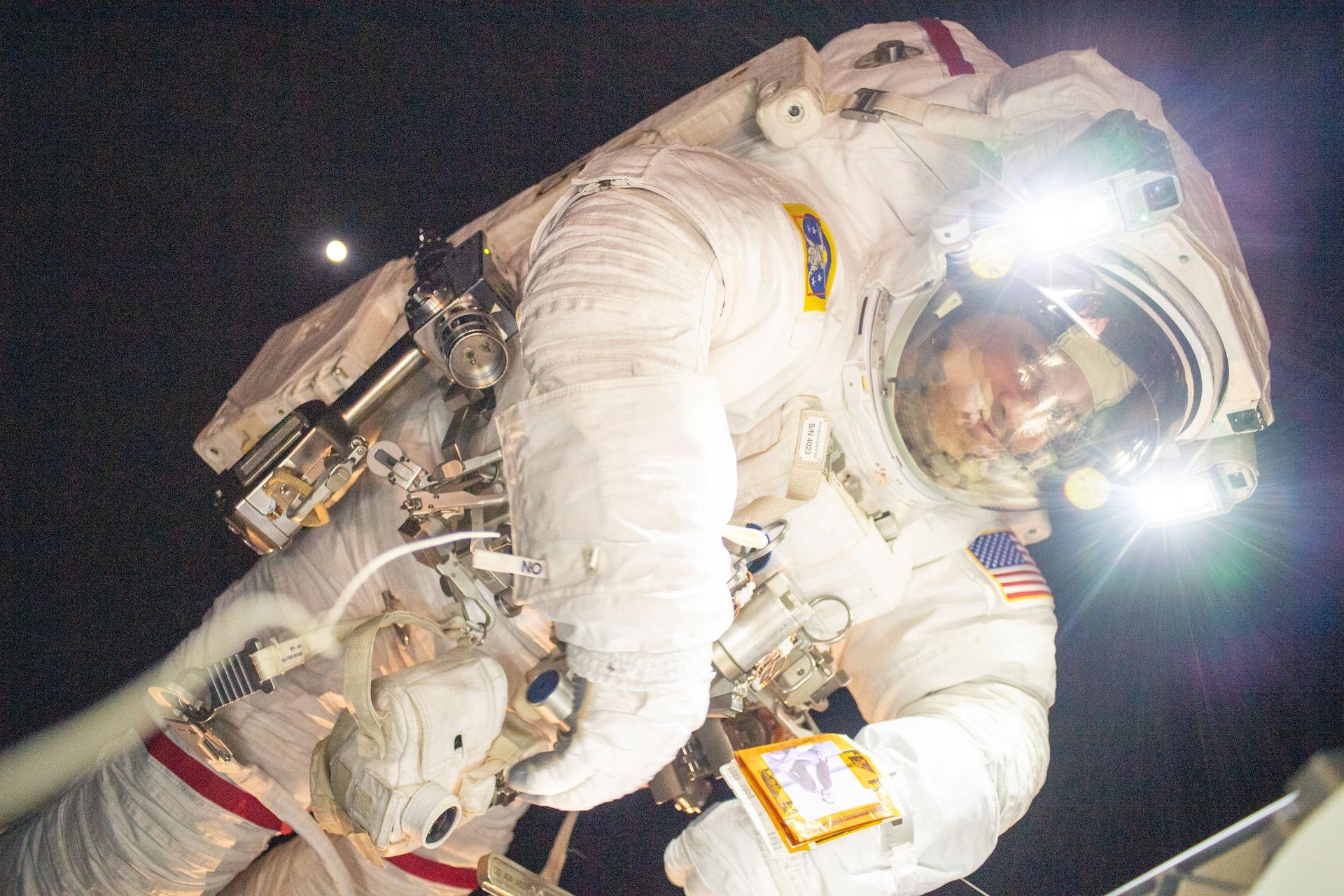
Luke Delaney worked in the Quest airlock, the compartment crews use to leave and re-enter the station. There he cleaned the cooling and ventilation systems in the two spacesuits that Menon and Kutryk wore on spacewalks on Oct. 29 and Nov. 5. Menon’s Oct. 29 outing was to install a new roll-out solar array on the station’s port side truss, as described in our report on the unrolled array and the second one due Nov. 5.
Delaney started his shift in the Kibo laboratory module, setting up the Life Science Glovebox, a sealed workspace for handling samples, for a plant study. The MVP-Plant-02 investigation will look at how plants respond to disease in microgravity, with the goal of learning how to sustain crews on future exploration missions.
On the Russian side: Crystals and AI transcription
Station commander Pyotr Dubrov studied how to manufacture high-purity semiconductor crystals in microgravity. He then joined Anna Kikina to practice using “super intelligence” tools to transcribe crew audio reports so mission controllers can review them on the ground. Sergey Teteryatnikov worked on orbital plumbing, then documented available stowage space and updated the inventory system.
What the cargo means on the ground
The most direct link to life on Earth is the microbiology work. According to a NASA station post from Nov. 10, Menon extracted and purified DNA from microbe samples, which were then stored in a science freezer until their return. The study examines how bacteria adapt to microgravity and may help researchers understand its effect on antibiotic resistance, a problem in hospitals worldwide. Analyzing the DNA in laboratories on the ground is only possible because the samples survive the trip home in cold storage.
The same post said Delaney collected water samples to check the safety and quality of the station’s drinking water, and that Dubrov and Kikina serviced three Russian Orlan spacesuits in the Poisk module to keep them ready for spacewalks. Another NASA post from Nov. 9 said a newly delivered spacesuit was readied for service in Quest while a second suit was packed into Dragon so engineers can examine it on Earth.
The work also clears room for the next delivery. NASA said Watkins cleared space in Kibo for a Northrop Grumman Cygnus XL cargo craft, expected in a few weeks. Keeping that cadence of arrivals and departures is what lets the seven crew members keep science running; for more on the routine behind it, see life aboard the International Space Station.