India’s GSLV-F18 puts NVS-03 navigation satellite into its planned orbit
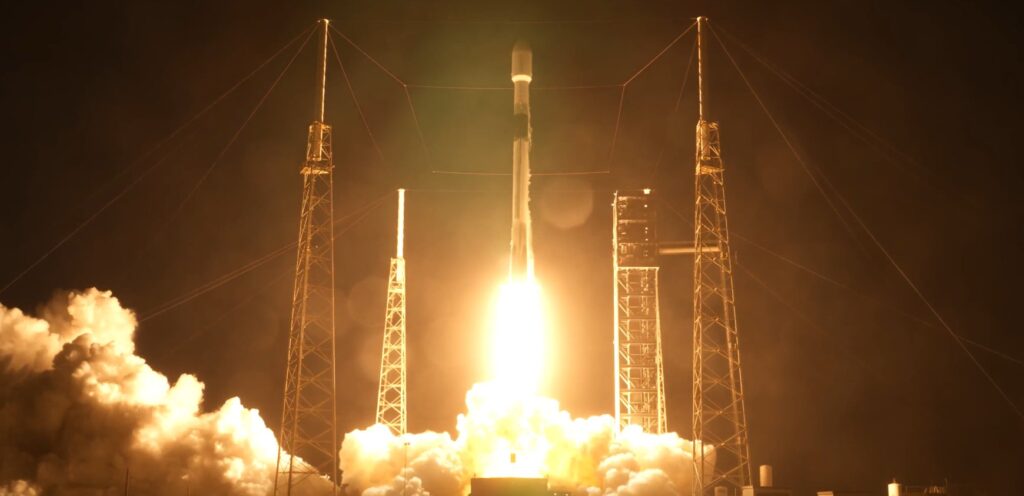
ISRO said its GSLV-F18 rocket placed NVS-03, the third satellite of India's next-generation navigation series, into the intended geosynchronous transfer orbit.
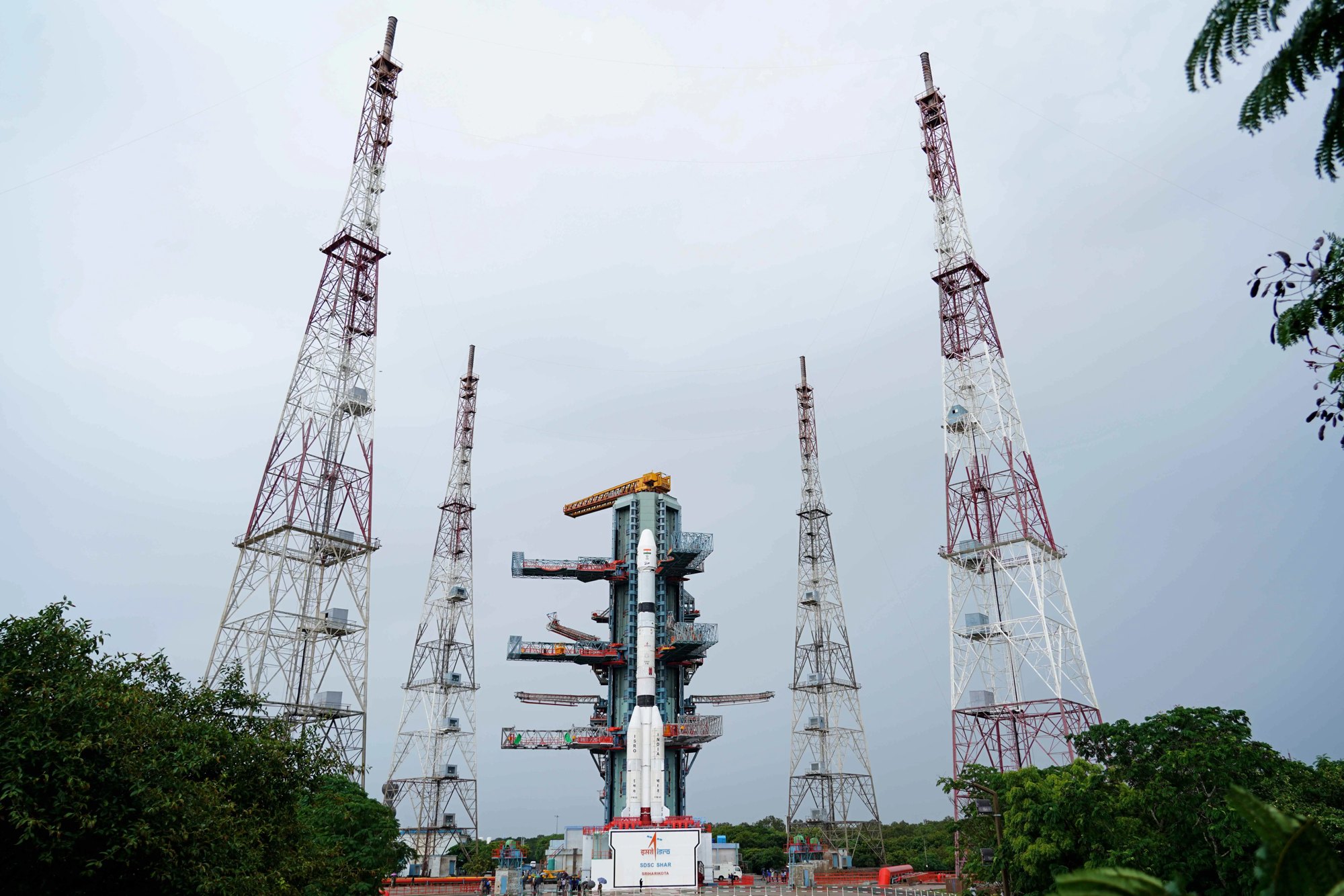
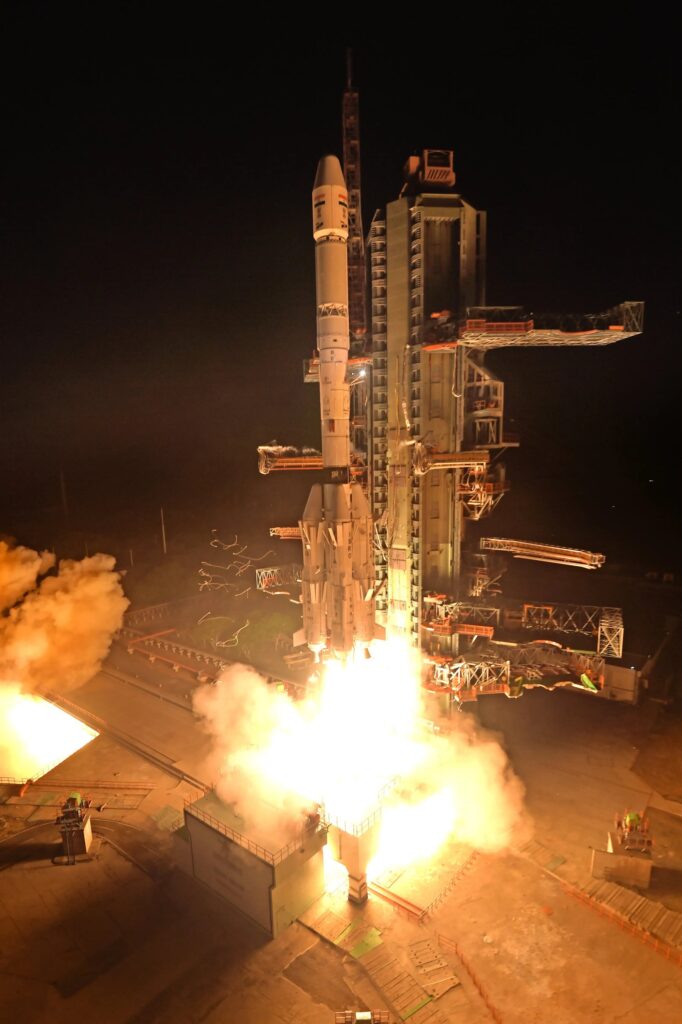
The Indian Space Research Organisation (ISRO) said its GSLV-F18 rocket successfully placed the NVS-03 navigation satellite into the intended geosynchronous transfer orbit, the first step toward its final position high above India.
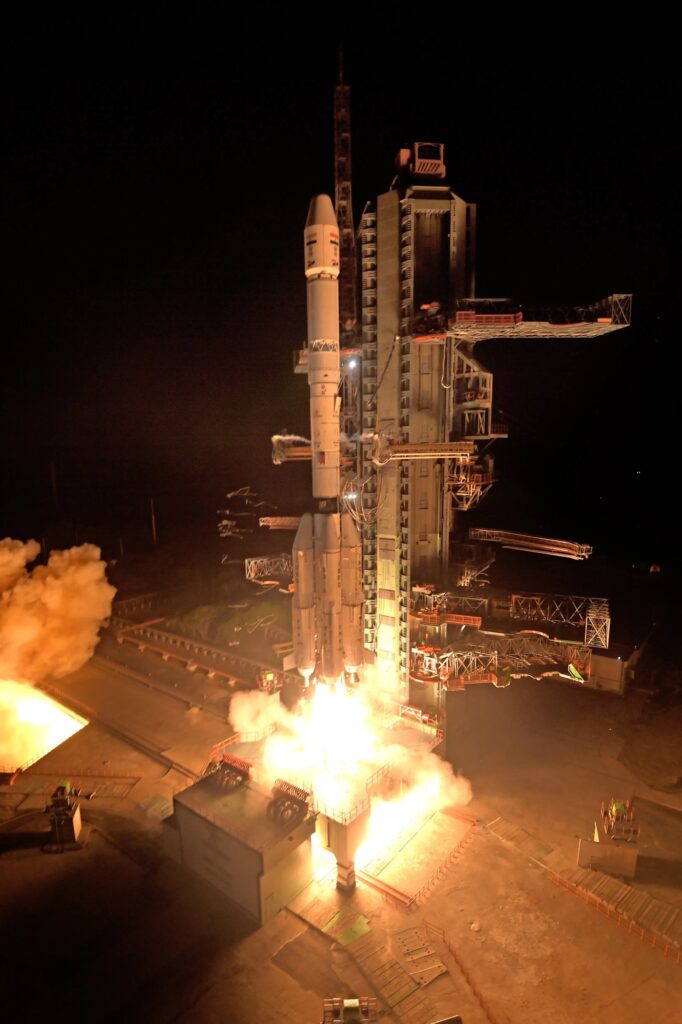
The launch came from the Second Launch Pad at the Satish Dhawan Space Centre in Sriharikota. ISRO’s earlier preview had set it for 18:21 UTC on Oct. 30 (23:51 India Standard Time), and the agency’s mission page now reports the satellite delivered to orbit. The date and the outcome are what ISRO has confirmed so far. For other flights coming up, see the rocket launch schedule.
What a transfer orbit means for this satellite
A geosynchronous transfer orbit is an elongated loop around Earth that reaches out to the altitude where a satellite can match Earth’s rotation. A rocket drops the satellite there; the satellite then fires its own engine to settle into a circular orbit. So the launch is complete, but NVS-03 still has maneuvers ahead before it can serve users. ISRO’s page does not describe that sequence or give dates for it.
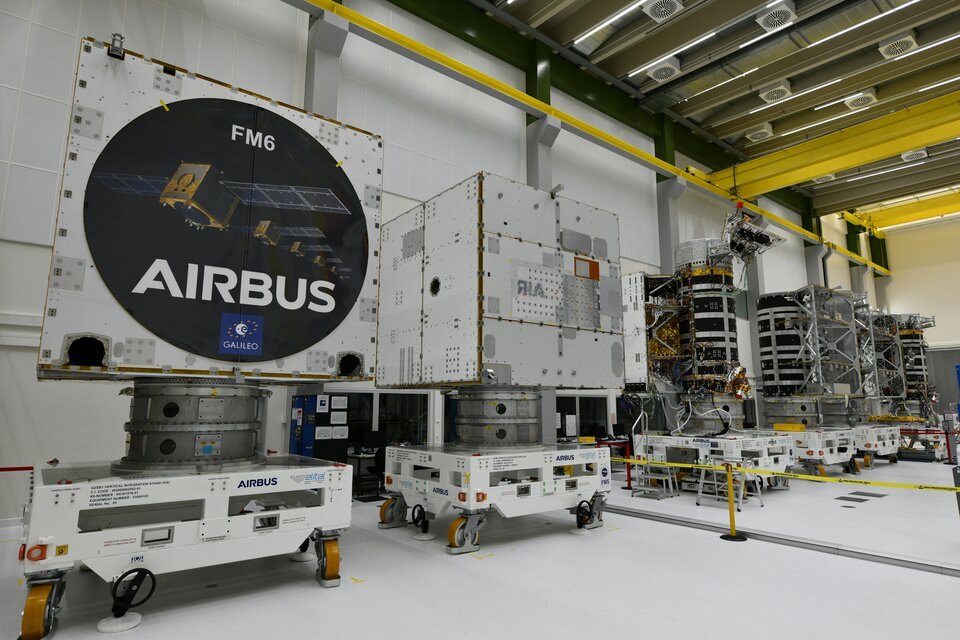
NVS-03 is the third satellite in ISRO’s next-generation navigation series, built to continue the services of the earlier IRNSS satellites, which are the spacecraft behind India’s regional positioning system. According to ISRO, it carries an indigenous atomic clock alongside atomic clocks that were procured. These clocks matter because a navigation satellite works by broadcasting extremely precise time signals; a receiver on the ground compares signals from several satellites to calculate where it is.
A new L1 signal, and the coverage area
The most visible change for users is a new signal. ISRO says NVS-03 adds an L1 signal to the L5 and S signals the system already uses. L1 is the frequency band used by GPS, which can make it easier for consumer devices to work with the Indian system alongside others. ISRO’s page does not spell out that benefit, so it remains an expectation rather than a stated result.
The service area, as ISRO describes it, covers India’s landmass and a region extending 1,500 km beyond the country’s geopolitical boundary. That is a regional system, not a global one, which is why a handful of satellites in geosynchronous orbits can serve it.
Twenty GSLV flights, and a series that keeps being replenished
GSLV-F18 was the 20th flight of the Geosynchronous Satellite Launch Vehicle, ISRO says. The rocket was designed to lift satellites to the high orbits that ISRO’s smaller workhorse, the PSLV, handles less comfortably. Twenty flights over the program’s life gives a sense of its measured cadence: GSLV is a vehicle flown when a specific heavy or high-orbit payload is ready, not a rocket launched every few weeks.
The mission also fits a pattern in India’s navigation program. The original IRNSS constellation is being renewed with a series that carries more modern clocks and an extra signal, and NVS-03 is the third of those satellites. Keeping such a constellation healthy depends on timely replacements, because the atomic clocks that define the service’s accuracy age in orbit. ISRO’s pages do not give a lifetime figure for NVS-03, so this report does not estimate one.
What ISRO has published
ISRO has posted a mission brochure, launch-streaming page and photo gallery for GSLV-F18, including pictures of the rocket on the pad and post-launch images. Details such as the satellite’s mass and the exact orbit parameters were not available in the pages reviewed for this report. Further technical updates are expected to come from ISRO as the satellite is moved toward its operating orbit.