Two astronauts will add a roll-out solar array to the station on Oct. 29
NASA's Anil Menon and CSA's Joshua Kutryk will leave the station on Oct. 29 to install a roll-out solar array, as the crew keeps up bioprinting and furnace research.
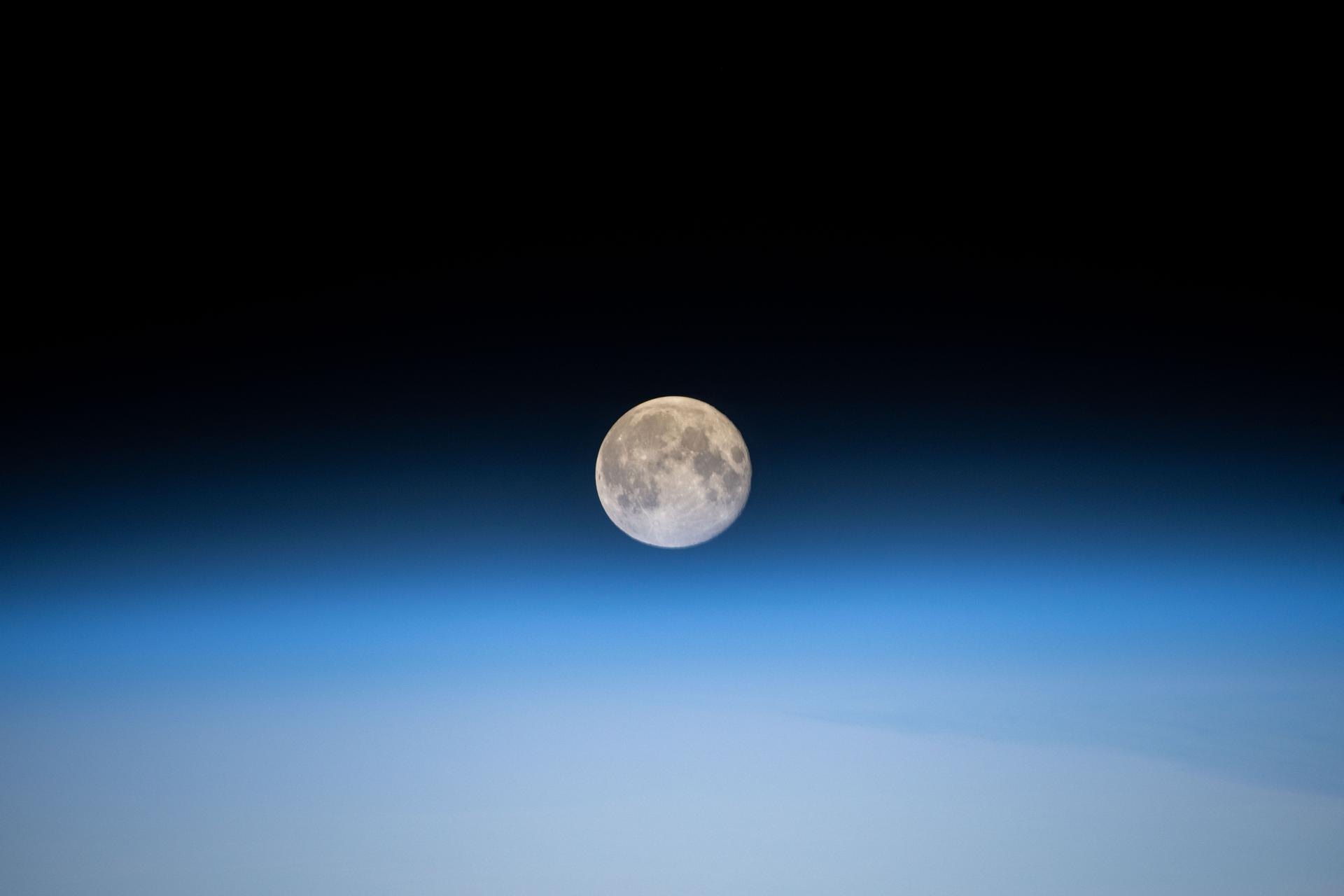
NASA astronauts Anil Menon and Joshua Kutryk of the Canadian Space Agency (CSA) will step out of the International Space Station on Thursday, Oct. 29, to install a roll-out solar array on its truss, the station’s long backbone structure, NASA said.
A spacewalk rehearsal and a crew at work on tissue and metals
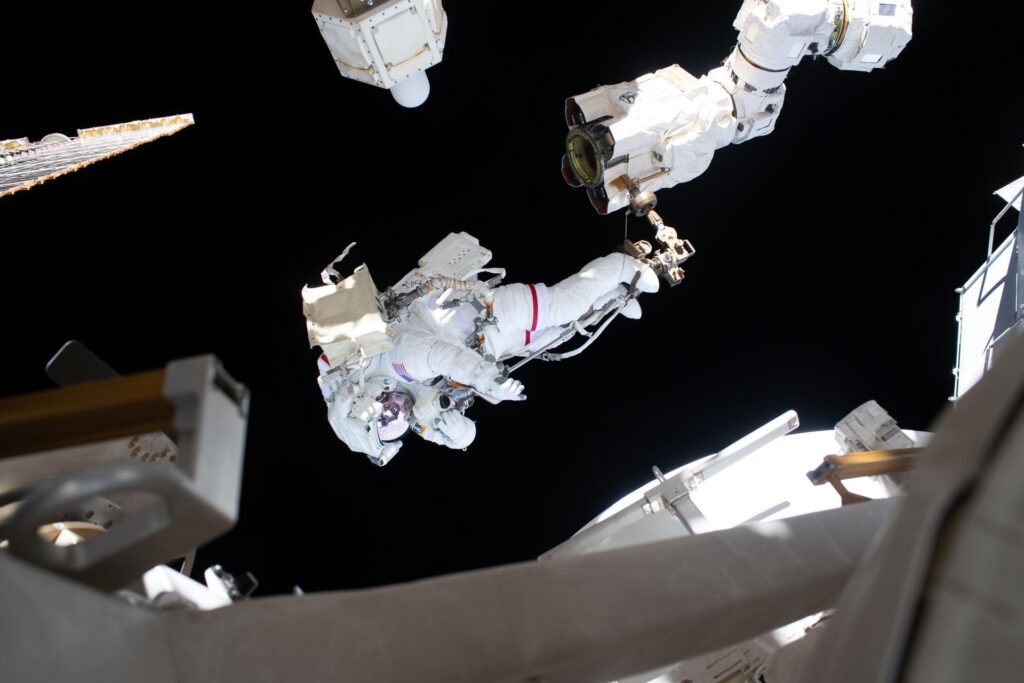
On Friday, Oct. 23, all four astronauts of the Expedition 75 crew held a spacewalk procedures conference with engineers on the ground. Menon and Kutryk will leave through the Quest airlock, the station’s exit hatch for spacewalks. Jessica Watkins and Luke Delaney also trained to run the Canadarm2 robotic arm, which will help the spacewalkers next week.
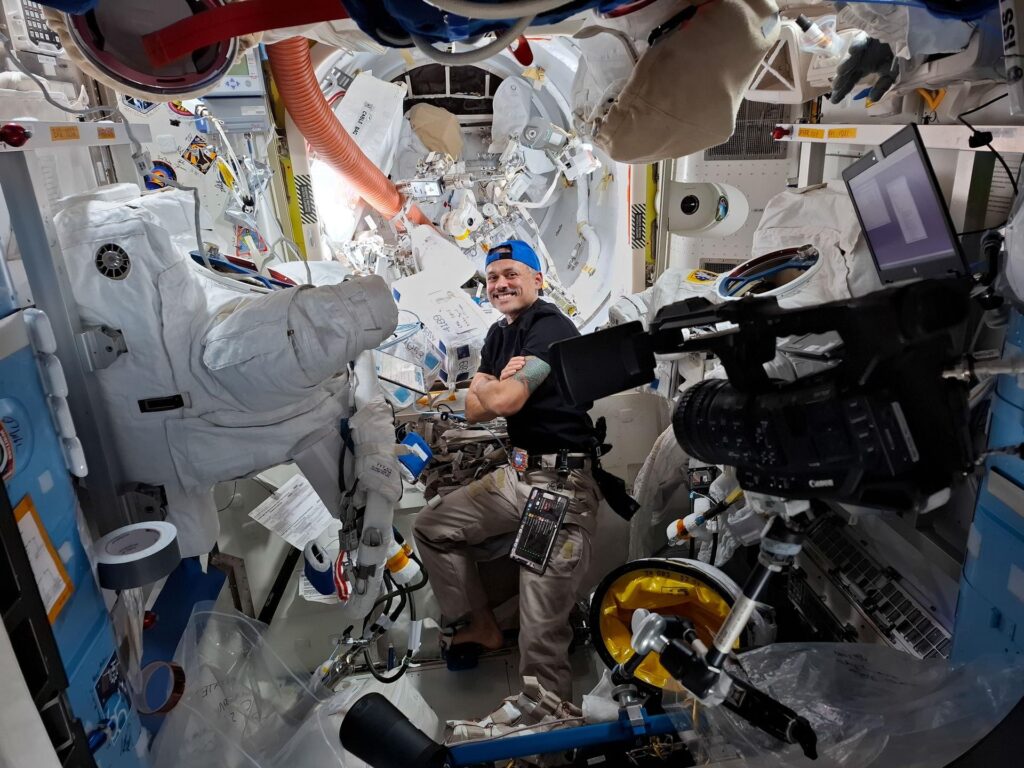
The research went on in parallel. Delaney set up the BioFabrication Facility, a 3D bioprinter, to continue turning vascular cell samples into newly printed blood vessels, and Menon processed the engineered human tissues so they could be nourished and cultivated. In a NASA post from Oct. 20, the agency described the printing as a run in the Columbus module in which cells were mixed with bioink and printed into blood vessel structures. It added that vascular cells printed in weightlessness are “vastly superior to those manufactured on Earth”, which could help researchers engineer human tissues and organs.
Kutryk swapped sample hardware in a research furnace that holds samples in the air with an electric field and heats them with lasers. Because nothing touches the sample, researchers can study very hot materials without a container contaminating them. Watkins tested backup water quality-testing hardware and a gas-flow controller.
The Roscosmos cosmonauts Pyotr Dubrov, Anna Kikina and Sergey Teteryatnikov finished a plasma crystal study, which looks at how highly charged gases interact with microscopic particles. They also serviced radiation detection gear and took blood pressure measurements.
Why the array matters: Up to 30 percent more power
The Oct. 29 outing is the first of two. NASA’s Oct. 20 post says Menon and Kutryk are scheduled for a second spacewalk on Nov. 5, and that both will install roll-out solar arrays on the truss, completing the upgrades to the station’s power generation system. Gaurang Patel, NASA’s Low Earth Orbit Program operations integration manager, said the arrays “increase our power generation capability up to 30 percent.” A roll-out array is a flexible solar blanket that unrolls from a compact bundle, which makes it easier to carry up and mount than a rigid panel.
Menon already has spacewalk experience this expedition. On Aug. 25, he and ESA astronaut Sophie Adenot spent six hours and 30 minutes replacing a failed high-speed antenna on the Z1 truss segment with a spare and making the connections needed to bring it online, according to NASA’s image caption. Before next week he has been preparing tools and tethers in the Quest airlock.
The station’s place in the Artemis plan
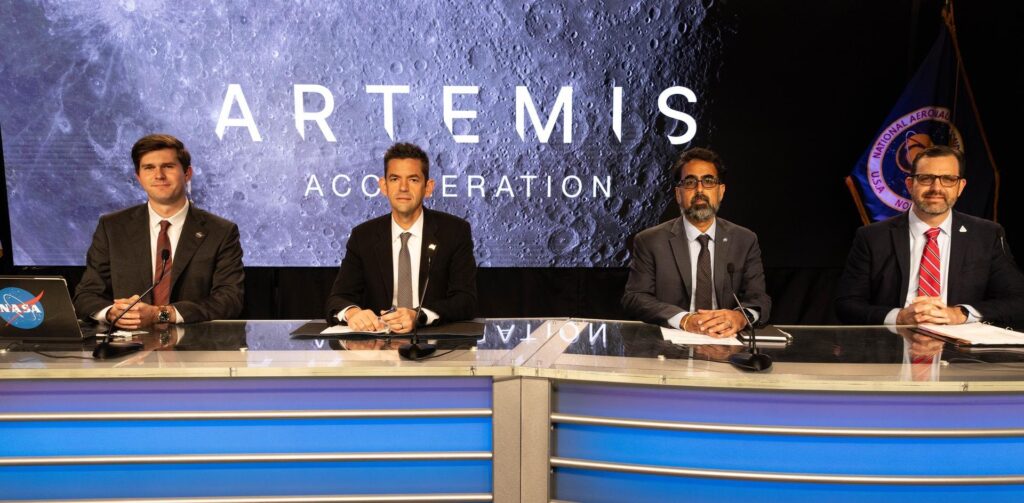
NASA’s post adds that the agency is pushing to put astronauts back on the Moon’s surface by 2028, and that it would give the status of upcoming crewed Moon missions on NASA+ at 2 p.m. EDT (18:00 UTC) on Oct. 23. The announcement itself was not part of the station post, so its details are not covered here.
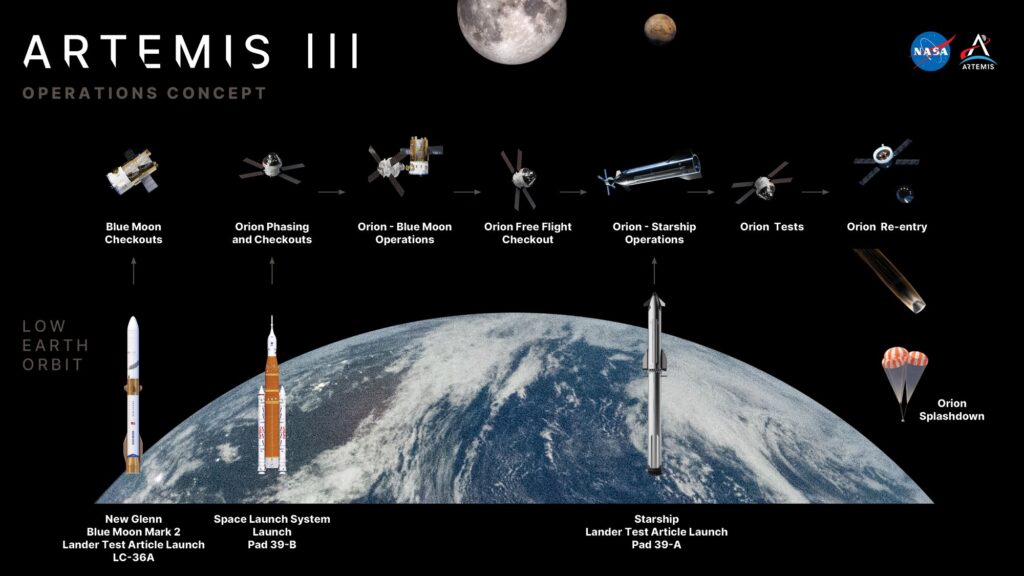
The hardware picture was already visible earlier this month. NASA reported on Oct. 13 that engineers finished stacking the Artemis III boosters on Sept. 30 inside the Vehicle Assembly Building at Kennedy Space Center. The twin solid rocket boosters supply more than 75 percent of the Space Launch System’s thrust at liftoff, and all four RS-25 engines are on the core stage. NASA plans to roll out a partial stack to Launch Pad 39B in the coming months for a tanking test, a rehearsal of loading propellant. The Artemis III crew, Randy Bresnick, Frank Rubio, Andre Douglas and ESA’s Luca Parmitano, will also rehearse launch day at the pad.
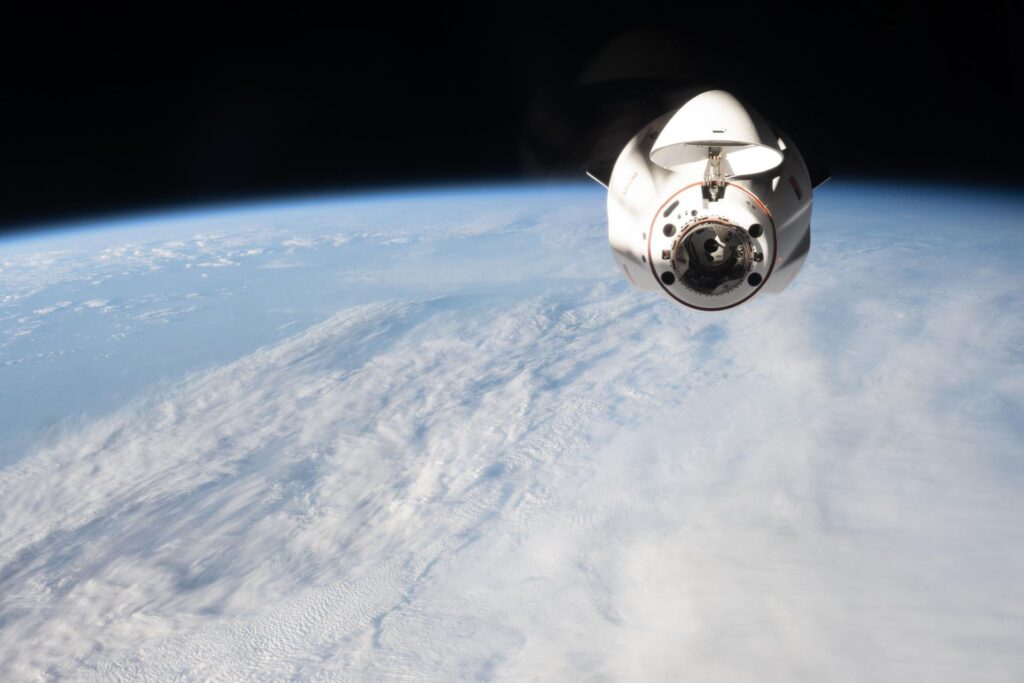
The station is also busy with deliveries. A Dragon cargo ship recently arrived, and we covered how its 6,300 pounds of cargo opened a science rush. More power on the truss helps keep that kind of work running, and NASA says the station is a key training ground for future trips to the Moon and, later, Mars.