Bennu’s amino acid carries the strongest isotope anomaly yet seen in space organics
Penn State researchers measured carbon atom by atom inside an amino acid from asteroid Bennu and the Murchison meteorite and found the same chemistry but different origins.
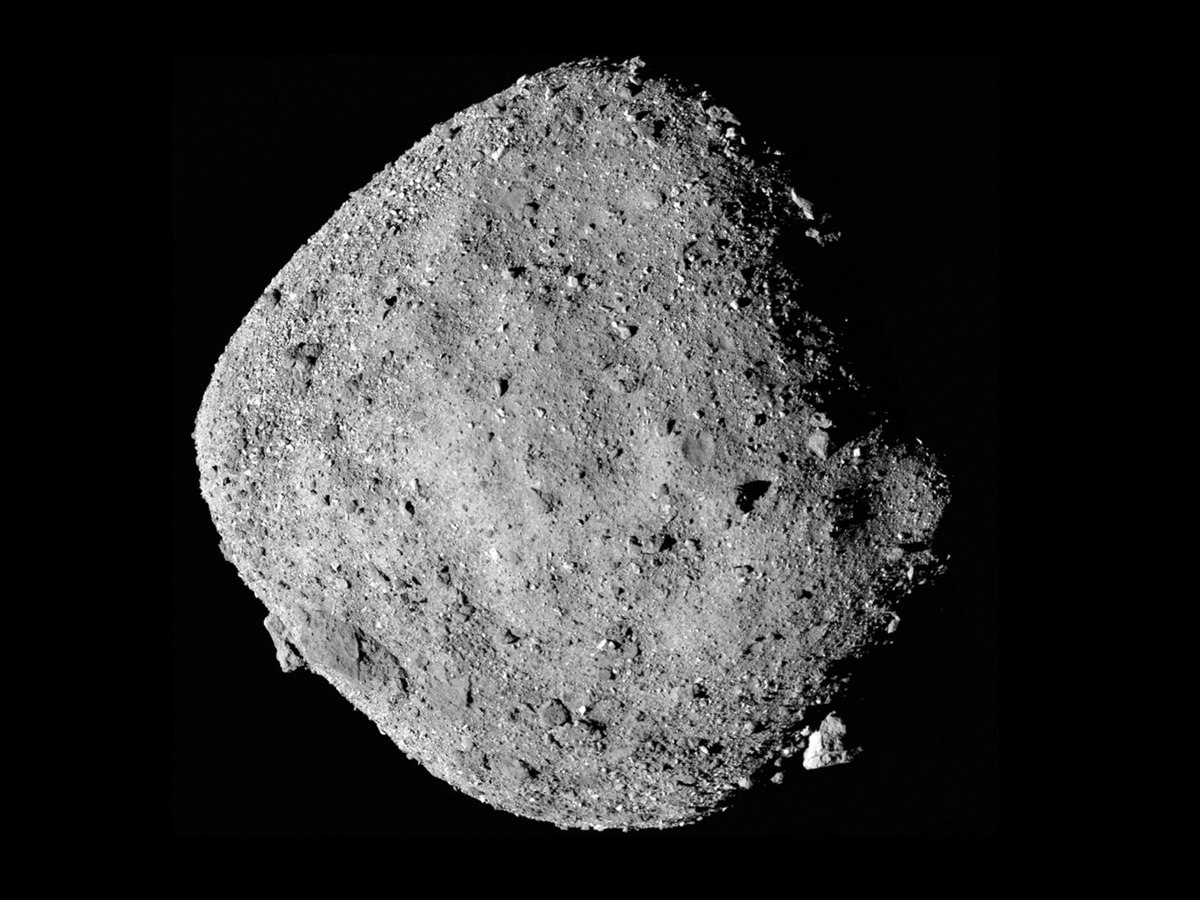
Penn State researchers have found that an amino acid in samples from asteroid Bennu holds the highest isotope anomaly ever recorded in an organic molecule from space, suggesting such molecules formed in different parts of the solar system, according to a Penn State release.
One molecule, three carbons, two very different stories
Amino acids are the molecules that link up to build proteins. The team studied beta-alanine, which is not one of the 20 amino acids that make proteins, but is produced naturally in the human body and is among the most abundant amino acids found in asteroid and meteorite samples. They compared it in two sources: a sample of Bennu delivered to Earth in 2023 by NASA’s OSIRIS-REx mission, which Penn State says is free of contamination from Earth, and the Murchison meteorite, which fell in 1969.
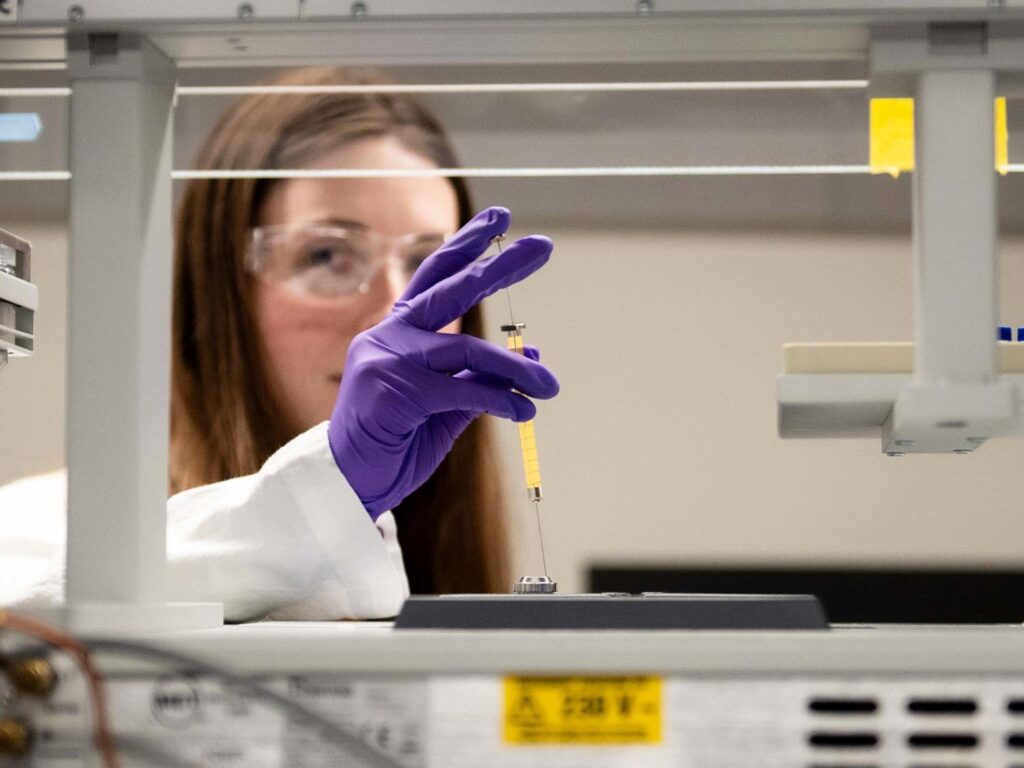
Isotopes are versions of the same element with different numbers of neutrons, and their ratios act as a fingerprint of where and how a molecule formed. Most isotope studies give one average for a whole molecule. On that measure, Bennu and Murchison looked nearly identical within the margin of error. The Penn State team instead measured the carbon atoms inside the molecule one position at a time, a method called intramolecular analysis. There the picture changed. Of beta-alanine’s three carbon atoms, one was highly enriched in neutrons while the other two were depleted, in both samples. The enriched carbon in Bennu was the highest anomaly ever recorded in an organic molecule from space.
The shared pattern points to related underlying chemistry, but the different values suggest the molecules formed in different parts of the solar system. The paper was published in Nature Communications Earth & Environment. The lead author is Ophélie Mcintosh, a former postdoctoral researcher at Penn State, and the principal investigator is Katherine Freeman. Freeman said she was “genuinely gobsmacked by the enormous isotope difference.”
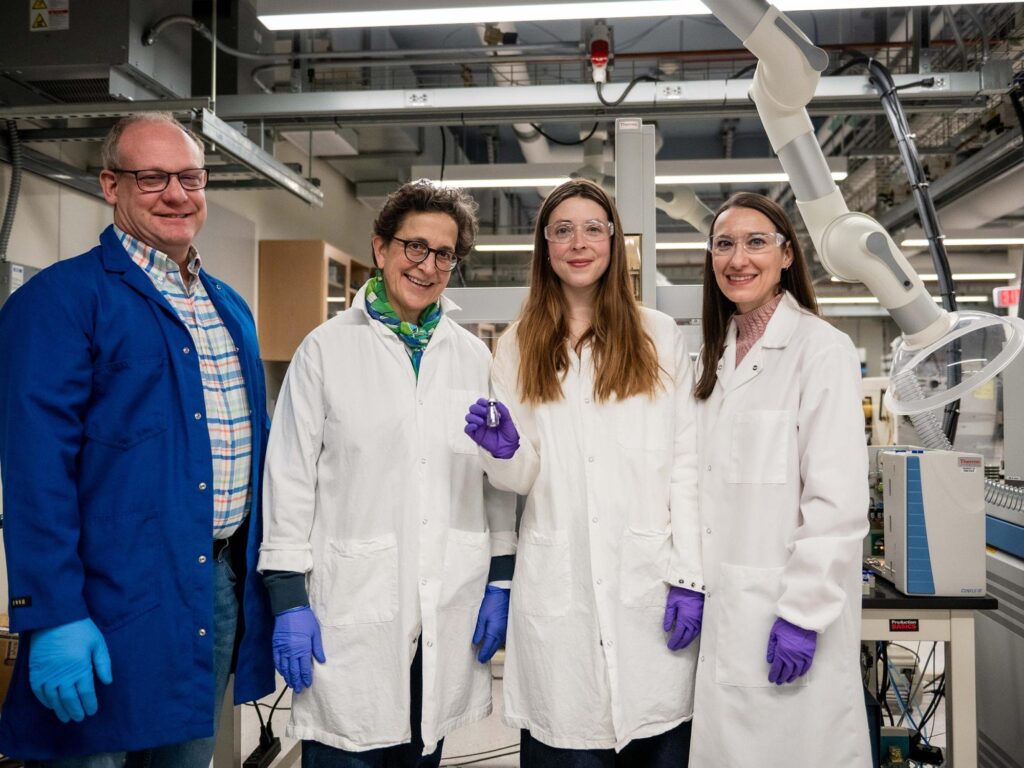
Christopher House, a co-author and professor of geosciences, said: “Isotope ratios provide a measurable tag that can link molecules to specific reservoirs or processes.”
Two instruments built for tiny samples
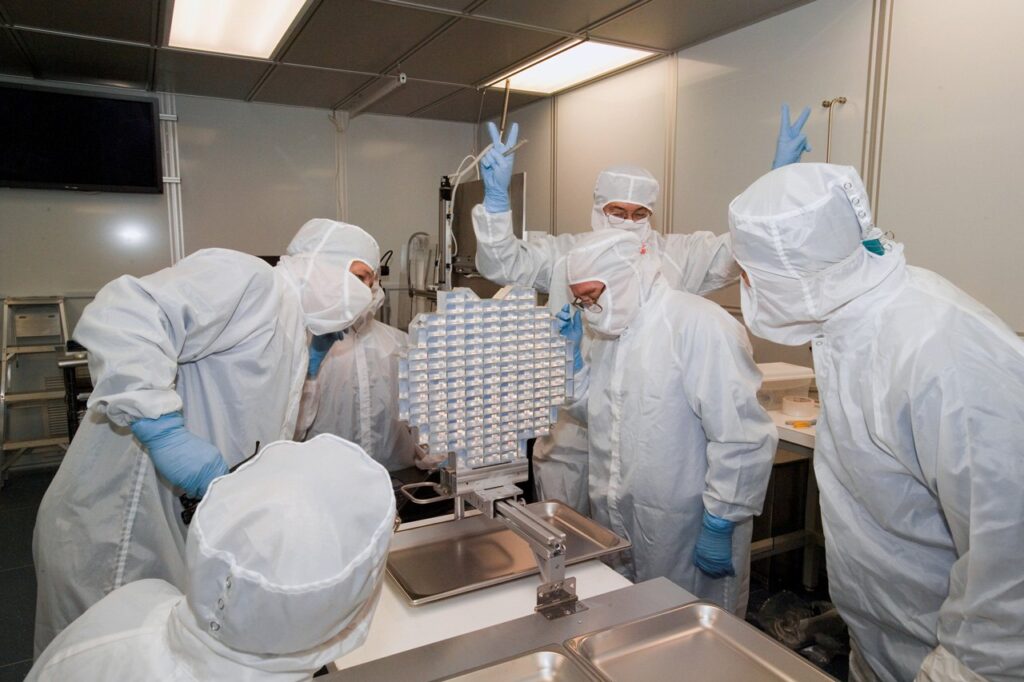
The work relied on two instruments: the pico-CSIA, which Penn State says exists only at the university and can analyze very small samples, and a modified GC-Orbitrap, which reads the isotope makeup at different positions inside a molecule. Small-sample methods matter here because the returned material is scarce. NASA reports that OSIRIS-REx brought back 121.6 grams of Bennu material, more than twice the mission’s requirement, and every study draws on that limited supply (NASA).
The team’s earlier work on glycine, the simplest and most abundant amino acid, suggested it may have formed in a harsh, cold environment. That cuts against the common view that life’s building blocks formed under warm, wet conditions.
What the split tells us about the early solar system
The analysis is a question of technical significance as much as chemistry. Averaged values hid a large difference that only atom-by-atom measurement exposed. If two samples can match on average yet differ so much inside one molecule, then bulk isotope data alone may have been masking the true diversity of where organics came from. Penn State says the carbon and nitrogen atoms in these molecules appear to come from different parts of the solar system, and Freeman suggested the molecules may have formed before Earth itself.
That bears on an old question: how did the ingredients of life reach the young Earth? Asteroids like Bennu and meteorites like Murchison are leftovers that carry material from that era. Bennu’s pristine sample, collected by a spacecraft rather than recovered from the ground, offers a clean comparison. For other kinds of small bodies, see our look at asteroid Apophis and its 2029 flyby.
NASA’s capsule landed at the Utah Test and Training Range on September 24, 2023, and the agency announced the 121.6-gram total in February 2024 (NASA). The Penn State measurements show how much more can be pulled out of that material years later.
The next experiments
Freeman said the next step is to study how processes in space, such as exposure to water, might change the order of isotopes within molecules. Mcintosh hopes the technique will spread to astronomy and other fields. The OSIRIS-REx mission itself has concluded, but amino acid research on asteroid and meteorite samples continues. The work was funded by NASA programs, including the New Frontiers Program that funded OSIRIS-REx.
Co-authors include researchers from Penn State, the University of Texas at Austin, NASA’s Goddard Space Flight Center, Rowan University and the University of Arizona.