ispace wins JAXA study for a solar tower to power the Moon’s south pole
Japan's space agency has selected ispace to define requirements for a tower-mounted solar array meant to supply tens of kilowatts near the lunar south pole.
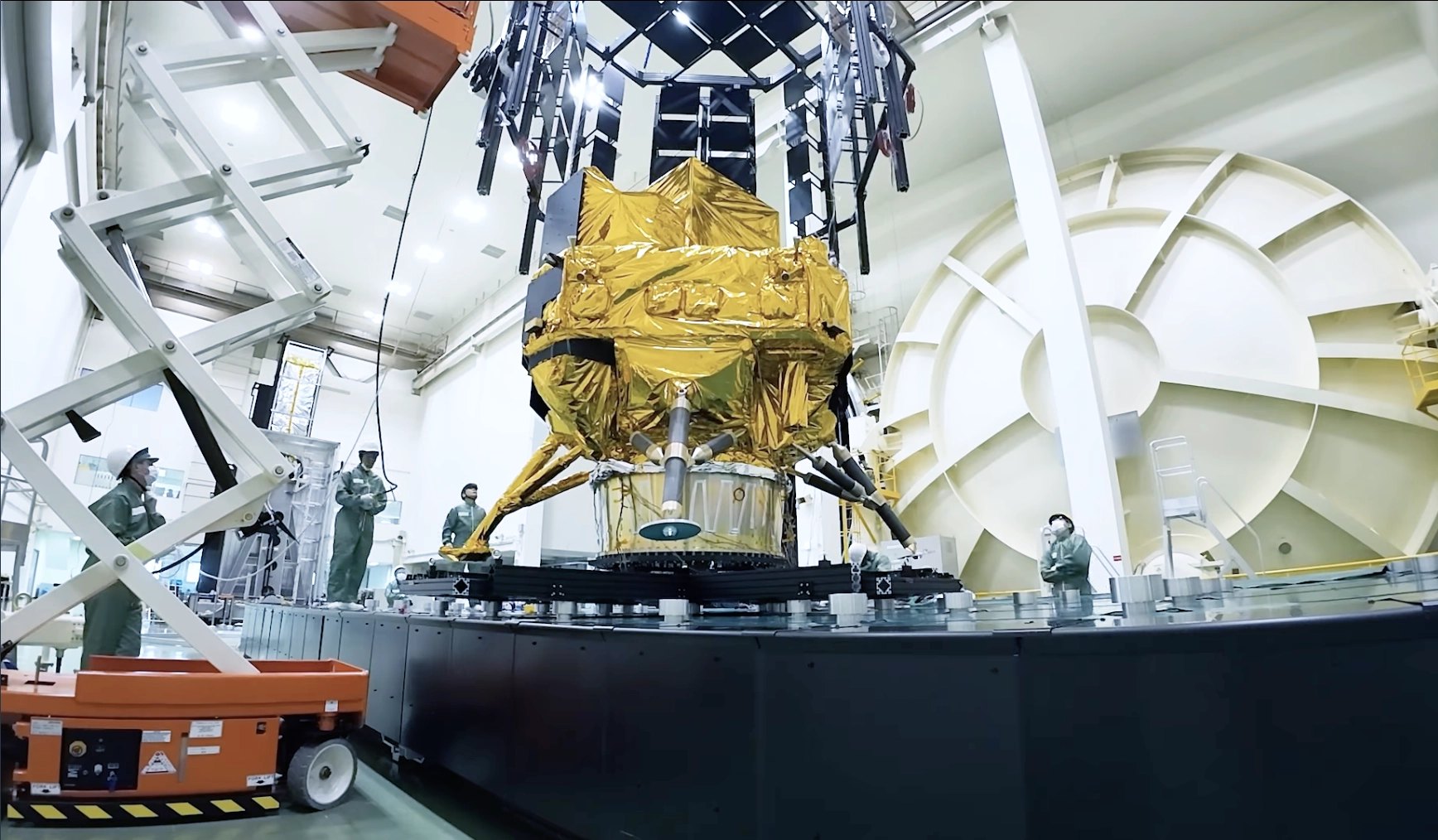
Japan’s space agency JAXA has selected Tokyo-based ispace to carry out the conceptual design of a lunar solar power tower, a structure meant to supply electricity near the Moon’s south pole. JAXA anticipates a launch in fiscal 2030 or later.
A tall array for a place where the Sun never climbs high
Near the lunar poles the Sun sits very low on the horizon all the time, so sunlight reaches the ground at a shallow angle. Ordinary solar panels lying on the surface collect little under those conditions, and nearby terrain easily casts them into shadow. JAXA is therefore studying a power system that mounts solar arrays on a tower, lifting them higher into the light.
The solicitation is titled “Conceptual Design for the Realization of a Lunar Solar Power Tower (Parts A-B)”. It asks for work that defines the system requirements, specifications and project plans needed to build such a tower. A conceptual design is the earliest design stage: it sets what the system must do and how it connects to other hardware, long before anything is built.
JAXA has projected that lunar exploration activities will need power on the order of tens of kilowatts by the early 2030s. A kilowatt is roughly what a small household appliance draws, so tens of kilowatts is a modest amount on Earth but a large one for a lander, rover or outpost that must run through months of operation. JAXA plans to use the study to refine its design approach for the next fiscal year and beyond.
What ispace will actually design
According to ispace, it is still to finalize a contract with JAXA, which will follow the selection. Once it is signed, the company will work with partner companies, which the release does not name, on the tower and on a power distribution system for equipment on the lunar surface.
ispace says it will contribute to defining system requirements and specifications, the interfaces with lunar landers, and plans for future development. The interface with landers matters because a tower has to be delivered to the Moon and set up there, so its design depends on what a lander can carry and how it can unload it.
The company drew a wider line from this work to its business. Founder and CEO Takeshi Hakamada said that power, communications and positioning will matter more and more “alongside transportation” as activity on the surface grows. ispace is pursuing business opportunities in infrastructure on the surface and in cislunar space, meaning the region between Earth and the Moon.
Japan’s bid for a role in the south polar program
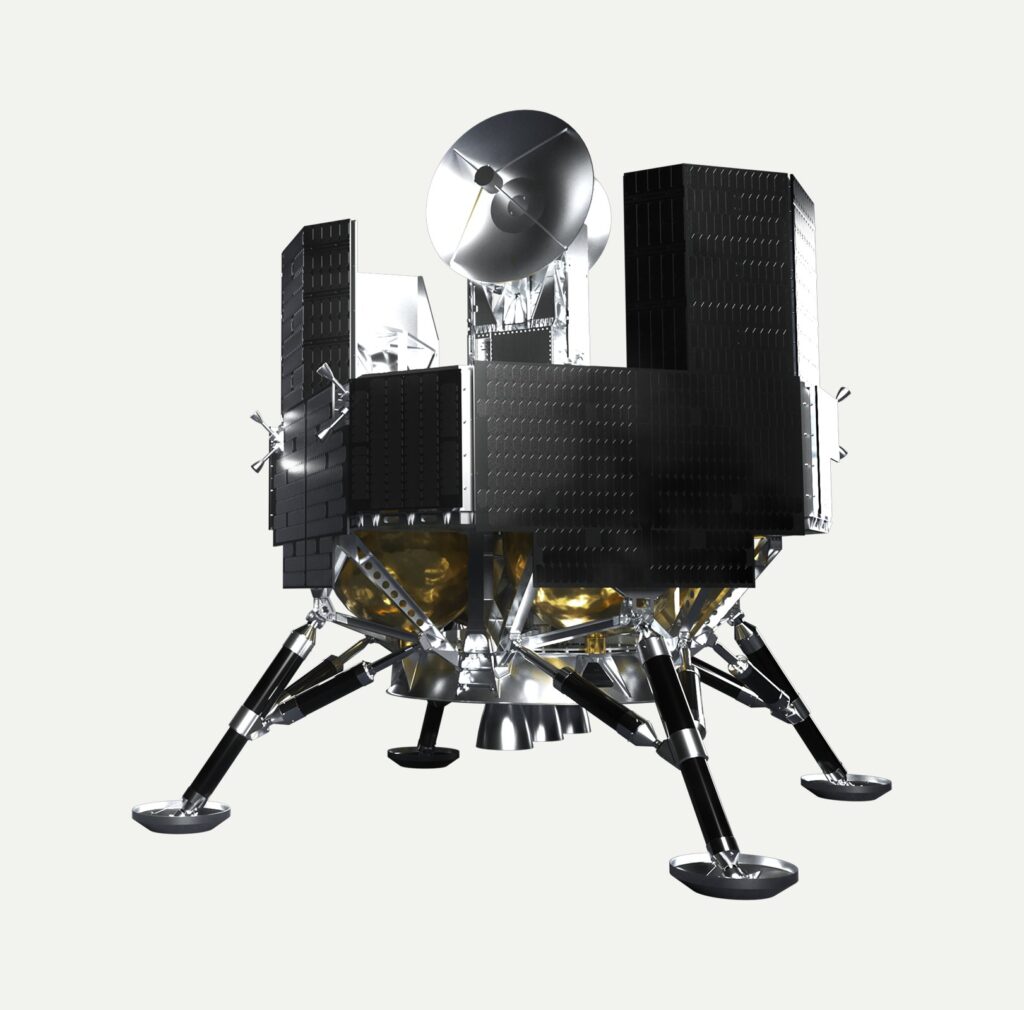
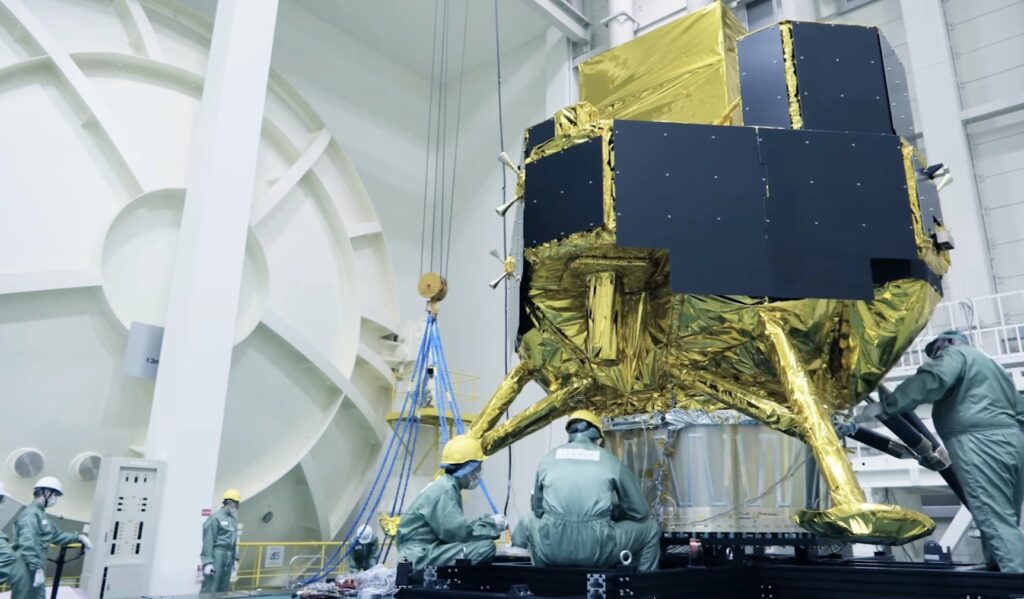
The tower fits a pattern in which a Japanese company moves from delivering payloads toward supplying the services that surround them. ispace’s own landers are the vehicles that could carry such hardware. According to the company’s Mission 3 page, its next lander, called ULTRA, is about 3.6 m high and about 1,000 kg dry, with a planned launch in 2028. The page says the lander is funded by a grant from Japan’s Ministry of Economy, Trade and Industry, and describes it as the largest allocation to date under that small-business innovation scheme.
The south pole is also where JAXA’s own science plans point. Its Lunar Polar Exploration Mission, run with India’s space agency ISRO, is listed as launching no earlier than 2028. Its goal is to measure the quantity, distribution and form of water at the lunar poles, to judge whether it could support sustainable exploration. JAXA’s page lists NASA and ESA instruments among the contributors. A tower study aimed at 2030 or later would sit just after that mission, and the water such missions look for is exactly what sustained operations there would want to use.
Power is also a place where other nations have set their own targets. NASA, for one, has been planning a nuclear reactor on the Moon by 2030. A solar tower and a reactor are different answers to the same problem of a long lunar night and poor sunlight, and a Japanese-designed tower would give Japan an infrastructure product of its own rather than only a seat on other nations’ missions.
What is still open
The selection is not yet a signed contract, and the release gives no value for the work, no length for the study, no tower height and no power target for the tower itself beyond JAXA’s general estimate of tens of kilowatts. Those details will probably emerge once the contract is final and the partner companies are named. For now, the outcome of this study is a set of requirements and plans, not hardware.