Cygnus XL No. 25 is set to fly Nov. 29, carrying cancer and muscle-loss studies
NASA is targeting Nov. 29 for the launch of Northrop Grumman's 25th station resupply mission, with cancer, muscle-loss and radiation experiments aboard.
NASA is targeting Nov. 29 for the launch of Northrop Grumman’s Cygnus XL cargo spacecraft to the International Space Station, and has opened media accreditation for the flight, according to a NASA media advisory.
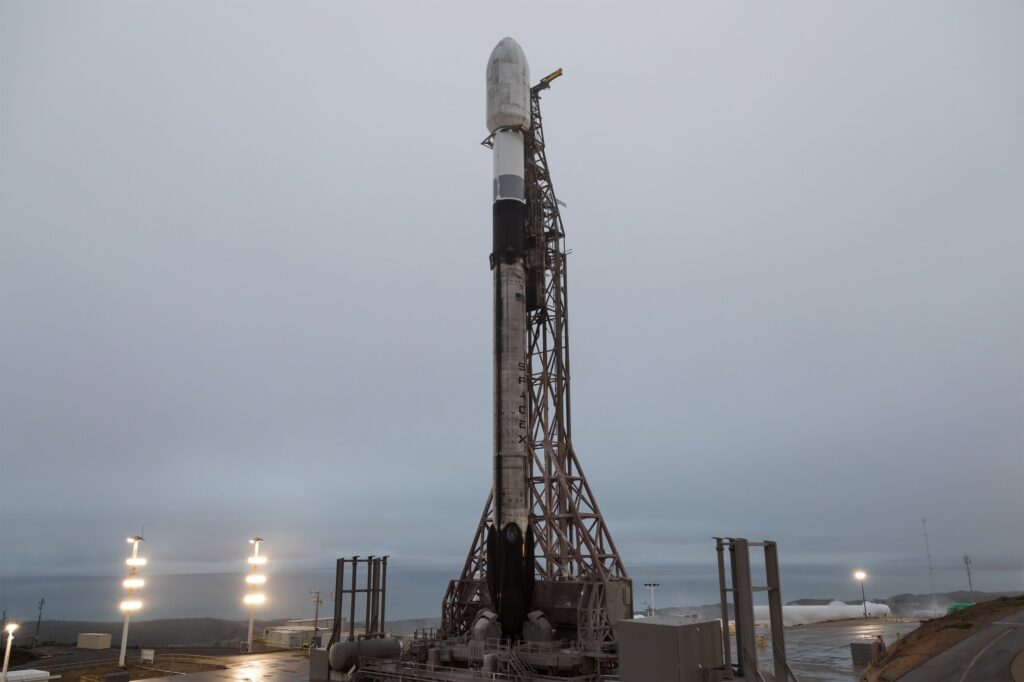
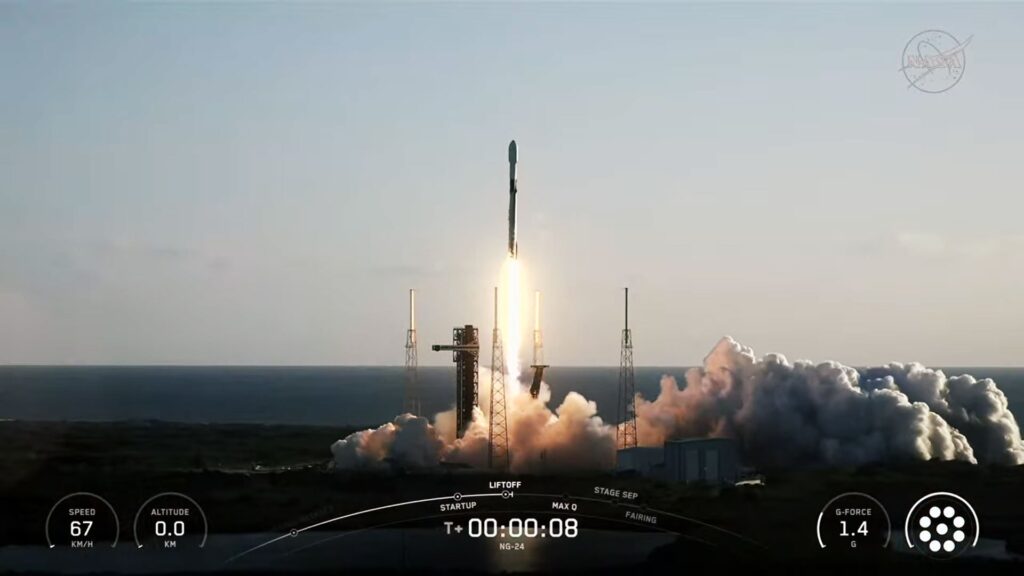
The mission, called Northrop Grumman Commercial Resupply Services 25 (CRS-25), is scheduled to lift off no earlier than 10:49 a.m. EST (15:49 UTC) on Sunday, Nov. 29. A SpaceX Falcon 9 rocket will fly from Space Launch Complex 40 at Cape Canaveral Space Force Station in Florida. The date and time are targets and can still move; the full set of upcoming dates is on our rocket launch schedule.
Arm capture, then six months parked at Unity
After launch, astronauts aboard the station will use the Canadarm2 robotic arm to grab Cygnus as it approaches, rather than docking it directly. They will then attach it to the Earth-facing port of the Unity module, where the crew unloads the cargo. NASA says the spacecraft will stay until May 2027. It is Northrop Grumman’s 25th spacecraft built to deliver supplies to the station under its NASA contract.
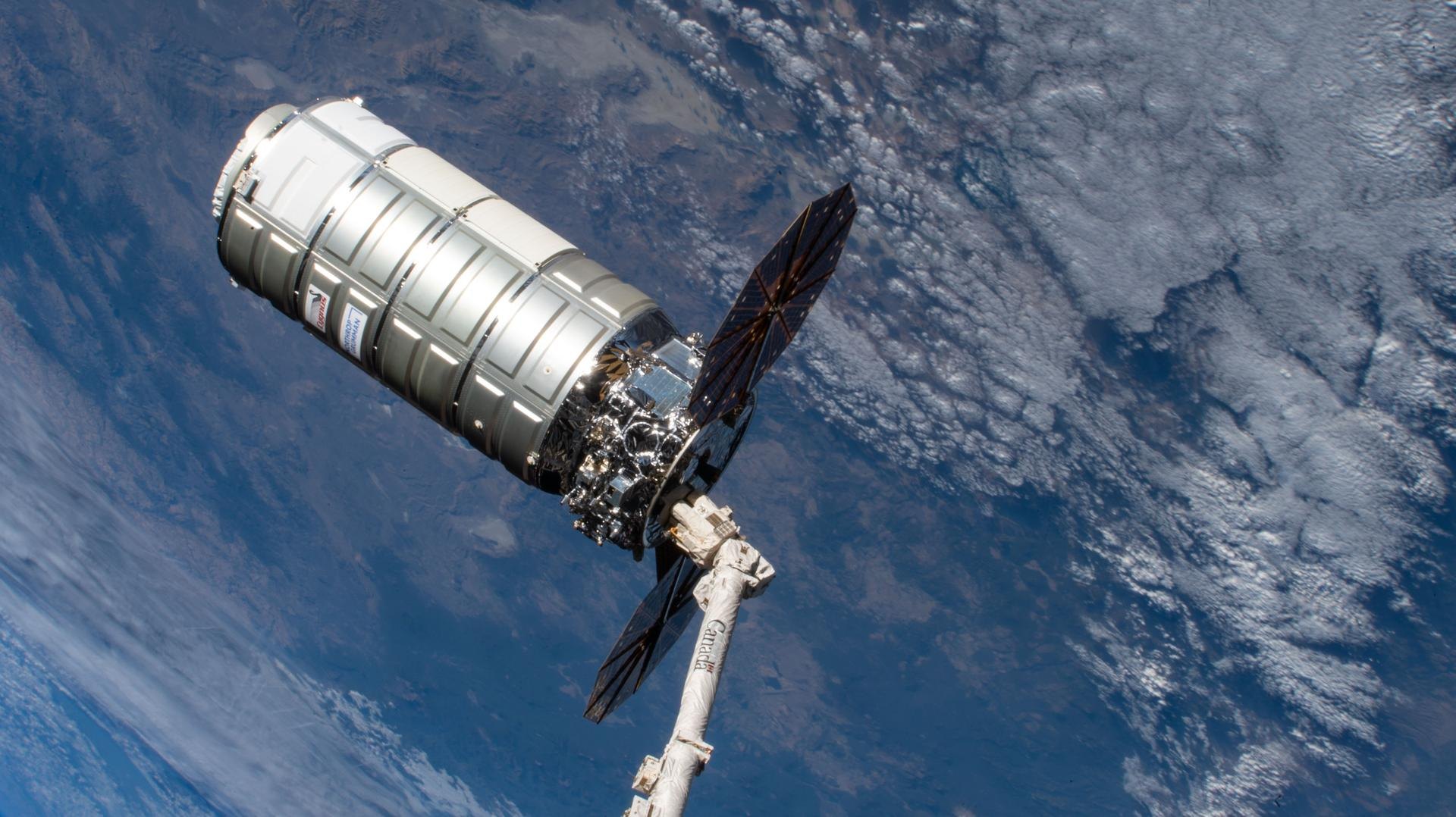
The previous Cygnus XL has only just left. NASA released a photo showing that spacecraft in the grip of Canadarm2 on Oct. 9, 2026, moments before release into orbit, after a nearly six-month stay at Unity. The station was 263 miles above the Indian Ocean, off the coast of Madagascar, at the time.
DNA-shaped particles, muscle cells and a radiation sensor
Along with food, supplies and crew equipment, the spacecraft will carry several new experiments, NASA said:
- Equipment for making very small particles modeled on DNA in orbit, work that researchers hope will lead to better ways of delivering drugs for cancer and osteoarthritis.
- A study that aims to forecast whether a given patient’s cancer will spread elsewhere in the body, which could help doctors choose treatments.
- Human muscle cells plus medications, used to test therapies for the muscle wasting that comes with spaceflight and with aging on the ground.
- A small radiation detector intended to make future crews safer.
Every resupply flight brings research across biology, Earth and space science, physics and chemistry, and new technology tests. NASA says cargo flights from U.S. companies give the country its own way to send science to the station.
Two Cygnus flights in one year, one berth
Unity’s Earth-facing port is a shared resource. The station has limited berths, and the cargo vehicles that reach it must take turns. According to NASA’s CRS-24 release, the Cygnus XL that is now gone launched on April 11, 2026, with about 11,000 pounds of cargo. It was scheduled to stay until October and then leave to burn up on re-entry with trash aboard. The pattern is a roughly six-month cycle: a Cygnus arrives, is emptied and refilled with waste, and departs, so the next can take the same port.
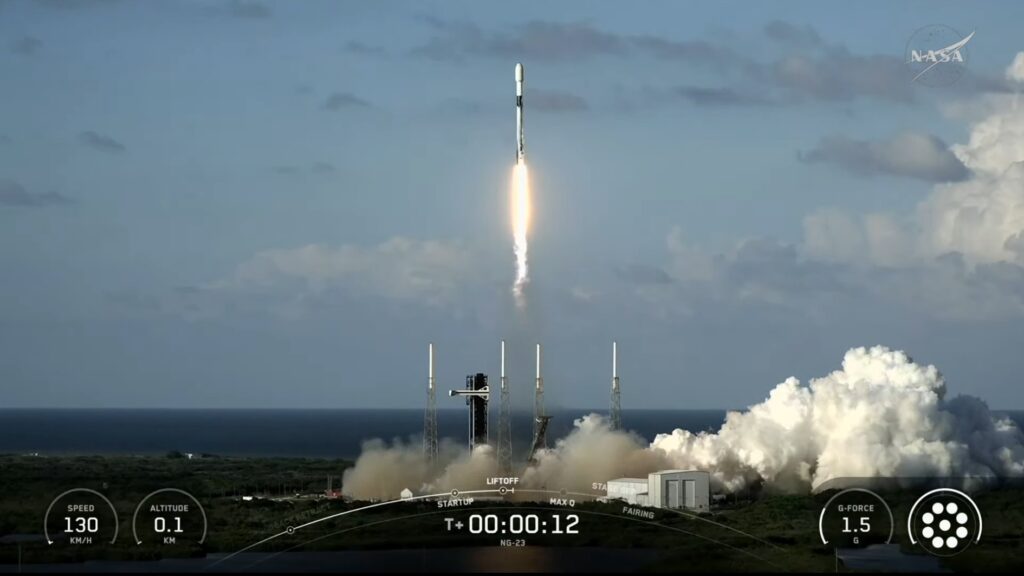
Cygnus XL is also tied to SpaceX in a way earlier versions were not. NASA’s CRS-23 release shows the first Cygnus XL, in September 2025, also rode a Falcon 9, and CRS-24 and now CRS-25 follow suit. The vehicle carries more than 11,000 pounds, per NASA, so one rocket choice affects a large share of the station’s annual supply flow.
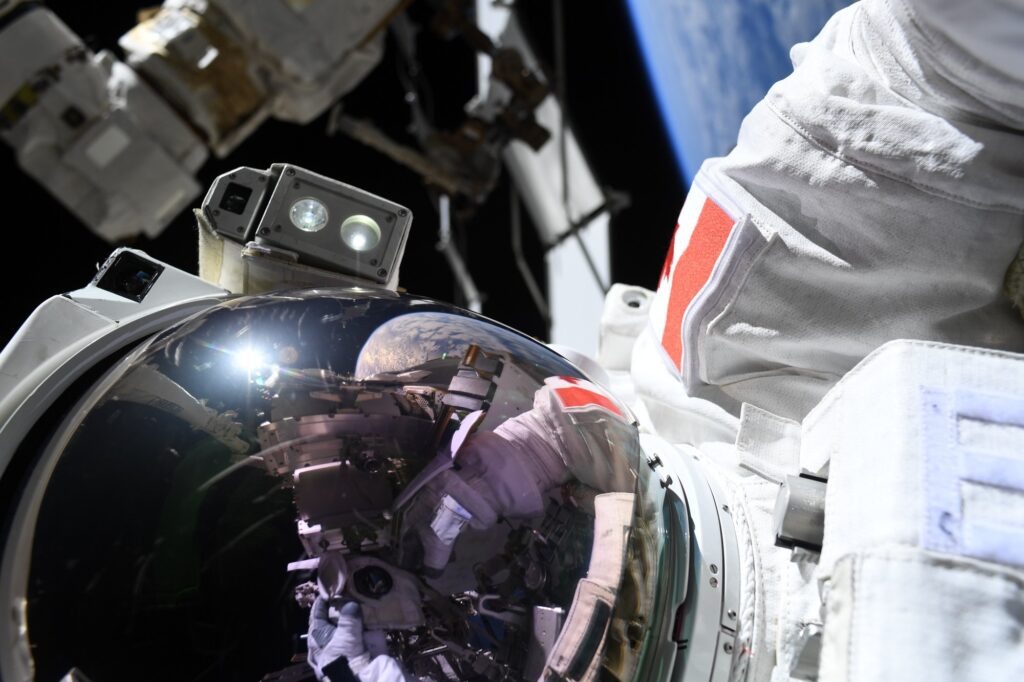
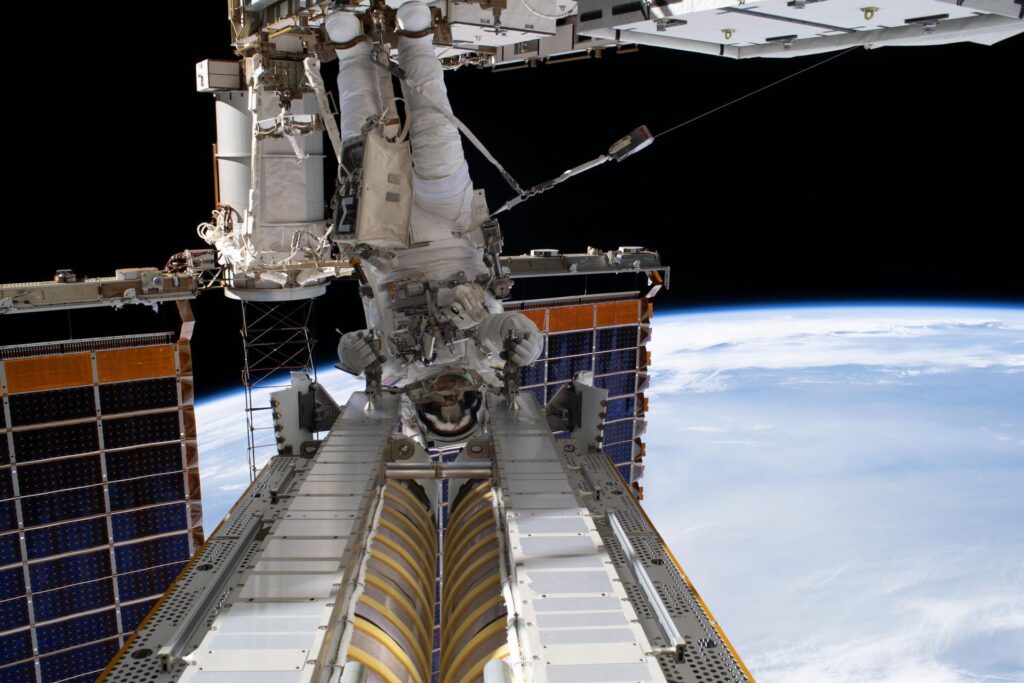
The station itself is busy around this flight. Our reports covered Canada’s Joshua Kutryk spending 7 hours 11 minutes outside on a spacewalk and a new solar array already unrolled, with another due Nov. 5.
How to apply for credentials
Accreditation to cover prelaunch and launch activities is open to U.S. media. The deadline for U.S. citizens is 11:59 p.m. EST on Thursday, Nov. 12, and requests must be submitted online at media.ksc.nasa.gov. Approved applicants receive a confirmation email. Questions go to [email protected], or to the Kennedy Space Center newsroom at 321-867-2468.
NASA also used the advisory to describe the station’s wider role. The station has been continuously crewed for 26 years, and NASA calls it a testbed for the challenges of long-duration spaceflight. With commercial companies taking over crew transport and destinations in low Earth orbit, NASA says it is putting its own resources into deep space missions to the Moon under Artemis and Moon Base, as groundwork for the first astronaut missions to Mars.