NASA picks 3 firms for up to $1.07 billion to replace aging relay satellites
Astranis, Global Enterprise Solutions and Viasat can each earn up to hundreds of millions of dollars to design Ka-band relays that serve existing NASA spacecraft without changes to those craft.

NASA has selected three companies to develop Ka-band space relay concepts, with a combined maximum value of about $1.07 billion if every option is exercised. The agency announced on Nov. 4 that Astranis, Global Enterprise Solutions and Viasat won the awards.
Three contracts, one goal: Keep old spacecraft talking
A space relay is a communications satellite that passes data between a spacecraft and the ground, so the spacecraft does not need to see a ground station directly. Ka-band is a high-frequency radio band that carries a lot of data. NASA wants Ka-band relay service that works with spacecraft already in orbit, so that their onboard systems do not have to be modified.
The maximum potential values, which include all future options, are:
- Astranis Space Technologies Corp.: $264.3 million
- Global Enterprise Solutions Inc.: $340.4 million
- Viasat Inc.: $460.9 million
The awards fall under the Next Space Technologies for Exploration Partnerships-3 Broad Agency Announcement, Appendix E. They are firm-fixed-price contracts, meaning the price is set in advance. NASA also has the option to add funding, up to each award limit, to move from early concept development and risk reduction to a flight demonstration in orbit.
The first period of work runs from Nov. 4 through May 3, 2027. Priced options could extend the work through 2029.
Why NASA is buying a service instead of building satellites
NASA said it aims to acquire end-to-end solutions covering space, ground, launch, operations and integration, as one of many customers in the commercial marketplace. The work is run through the Communications Services Project of the agency’s SCaN (Space Communications and Navigation) program.

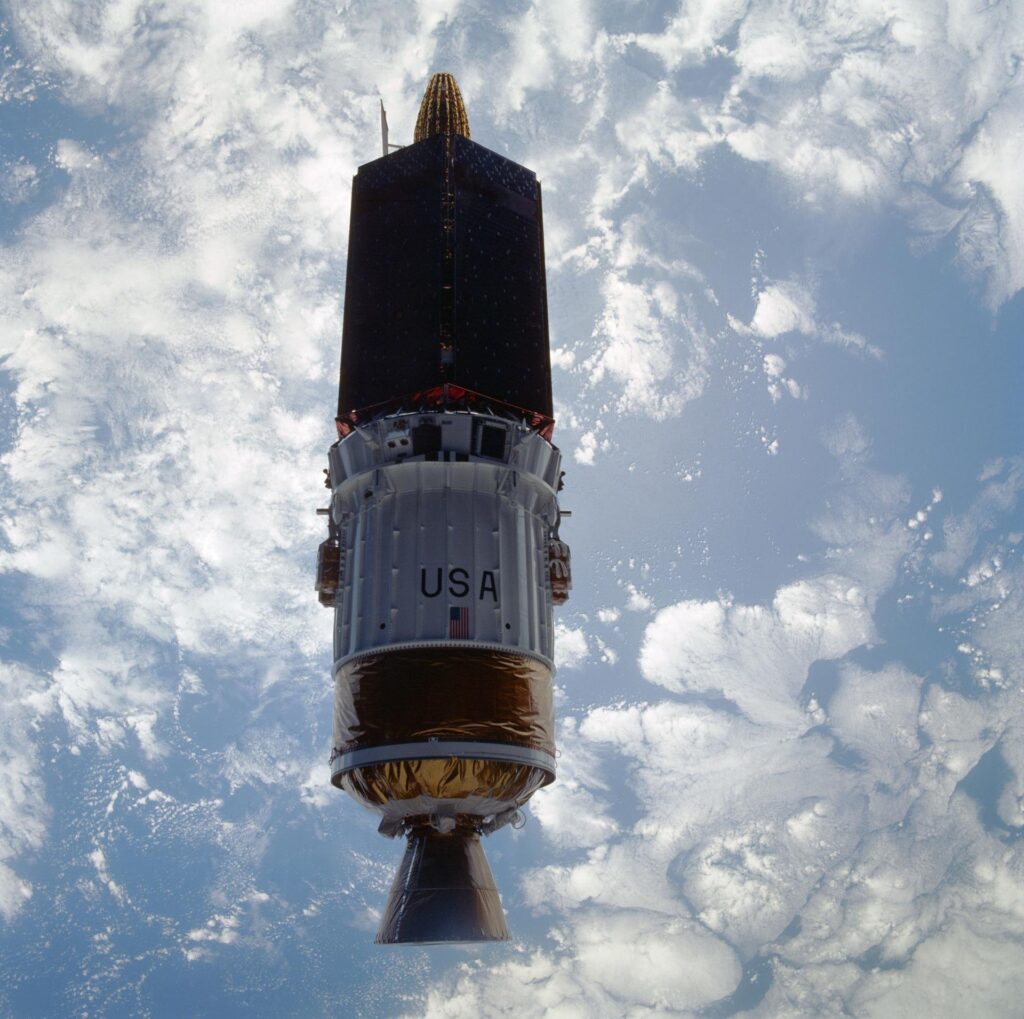
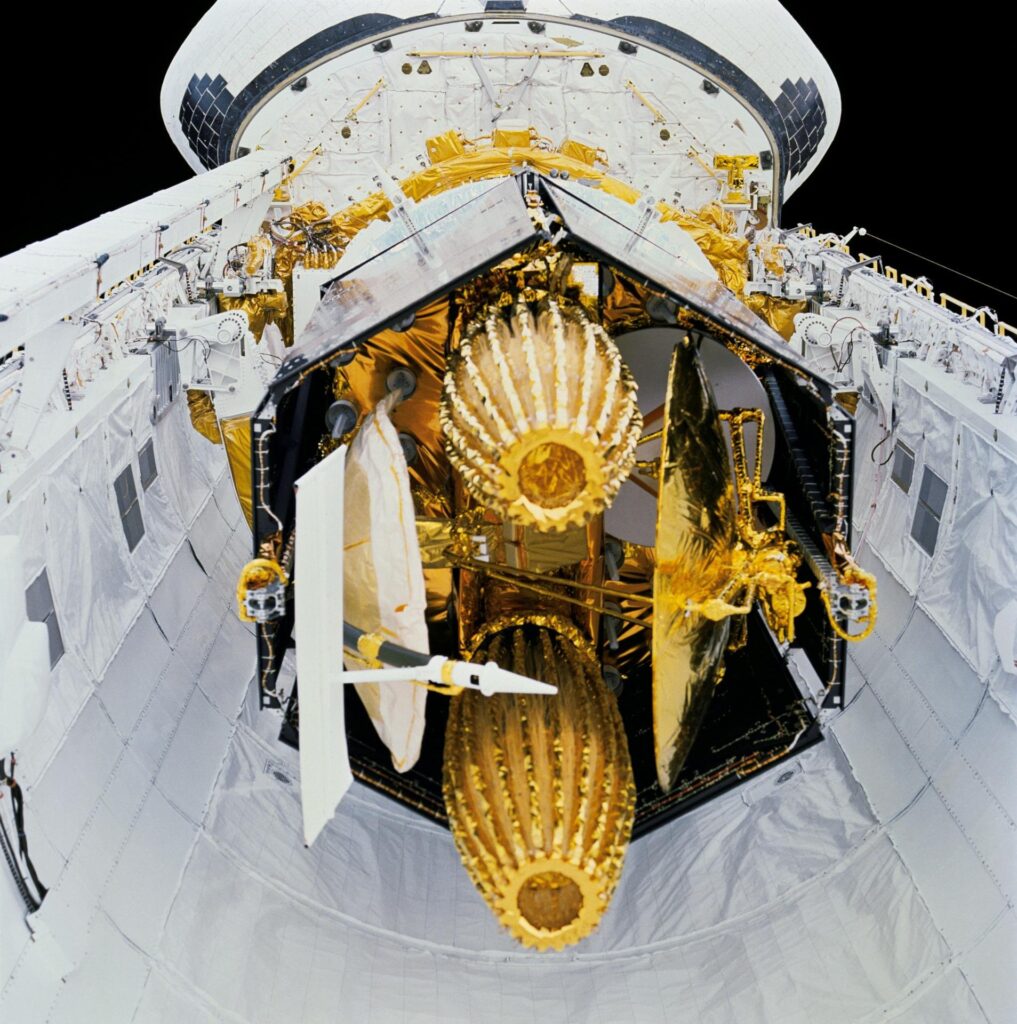
It supports NASA’s decision to gradually retire the Tracking and Data Relay Satellite (TDRS) fleet and use commercial services for future missions. According to NASA’s description of TDRS, these satellites sit in geosynchronous orbit and relay signals between spacecraft, including the International Space Station, and control centers on Earth.
Industry partners are already developing other commercial relay capabilities for the program. The Ka-band awards fill a gap: NASA said some in-orbit missions cannot feasibly modify their flight hardware or move to commercial services that are not compatible with it.
The money: A ceiling, not a payout
The $1.07 billion total is the sum of the three ceilings, and NASA is not committed to spending it. Only the initial period, about six months, is firm. The rest depends on options NASA may or may not exercise, and the agency can stop after concept work if a design does not hold up.
Viasat’s ceiling is the largest, at $460.9 million, about 43 percent of the combined figure. Astranis’s ceiling is the smallest, at roughly a quarter of it. Spreading the work over three firms gives NASA competing designs to compare before it pays for an in-orbit demonstration.
The structure also shifts risk. Under a fixed-price contract, the companies carry the cost if their designs overrun. In return, NASA buys relay service as a customer rather than owning and operating the satellites, which is the approach it has described for replacing TDRS.
NASA pointed readers to its Network Extension for User Continuity and Sustainability Ka-band service acquisition page for further details on the effort.