NASA is sending a prototype space crop chamber and a lab-grown brain tissue test to the station
NASA is sending a first-of-its-kind crop production system and a fluid-handling test for lab-grown brain models to the space station on Northrop Grumman's 25th resupply mission.
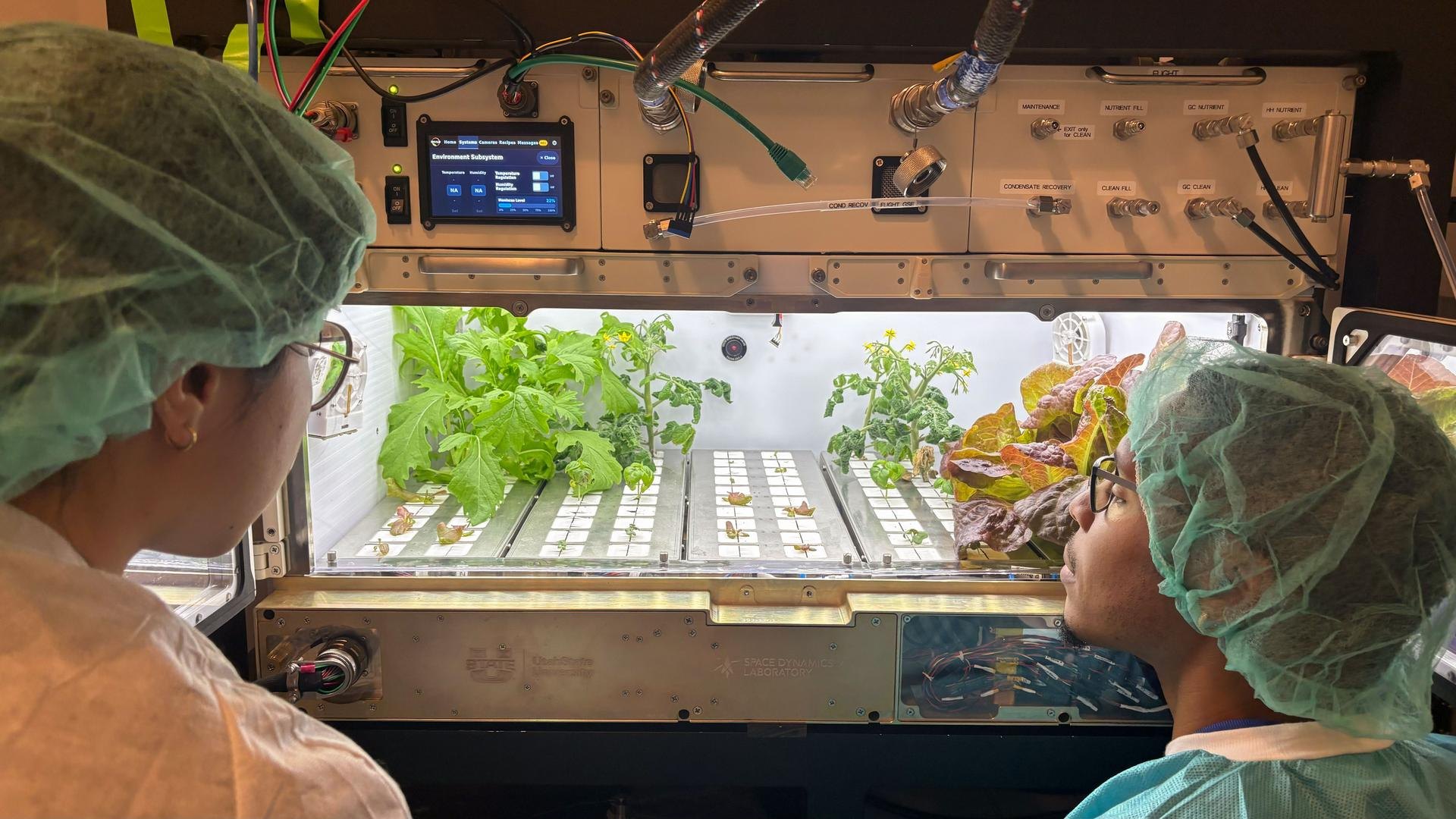
NASA will send a first-of-its-kind space crop production system and a test of a fluid system for lab-grown brain tissue to the International Space Station on Northrop Grumman’s 25th commercial resupply mission.
A growth chamber built to prove the plumbing
Growing food in microgravity is hard because water does not drain or pool the way it does on Earth. NASA says the new prototype growth chamber will help researchers learn how crop production works in that environment. The investigation will validate the system’s water delivery and volume optimization technology aboard the station.
The agency says the results should help in designing safe, nutritious and reliable crop systems for future Moon Base habitats and Mars missions. It adds that the knowledge could also inform vertical farming and indoor growing on Earth. NASA’s picture of the Ohalo III facility shows the hardware, and the agency says experiments in it aim to validate plant-water delivery and advance crop-production research.
The flight follows our report on the crops NASA is considering for deep-space menus. That work asks which plants to grow. This experiment tests the equipment that would keep them alive.
Keeping miniature brains fed
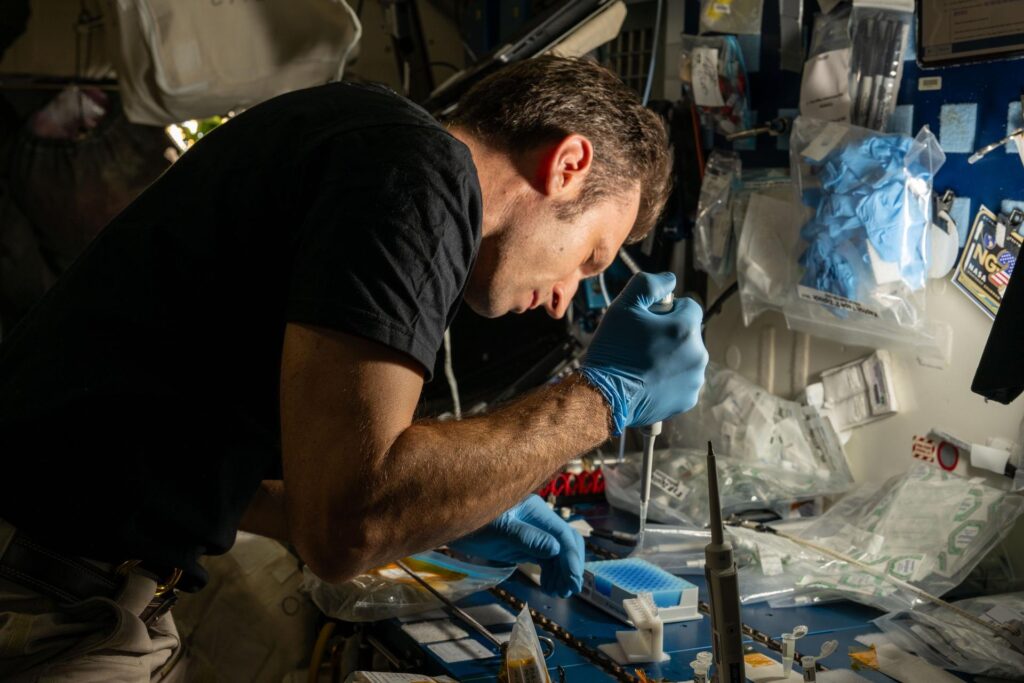
The second headline experiment is a precision health study. It builds on an earlier investigation that sent miBrains, small lab-grown models of the human brain, to the station. This time the goal is a miniature fluid-handling system that mixes, delivers and maintains the nutrient-rich liquid the tissue needs to stay alive.
NASA calls it the next step toward long-duration studies of human brain tissue in space. Researchers could use the findings to identify possible neurological risks of spaceflight and to develop ways to protect astronaut health. The agency says the work may also advance human tissue research and neurological disease modeling on Earth.
One engineering problem behind both experiments
Both payloads come down to moving liquid reliably, not to the plants or cells themselves. A plant root zone needs a steady amount of water. Brain tissue needs a fresh supply of nutrient fluid. In weightlessness, liquids cling to surfaces and form bubbles, so a pump and chamber that work on the ground can behave differently in orbit. That is why NASA frames both tests as validating the hardware first.
The lessons are practical for the station’s wider research program, which we covered in our look at 25 years of research on the space station. A system that holds water volume steady with little crew time is what a long mission needs, since astronauts on a Mars trip could not rely on frequent resupply.
NASA’s station blog lists further experiments on this flight: cancer cell movement, engineered muscle tissues and DNA-inspired particles, all aimed at human health. The blog also calls this the final cargo mission of the year.
Launch on a Falcon 9 from Florida
According to NASA’s station blog, Northrop Grumman’s Cygnus XL cargo ship is targeted to lift off atop a SpaceX Falcon 9 from Cape Canaveral Space Force Station in Florida no earlier than 10:47 a.m. on Sunday, Nov. 29. The blog does not give a time zone for that figure, and no arrival date at the station has been published. Check the rocket launch schedule for any change to the target.
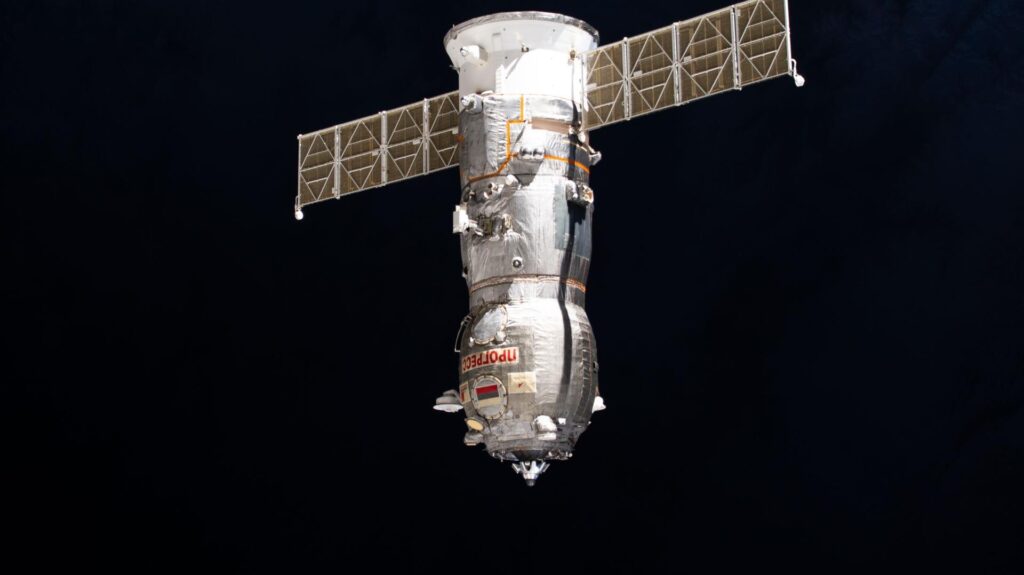
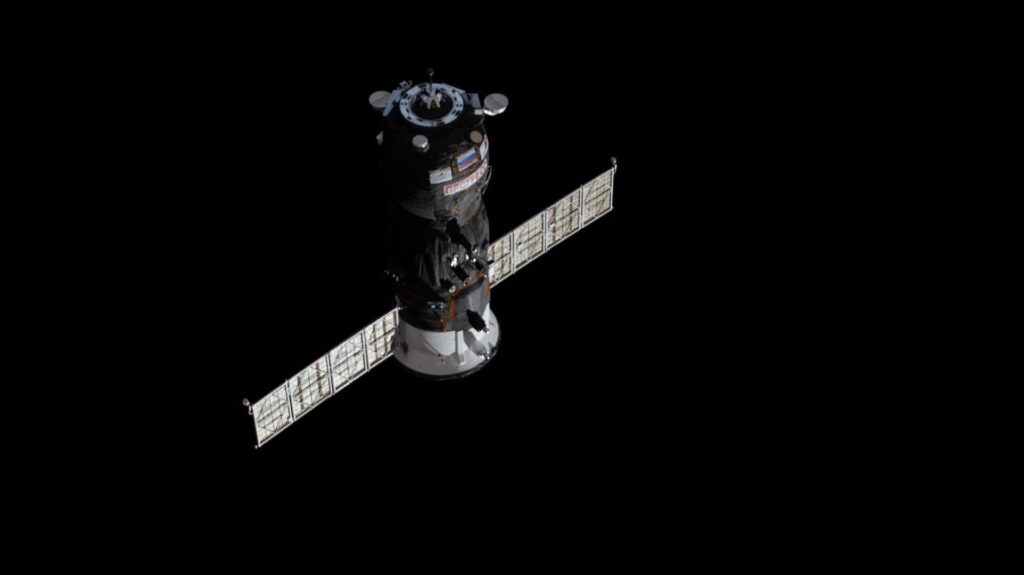
This flight is separate from the delivery that came before it. NASA’s blog says a Russian Progress 97 cargo ship, carrying about three tons of food, fuel and supplies, was scheduled to dock on Thanksgiving Day, Nov. 26, at 7:11 a.m. EST (12:11 UTC).