Cargo Dragon leaves the space station after 36 days, with a splashdown set for Saturday
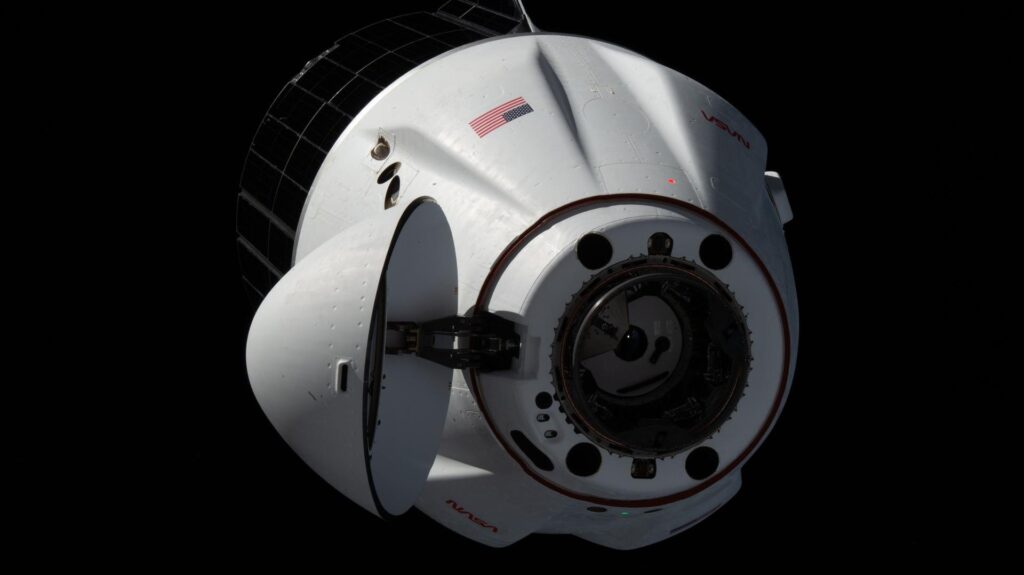
SpaceX's unpiloted Dragon left the station's Harmony module at 17:05 UTC and is due to splash down off California on Saturday, carrying frozen samples and a returning lighting system.
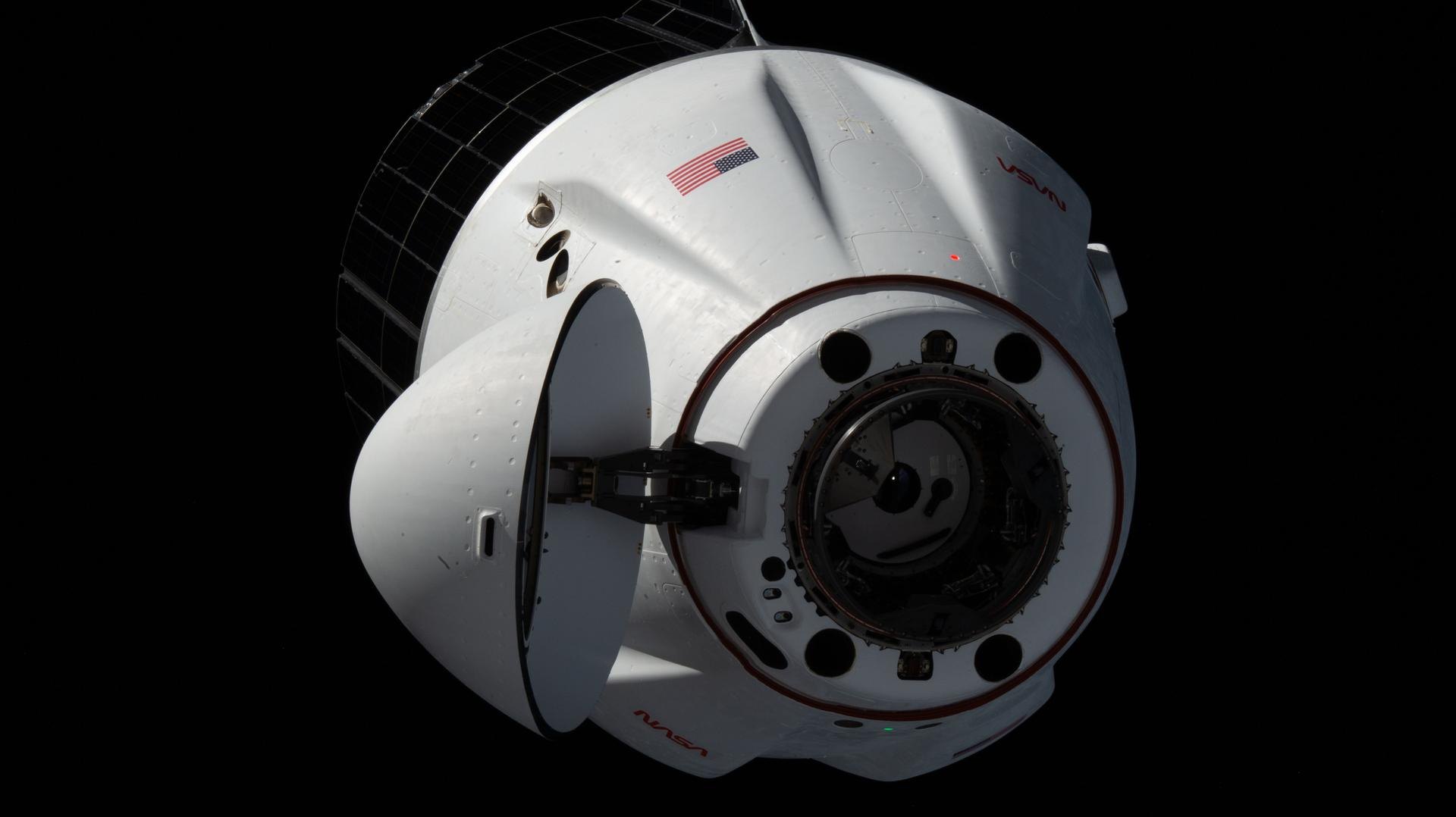
SpaceX’s unpiloted Dragon cargo spacecraft undocked from the International Space Station at 12:05 p.m. EST (17:05 UTC) on Nov. 20, NASA said. It is due to splash down off California on Nov. 21.
Splashdown off California on Saturday afternoon
Dragon separated from the space-facing port of the station’s Harmony module after a command from SpaceX ground controllers. No astronauts are aboard, so the return is a cargo run only. NASA gives the splashdown time as approximately 4:55 p.m. EST on Saturday, Nov. 21, which is 21:55 UTC and 1:55 p.m. Pacific time.
NASA will not stream the splashdown. It plans to post updates on its space station blog instead. In earlier posts, the agency said NASA and SpaceX personnel will retrieve the spacecraft after it lands in the Pacific Ocean.
What is coming home: Blood vessels, tumor samples and a lighting system
In a post published before the undocking, NASA said thousands of pounds of cargo are returning, without giving a total weight. It named several items:
- A 3D-bioprinted blood vessel construct, used to study vascular aging and cardiovascular disease.
- Frozen tumor organoids, small lab-grown clusters of tumor cells that were treated aboard the station, for cancer treatment research.
- Frozen microbial samples, to study how antibiotic-resistant bacteria survive, adapt and evolve in space.
- A lighting system that spent more than three years on the station and was tested for its effect on astronauts’ sleep and well-being.
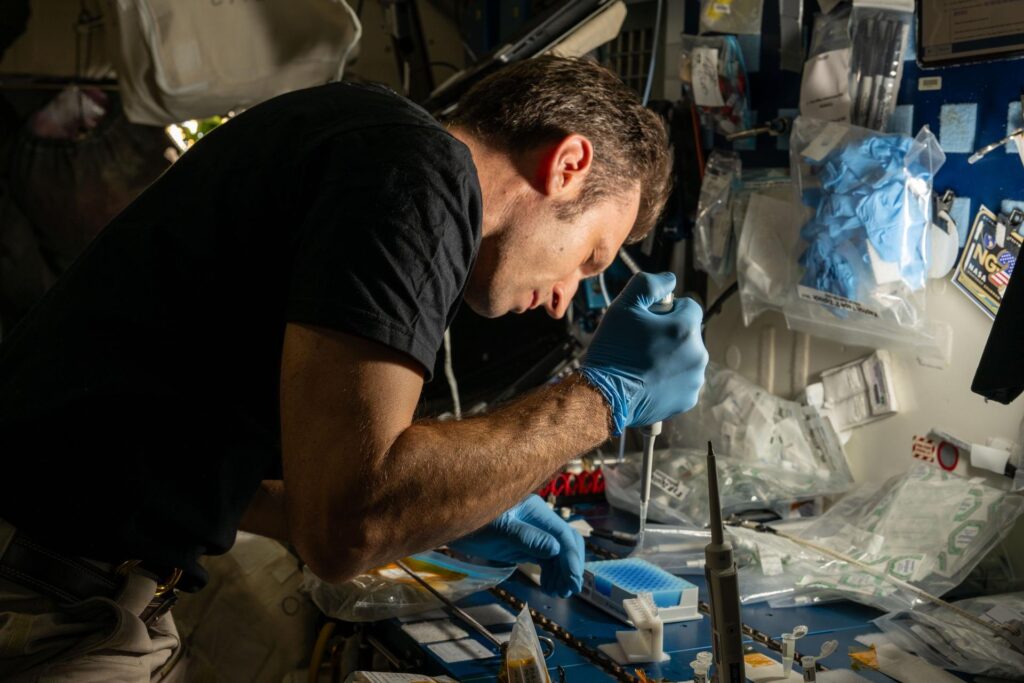
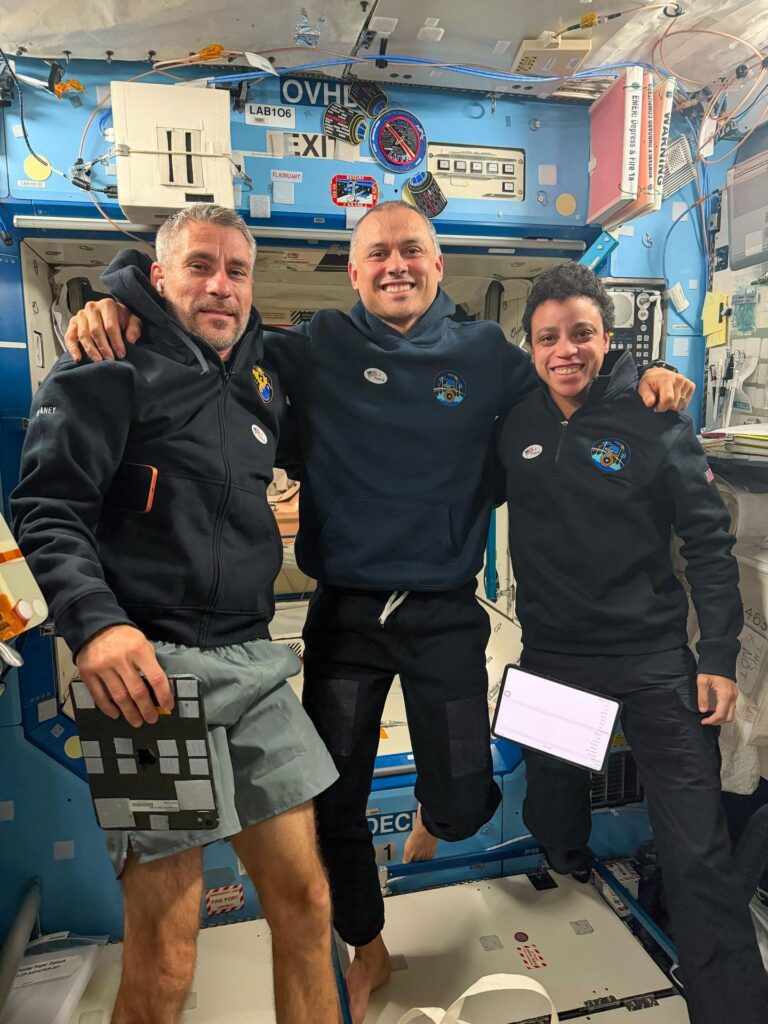
The samples were moved into portable freezers and stowed in Dragon during the week of Nov. 16. NASA said Anil Menon and CSA (Canadian Space Agency) astronaut Joshua Kutryk did that transfer from the station’s science freezers. Kutryk had also been processing bacterial colonies for DNA extraction, a step toward genetic analysis of antibiotic-resistant microbes. NASA says that work may show how they adapt to microgravity and help protect crews on longer missions.
Returning samples matters because many analyses cannot be done on the station. Frozen material has to reach laboratories on the ground intact, and a Dragon splashdown is one of the few ways to bring back large amounts of it.
One more flight in a long line of resupply runs
NASA describes this as the 35th SpaceX commercial resupply services mission, the contract flights SpaceX flies to supply the station. Dragon launched on a Falcon 9 from Space Launch Complex 40 at Cape Canaveral Space Force Station and arrived on Oct. 15, two days later. That puts its stay at the station at 36 days.
On the way up it carried more than 6,300 pounds of crew cargo and science experiments, according to NASA. That included a pair of roll-out solar arrays meant to augment the station’s power generation system. One item from that delivery was a spacesuit. Jessica Watkins inspected and assembled it in the week of Nov. 16, then stowed it.
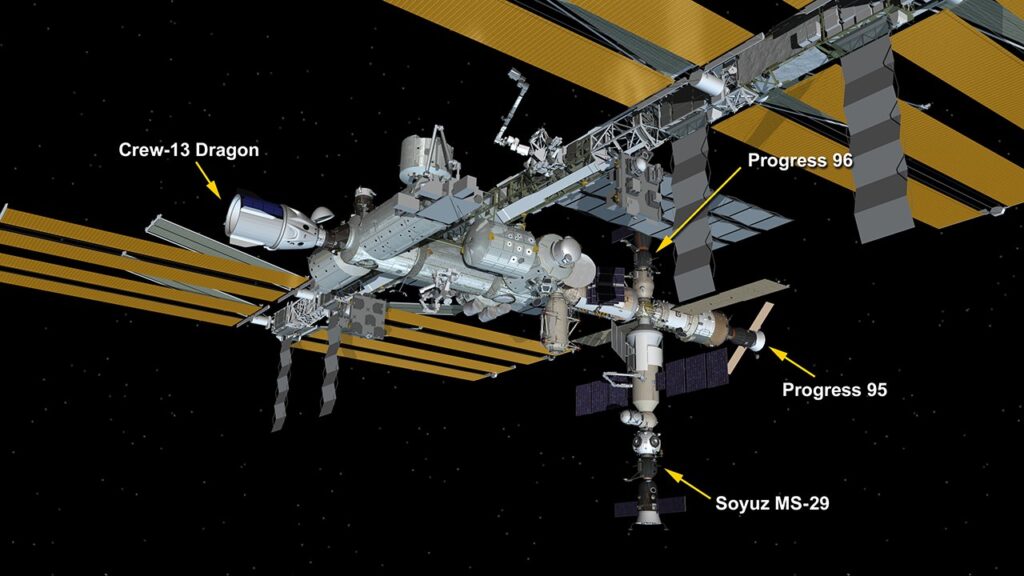
The 36-day visit is also a snapshot of how busy the station is. NASA’s configuration graphic lists four spacecraft docked on Nov. 20: Dragon, the Soyuz MS-29 crew ship, and the Progress 95 and 96 resupply ships. With Dragon gone, three remain. The Expedition 75 crew of seven, which includes Watkins, Luke Delaney, Menon, Kutryk and cosmonauts Pyotr Dubrov, Anna Kikina and Sergey Teteryatnikov, keeps the research going. For more on how that routine works, see our look at life aboard the International Space Station.
Each resupply flight also feeds a wider body of work. Our earlier piece on 25 years of ISS research covers what that return traffic has made possible. Blood vessel models, tumor treatments and antibiotic resistance are the kind of studies that depend on samples making it home in good condition. The test of this flight is the lab work that follows the splashdown. NASA has not said when results from the returning samples are expected.