NASA picks 19 projects for volunteers to hunt comets, rogue planets and Moon iron
Twelve seed-funded projects and seven education teams will open new ways for the public to work with data from SPHEREx, Roman, MMS, SOHO and other missions.
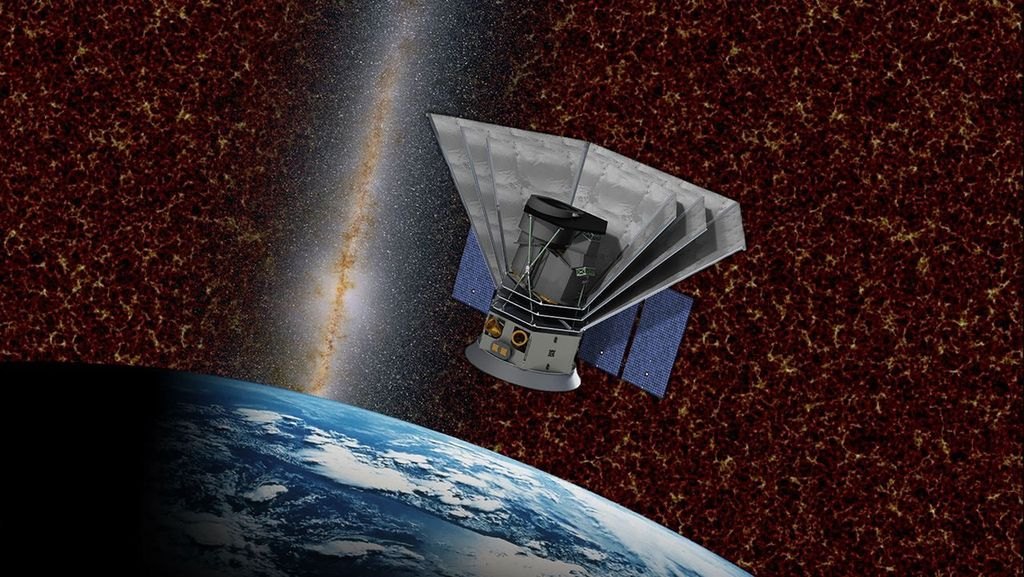
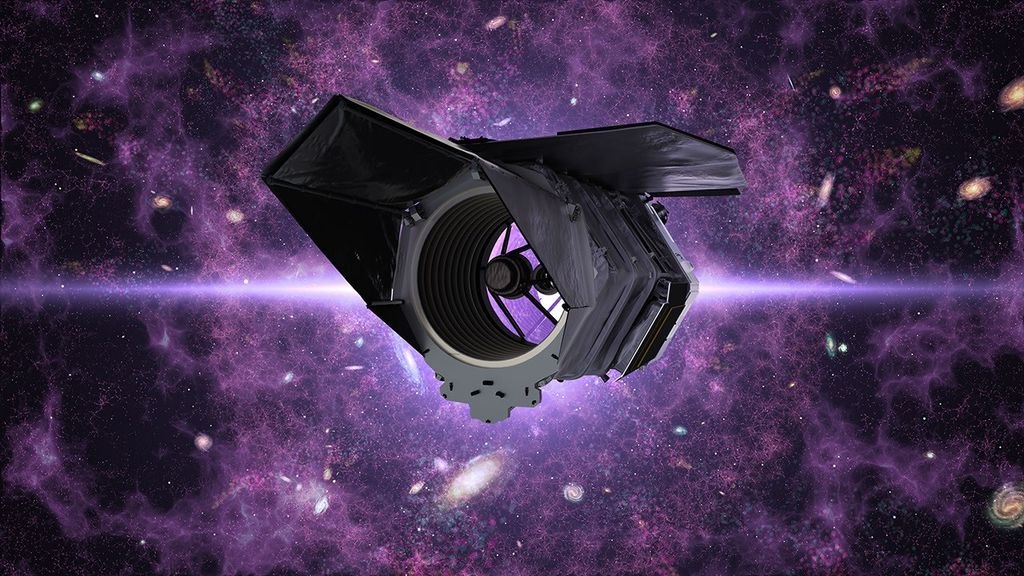
NASA’s Science Mission Directorate has selected 19 new citizen science proposals: twelve for seed funding and seven for education teams. They will let volunteers search data from SPHEREx and the Roman Space Telescope, among other missions.
Citizen science means ordinary people, with no special training, helping professional researchers by classifying images, listening to data or collecting measurements. NASA announced the picks on October 28, 2026, and said one of them, Overlap Zoo, is already open to volunteers.
Twelve seed-funded projects, from rogue planets to Moon iron
The Citizen Science Seed Funding Program pays scientists to build projects and to bring more professionals into the method. In astrophysics, four were chosen. Jacqueline Faherty of the American Museum of Natural History leads the Rogue Worlds Project, which asks volunteers to look through data from NASA’s SPHEREx observatory for free-floating planets and brown dwarfs (objects between planets and stars in size) in young star clusters. SPHEREx is mapping the entire sky in near-infrared light.
Bernard Gaudi of Ohio State University leads Planet Hunters Roman. It will have volunteers spot exoplanets in Nancy Grace Roman Space Telescope data by the way their gravity bends starlight, a technique called microlensing. The other two astrophysics projects study galaxy mergers (Kameswara Bharadwaj Mantha, University of Missouri) and galaxies whose dust shows up when one overlaps another (Benne Holwerda, University of Louisville, the Overlap Zoo).
Heliophysics, the study of the Sun and its effects on space near Earth, gets six projects. They include a sonification effort led by Lauren Blum at the University of Colorado, Boulder, in which volunteers listen to plasma-wave data turned into sound. Wenli Mo of Johns Hopkins University leads a search of MMS (Magnetospheric Multiscale) data for foreshock transients, which NASA describes as having a critical but poorly understood role in space weather. Hyunju Connor of NASA’s Goddard Space Flight Center leads a low-cost magnetometer array that volunteers in Alaska will set up and monitor. Anyone who follows northern lights tonight forecasts is watching the same solar wind these projects study.
In planetary science, Karen Martirosyan of the University of Texas Rio Grande Valley will ask volunteers to locate iron deposits in data from the Moon Mineralogy Mapper, to help plan future lunar construction. Ariel Graykowski of the SETI Institute proposes a worldwide network of citizen scientists, each with a standardized small telescope, to follow up comet outbursts and small moving bodies. NASA says the project will also build systems to process the images automatically and send alerts to the network.
Seven education teams, including a bigger Sungrazer
The Science Activation Program funds teams that connect communities to NASA science. Seven teams in this round will involve learners directly in citizen science, and several others plan to add citizen or community science to their work.
Sungrazer 2.0, led by MaryKay Severino of the ARISA Lab with Karl Battams of the Naval Research Laboratory as science lead, extends a project begun in 2006. Its volunteers have identified 5,204 comets, the majority of known comets, in images from the SOHO and STEREO solar missions. Other selections include 22 robotic telescopes opened to the public through the Smithsonian Astrophysical Observatory, a ham radio ionosphere network led by the University of Scranton, lake-level monitoring to check data from the SWOT satellite, and Antarctic and Arctic projects using NASA satellite data.
Volunteers as the answer to a data flood
The selections fit a pattern of surveys producing more data than professionals can inspect by eye. NASA lists earlier award rounds in 2021, 2022, 2023, 2024 and November 2025, so this is the sixth round it points to, and the topics have moved from classifying archive images toward live missions such as SPHEREx and Roman and toward hardware in volunteers’ hands.
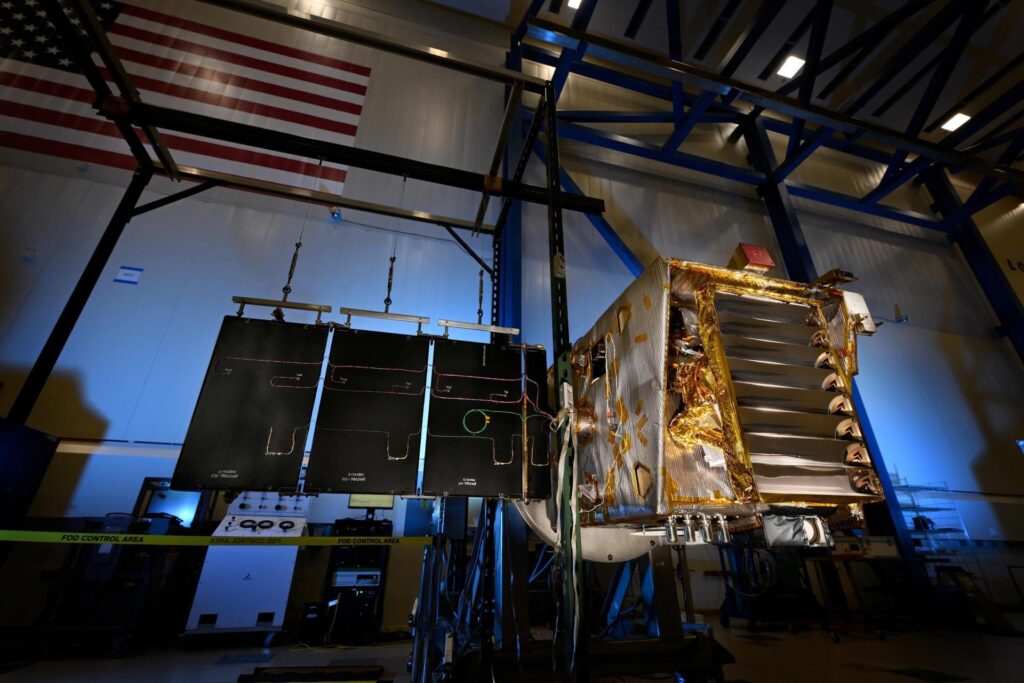
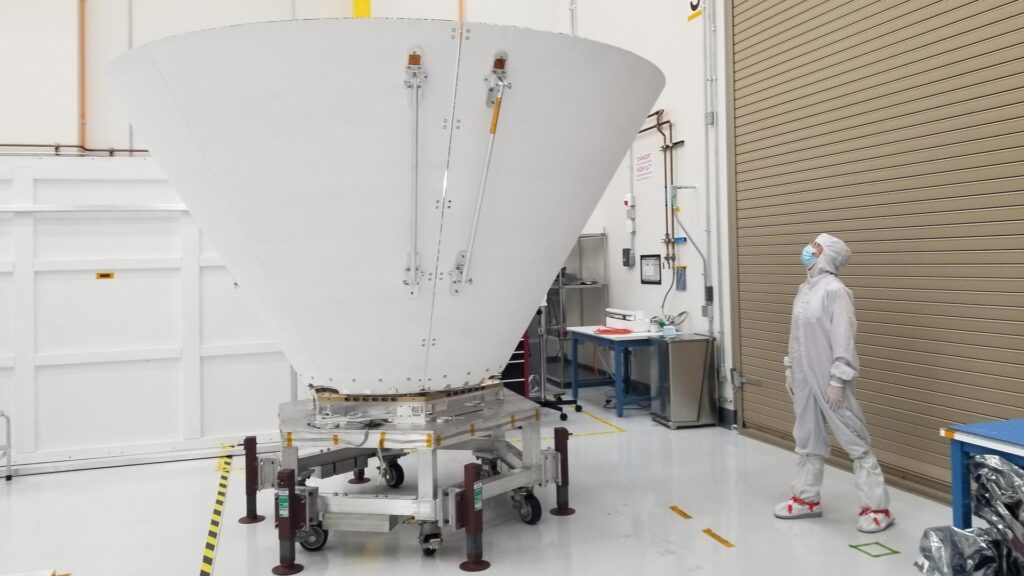
The telescope network is the clearest example. As we reported, the Rubin Observatory has flagged a possible dwarf planet beyond Pluto, up to 1,500 km across. Professional surveys like Rubin find objects but cannot watch every one continuously, which is the gap NASA says amateurs, spread across the globe and observing at twilight, can fill. Planetary defense has a similar need: NASA’s NEO Surveyor, whose sunshade now carries 864 solar cells, is meant to find near-Earth asteroids, and follow-up observations are what refine their orbits.
NASA frames the broader year as one of success for volunteers. It says the Backyard Worlds: Planet 9 volunteers have found most of the known brown dwarfs, and that the Zooniverse platform, which NASA funds in part, has reached 1 billion classifications. NASA’s page lists nine projects that launched in 2026, including Galaxy Zoo: Tidal Tails, Artifact Inspector, CoCoRaHS and Overlap Zoo.