NASA’s launch engineers swap rules of thumb for a reusable simulation template
Engineers at NASA's Launch Services Program used a decades-old commercial simulation tool in a new way to predict launch shock and vibration before hardware flies.
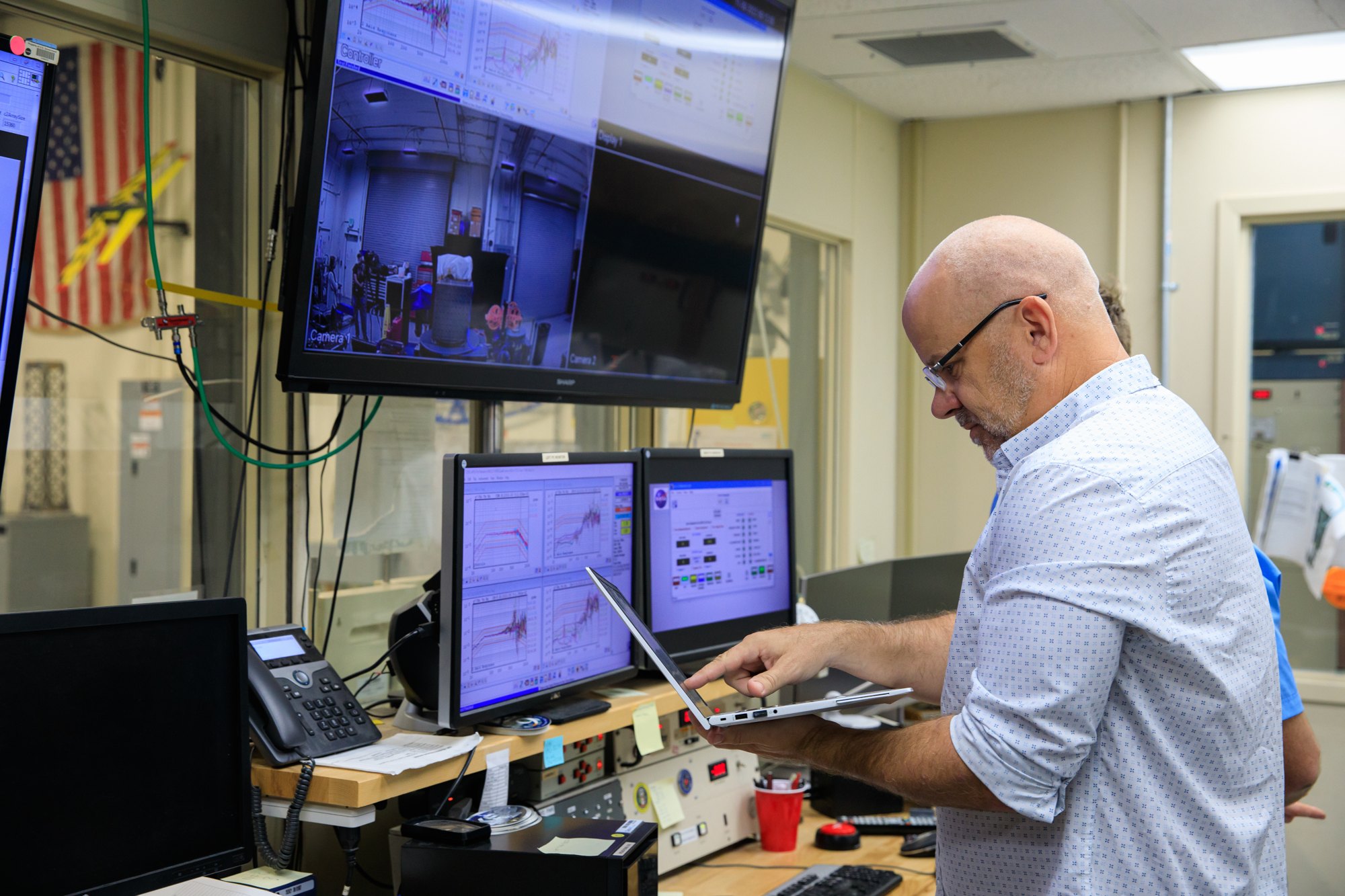
Engineers at NASA’s Launch Services Program have built a standard computer-modeling workflow to predict how violently a rocket and its cargo will shake and jolt during launch, NASA said. It has already saved the team months, according to the agency.
A decades-old tool put to a new job
The work comes from the Dynamic Environments Group, part of the Launch Services Program Office at Kennedy Space Center in Florida. The group sets how severe the random vibration and sudden shock loads on a rocket will be, then checks that every part flying on future rockets has been tested to those levels.
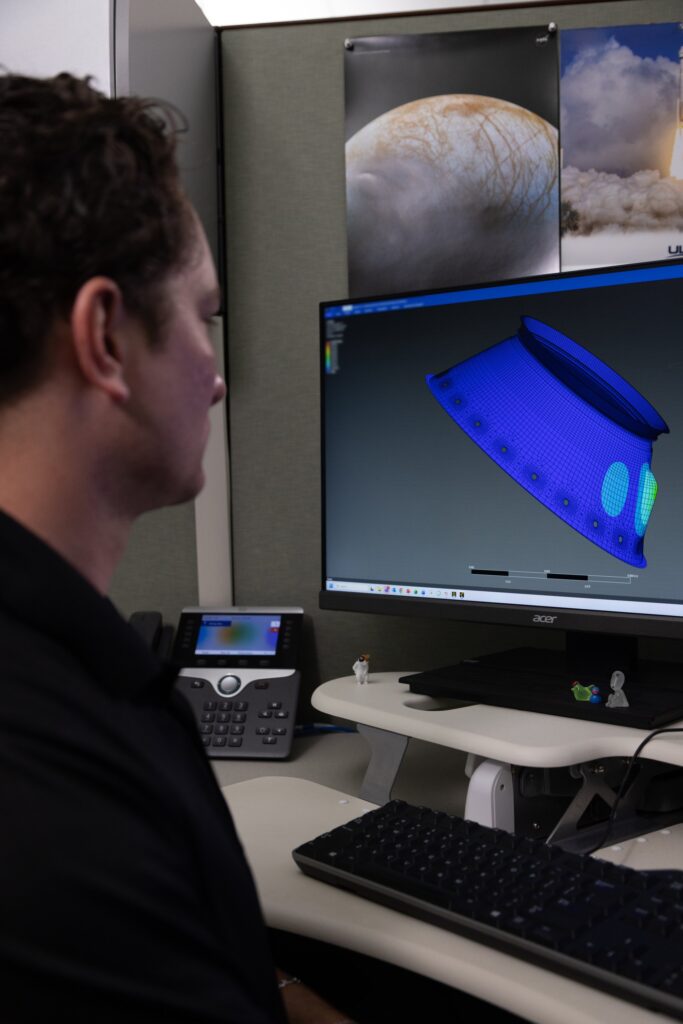
To do that, the engineers adopted a commercial software tool built around finite element modeling. This technique breaks a complex structure into many small pieces so a computer can predict how the whole rocket or spacecraft will respond to a given force. NASA says the tool has existed for decades but is not normally used by dynamic environments specialists.
“We are using a tool that’s existed for decades, but it’s not normally used by the dynamic environments disciplines,” said Alex Hardt, an aerospace engineer with the program. The group created a template that walks engineers through vibration profiles and shock conditions, and that lets them run what-if comparisons and visualize how a structure behaves.
First use: A commercial rocket picked for a NASA mission
The team first applied the workflow while certifying a commercial provider’s rocket chosen for a NASA mission. NASA did not name the company or the mission. The provider had supplied vibration testing but no shock testing. The group decided shock testing was needed, ran the analysis itself, and verified the company’s test results for flight environments. The analysis also gave new insight into shock during transport, NASA said.
Until now, engineers typically estimated these environments with rules of thumb or by scaling data from earlier missions. That worked, NASA says, but leaned heavily on judgment and simple approximations. Because few dynamic environments engineers use finite element tools often, they had to re-learn complicated steps each time. The template replaces older tools and standardizes that process.
The saving is in time. NASA says the team can now run analyses on its own, instead of requesting reports or data from others and waiting, which has saved months. The workflow also surfaced risks that had not been considered before.
Why simulating the shake matters: Technical significance
The case for modeling is that a rocket cannot be repaired once it leaves the pad. Brian Beaver, chief of the Flight Analysis Division at the program office, said the method helps predict behavior “before hardware is built” and identify weak spots and failure risks early. Fixing a problem on the ground is the only practical option, so the aim is to find it there.
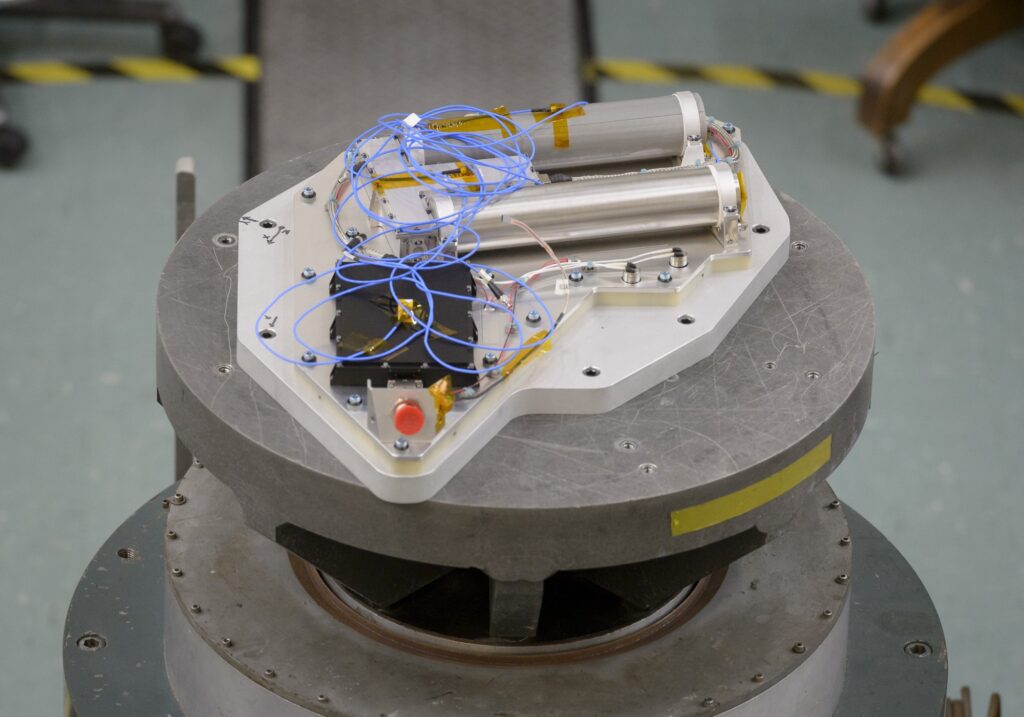
Simulation sits alongside physical testing rather than replacing it. NASA’s image library shows what the physical side looks like: at Kennedy in November 2022, engineers prepared the MSolo mass spectrometer for a vibration test ahead of its flight on the VIPER Moon rover mission, a test described as helping engineers find problems before launch. At NASA’s Ames Research Center in California in 2020, researchers vibration-tested VIPER’s Neutron Spectrometer System, an instrument meant to search for water below the Moon’s surface. A model cannot shake a real instrument, but it can show engineers which parts of the structure to worry about and what loads a test should reproduce.
What is hard about the problem is that shock and vibration behave in ways that are often not obvious. A sharp jolt, such as a separation event, can travel through a structure and hit a small component far from its source. Hardt said that visualizing these non-intuitive dynamics with finite element models also helps with learning, letting engineers share knowledge and refine assessments as more flight data arrives.
The Launch Services Program Office handles launches for NASA’s science missions of every kind, including weather satellites, space telescopes and Mars rovers. Its flights appear on the rocket launch schedule. NASA says the team keeps adopting new tools like this to give each mission the highest practical chance of success.