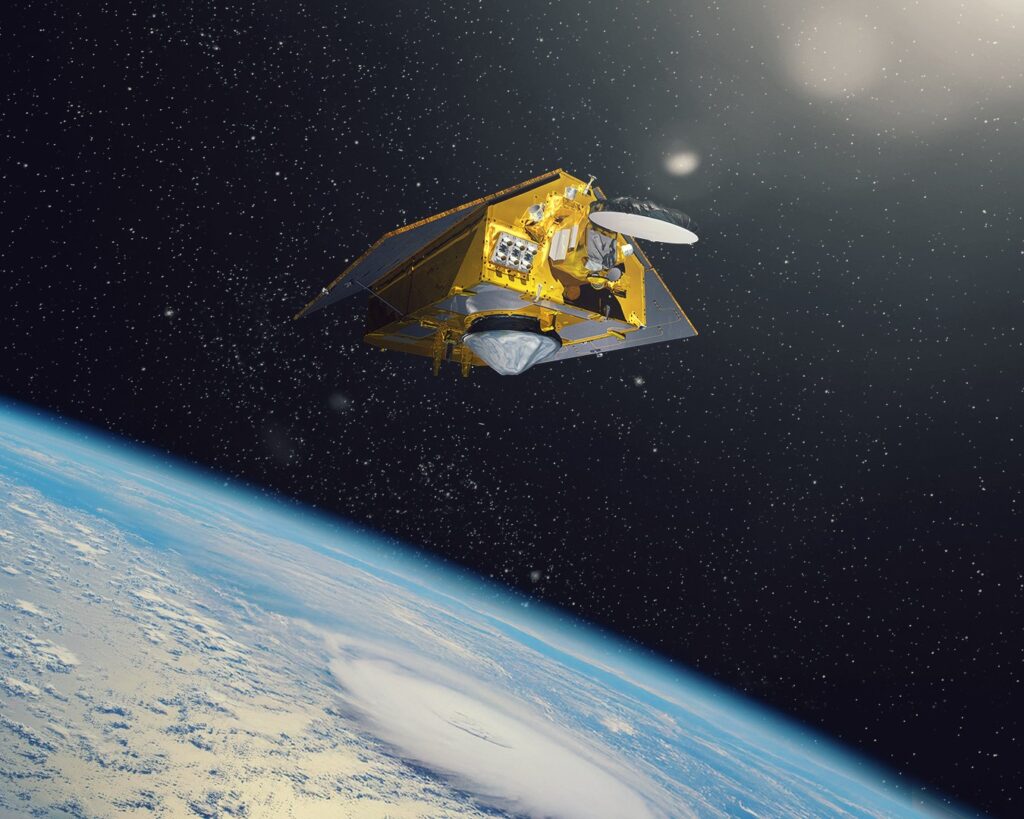
Cygnus XL’s 11,000-pound delivery has 60% odds Sunday, with clouds the worry
NASA's mission team polled go on Friday for Northrop Grumman's CRS-25 launch, set for Sunday at 15:47 UTC. Forecasters give 60% favorable weather, and a Monday backup is available.
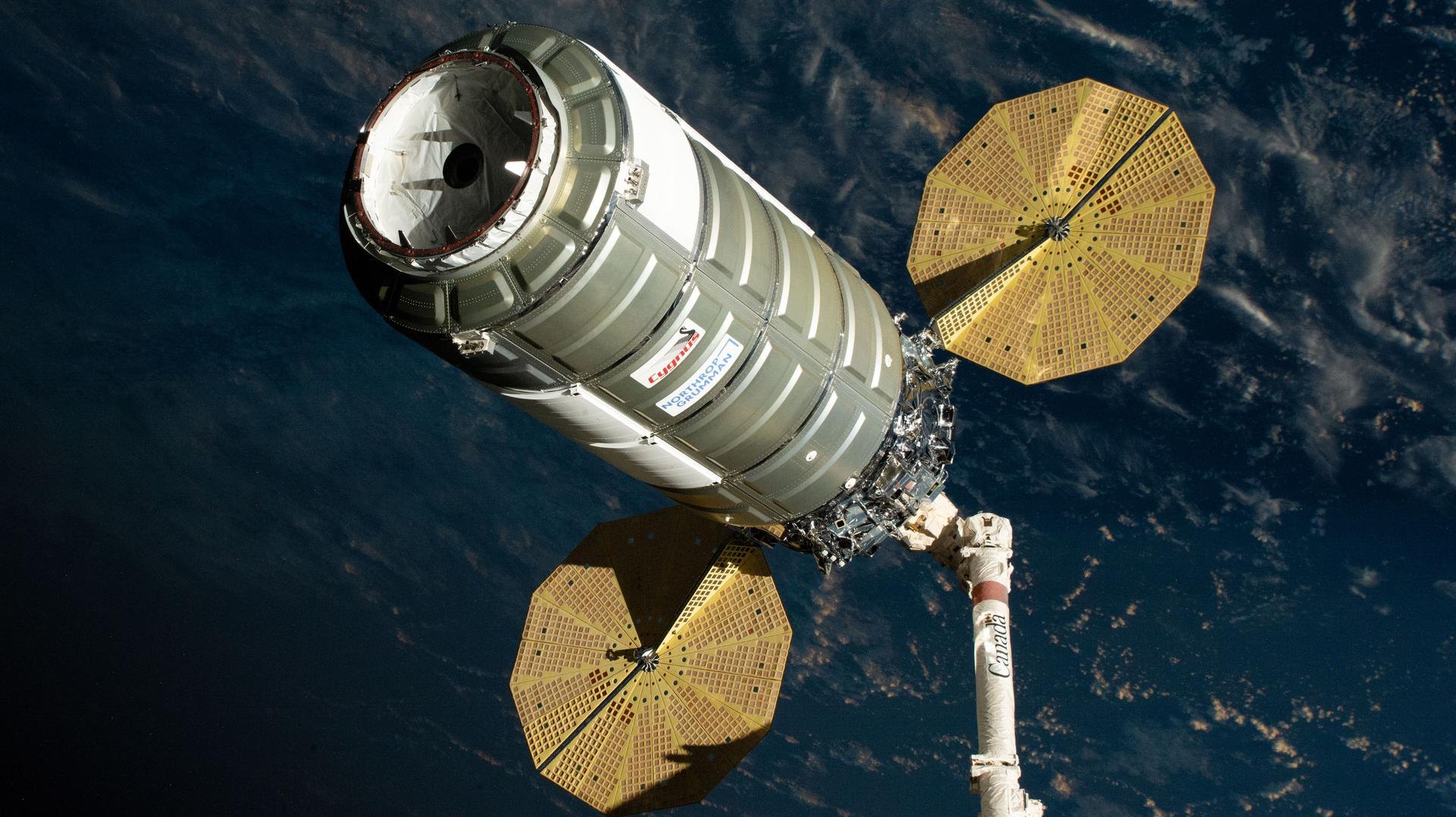
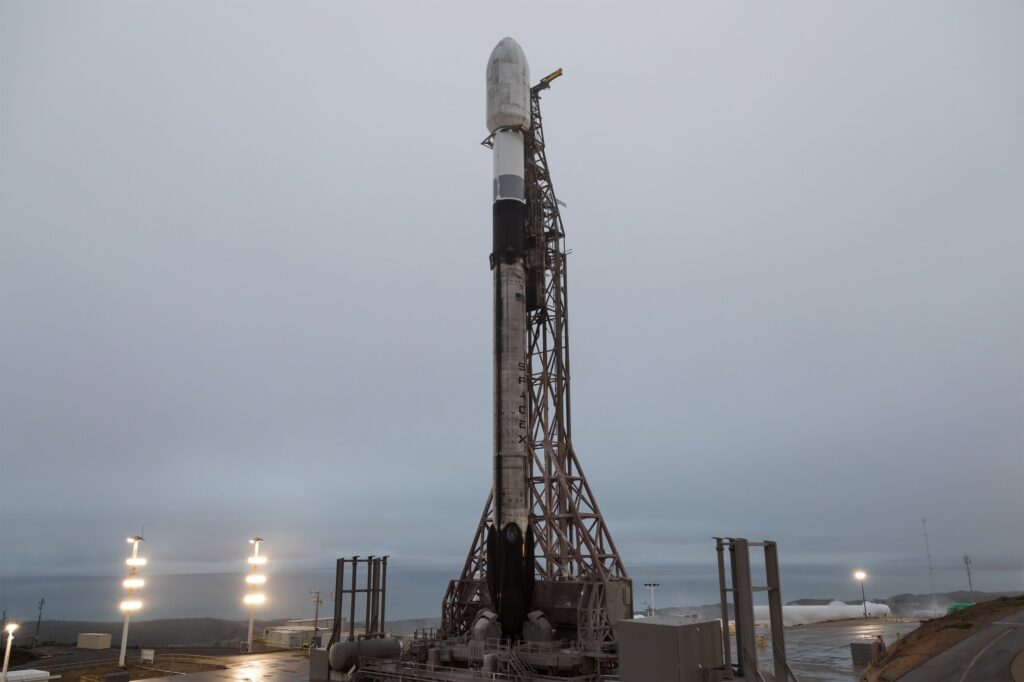
NASA, Northrop Grumman and SpaceX are on track to launch the Cygnus XL cargo ship to the space station on Sunday, Nov. 29, at 15:47 UTC (10:47 a.m. EST). Early forecasts give a 60% chance of favorable weather, according to NASA.
Mission managers polled go, and the rocket rolls out Saturday
The International Space Station Mission Management Team polled go on Friday to continue launch preparations, after reviewing the weather forecast and the remaining work. The flight is called Northrop Grumman Commercial Resupply Services 25, or CRS-25: one of the regular cargo flights NASA buys from private companies to keep the station supplied.
Cygnus XL is scheduled to ride a SpaceX Falcon 9 from Space Launch Complex 40 at Cape Canaveral Space Force Station in Florida. It carries approximately 11,000 pounds of cargo, which is roughly 5 metric tons. SpaceX is due to roll the Falcon 9 to the pad on Saturday, Nov. 28, ahead of the Sunday attempt.
The cloud rule behind the 60% figure
NASA names the thick cloud layer rule as the main weather concern. It is one of the standard launch constraints: a rocket is held back if it would have to fly through dense, deep cloud, which can raise the risk of lightning being triggered. Teams will keep watching conditions through the weekend.
If Sunday slips, the next opportunity is 15:24 UTC (10:24 a.m. EST) on Monday, Nov. 30. NASA’s post gives no docking time for the spacecraft. Dates for this and other flights are tracked on the rocket launch schedule.
A busy week for station deliveries: Three tons, then five
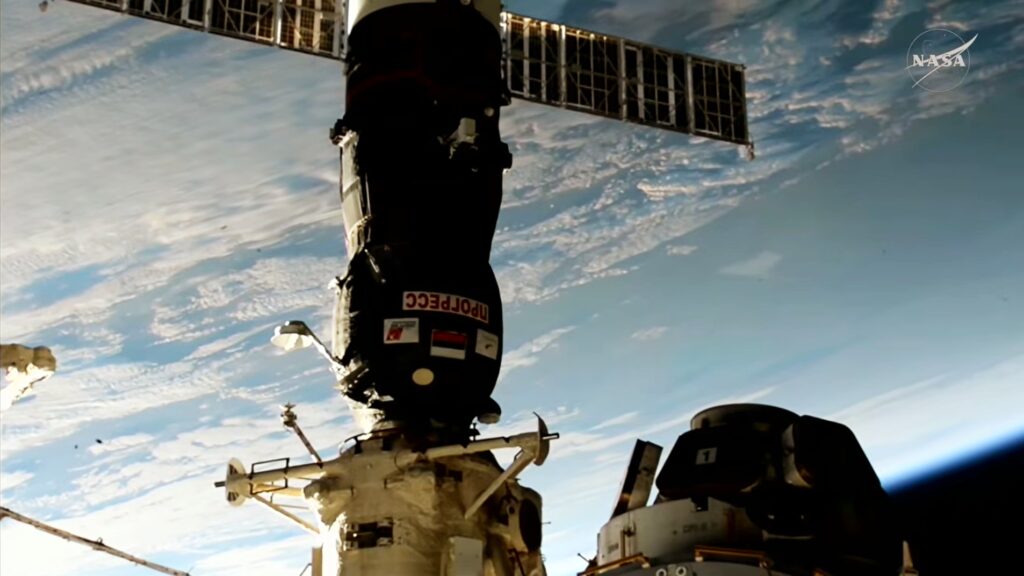
Cygnus XL would be the second cargo ship to reach the station within days. Roscosmos’ Progress 97 launched on a Soyuz rocket from Baikonur, Kazakhstan, at 10:17 UTC on Nov. 24 and docked to the Earth-facing port of the Rassvet module at 12:08 UTC on Thanksgiving Day, Nov. 26, according to NASA’s station blog. It brought about three tons of food, fuel and supplies for the Expedition 75 crew and is expected to stay about eight months.
Set side by side, the two deliveries show how differently the vehicles are used. Progress 97 made its trip in two days and is a refueling and resupply craft. Cygnus XL carries roughly five metric tons on a single flight, nearly twice Progress 97’s load, with room for lab hardware as well as crew supplies. Its earlier mission is a reminder of how that works in practice: the spacecraft was grabbed by the Canadarm2 robotic arm and installed on the Unity module on April 13, 2026, according to NASA.
Plants and tiny brain models are on the manifest
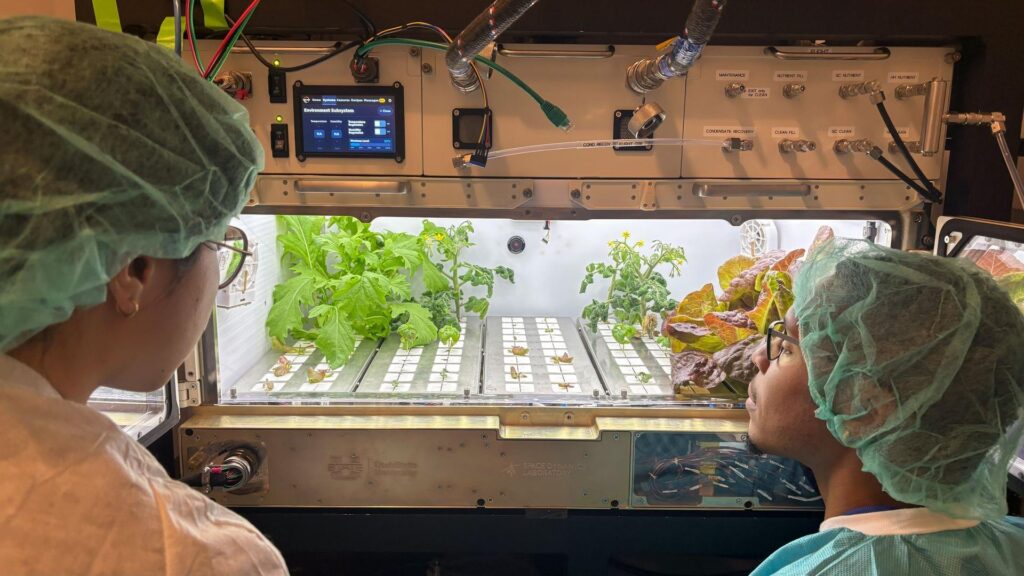
Some of the science on board is covered in our earlier report on the NG-25 experiments. NASA’s science team says the flight carries a prototype space crop growth chamber, intended to validate a water delivery and volume optimization system in microgravity. It also carries a precision health study, which tests a miniature fluid-handling system meant to keep lab-grown human brain tissue supplied with nutrient liquid. NASA says the results could inform future deep-space crop systems and long-duration brain studies in space.
NASA has not said how long Cygnus XL will remain at the station once it arrives.