A rose-colored Sahara rock turns out to be 4.1 billion-year-old Mars crust
Teghaza 001, found in the Sahara in 2022, is among the three oldest Martian meteorites and shows early Mars had a more dynamic water cycle, NASA-funded researchers report.
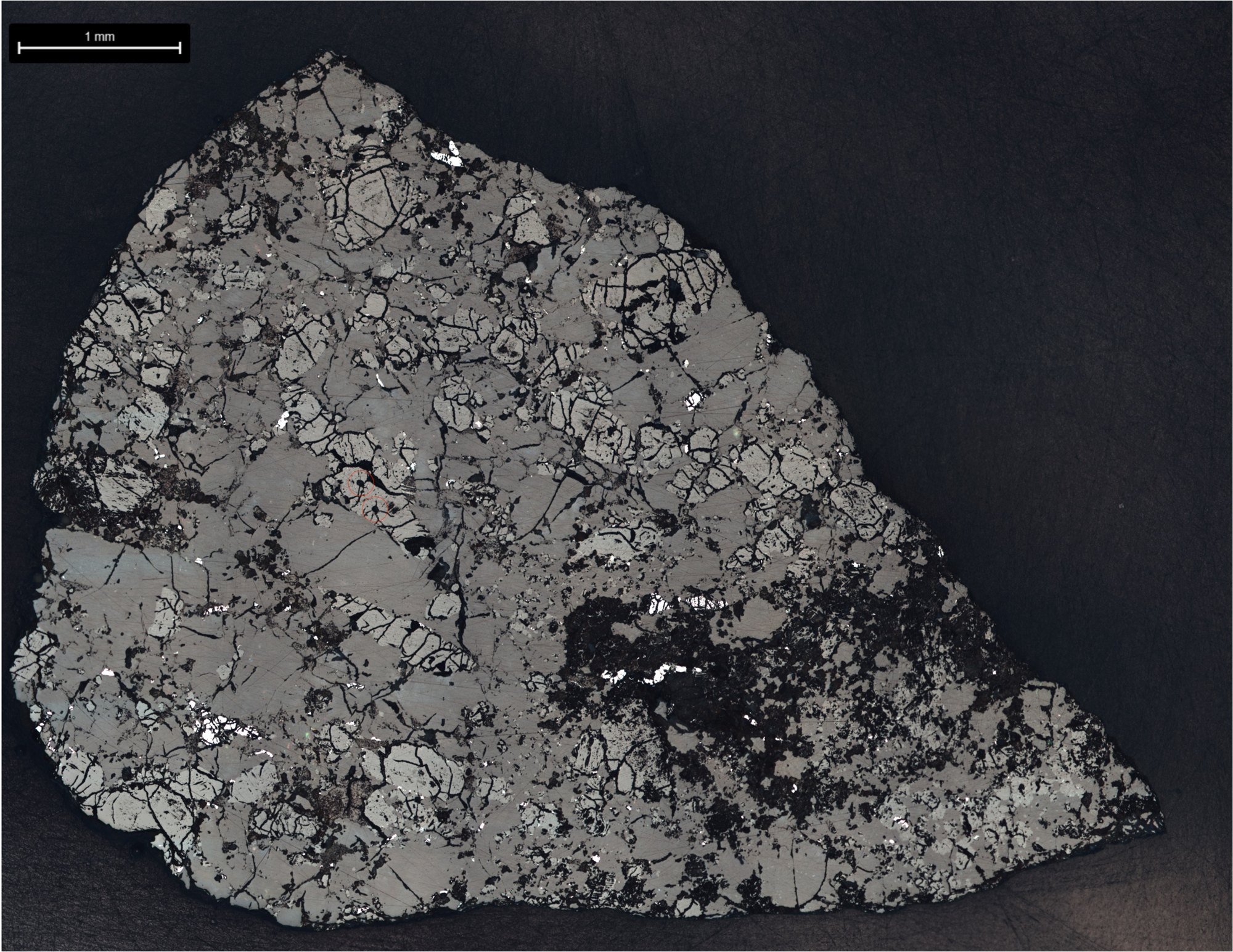
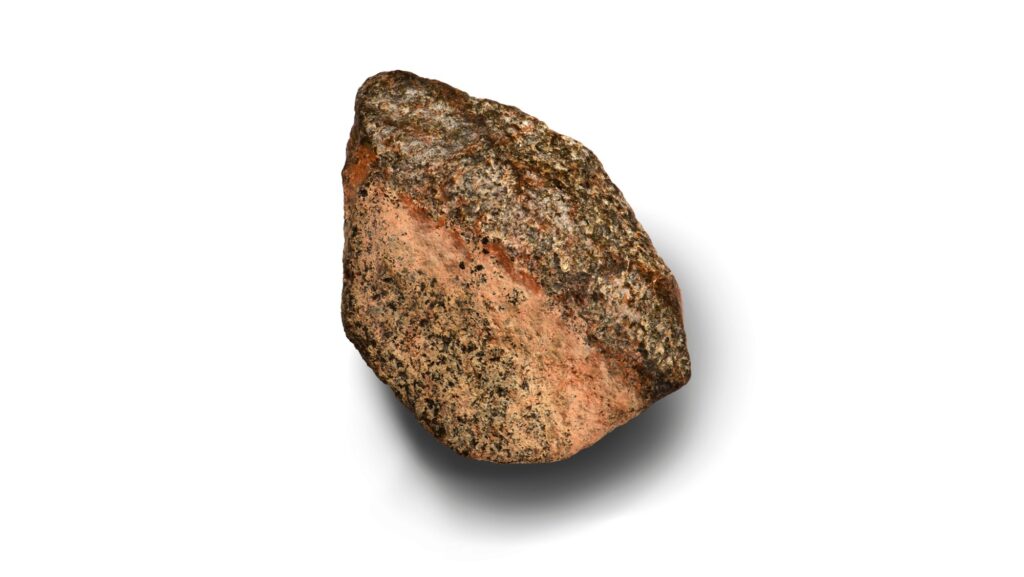
A nearly 2-pound (800-gram) rose-colored rock found in the Sahara in 2022 is a piece of Mars that formed more than 4.1 billion years ago, NASA said. It is one of the three oldest Martian meteorites known.
The meteorite, named Teghaza 001 after the salt plain in Mali where it was found, is one of roughly 435 known pieces of the Red Planet on Earth. NASA-funded researchers published a first full description of it on Thursday in the journal Science. A separate paper in Science Advances in June covered its water content.
How a skipped-over rock became a prize
When the stone was found, nobody knew its age or origin. Researchers at the University of New Mexico first identified it as Martian from its oxygen isotopes, which act as a chemical fingerprint for each planetary body. Its isotopes matched those of other Mars meteorites, and it looked like a shergottite, the most common class.
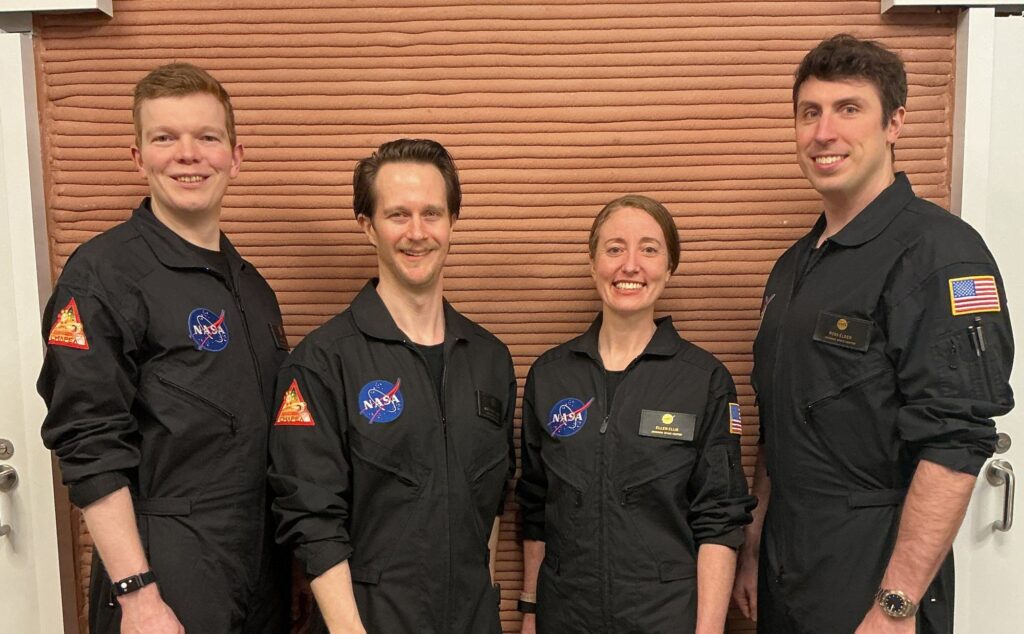
Yang Liu of NASA’s Jet Propulsion Laboratory in Southern California, an expert in planetary samples, almost declined to look at it, since she had seen many shergottites. Odd textures and unusual minerals changed her mind. Her team then found zircon crystals, which lock in the time a rock formed and are a standard tool for dating. The dating showed that Martian water had altered the rock around 4.1 billion years ago, so the rock itself must be older.
The dating used a new method from Caltech’s Francois Tissot and his team, called in-situ rubidium-strontium dating. Instead of dissolving a whole sample, it analyzes single mineral grains on the surface of a piece smaller than a fingernail. That leaves rare meteorites largely intact for later work. Tissot said his lab is one of very few able to do this and the first to date such an ancient Martian meteorite.
Crust that cooled from magma, then met water
The other two ancient Martian meteorites each show less. ALH84001 is made almost entirely of one mineral and is similar in age to Teghaza 001. The one nicknamed “Black Beauty” is about 2.1 billion years old and consists of small fragments of volcanic rock. Teghaza 001, by contrast, holds a mix of igneous (volcanic) minerals recording how crust formed from cooling magma and was later altered by water underground.
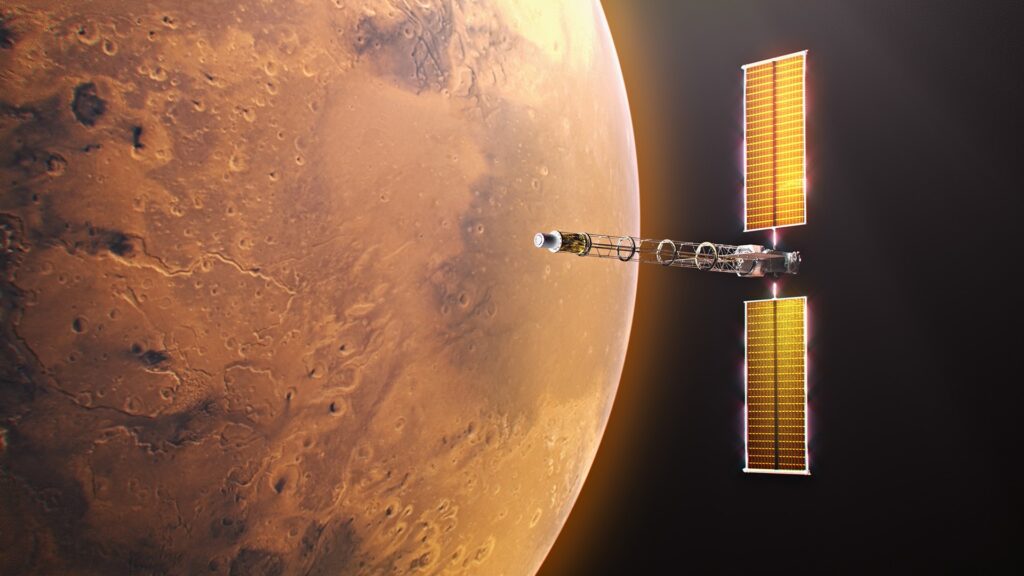
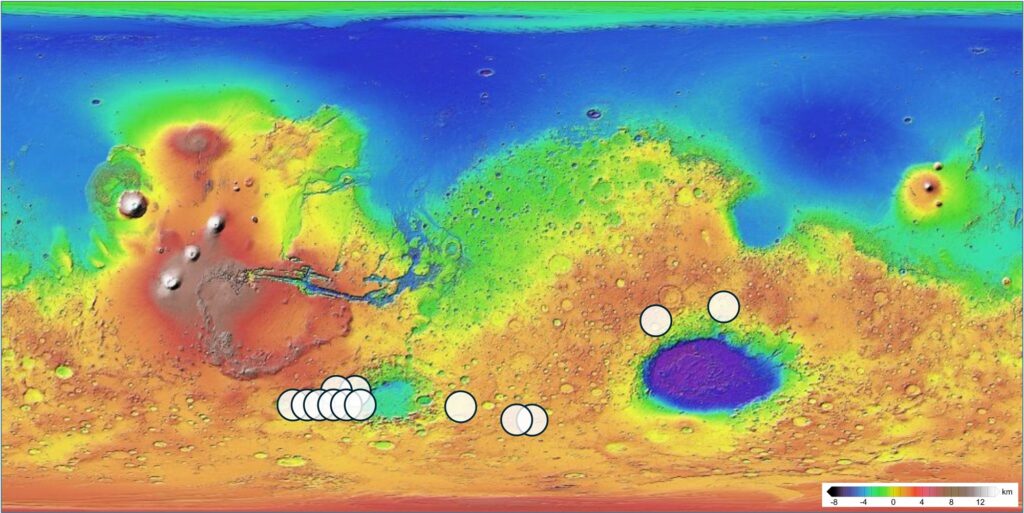
Its mineralogy matches what NASA’s Mars Reconnaissance Orbiter has seen in the cratered southern highlands. Nobody can say exactly where on Mars it came from, but the paper names 13 candidate locations that fit its chemistry and minerals. Co-author Lee Saper, now at NASA’s Ames Research Center, called it “our first piece of Martian crust from a part of Mars we’ve never had a sample of before.”
The oxygen isotopes, texture and chemistry point to what NASA describes as a much more dynamic water cycle on early Mars. Saper said the rock may even carry an imprint of the Martian atmosphere as it was losing water.
What to watch: More dating, and a benchmark for the rovers
The analysis is framed as a starting point. Liu said, “We’ve only scratched the surface,” and the team expects other scientists to take up the rock. Tissot hopes the dating method can be applied to more Martian meteorites and eventually to samples returned from other planets, moons and asteroids.
Two outside facts help put the age in context. ALH84001 was collected in Antarctica in 1984 by the ANSMET meteorite-hunting program, and a 2010 study in Science led by Thomas Lapen of the University of Houston dated it to about 4.091 billion years, roughly 400 million years younger than earlier estimates. A rock that old and still being re-dated shows how much the answer depends on the method, which is why a gentler, grain-by-grain technique matters.
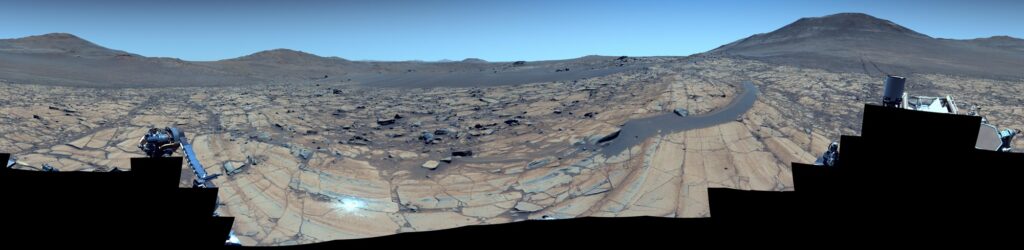
The other benchmark is the rovers. NASA says meteorites are confirmed as Martian by matching their minerals and chemistry to data from Viking, Curiosity and Perseverance. Readers following the Perseverance and Curiosity rovers will recognize the logic: rocks analyzed in place on Mars are the yardstick for rocks that arrive by accident on Earth.