Vietnam is the 78th country on the Artemis Accords, a week after Uzbekistan
Vietnam's science minister signed the Artemis Accords in Ha Long, NASA said, making it the 78th signatory of the non-binding principles for peaceful Moon and space exploration.
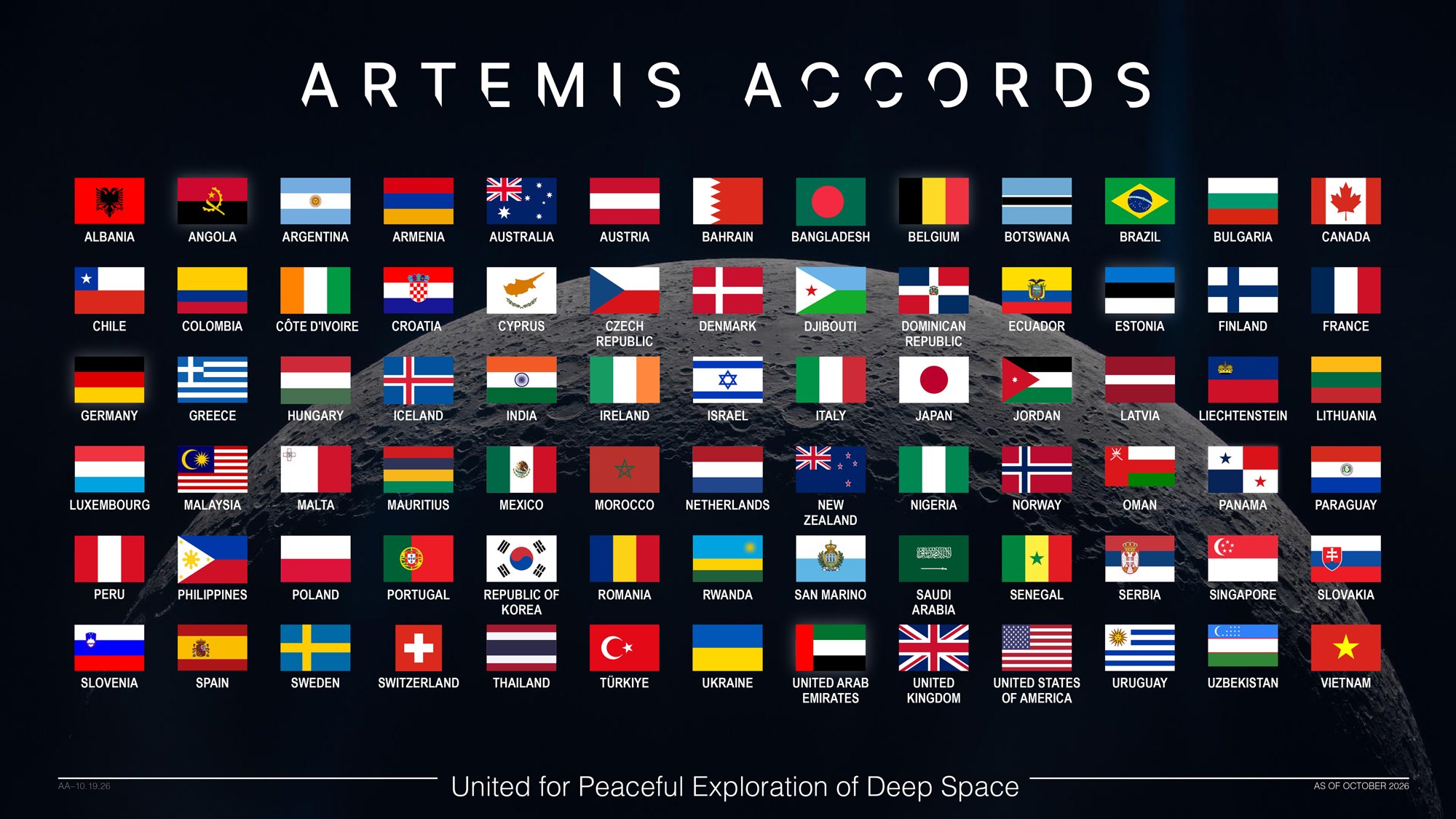
Vietnam became the 78th nation to sign the Artemis Accords, NASA announced on October 28. Minister of Science and Technology Vũ Hải Quân signed on the country’s behalf at the Vietnam International Digital Week in Ha Long.
Signed in Ha Long, with the US ambassador present
The Artemis Accords are a set of non-binding principles for how countries behave in space, especially on the Moon. NASA says signatories commit to explore peacefully and transparently, to help people in distress, to share scientific data, to avoid interfering with other countries’ activities, and to preserve historically significant sites and artifacts.
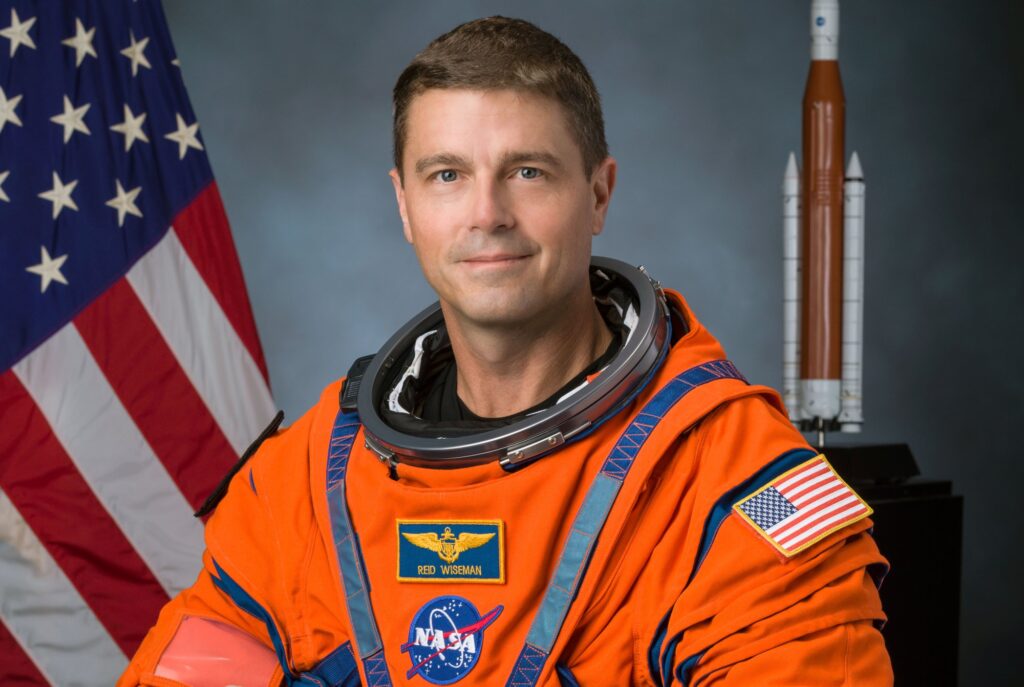
US Ambassador to Vietnam Jennifer Wicks also took part in the signing event. NASA Deputy Administrator Matt Anderson spoke in recorded remarks. “Vietnam is joining at an important point in the development of its own space program,” he said. He pointed to existing work between NASA and the Vietnam National Space Center on small satellites, studies of how land is used, and radar instruments that observe Earth.
What NASA and Vietnam already do together
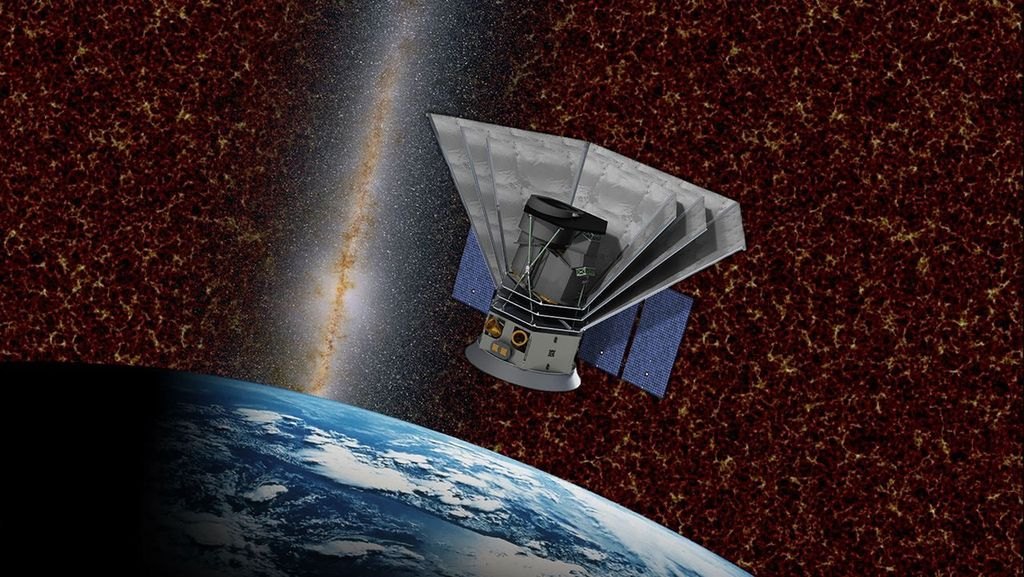
NASA says the two sides already work together. Earlier this year it partnered with Vietnam’s Vietnamese-German University to support the Soil Moisture Active Passive mission, a satellite that measures water in the surface soil worldwide.
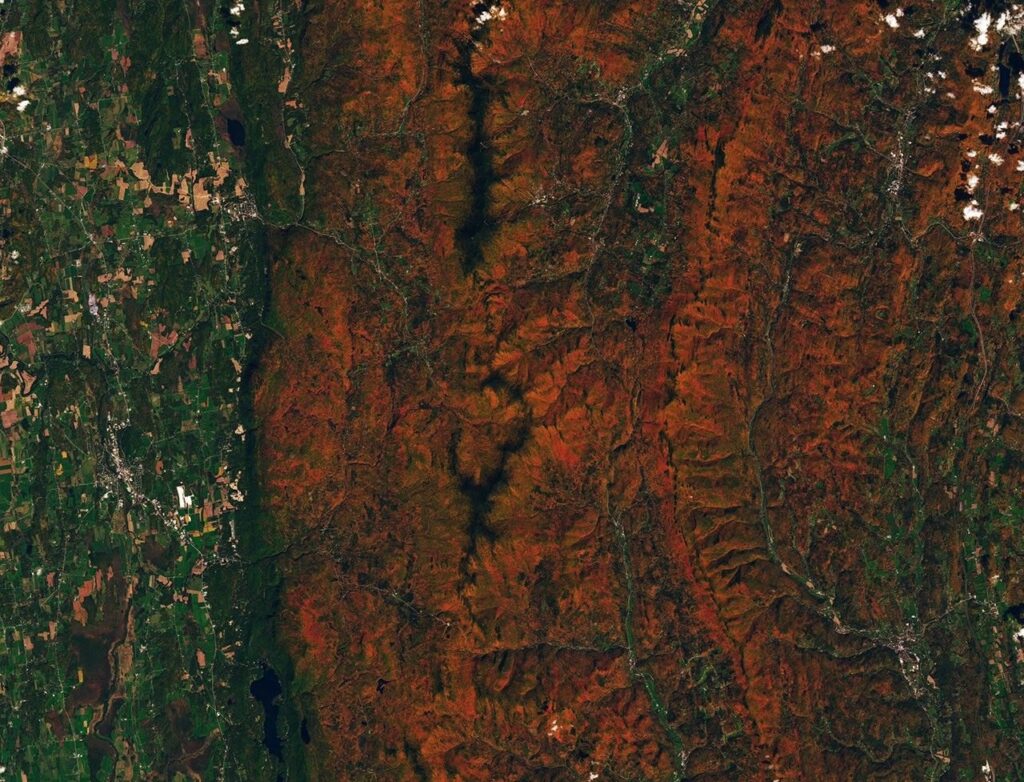
Vietnam has also opened its National Space Center in Hanoi. It is developing its own satellite capability through the LOTUSat program, which focuses on Earth observation, weather monitoring and disaster response. These are practical uses of space, and none of them involves going to the Moon.
A diplomatic step more than a space-flight one
The signing says more about alliances than about hardware. NASA describes it as extending the US-Vietnam Comprehensive Strategic Partnership, which it says rests on more than 30 years of cooperation across defense, economy, law enforcement, war legacy and technology, into space.
The pace of recruitment is the clearer signal. NASA and the State Department launched the Accords in 2020 with seven other founding nations, eight in total. Vietnam’s signature makes 78, which means about 70 countries have joined since. Uzbekistan became the 77th just over a week ago, according to NASA’s announcement on October 20, so two signatures arrived within about eight days.
For a country with a young space program, signing costs little and carries a clear benefit. It places Vietnam inside a coalition that is shaping the unwritten rules for lunar activity before any large number of missions arrive. The Accords were created, NASA says, in response to growing interest in the Moon from both governments and private companies. Because the principles are not a treaty, they bind no one legally, and their weight comes from how many countries follow them in practice.
NASA says it expects more countries to sign in the months and years ahead.