NASA locks in UVEX: $590 million and a launch no later than January 2031
After passing Key Decision Point C, NASA's UVEX ultraviolet survey telescope now has a fixed price and a launch deadline of January 2031.
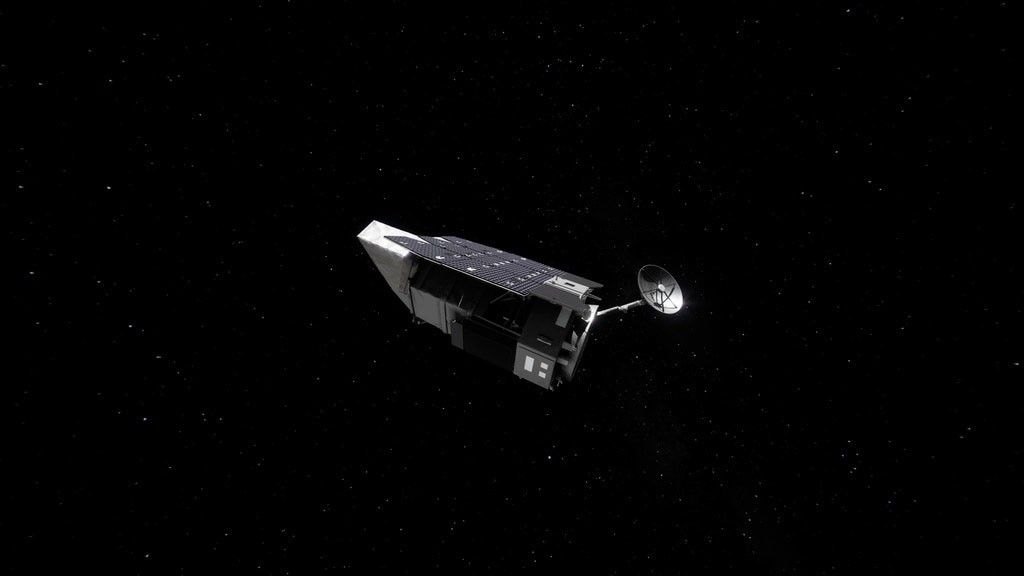
NASA has confirmed its UVEX space telescope after a major review, committing to a launch by January 2031 and a total lifecycle cost of $590 million. UVEX will survey the entire sky in ultraviolet light.
What the review locked in
The review is called Key Decision Point C, or KDP-C. It is a technical and programmatic check, meaning engineers and managers test both the design and the plan for building it. By passing it, NASA says, the agency commits to the launch date and the cost figure, which covers the whole life of the mission, not only construction.
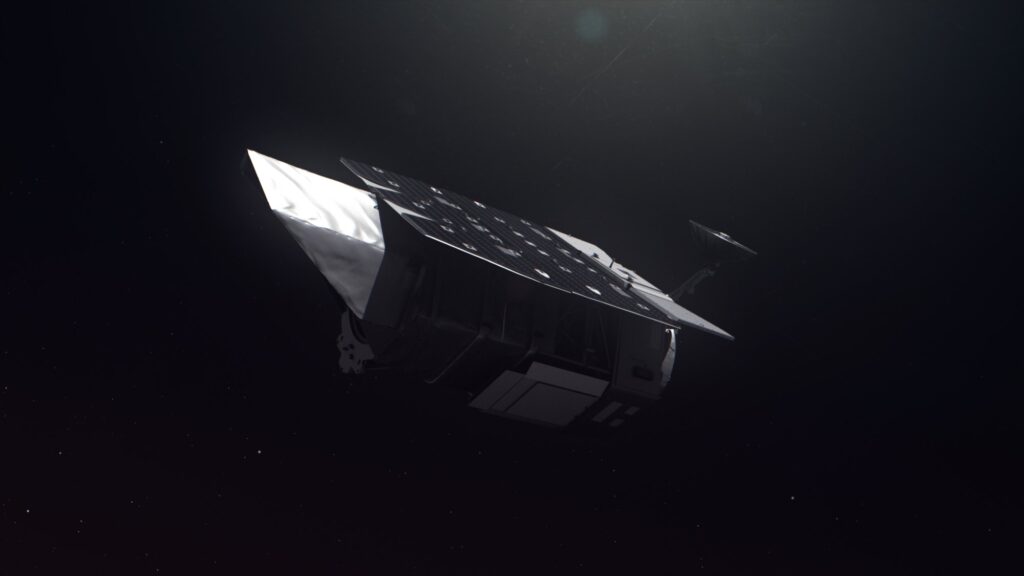
UVEX, short for UltraViolet EXplorer, was selected for development in 2024 as a Medium-Class Explorer mission. That is NASA’s mid-sized tier of competitively chosen astrophysics missions, smaller than flagship observatories such as the James Webb Space Telescope. The principal investigator, the scientist who leads the mission, is Fiona Harrison of Caltech in Pasadena, California.
Other institutions on the team are the University of California at Berkeley, NASA’s Jet Propulsion Laboratory, Northrop Grumman and Space Dynamics Laboratory.
A map of the sky in ultraviolet
Ultraviolet is light with wavelengths shorter than the violet we can see. Much of it is absorbed by Earth’s atmosphere, so it is best studied from space. According to NASA, UVEX will make a sensitive survey of ultraviolet light across the whole sky, aimed at showing how galaxies and stars evolve.
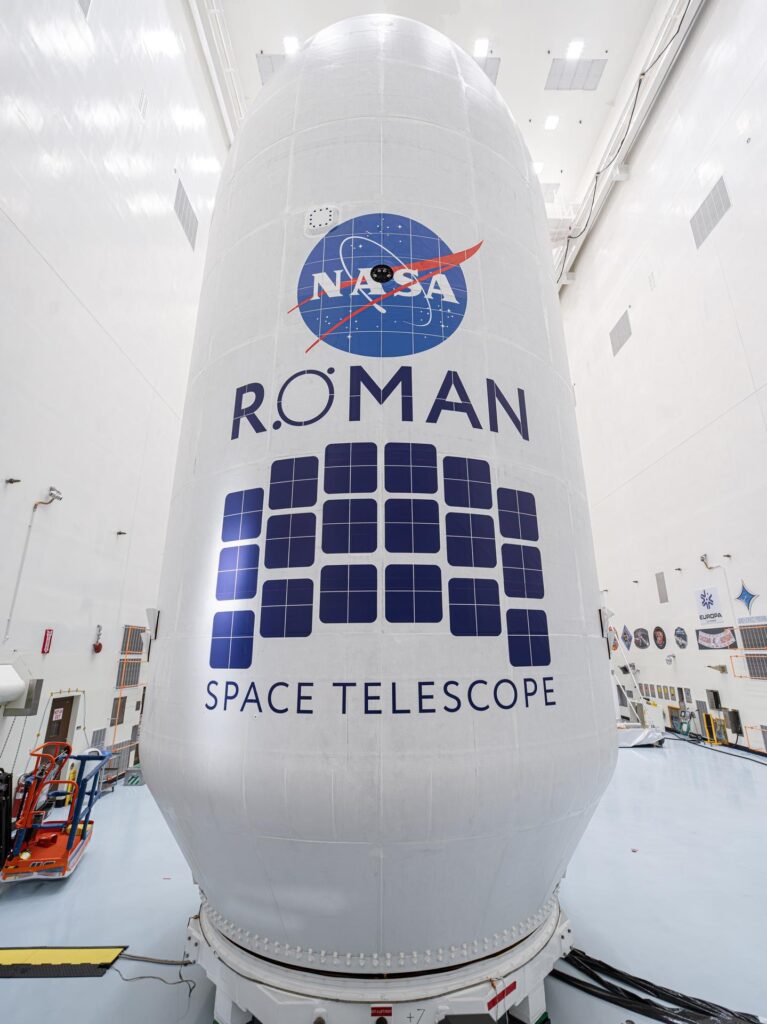
NASA also describes it as a partner to other wide surveys, such as the Nancy Grace Roman Space Telescope, in building a modern map of the universe across different wavelengths. Roman works mainly in infrared light, which means the two would see the same sky in very different colors.
The second job is speed. UVEX is designed to point quickly at sources of ultraviolet light, including the explosions that follow bursts of gravitational waves from merging neutron stars. Gravitational waves are ripples in space-time, and the first neutron star merger detected this way, GW170817, was seen by the LIGO observatory in August 2017, according to Caltech’s 2024 announcement of the mission.
What a fixed price tells us about the schedule
The date in NASA’s new commitment is later than the one first given. When Caltech announced UVEX’s selection in February 2024, it said the telescope was targeted to launch in 2030. NASA now commits to a launch by January 2031, so the confirmed schedule sits a few months to a year beyond that early target. NASA’s announcement does not say why.
That is not unusual for a mission at this stage. KDP-C is the point where early estimates turn into a baseline that the agency can be held to. A cap of $590 million over the full lifecycle gives Congress and the science community one number to judge the mission against, and any overrun after this point is far more visible than a drifting estimate in the design phase.
The cost also needs to be read against the mission’s size. Explorer missions are built to a fixed budget on purpose. The idea is that a focused instrument, here a survey telescope with a rapid-response mode, can deliver major science without a flagship price tag. Roman, the telescope NASA names as UVEX’s companion survey, is a much larger observatory. NASA said on October 22 that it had entered its final commissioning phase, in which the team is running test observations before science operations begin. The ultraviolet map is therefore designed to arrive after Roman’s infrared survey is already under way.
NASA has not published a launch vehicle or orbit in this announcement. The agency’s wider list of space telescopes is at nasa.gov/universe.