Perseverance passes Opportunity’s driving record as Curiosity tops 1 km of climb
Perseverance passed Opportunity's off-world driving record on Oct. 11, 2026, and Curiosity reached 1 kilometer of elevation gain on Mount Sharp on Aug. 26.
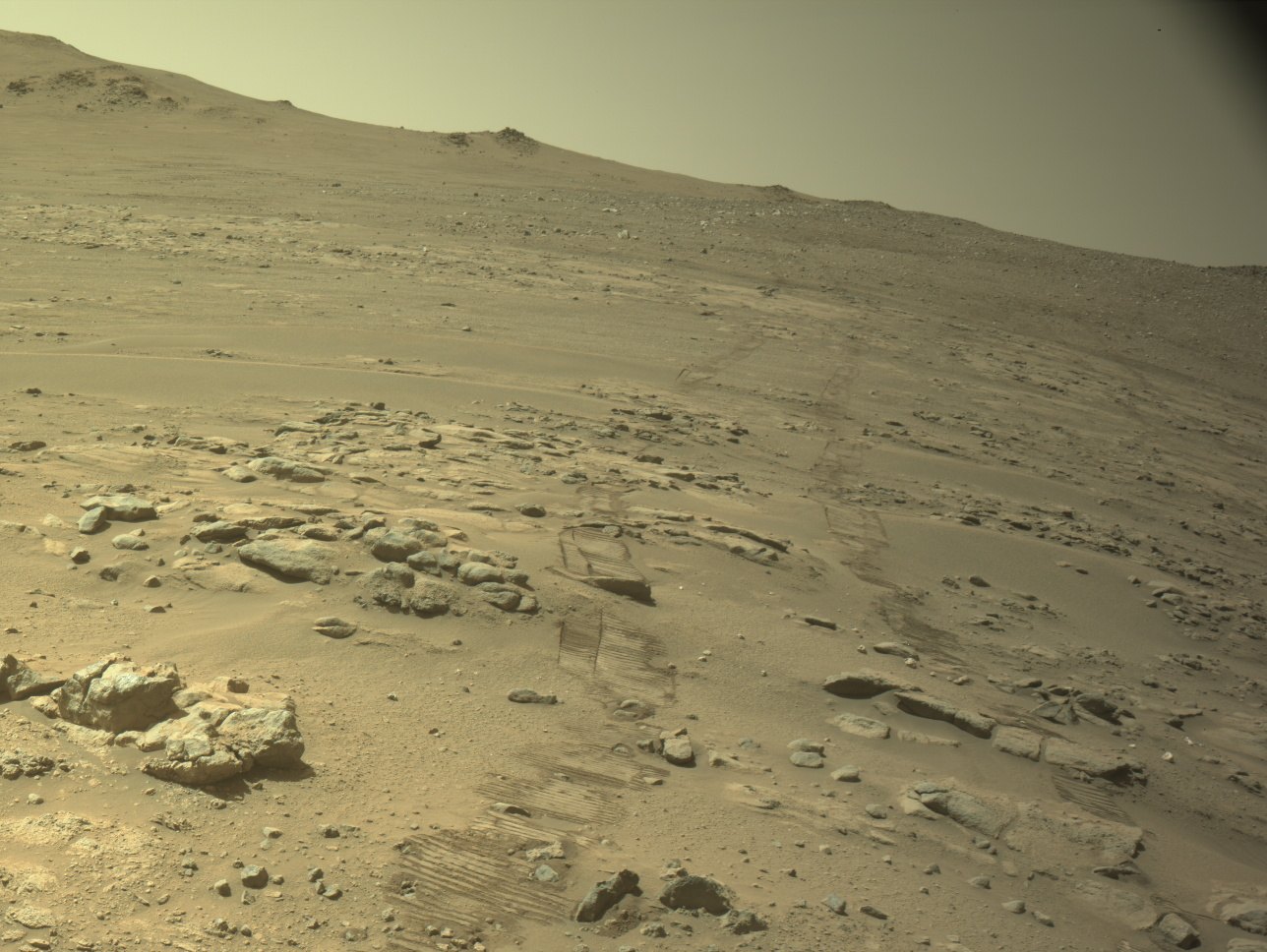
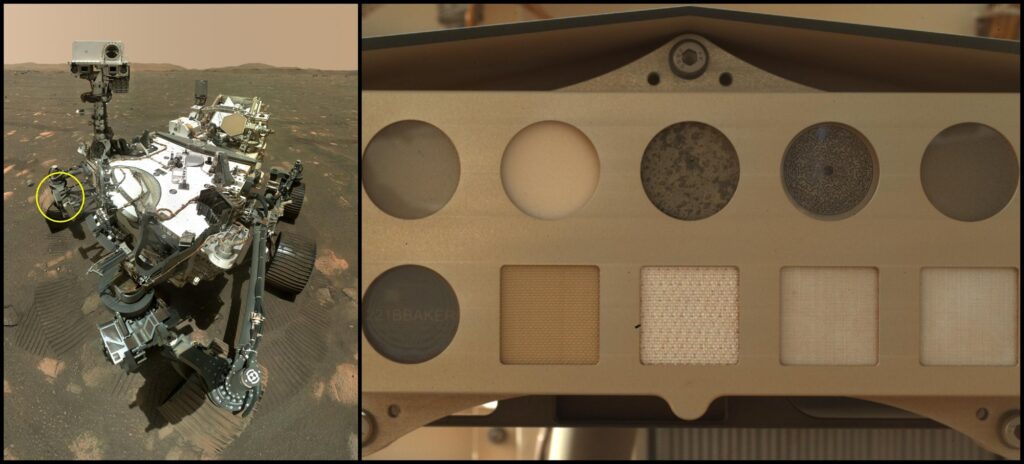
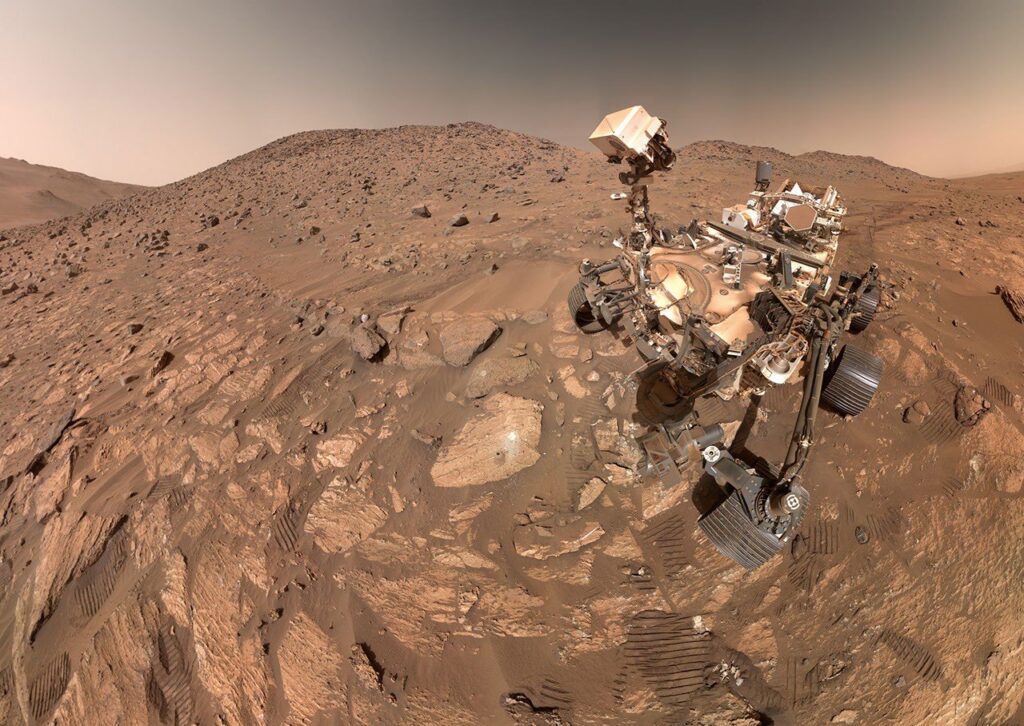
NASA’s Perseverance rover passed Opportunity’s off-world driving record on Oct. 11, 2026, reaching 28.10 miles (45.22 km) on its 2,006th sol. Curiosity, now 14 years into its mission, reached 1 kilometer of elevation gain on Mount Sharp on Aug. 26.
A rover that has driven farther than any other
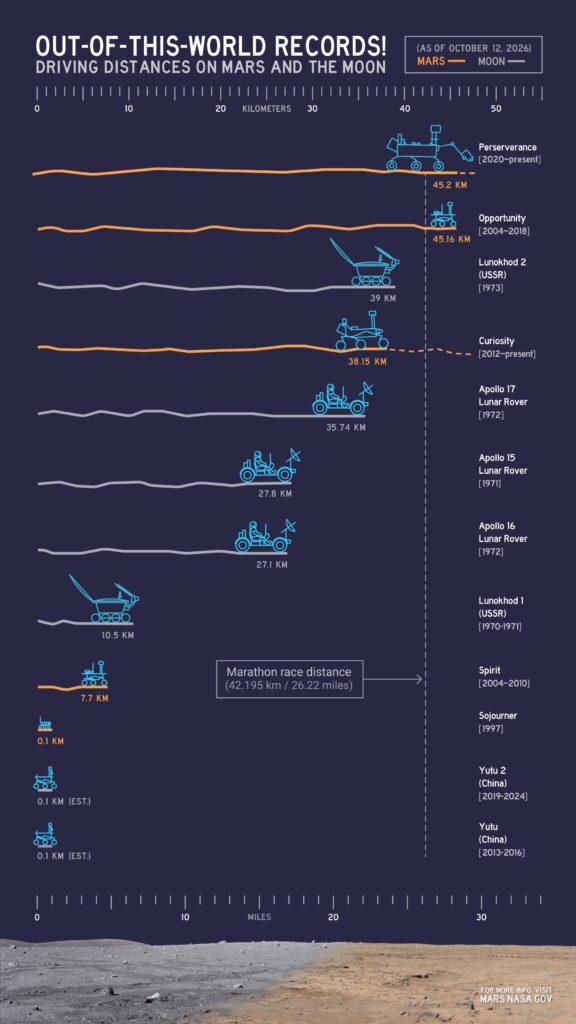
Opportunity’s total of 28.06 miles (45.16 km) was set between 2004 and 2018. According to NASA, Perseverance covered its distance in about five and a half years, while Opportunity needed nearly 15. The drive that carried it past the mark was 91.31 meters (299.6 feet) long. The mission’s original plan called for no more than 12.4 miles of driving.
The rover’s best single-sol drive was up to 412 meters (1,351 feet). It has also passed the lunar records held by Apollo 17 (22.2 miles) and Lunokhod 2 (24.2 miles). Curiosity, which landed in Gale Crater in 2012 and is still operating, has driven more than 23.65 miles (38.07 km).
NASA credits much of the gain to autonomy. Perseverance’s AutoNav system images the terrain while the rover moves, builds a three-dimensional hazard map and plots a route between waypoints set by planners on Earth. About 90% of the rover’s total distance used AutoNav for terrain evaluation, compared with about 5% for Opportunity and Spirit.
“Perseverance is a better driver than the one that landed, and we’re not done,”
said Mark Maimone, deputy team chief for robotic operations on Perseverance, in NASA’s account of the record.
Where Perseverance is headed in Jezero’s rim
On the day of the record the rover was heading toward a target called Idubi in the Lac de Charmes area, off the western rim of Jezero Crater. NASA says the region holds some of the oldest terrain the team has explored, and the team hopes Idubi preserves traces of ancient hydrothermal systems. After that, the rover is to follow the rim south toward Rainbow Falls, a block of ancient crust about 100 meters wide that was uplifted by the impact that formed Jezero.
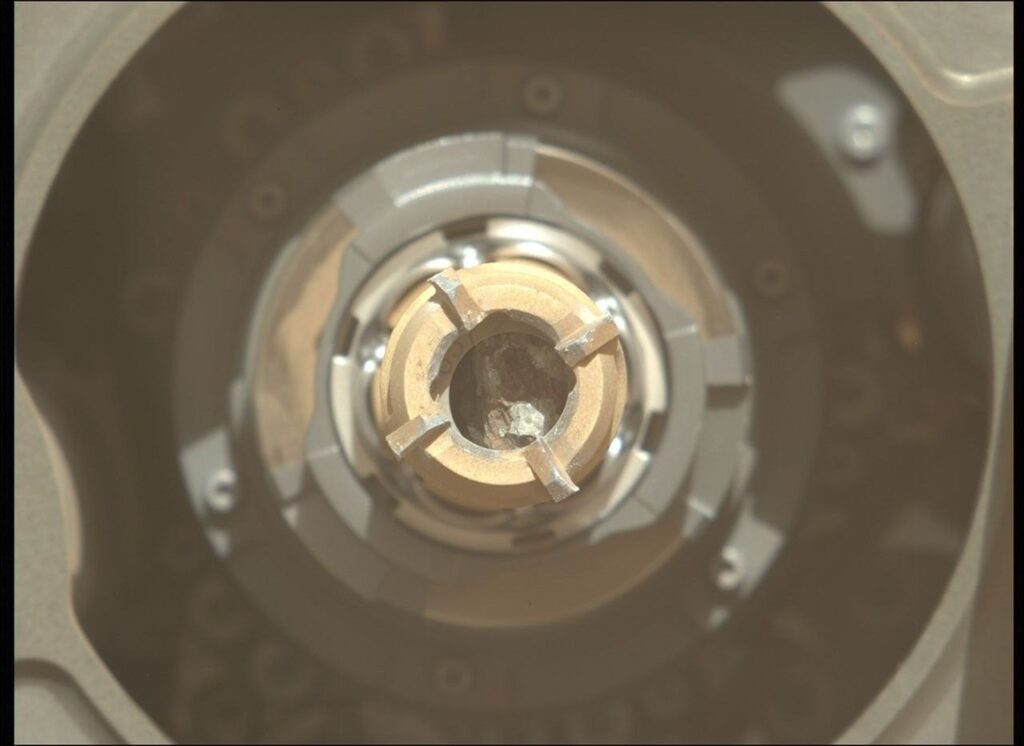
NASA approved the mission’s first extension, which began in October 2026 and runs through about the end of 2028. Engineers are developing software to reduce steering and improve position checks against orbital maps, and want the navigation cameras to cope better with sun glare. The rover has collected 29 rock and regolith samples from the crater floor, a delta fan and the rim.
The Cheyava Falls sample and what remains unproven
The most debated result is from summer 2024, when Perseverance investigated a rock nicknamed Cheyava Falls. Its “Sapphire Canyon” sample contains what NASA calls potential biosignatures, according to results published in the journal Nature in September 2025. NASA’s mission page stresses that this means a feature that might have a biological origin but needs more data or further study before any conclusion is reached. Non-biological explanations have not been ruled out.
That caution matters because the samples are still on Mars. NASA’s Mars Sample Return page, last updated Sep. 17, 2026, now describes the campaign with NASA and ESA in the past tense, as a plan for a multi-mission effort, and says nothing on funding or a schedule. The Perseverance mission page says only that the samples could be picked up by a future mission. Until one is approved, analysis in Earth laboratories remains a goal rather than a plan. Japan’s separate Phobos sample return mission is the nearest Mars-system sample effort now scheduled.
Curiosity’s climb up Mount Sharp
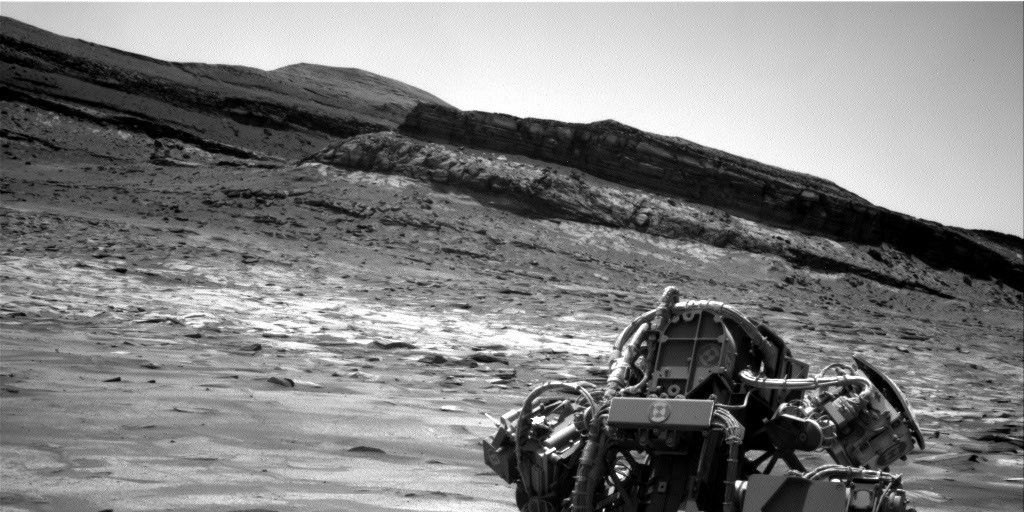
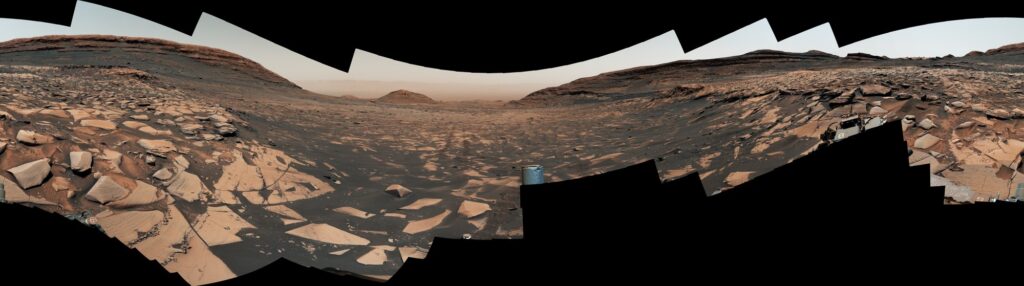
Curiosity has been climbing Mount Sharp, a mountain about 5 km (3 miles) tall at the center of Gale Crater, since 2014. NASA’s release on the milestone says the rover reached a cumulative elevation gain of 1 kilometer on Aug. 26, 2026, the highest point of its mission so far. The accompanying panorama, assembled from 323 Mastcam frames taken on sols 4,972 and 4,973, shows the floor and northern rim of Gale Crater from a broad valley nicknamed Valle Grande.
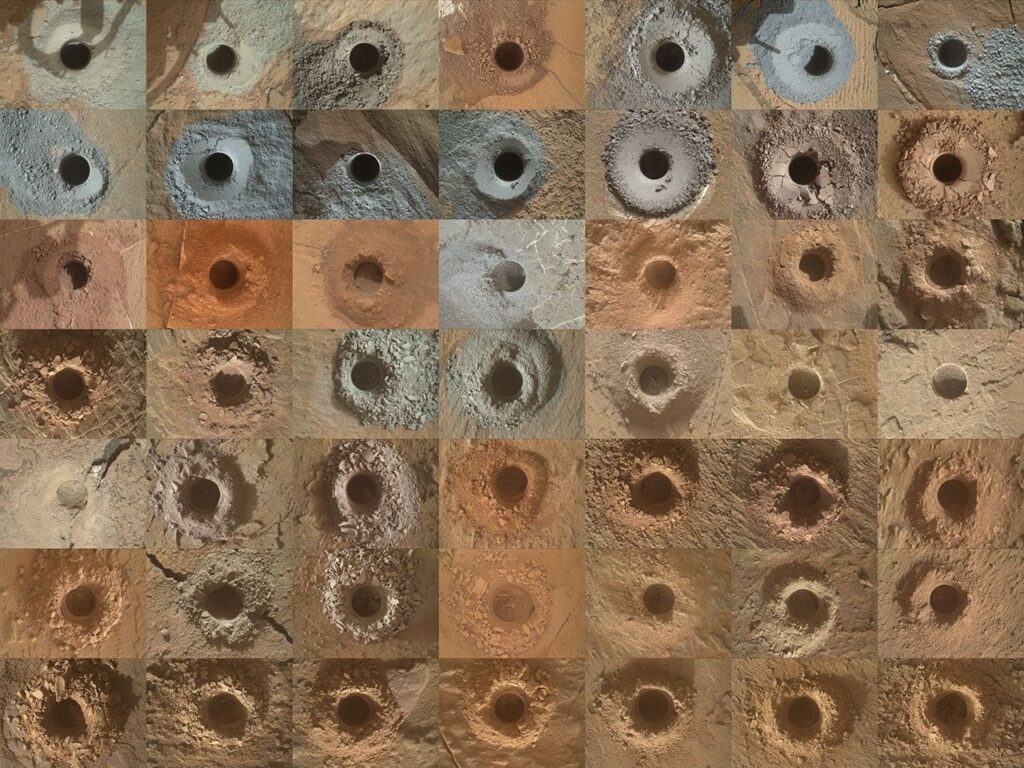
The rover’s discoveries are cumulative. NASA’s Curiosity mission page lists the organic molecules decane, undecane and dodecane, the largest found on Mars so far, detected in a drilled rock sample called Cumberland. A study published in Astrobiology in February argued that the non-biological sources it considered could not fully explain their abundance. The study does not claim life; it narrows the list of explanations. The rover has collected 42 powdered rock samples with its drill.
Ingenuity’s flights ended, but the data remain
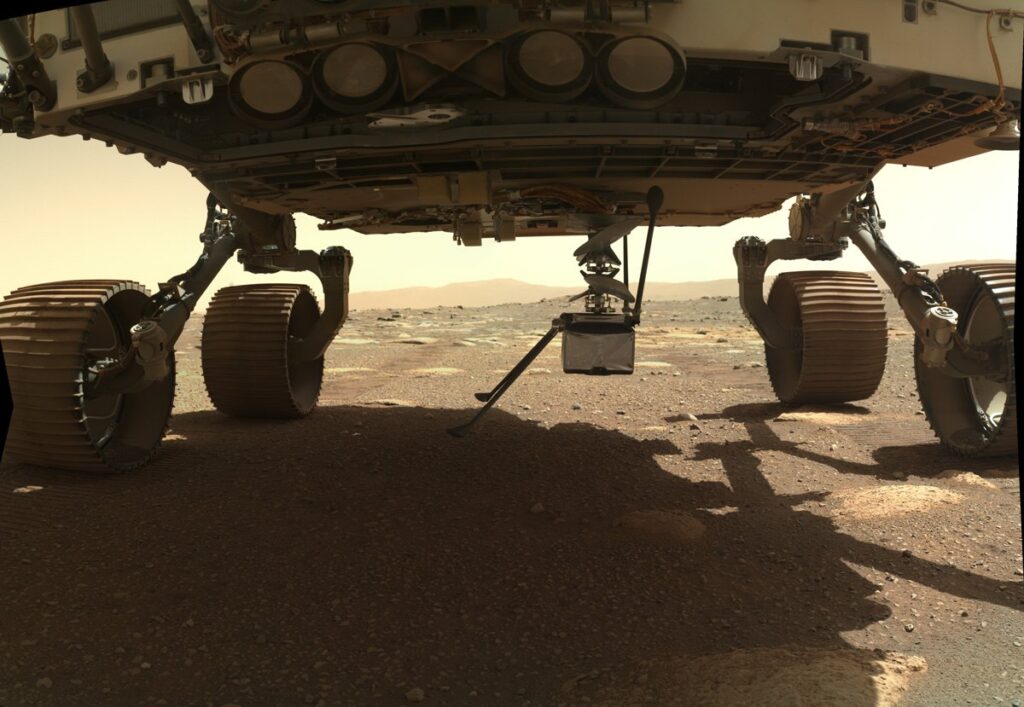
Ingenuity, the helicopter that traveled with Perseverance, flew 72 times between April 19, 2021, and Jan. 18, 2024, according to NASA’s Ingenuity page. It logged about 128.8 minutes in the air, covered 10.5 miles (17.0 km) and reached a maximum altitude of 78.7 feet (24.0 meters). NASA declared the mission complete on Jan. 25, 2024. Reports at the time attributed the end to damaged rotor blades; the mission page itself does not give the cause.