Europe’s ice satellite CRISTAL unfolds its solar wings and passes its first big tests
ESA's CRISTAL polar ice satellite finished assembly in September and passed its first solar panel deployment test, with a year of environmental testing next.
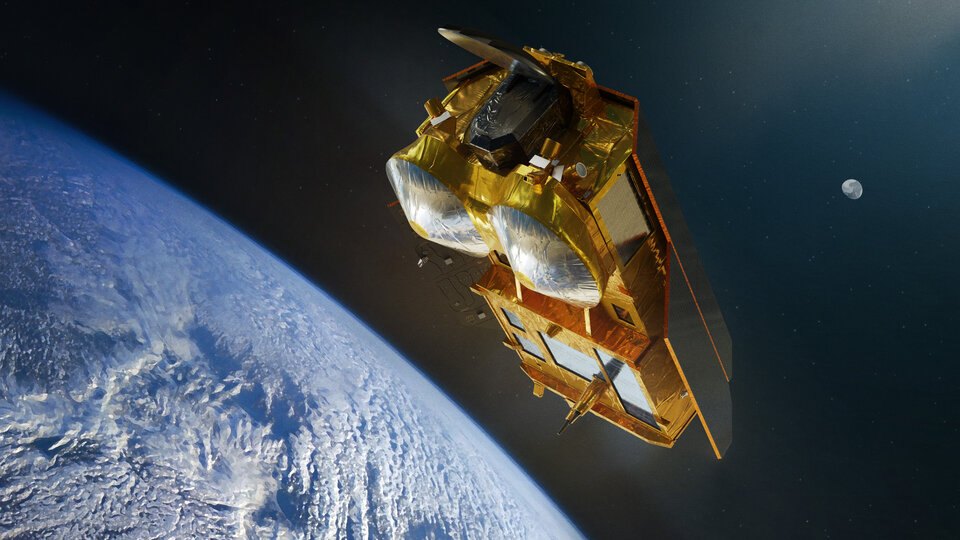
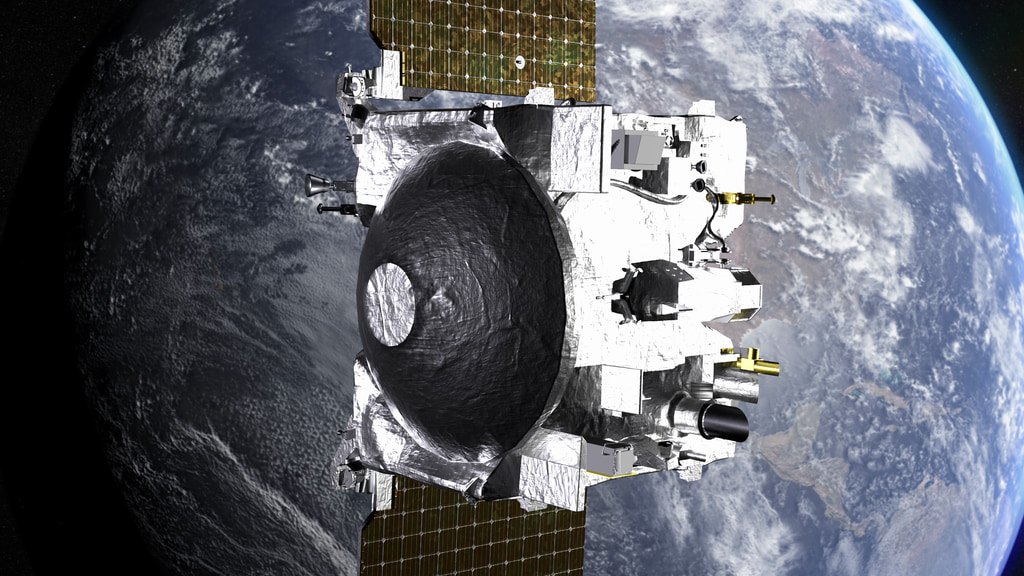
The European Space Agency’s new polar ice satellite CRISTAL has completed assembly and passed its first solar panel deployment test. ESA says the satellite is now heading into a year of environmental testing, with launch targeted for late 2027 to early 2028.
Solar wings, launch adapter and a design review
Engineers at Airbus in Friedrichshafen, Germany, finished assembling the satellite in September. They then began testing its systems, starting with the solar arrays, the wing-like panels that make its electricity. The deployment test checks that the mechanisms and the software commands that trigger them work together, so the wings will unfold correctly once the satellite is in orbit.
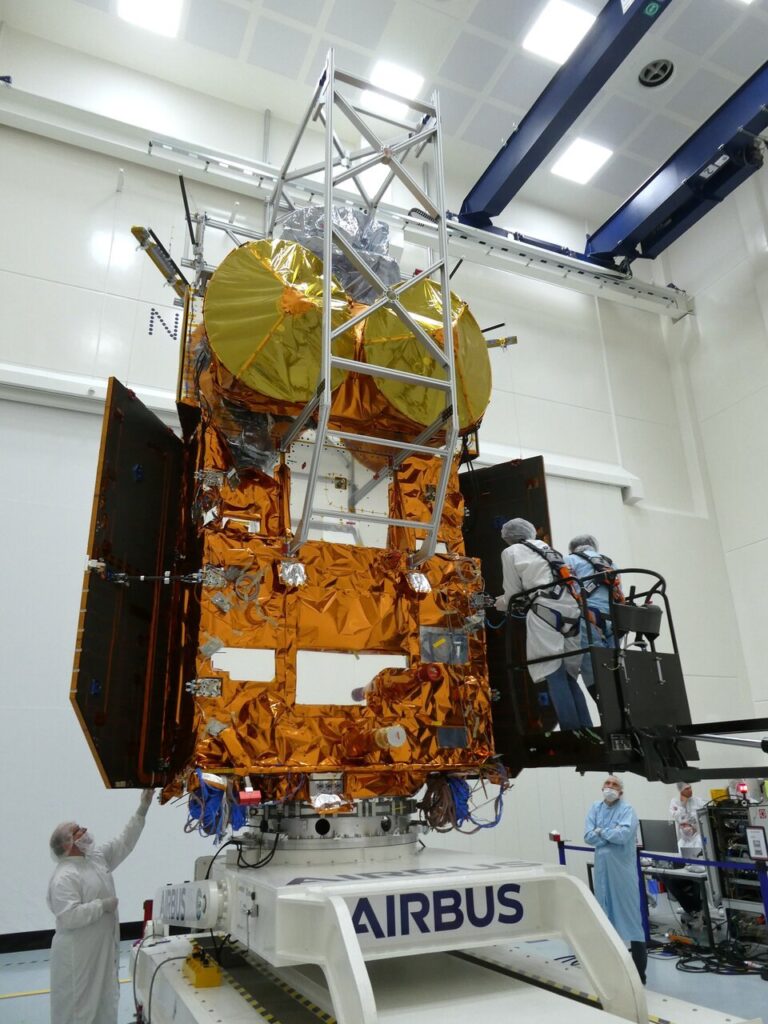
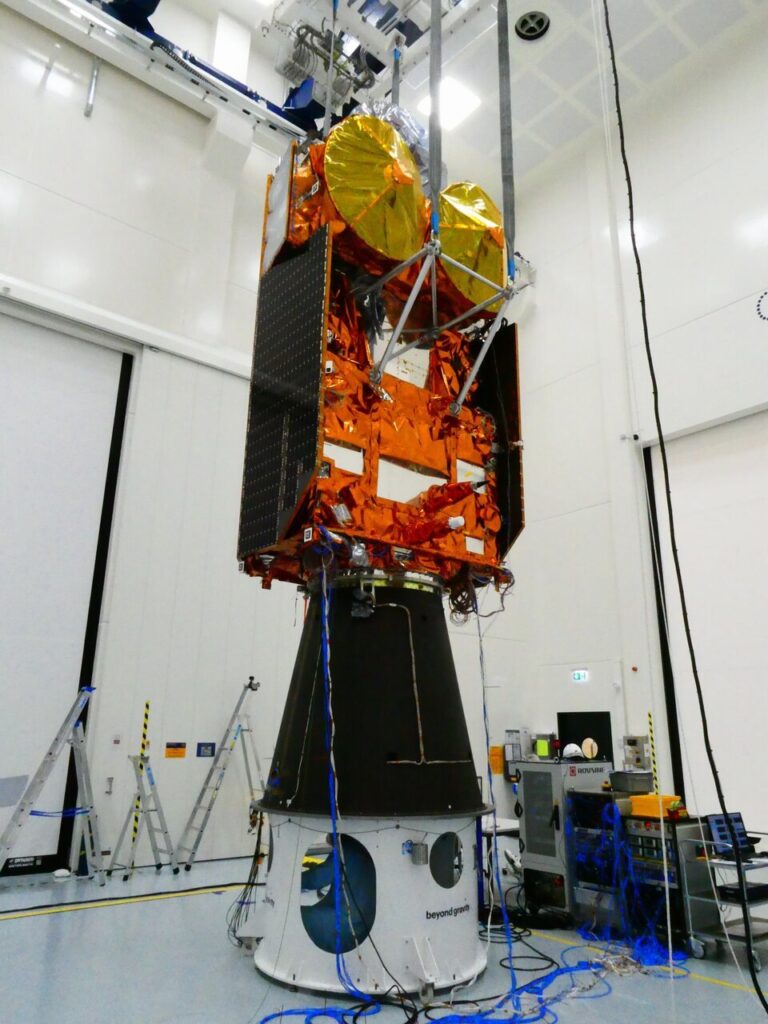
A second test was run with the launch company Avio. The team checked that CRISTAL fits on its launch adapter, the part that holds the satellite on the rocket. They also confirmed that the release mechanism works, so the satellite will separate cleanly and be placed in orbit.
At the same time, the project held its Intermediate Qualification Status Review. This is a formal check of whether the equipment, instruments and subsystems have been proven fit for flight, and it comes before the tests of the complete satellite. ESA’s CRISTAL project manager, Kristof Gantois, said “Everything is progressing very well and the satellite passed these tests with flying colours.”
What CRISTAL will measure from orbit
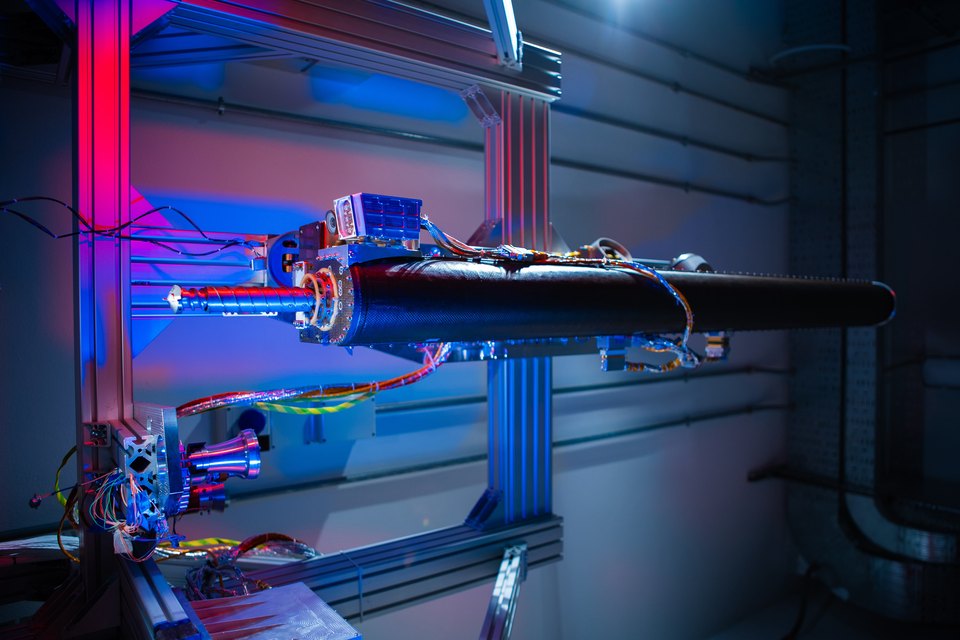
The name is short for Copernicus Polar Ice and Snow Topography Altimeter. An altimeter bounces radar pulses off a surface and times the echo to measure height. CRISTAL carries the first radar altimeter that works at two frequencies, plus a microwave radiometer, an instrument that detects the faint microwave glow given off by ice and snow. Together they are meant to track sea-ice thickness, the depth of snow lying on top of it, and the height of the big ice sheets.
CRISTAL is set to be the first of the Copernicus Sentinel Expansion missions to reach orbit. Copernicus is the EU’s Earth observation program, and the expansion missions add new measurements to it. ESA says CRISTAL will extend the record of ice height changes for at least two more decades, building on its CryoSat research mission. A second satellite, CRISTAL-B, is planned to launch near the end of CRISTAL-A’s working life so the record has no gap.
The data is meant for practical users as well as climate scientists. ESA lists support for shipping in polar oceans, work on coastal and inland waters, and monitoring of ocean topography.
Why two frequencies are a step beyond CryoSat
CryoSat, launched on April 8, 2010, carries a single radar altimeter, called SIRAL, that works in the Ku-band at 13.6 GHz, according to its reference entry. A single frequency struggles to separate the top of the snow from the top of the ice beneath it, which is why snow depth on sea ice has been a source of uncertainty in thickness estimates. A second frequency penetrates the snow differently, which is what the dual-frequency design is meant to exploit. ESA’s text states the aim, to measure snow depth together with ice thickness, but does not give accuracy figures for CRISTAL.
The CryoSat comparison also shows how long this work takes. CRISTAL’s launch window sits roughly 17 to 18 years after CryoSat’s, so the program is built on a continuous record rather than a one-off look at the poles.
A year at ESA’s test center in the Netherlands
The next stage is the toughest. Gantois said the satellite will move from Friedrichshafen to ESA’s establishment in the Netherlands, where it will “spend most of next year” in environmental tests. These check that it can survive the shaking of liftoff and the conditions of space. The launch window spans several months, and ESA has not named a rocket or a firm date, so the schedule will depend on how that campaign goes.
For now, the milestones are met: assembly is complete, the solar wings have been shown to deploy on the ground, and the satellite-to-rocket interface works as designed.