Dragon leaves the station on Nov. 18 with lab-grown blood vessels and tumor samples
NASA will stream the undocking of SpaceX's CRS-35 Dragon on Nov. 18, with splashdown off California targeted for early Nov. 19 and research samples aboard.
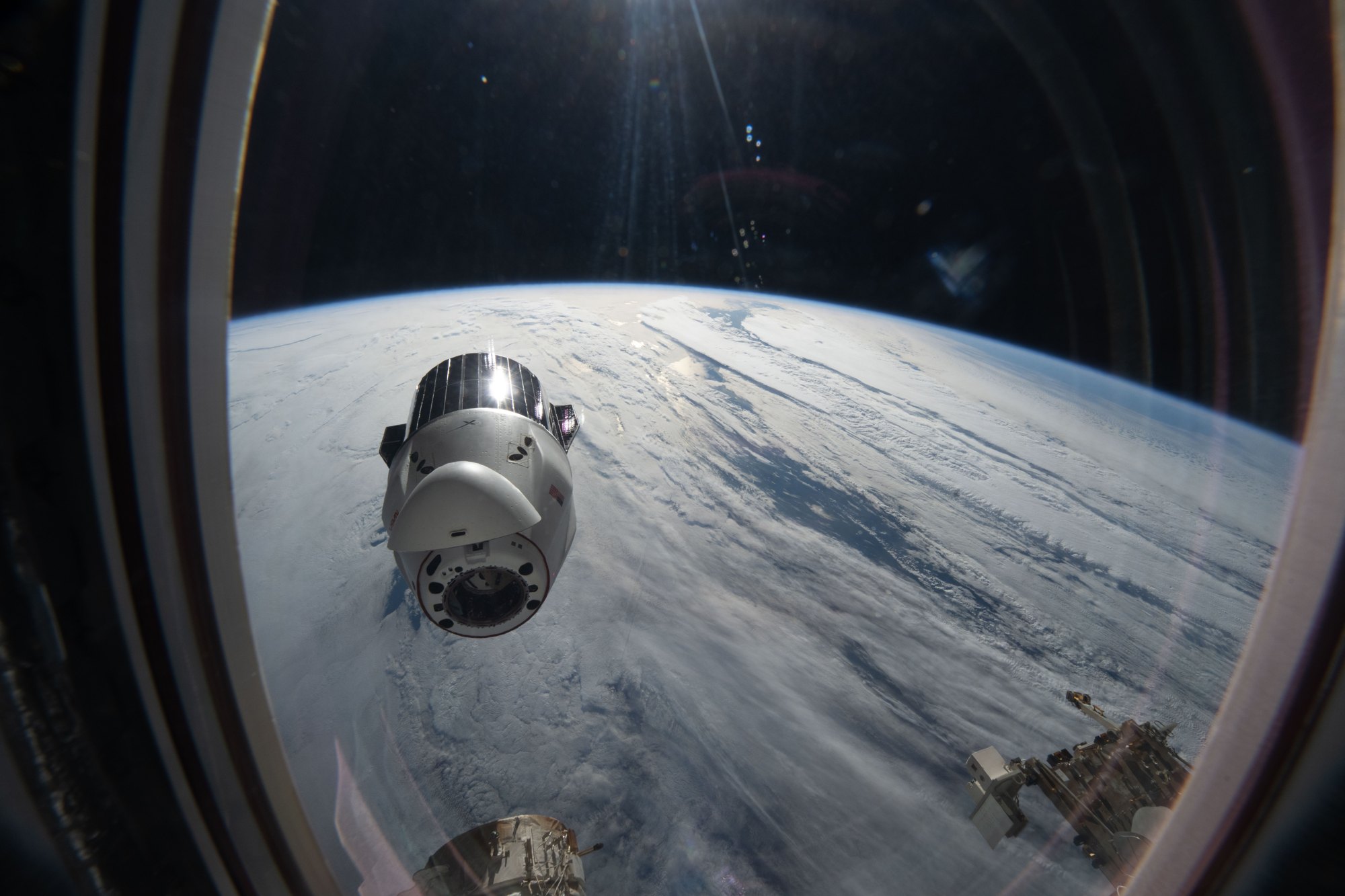
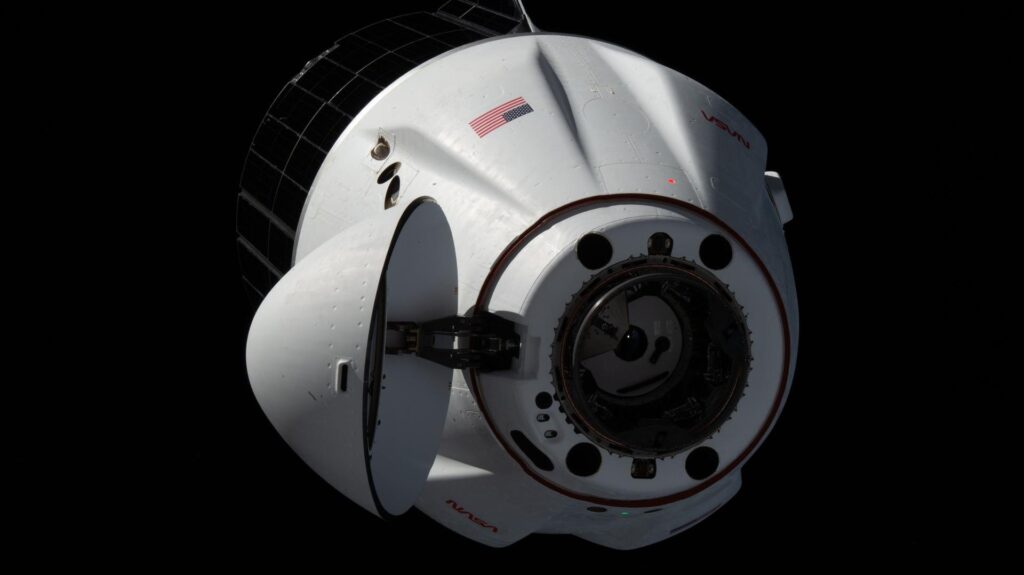
SpaceX’s Dragon cargo ship is set to undock from the International Space Station no earlier than Wednesday, Nov. 18, at 16:05 UTC (11:05 a.m. EST), NASA said, carrying research samples back to Earth.
The departure belongs to the agency’s 35th commercial resupply mission with SpaceX, a contract in which the company flies cargo to the station and brings experiments home. If weather allows, ground controllers at SpaceX’s facility in Hawthorne, California, will send the undocking command, and Dragon will pull away from the Harmony module’s space-facing port.
Times for undocking and the ocean landing
NASA’s live coverage starts at 15:45 UTC (10:45 a.m. EST), about 20 minutes before the planned undocking, and streams on NASA’s live channels. The splashdown, the capsule’s landing in the sea under parachutes, is targeted off the California coast no earlier than 06:50 UTC on Thursday, Nov. 19. That is 1:50 a.m. EST, or 10:50 p.m. PST on Nov. 18.
NASA will not stream the splashdown. It plans to post updates, including any change to the timing, on its space station blog. Both NASA and SpaceX are watching the forecast and say they will adjust plans to conditions in the recovery area, so the times above could move.
What is coming home in the capsule
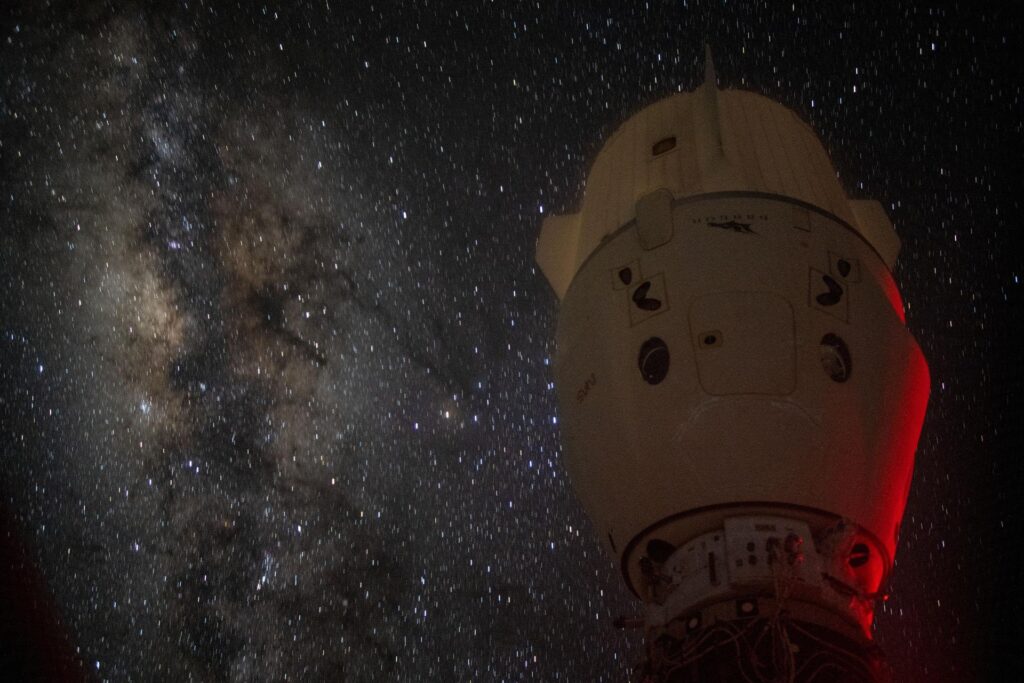
Thousands of pounds of cargo are returning. NASA singled out four research items:
- A blood vessel construct made with a 3D bioprinter. Researchers used it to examine how blood vessels age and how heart and vascular disease develops, both in orbit and on the ground.
- Tumor organoids, small lab-grown clusters of cells that mimic a tumor. They were treated on the station and then frozen. Researchers hope they will point to better cancer treatments and more personalized medicine.
- Frozen microbial samples. Scientists will study them to understand how bacteria that resist antibiotics persist, change and evolve during spaceflight.
- A lighting system that spent more than three years on the station. Researchers tested whether it can support astronauts’ sleep and well-being on long missions.
Dragon reached the station on Oct. 15 with more than 6,300 pounds of crew supplies, science investigations and equipment. Its Falcon 9 rocket had lifted off two days before, from Cape Canaveral in Florida. Our earlier report on the return cargo of bacterial DNA, blood vessels and a used spacesuit has more on what was packed.
Why these samples have to come home
The scientific value is simple: some measurements cannot be made on the station. A frozen tumor organoid or a bacterial sample needs the full set of instruments in a ground laboratory, and the only way to get it there is a capsule that can return cargo intact. Few vehicles can do that, and Dragon is one of the ways NASA gets delicate, temperature-sensitive material back.
NASA’s mission page adds two details that put this flight in context. It lists the mission length as about one month, and it says two student-built CubeSats, small satellites, were part of the cargo to give university engineering teams experience with hardware in orbit. Each resupply flight mixes biology, hardware and education.
The lighting system is a slower kind of result. After more than three years aboard, the hardware comes home so engineers can see how it held up, while sleep and well-being are a real concern for crews on long Moon and Mars missions. Day-to-day conditions for astronauts are covered in our look at life aboard the International Space Station.
NASA gives no results from any of these investigations. Analysis starts only once the samples are in laboratories.
A station that has been staffed for 26 years
NASA notes that people have lived and worked continuously aboard the station for more than 26 years. It describes the outpost as a place to learn how to handle the challenges of human spaceflight, expand commercial activity in low Earth orbit and prepare for long missions to the Moon, under the Artemis and Moon Base programs, and to Mars. Readers following the science can find more in our piece on 25 years of research on the space station.