ispace and KDDI plan a Moon communications network Japan could run itself
Japanese lander company ispace and telecom giant KDDI signed a new agreement to explore a lunar communications network that Japan could operate independently, with ground stations in Yamaguchi.
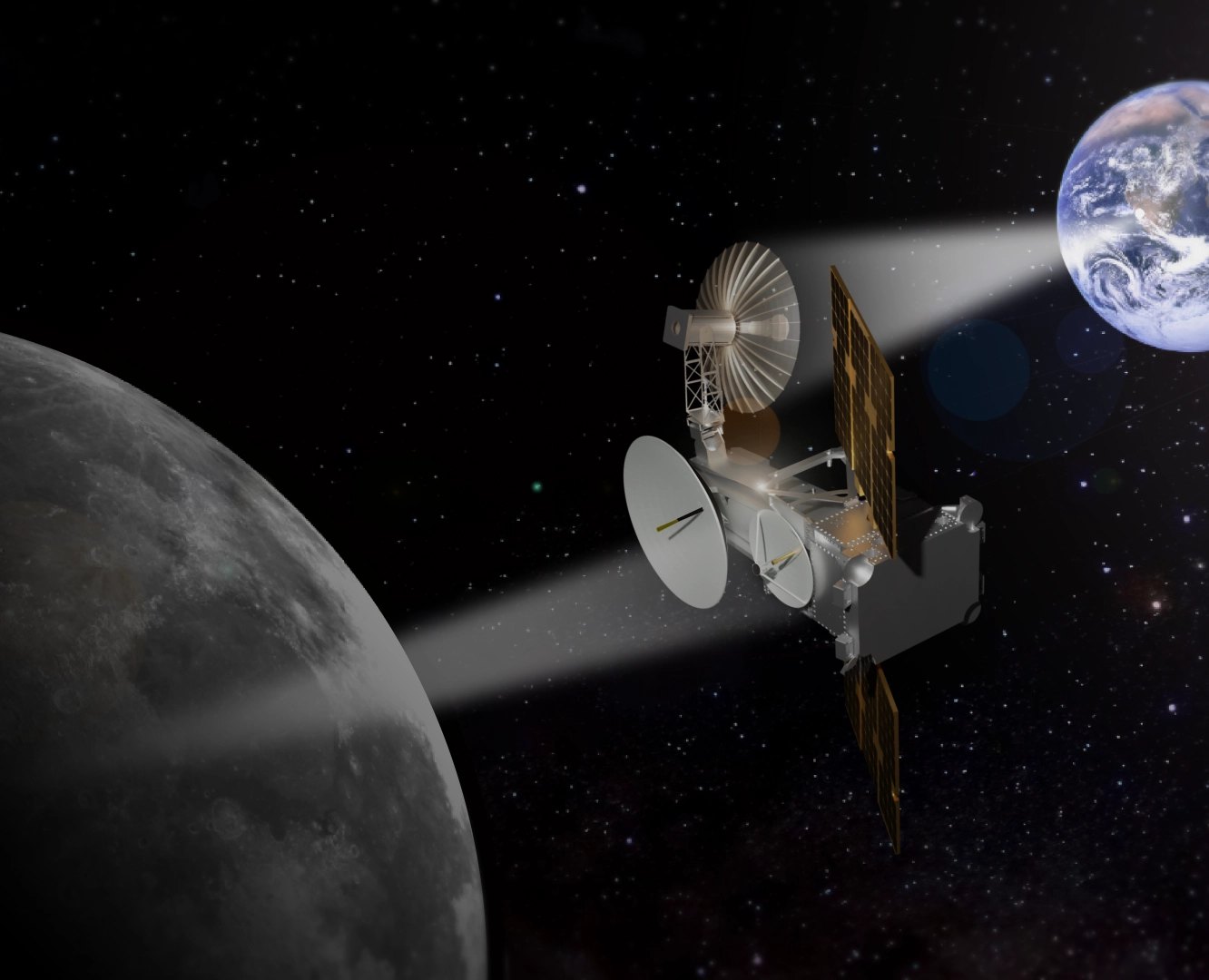
Japanese lunar company ispace and telecom operator KDDI have signed a new memorandum of understanding (a non-binding cooperation agreement) to explore a lunar communications network that Japan could operate on its own, according to ispace’s announcement of November 12, 2026.
One network from the Moon’s surface to Earth
The agreement builds on a first memorandum signed in March 2025. Since then the two companies have studied communications on the lunar surface and in cislunar space, the region between Earth and the Moon’s orbit. The new text adds technology demonstrations and says the partners will “advance concrete discussions” toward them.
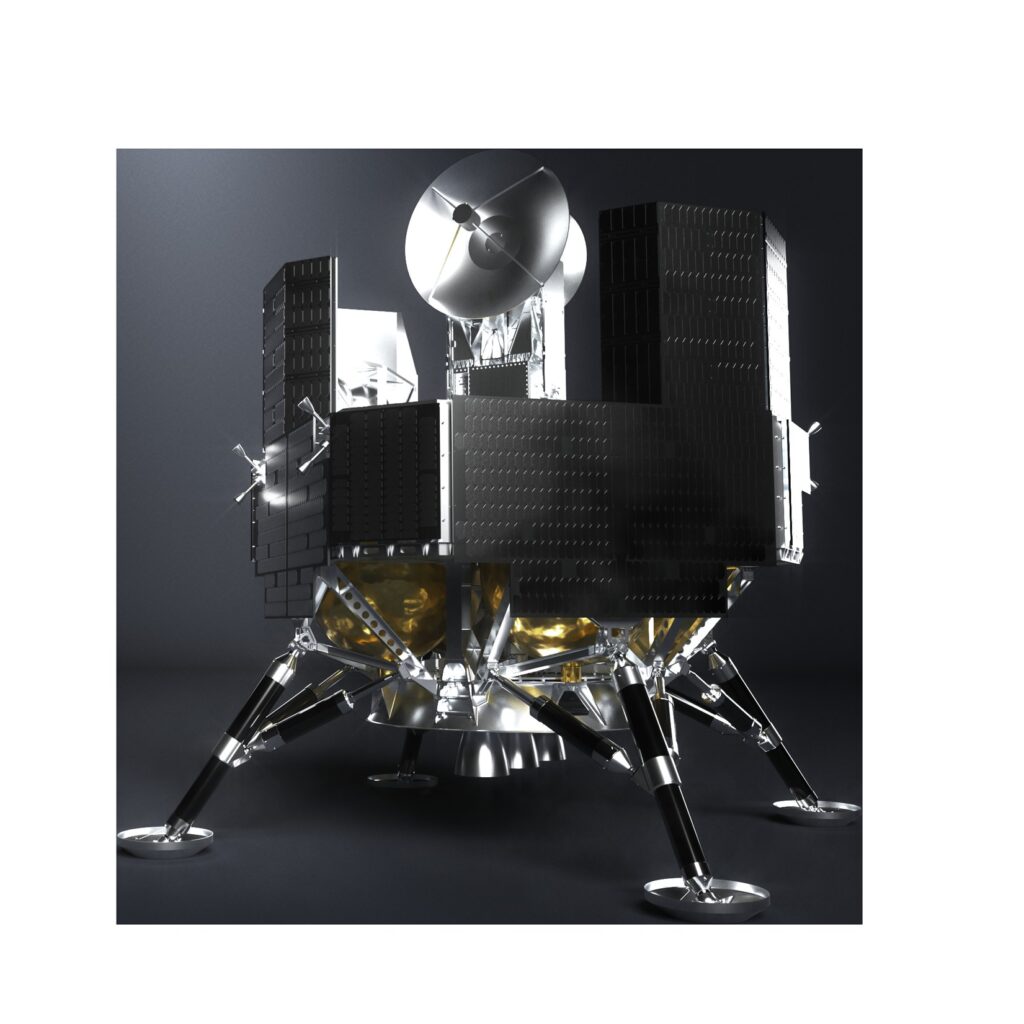
The idea is an integrated architecture linking the lunar surface, cislunar space and Earth. It would combine ispace’s planned Lunar Connect Service, which would use the company’s own satellites in lunar orbit for communications and positioning, with three things KDDI is studying: ground stations for lunar communications, mobile communications on the lunar surface, and space-based optical (laser) communications.
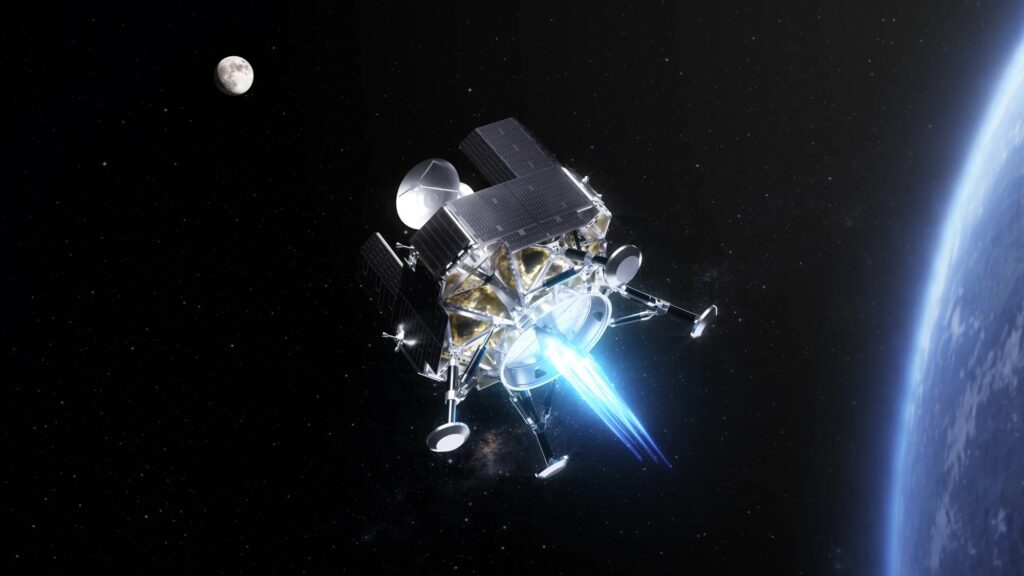
ispace said it announced plans in March 2026 to commercialize Lunar Connect. Its first lunar orbiting satellite is planned for Mission 2.5, which is set to launch no earlier than 2027. KDDI will also look at ispace’s lunar transportation service, which uses landers and orbital transfer vehicles, and its Lunar Data Service, which supports observation and space situational awareness (tracking objects and activity in space).
Yamaguchi: From a 1969 antenna site to a lunar gateway
KDDI opened its Yamaguchi Satellite Earth Station in 1969, and ispace describes it as a key hub for Japan’s international communications for more than half a century. KDDI will explore using its existing ground stations and operating experience to support lunar links.
The agreement also reaches beyond hardware. Through KDDI’s Alliance Park Project, which aims to make Yamaguchi a “gateway to space”, the companies will consider activities to foster the space industry, train workers and address regional challenges in the prefecture. ispace said these activities are only potential at this stage.

Why Japan wants its own link
The announcement frames the network as a matter of security. It says that safe operation of Japanese public and private lunar activities, including space traffic management, requires coordination with international networks and also a way for Japan to secure and run its own communication capability. ispace calls this part of cislunar security, meaning protection of Japan’s economic interests on the Moon and in the space around it.
“We also expect this initiative to make an important contribution to Japan’s cislunar security by enabling an independently operable Japanese lunar communications network,”
said ispace founder and CEO Takeshi Hakamada. The companies said they will also talk with relevant organizations, including the Japanese government.
A crowded field for Moon infrastructure
The move places ispace in a race that goes beyond landers. Our earlier reporting shows how much money and attention is going to surface activity: NASA lined up eight Moon lander companies for a contract worth up to $10 billion, and ESA has opened a contest for rover navigation on the Moon, where there is no GPS. Every one of those missions will need a way to talk to Earth and to know where it is, which is the gap Lunar Connect is meant to fill.
For ispace, which has so far been known for landers, communications offers a second line of business. It is also working on a study for JAXA on a solar tower to power the Moon’s south pole, and the company says it wants to expand into infrastructure services such as communications and positioning. The agreement with KDDI gives it a partner with decades of ground-station experience, something a lander builder does not have in-house.
The announcement gives no financial terms, no schedule for the demonstrations and no named government customer. What it does fix is the direction: a Japanese network, tied to ground facilities in Yamaguchi, with the first relay satellite not flying before 2027.