Artemis III will park in Earth orbit and dock with two commercial Moon landers
NASA says Artemis III will launch in 2027 with four astronauts on a 14-day Earth-orbit mission to dock Orion with test versions of Blue Origin's and SpaceX's lunar landers.
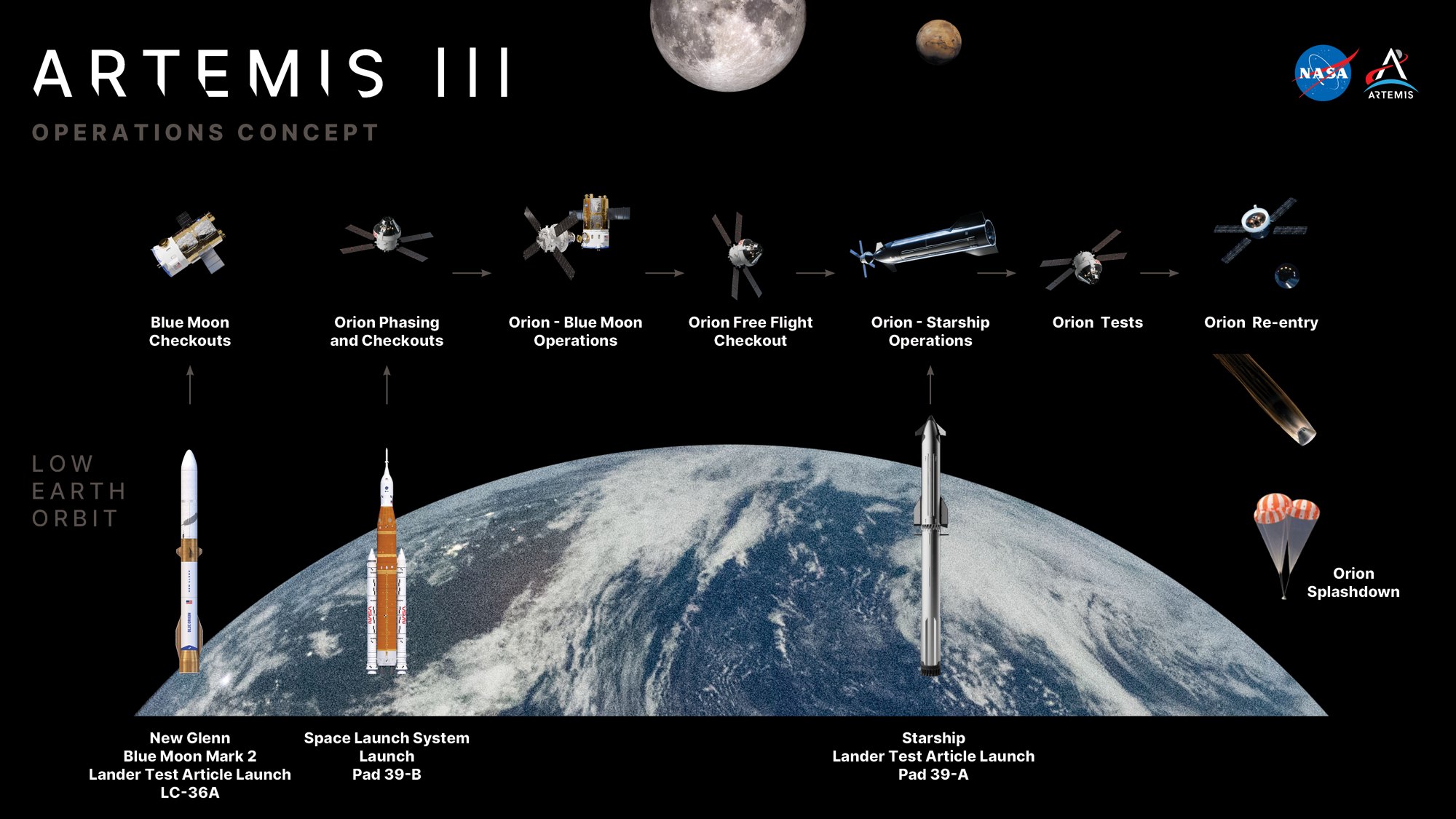
NASA has laid out how Artemis III will work: a 14-day crewed flight in low Earth orbit, planned for 2027, in which the Orion capsule docks with test versions of lunar landers from Blue Origin and SpaceX. The Moon landing is meant to follow in 2028.
The crew is NASA astronauts Randy Bresnik, Frank Rubio and Andre Douglas, plus Luca Parmitano of ESA (the European Space Agency). They will not go to the Moon. Instead, they will rehearse the steps that a landing mission depends on. NASA calls it one of the most ambitious test missions in its history.
Three spacecraft, three rockets, one orbit campaign
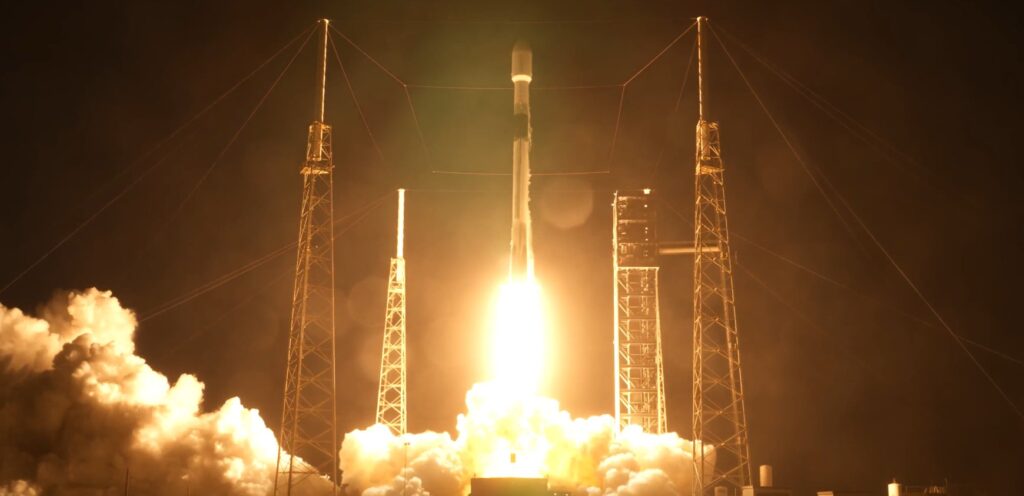
Earlier Artemis flights used only NASA’s Space Launch System (SLS) rocket and Orion. This one adds two more spacecraft on two more heavy-lift rockets, all within a relatively short window. NASA says it has never tried that before.
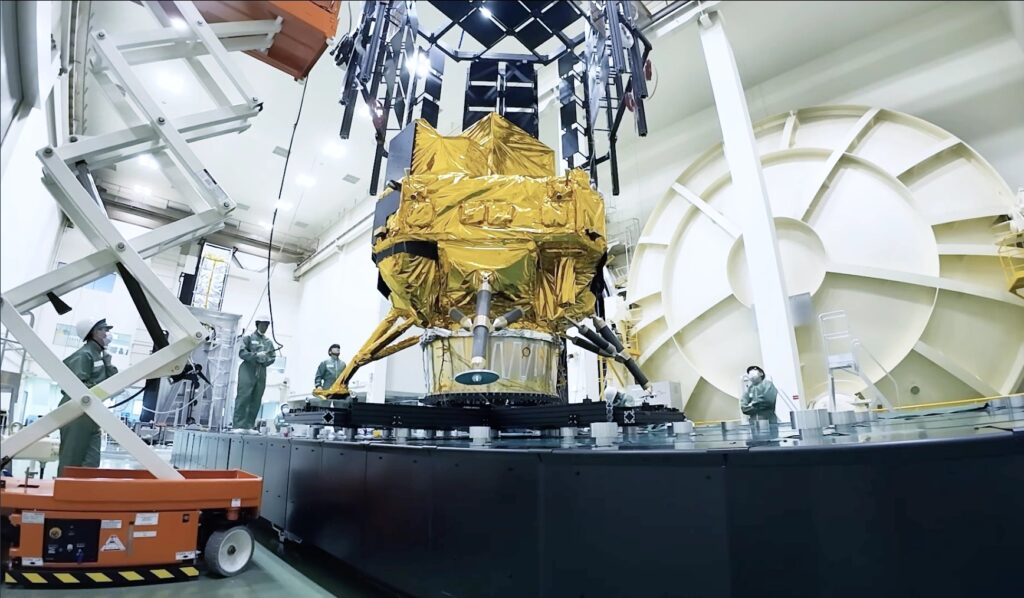
Blue Origin goes first, launching a test version of its Blue Moon Mark 2 lander into a circular orbit about 273 miles (237 nautical miles) up. It can wait there for up to 30 days, which gives the schedule some slack. Only days later, once the lander is confirmed healthy, Orion lifts off on SLS from Kennedy Space Center in Florida.
Orion starts in an elliptical orbit of 18 x 1,122 miles (16 x 975 nautical miles). Its service module then burns to circularize the orbit at about 345 miles (300 nautical miles), where the spacecraft is held for thermal stabilization before the approach to Blue Moon.
After about two days of checkout, Orion docks at a port beside the lander’s crew cabin. The crew then opens the hatch and spends roughly two days inside, checking the cabin, controls, life support, and the ability to hold the right air pressure. The test article carries many of the avionics, software, flight-control and life-support systems planned for flight models. NASA describes the result as its first evaluation of a commercial lunar lander with a crew aboard.
Next, Orion undocks and waits for SpaceX to launch a Starship Version 3 test article from Florida. Starship is built for a much shorter time in orbit than Blue Moon, so it launches later. It will fly lower, at 206 nautical miles, chosen for communications coverage, and carries an extra docking system at its nose.
Orion will dock with it for up to two hours. The crew will not enter Starship; the goal is to see how the two vehicles behave as one: control, communications, software and the dynamics of docking and undocking. Because the two landers use different docking geometries (a side port on Blue Moon, a nose-mounted system on Starship), NASA gets to compare two approaches in one flight.
“Every piece of this mission in Earth orbit is designed to reduce risk before we put astronauts back on the Moon,”
said Jeremy Parsons, NASA’s Artemis program manager.
Up to five spare days for science and sample handling
After the Starship test, Orion has up to five more days in orbit before the trip home. NASA plans to use them for further tests of the Orion Crew Survival System suits (the pressure suits worn for launch and reentry), docking sensor trials, acoustic and thermal measurements, and human-factors studies.
The crew will also try a proof-of-concept method for health checks when astronauts cannot talk directly to mission control, which matters for distant lunar or deep-space trips. A cellular biology experiment will fly, and researchers will test how future lunar samples could be moved from a landed capsule into curation facilities, including checking Orion’s interior for contamination. Plant seeds are aboard too. Orion will splash down in the Pacific off California and be recovered by NASA and the US Navy.
What to watch before launch
The plan changes the order of the program. NASA now plans the first Artemis Moon landing on Artemis IV, in 2028, with Artemis III acting as the rehearsal. Its dates depend on three separate launches, so the order matters: Blue Moon must fly and be declared healthy before Orion leaves the pad, and Starship launches later in the mission.
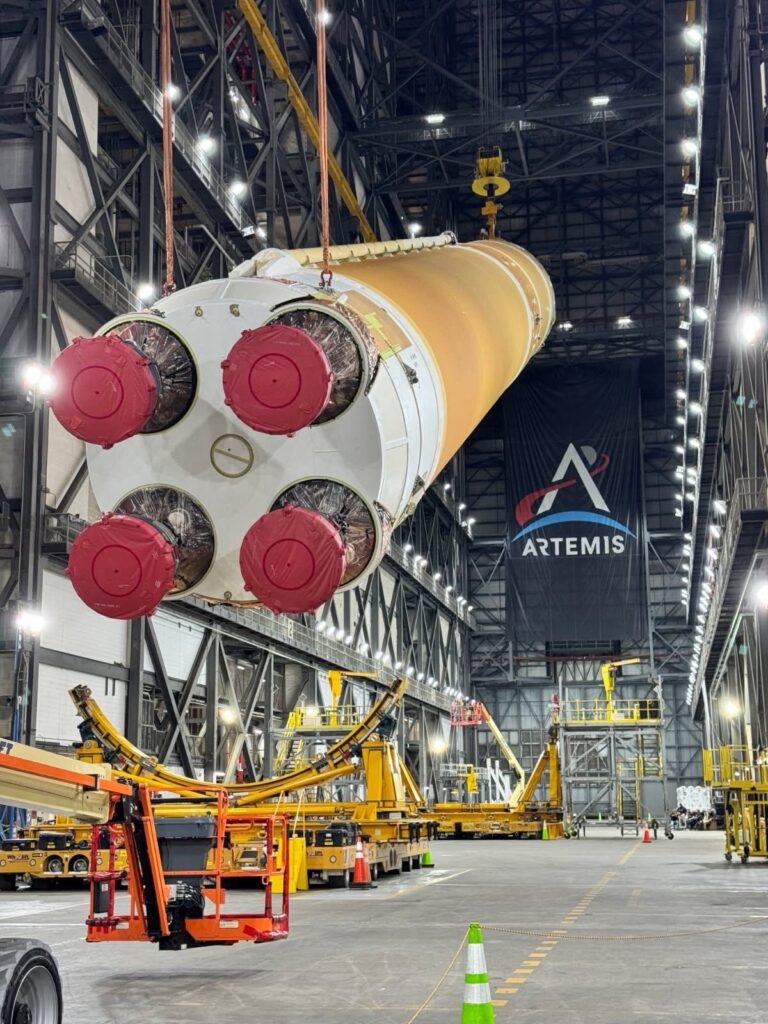
NASA’s October 13 update reported that stacking of the Artemis III boosters was complete, one of the visible hardware milestones on the SLS side. NASA also tested RS-25 engine No. 10001 on October 21, 2026 at Stennis Space Center in Mississippi, in support of future Artemis missions, per its image article. Orion’s performance on the earlier Artemis II flight is also feeding in; our report on the Artemis II heat shield shows 9 char-loss spots against 103 on Artemis I.
The signs to look for are firm launch dates for the Blue Moon test article and the SLS rocket, and any change to the 30-day on-orbit window that gives the first launch its margin. Dates will appear on the rocket launch schedule once they are set.