Voyager 1 will pass one light-day from the Sun on Nov. 18
NASA says Voyager 1 will cross the one-light-day mark on Nov. 18, 2026, 49 years after launch, at 16.1 billion miles from the Sun.
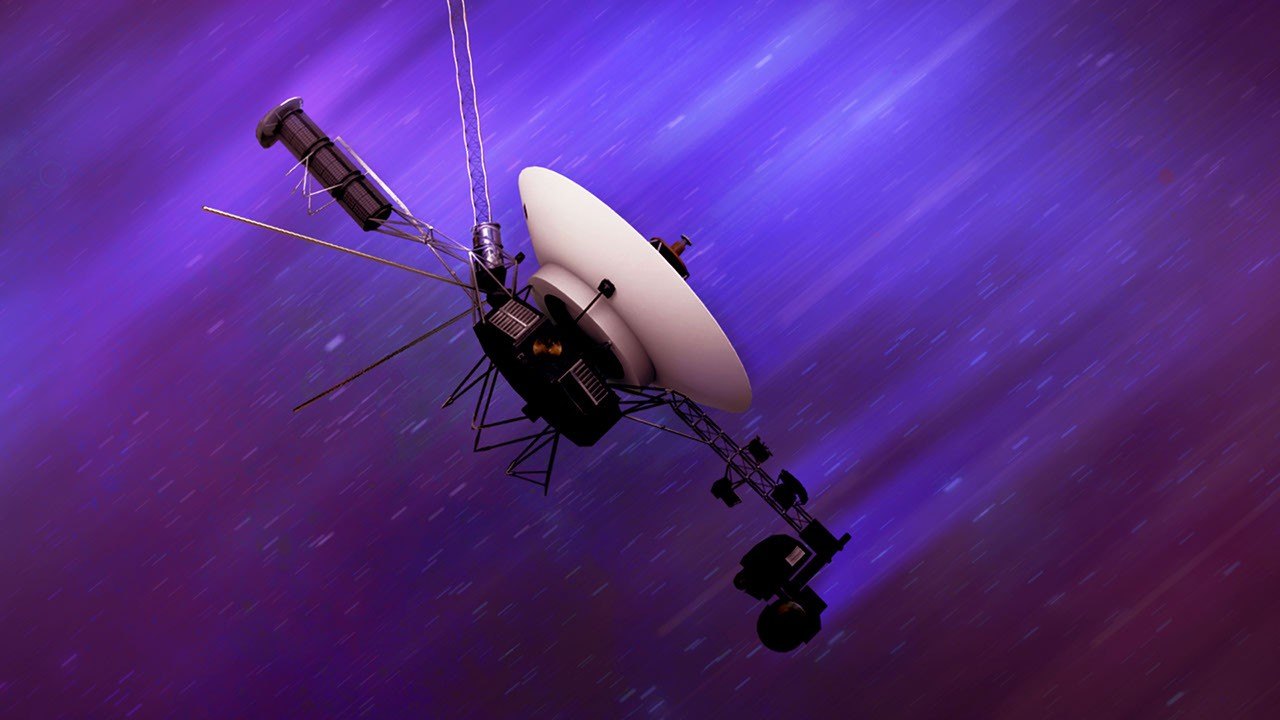
NASA says Voyager 1 will cross the one-light-day mark on November 18, 2026, 49 years after its launch. That is the distance light travels in 24 hours, and the probe will then be 16.1 billion miles from the Sun, according to the agency’s November Night Sky Notes.
A light-day is a distance, not a time
Astronomers measure very long distances by how far light travels in a set time. A light-minute is the distance light covers in one minute, and a light-day is the distance it covers in a day. As NASA’s column puts it, a light-minute is “a measure of distance, not time.”
At light speed (about 299,792 kilometers per second), one day works out to roughly 25.9 billion kilometers, which matches NASA’s figure of 16.1 billion miles. When Voyager 1 passes that mark, a radio signal sent from Earth will need a full day to reach it, and the reply will need another day to come back. Radio waves travel at the same speed as light.
NASA reports that the Deep Space Network, its worldwide set of large radio antennas, tracked Voyager 1 from the Canberra station at 25.80 billion km, just over 16 billion miles, when the article was written. That is already close to the one-light-day line, so the milestone is a matter of weeks away.
The Grand Tour and the golden records
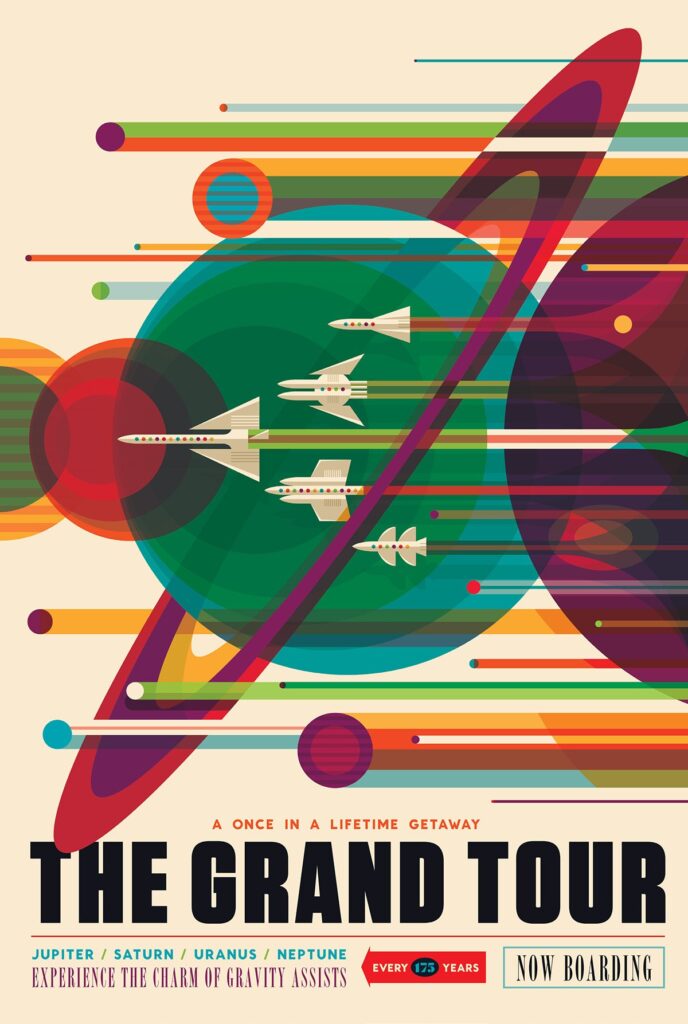
Voyager 1 and Voyager 2 launched in 1977 to take advantage of an alignment of Jupiter, Saturn, Uranus and Neptune that NASA says happens only about once every 175 years. Using six gravity assists, in which a planet’s gravity bends a spacecraft’s path and speeds it on, the twin probes gave close views of the gas and ice giants and several of their moons.
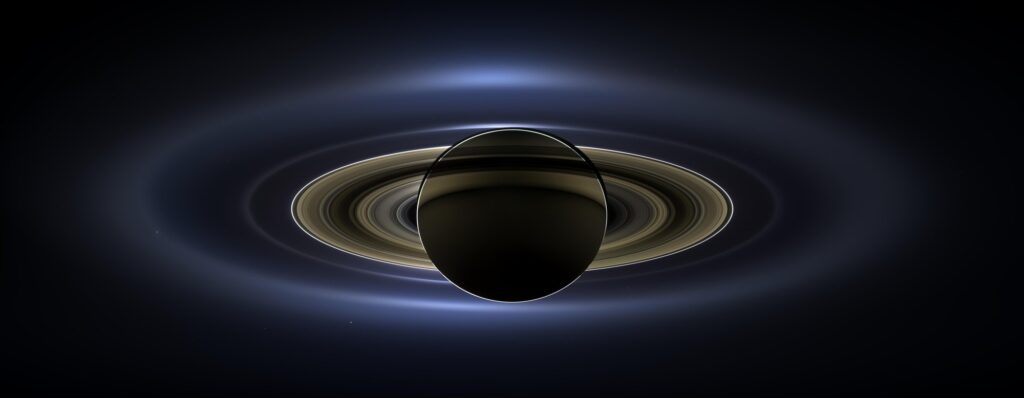
In the 1980s the two went separate ways at Saturn. Voyager 2 continued to Uranus and Neptune, while Voyager 1 took one more portrait of the solar system, including a last image of Earth, the “pale blue dot.” Voyager 1 crossed the heliopause, the boundary where the Sun’s solar wind meets the interstellar medium, in August 2012. Voyager 2 followed in November 2018.
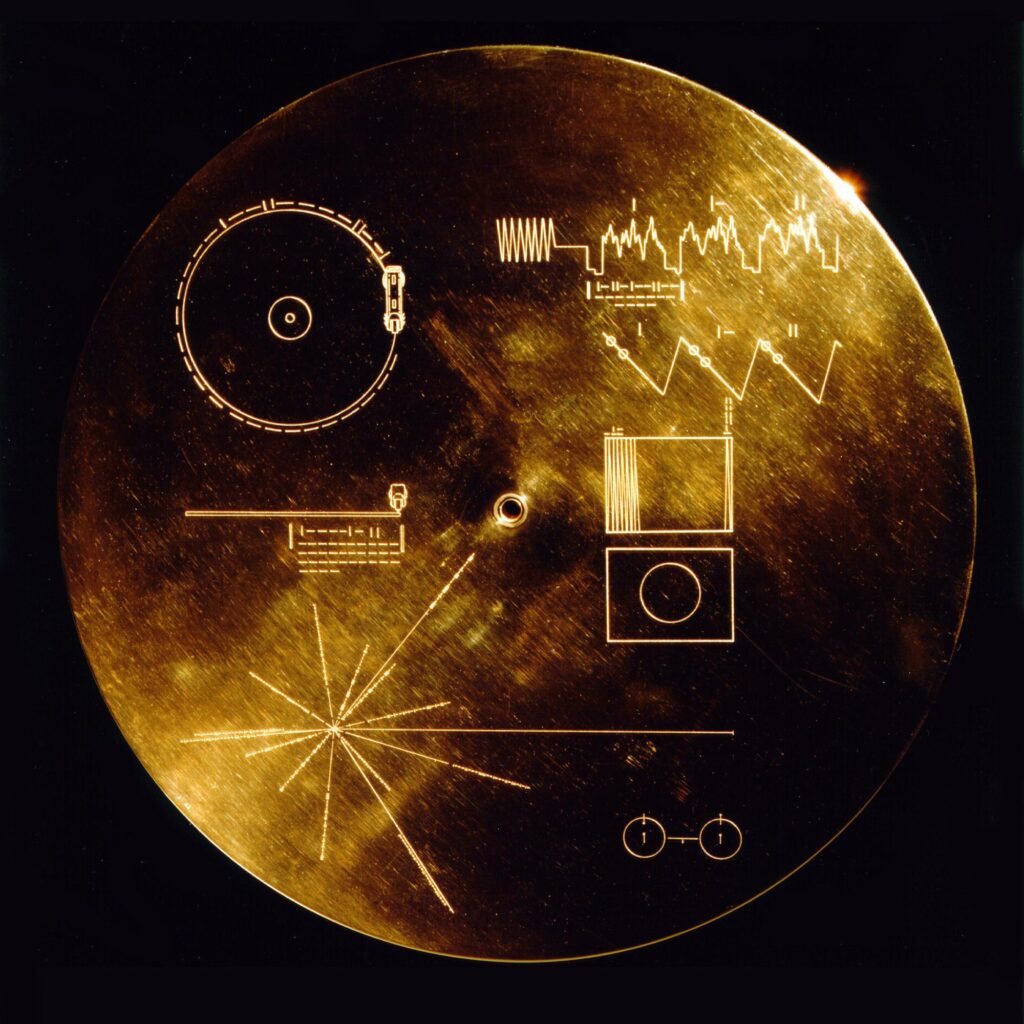
Each craft also carries a Golden Record, a 12-inch phonograph record with greetings in 55 languages, 27 musical tracks and 116 images. Its cover shows the Sun’s position relative to 14 pulsars and playback instructions. NASA notes that the cover was electroplated with an ultra-pure sample of uranium-238, whose half-life is 4.468 billion years, so the record’s origin can in principle be dated far into the future.
A probe that keeps surprising its team
The one-light-day mark fits the long run of Voyager 1’s record. It was the first spacecraft to leave the heliosphere, the bubble of space shaped by the Sun’s wind, and it has kept returning science from interstellar space for more than 13 years since 2012. That longevity is not free of trouble. Our earlier report described how Voyager 1 went silent for two days and then returned on its own, a reminder that a 49-year-old probe needs constant care from mission engineers.
The distance also changes how the mission works. A one-day signal delay each way means a command sent today is answered only after two days, so teams cannot steer the probe in real time. Everything must be planned well in advance. For readers who want the science of the boundary the probes crossed, see our explainer on the heliopause and what the Voyager probes found there.
Voyager 1 will still be nowhere near another star. A light-year is about 365 times larger than a light-day, which is why even this far-flung milestone is a tiny step on the scale of interstellar space.
Track the probes and try the activities
NASA invites readers to follow both spacecraft on its live tracking page, and to try two classroom activities from the Night Sky Network: Gravity Assist, which shows how a planet can bend a craft’s path, and Measuring a Kid Minute, which helps explain a light-minute. The column also points to a NASA video that compares the inner solar system, the outer solar system and beyond using light measurements.