Galileo’s next-generation fleet grows to 16 satellites after ESA orders four more
ESA has added four satellites to its Galileo Second Generation order, taking the fleet to 16, with delivery planned for 2031 and the first launch of the new generation in 2028.
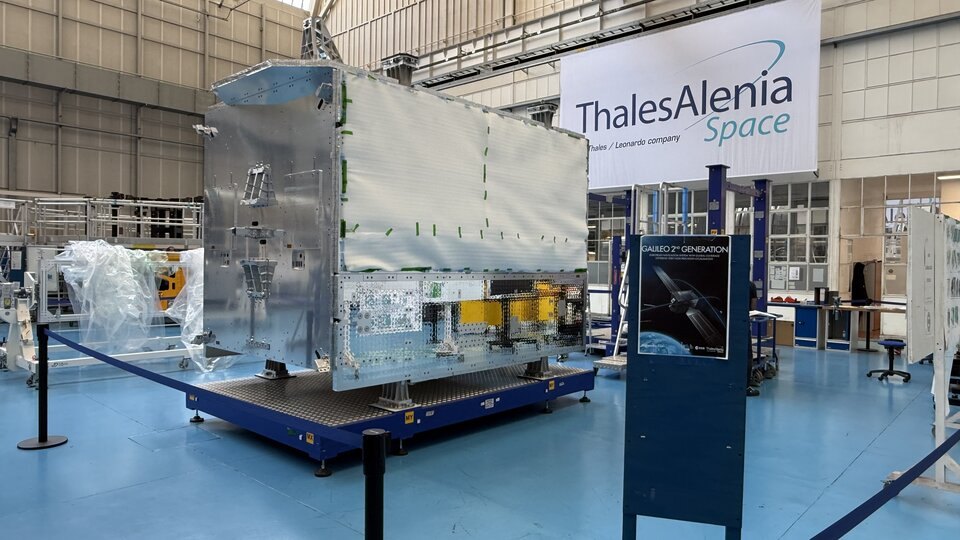
The European Space Agency has extended its contracts with Thales Alenia Space and Airbus Defence and Space to build four more Galileo Second Generation satellites, ESA announced. The order raises the new fleet from 12 to 16 satellites.
Two signatures, two more satellites each
Galileo is Europe’s own satellite navigation system, the counterpart of the American GPS. Its satellites are being supplemented and eventually replaced by a new design, called Second Generation, or G2. Thales Alenia Space (Italy) and Airbus Defence and Space (Germany) have been under contract since 2021 to build six G2 satellites each. The new contracts add two to each order, so each company now has eight to build.
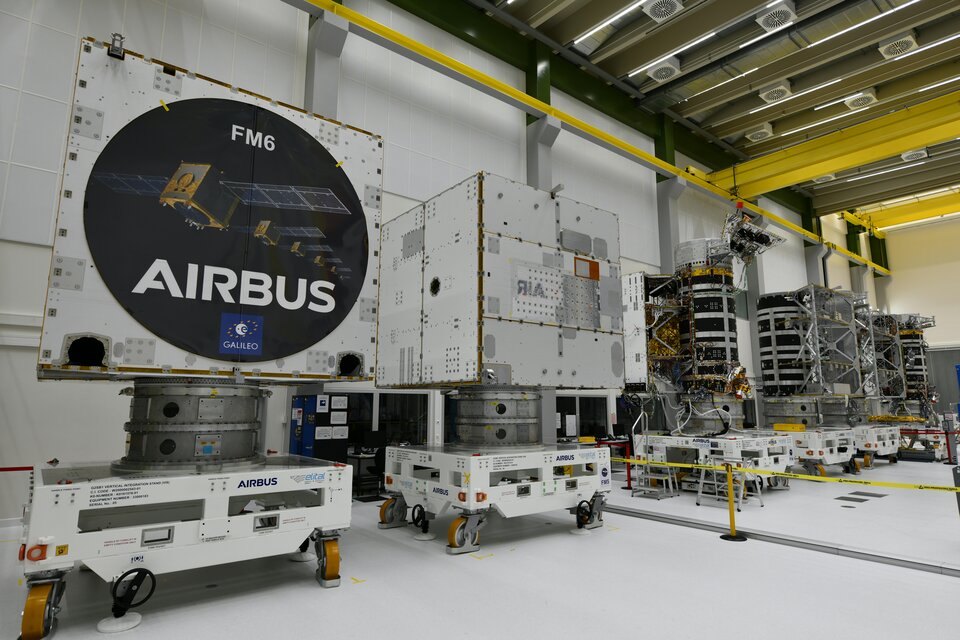
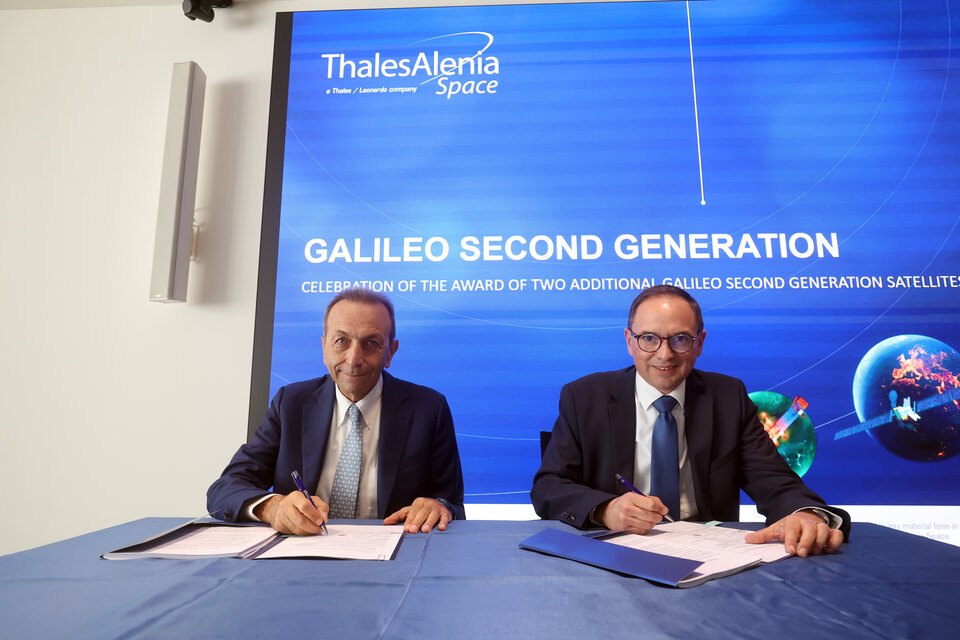
Thales Alenia Space signed on 23 October in Rome, and Airbus on 26 October in Ottobrunn, Germany. ESA signed on behalf of the EU Agency for the Space Programme (EUSPA), which runs the Galileo service, for the benefit of the European Union, the system’s owner. The announcement gives no contract value.
The four additional satellites are scheduled for delivery in 2031, with launch right after. ESA says they will be identical to the ones already under development, so the factories do not need a new design.
Where the first twelve stand
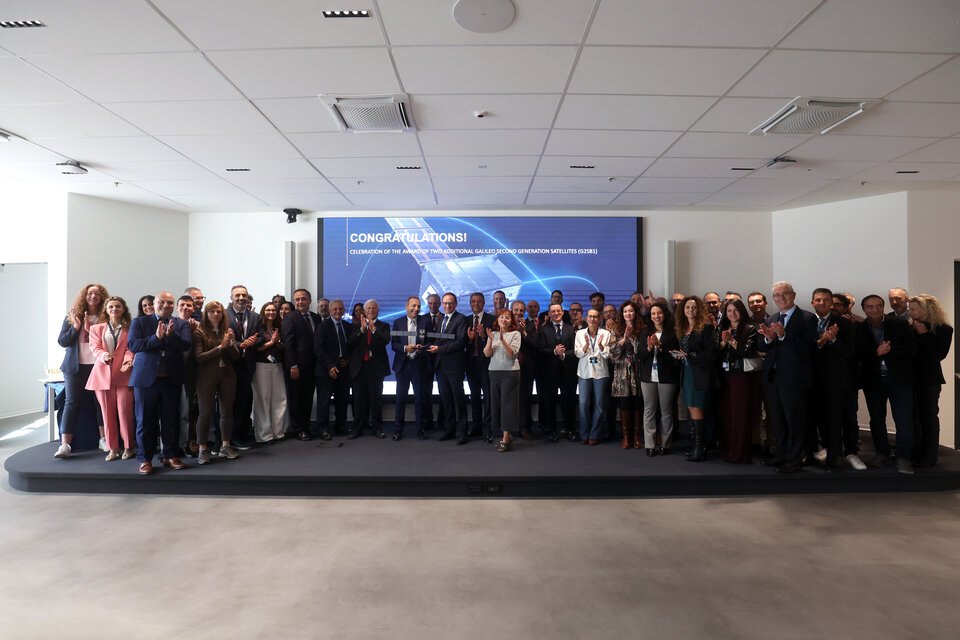
According to ESA, development and qualification of the first twelve G2 satellites, meaning the tests that prove the design works in space conditions, are nearly finished. Integration and compatibility testing campaigns are now under way. Flight testing of the first satellites is planned for 2027, ahead of the first G2 launch in 2028.
Of the 38 First Generation satellites planned, ESA says all but four have already been launched, which means 34 are flying. The Second Generation spacecraft are meant to work alongside them, and ESA says the two generations will integrate seamlessly.
ESA Director of Resilience, Navigation and Connectivity Laurent Jaffart said the contracts mean ESA and European industry are “safeguarding the continuity of Europe’s satellite navigation services”. Airbus Head of Space Systems Alain Fauré said the satellites are “vital to augment navigation capabilities for European security and defence and wider societal benefits”.
What is actually new in the G2 design
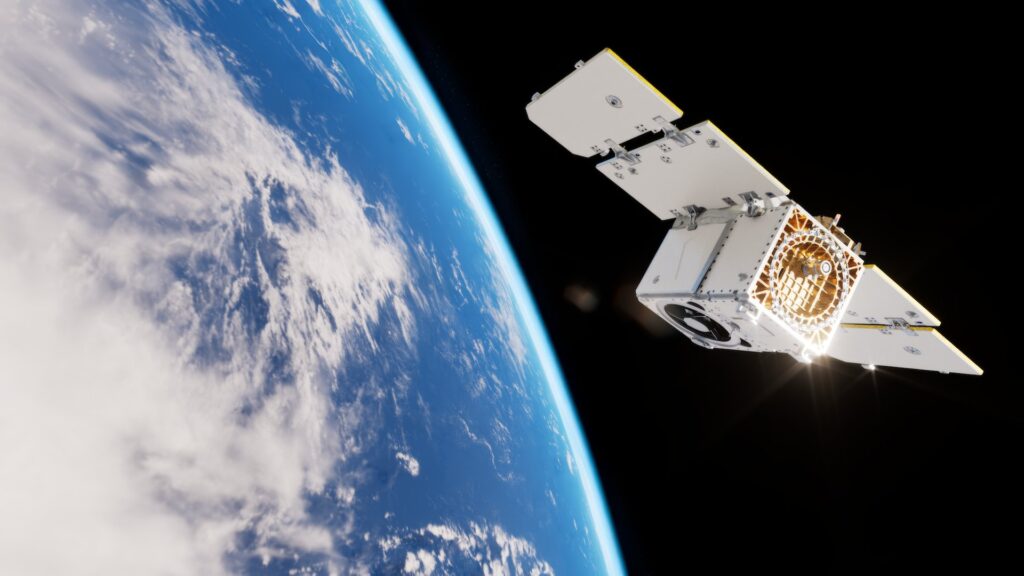
The biggest change is inside the satellite. ESA says G2 spacecraft carry navigation payloads that are fully digital, an antenna with better performance, links between satellites, and an upgraded arrangement of atomic clocks. A digital payload can be reconfigured and updated more flexibly than older analog electronics. Inter-satellite links let satellites exchange data directly, rather than depending on ground stations for everything. Atomic clocks are the heart of any navigation system: a receiver on the ground works out its position from tiny differences in the time signals it gets from several satellites.
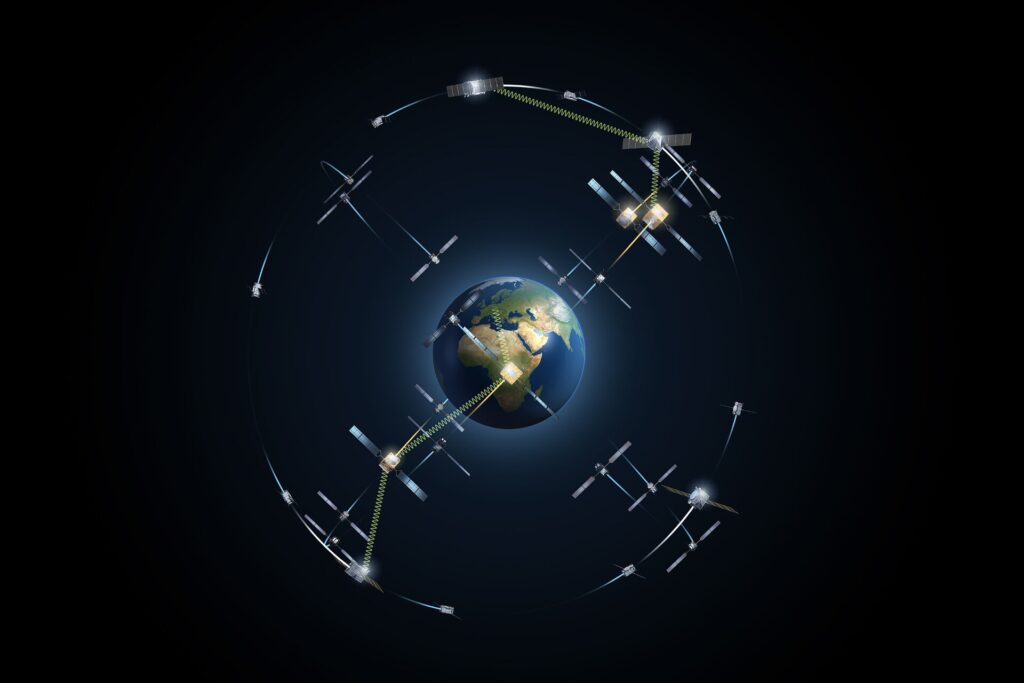
ESA’s earlier material on the programme adds engineering detail on how the satellites reach their working orbit. ESA says G2 satellites use electric propulsion, which pushes a spacecraft with charged particles instead of burning chemical fuel, to move from the launch orbit to their operating orbit. That saving is what allows two of the heavier new satellites to share one launch. According to an ESA image caption from June 2026, an Airbus-built satellite would be delivered by an Ariane 6 rocket to an orbit of around 7,000 km, and its propulsion module then raises it to medium Earth orbit, a climb that takes about six months.
That slow climb is a trade-off: the satellites need months after launch before they can serve users, but the rocket carries two of them at once, which helps explain how a fleet of 16 can be put in orbit with a modest number of flights.
Why Europe keeps ordering
ESA says Galileo has served billions of users since entering Open Service in 2016 and that every smartphone sold in the European Single Market is guaranteed to work with it. The system is also used in rail, maritime, agriculture, financial timing and rescue operations, ESA notes. A constellation needs replacements arriving before older satellites fail, and ordering the 2031 batch now gives the production lines continuous work.
The European Commission manages and funds the programme under the EU Space programme. ESA is responsible for designing, developing and qualifying both the satellites and the ground systems, and also serves as technical launch authority, while EUSPA brings satellites into service and oversees their operation.