Three meteor showers, a Mars-Jupiter pairing and a supermoon fill NASA’s November sky guide
NASA's monthly guide lists two Taurid peaks, the Leonids, Mars near Jupiter before dawn, and the first of three straight supermoons on Nov. 24.
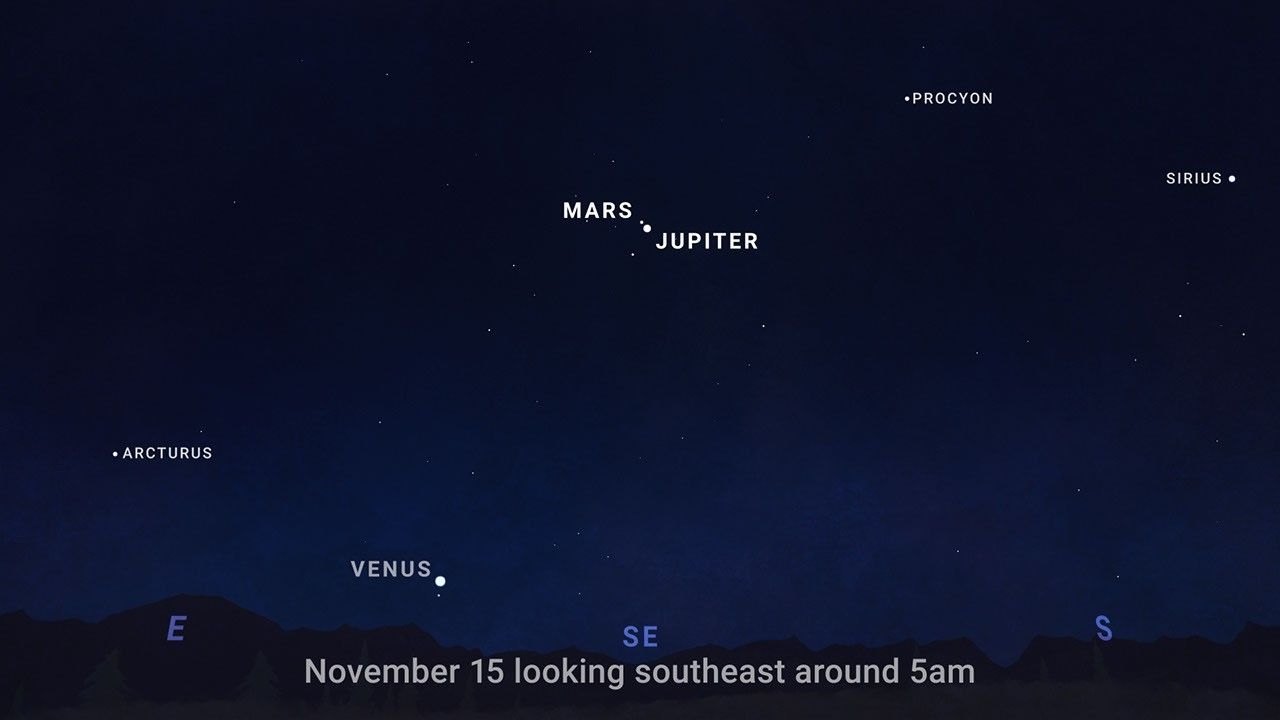
NASA’s November 2026 skywatching guide picks out four things to look for: the Taurid and Leonid meteor showers, Mars close to Jupiter before sunrise, and a supermoon on Nov. 24, the first of three in a row.
Taurids first, then the Leonids
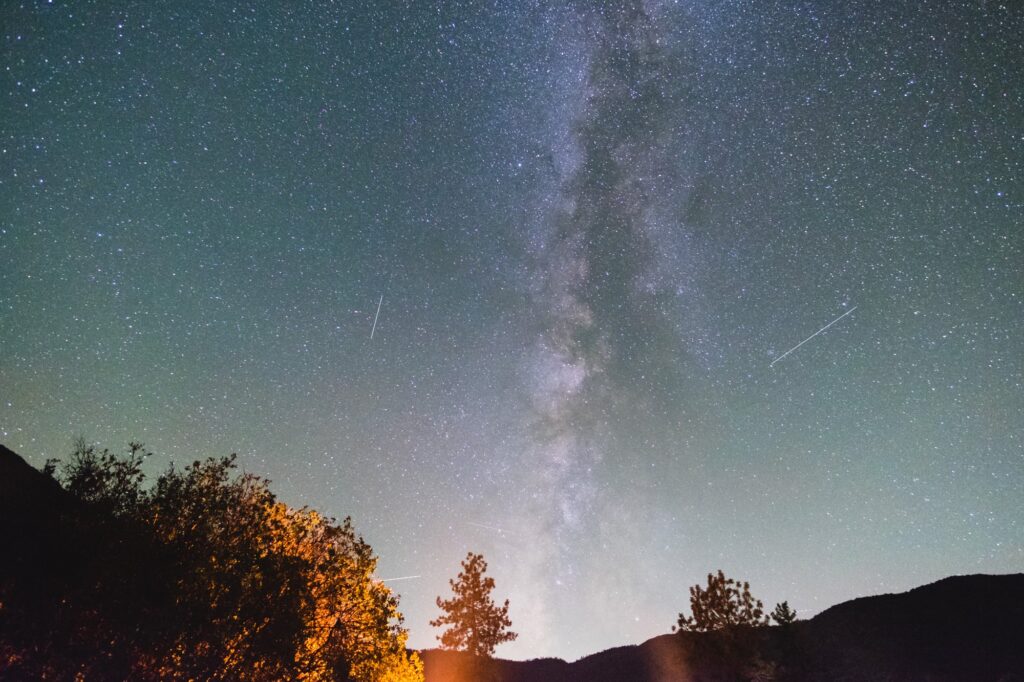
A meteor shower happens when Earth passes through a stream of dust left by a comet, and the grains burn up as streaks of light. NASA lists the Southern Taurids peaking around Nov. 5 and the Northern Taurids around Nov. 12. The names refer to two patches of the constellation Taurus where the meteors appear to start. Each shower gives only about five meteors an hour under ideal conditions, but NASA points out that now and then a bright fireball rewards the patient observer.
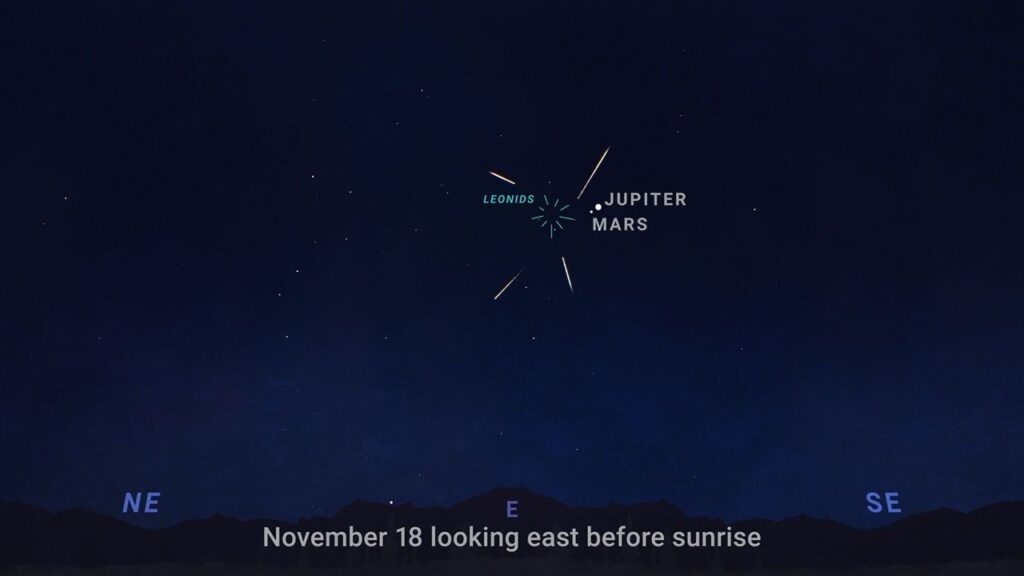
The Leonids come next. NASA recommends the early morning hours of Nov. 17 and 18, after the Moon has set, so moonlight does not wash out the fainter meteors. Under ideal conditions the shower could produce around 15 meteors per hour, though NASA says most viewers will see fewer. Its advice is to choose a spot away from city lights, allow roughly 30 minutes for your eyes to adapt to the dark, and look at as wide a stretch of sky as possible. Our meteor shower calendar lists the showers still to come this season.
Mars and Jupiter side by side on Nov. 15 and 16
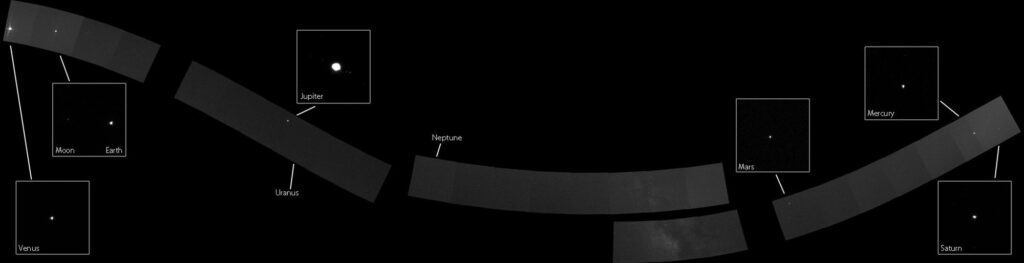
On the mornings of Nov. 15 and 16, NASA says to look southeast before sunrise. The two planets will sit roughly 1.2 degrees apart, which NASA compares to slightly more than two full Moons placed edge to edge. Jupiter is the brighter of the pair, and Mars has a reddish tint. Neither needs a telescope. The planets are still far apart in space; they only line up from our viewpoint. NASA suggests watching over several mornings as they draw closer and then separate.
A supermoon that kicks off a run of three
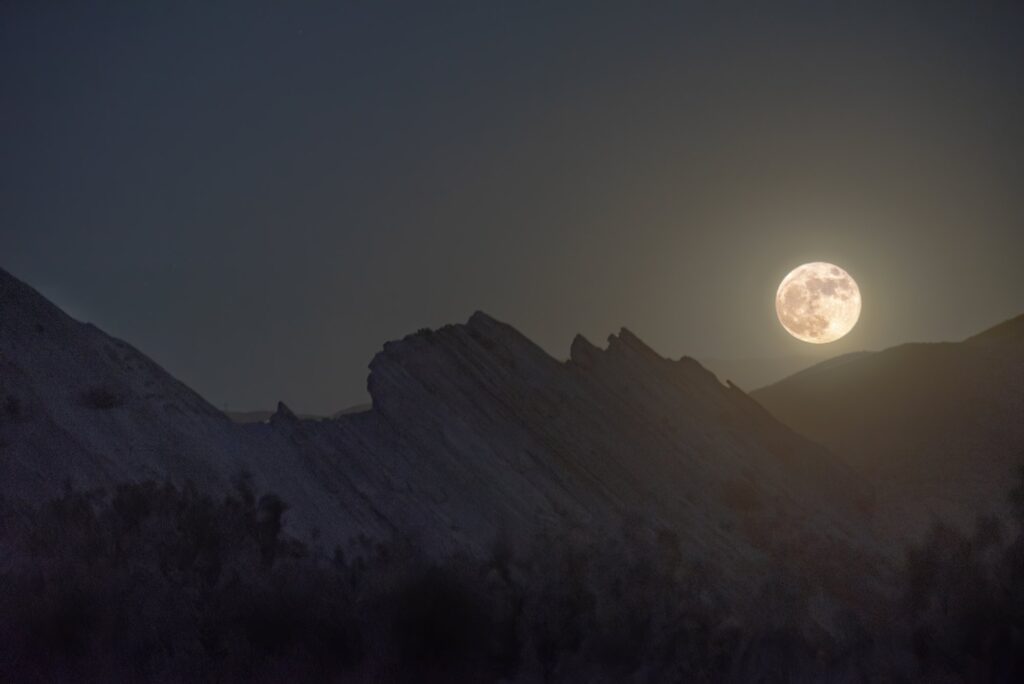
The Moon’s orbit is slightly oval, so its distance from Earth changes. A supermoon is a full Moon that happens when it is closer than average, which makes it look larger and brighter, though NASA says the difference can be subtle. The Nov. 24 full Moon is the first of three consecutive supermoons, followed by December and January. NASA advises facing east around sunset to catch the moonrise, and says it may look even bigger near the horizon because of the Moon illusion, which affects any full Moon. Exact times for your location are on our Moon phase today page.
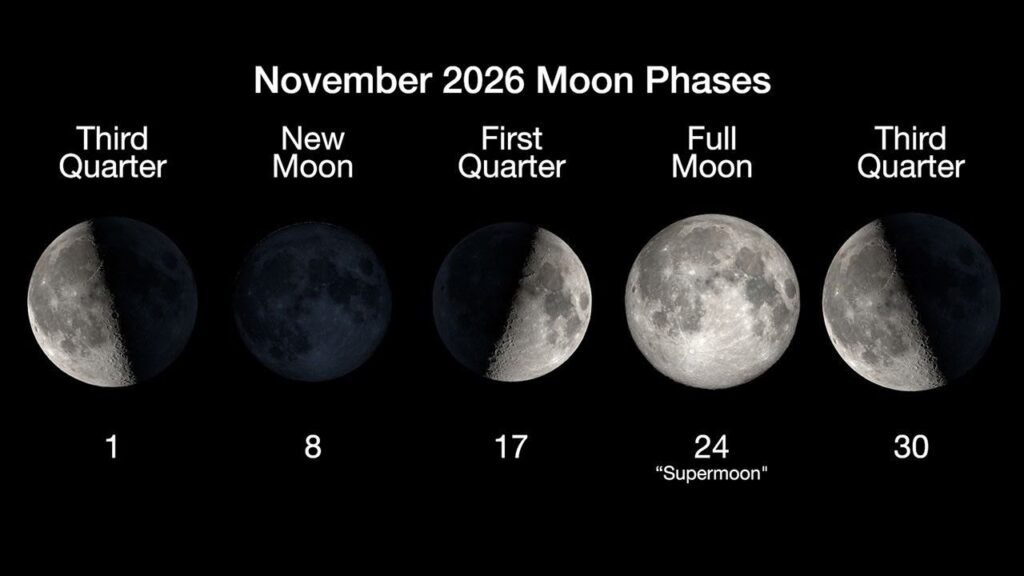
NASA’s November phase graphic, in Pacific Time, shows the New Moon on Nov. 8 and the First Quarter on Nov. 17. That fits the Leonid advice: a half-lit Moon sets around the middle of the night, leaving the pre-dawn sky dark.
Voyager 1 and the light-day marker
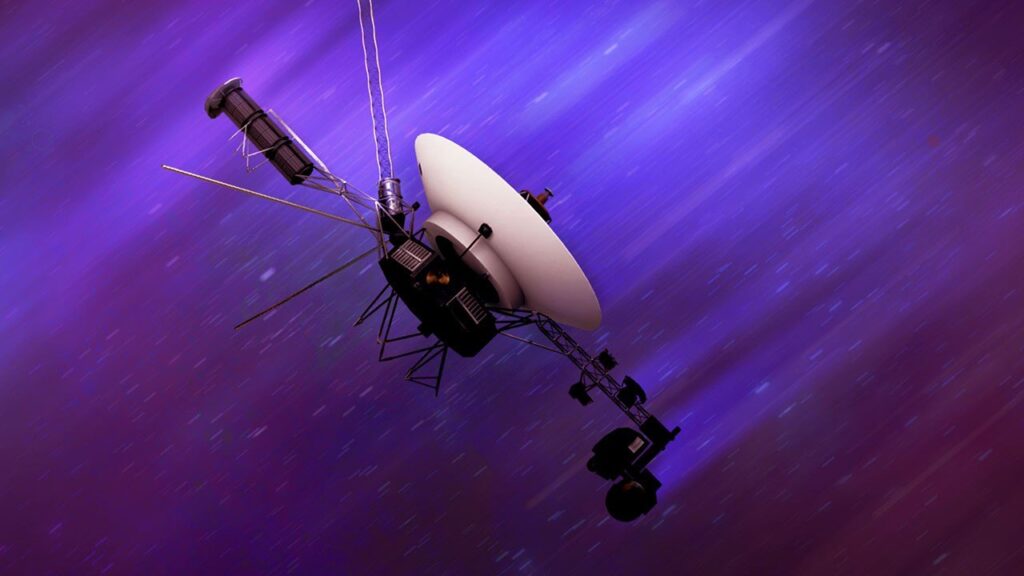
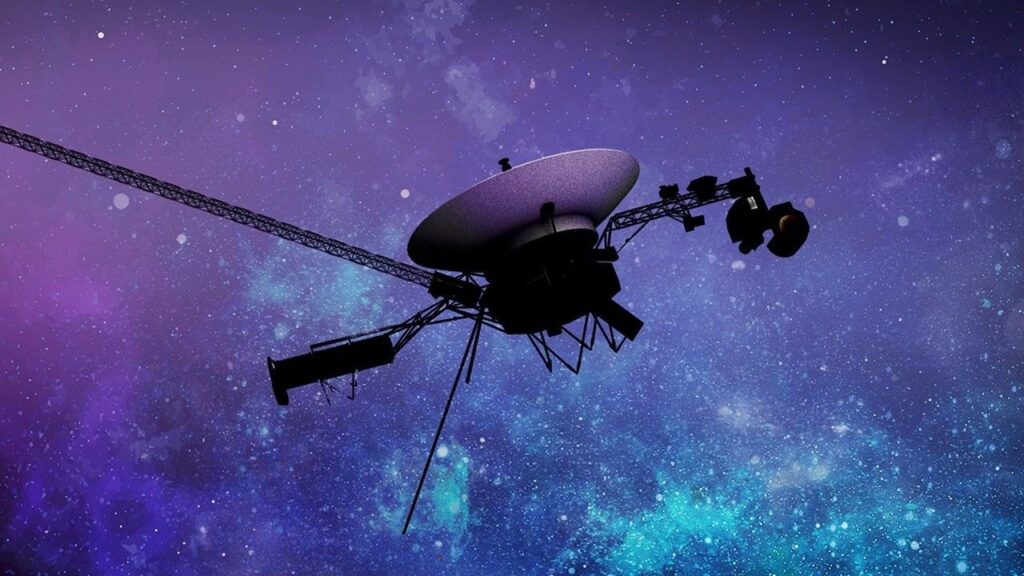
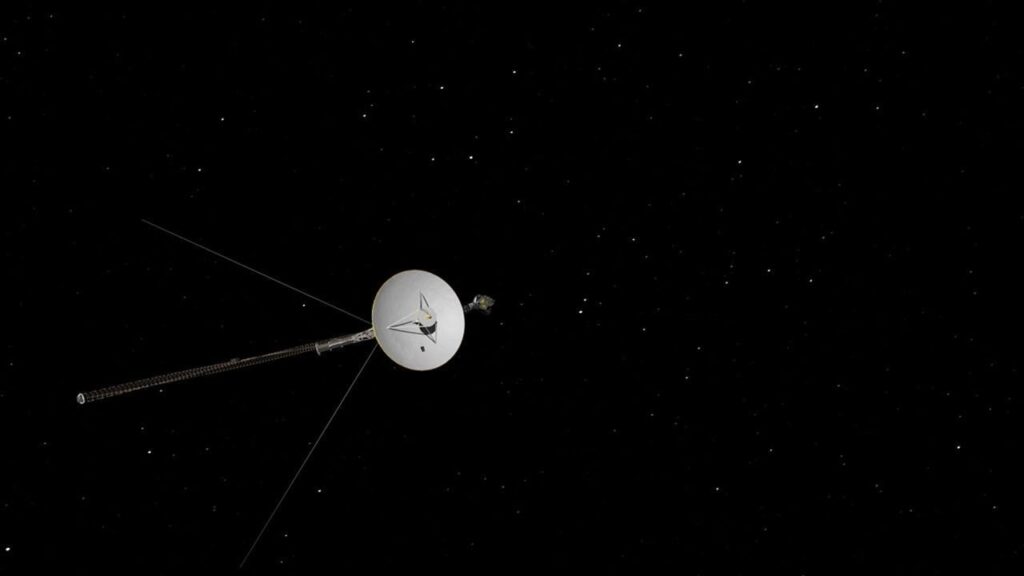
The guide also notes that Voyager 1 will become the first human-made object to be one light-day from Earth. A light-day is the distance light covers in 24 hours, so a signal takes a day to reach the spacecraft and another day for the reply to come back. NASA places the probe toward the constellation Ophiuchus, and invites people to join its “Shine Bright for Voyager’s Light-Day” activation on Nov. 17. Our earlier report on Voyager 1’s light-day crossing dates the crossing to Nov. 18, and puts the probe about 25.9 billion km from the Sun, 49 years after its 1977 launch.
How the November showers compare in numbers
The November rates are modest next to the previous month. Our Orionid meteor shower guide, citing NASA, gives 10 to 20 meteors per hour under dark skies for the Orionids, which are active until Nov. 7. That puts the Orionids at about double the Leonid rate NASA quotes, and about three times the Taurid rate. The same guide notes the Orionids come from Halley’s Comet, whose last close pass of the Sun was on Feb. 9, 1986, with the next return due in 2061.
The Taurids make up for low counts with their fireballs, and the Leonids with timing: after moonset, the sky is at its darkest. Because all of these figures assume ideal conditions, city or moonlit skies will cut them sharply. The planetary pairing and the supermoon need no dark site, so they are the easiest events of the month for beginners.