NIH and NASA offer up to $7.1 million for quantum sensors that could cut animal testing
The QuSAFE Challenge asks innovators to use quantum sensing on lab-grown human tissue models, aiming for safer drugs with fewer animal tests. Submissions open Dec. 15.
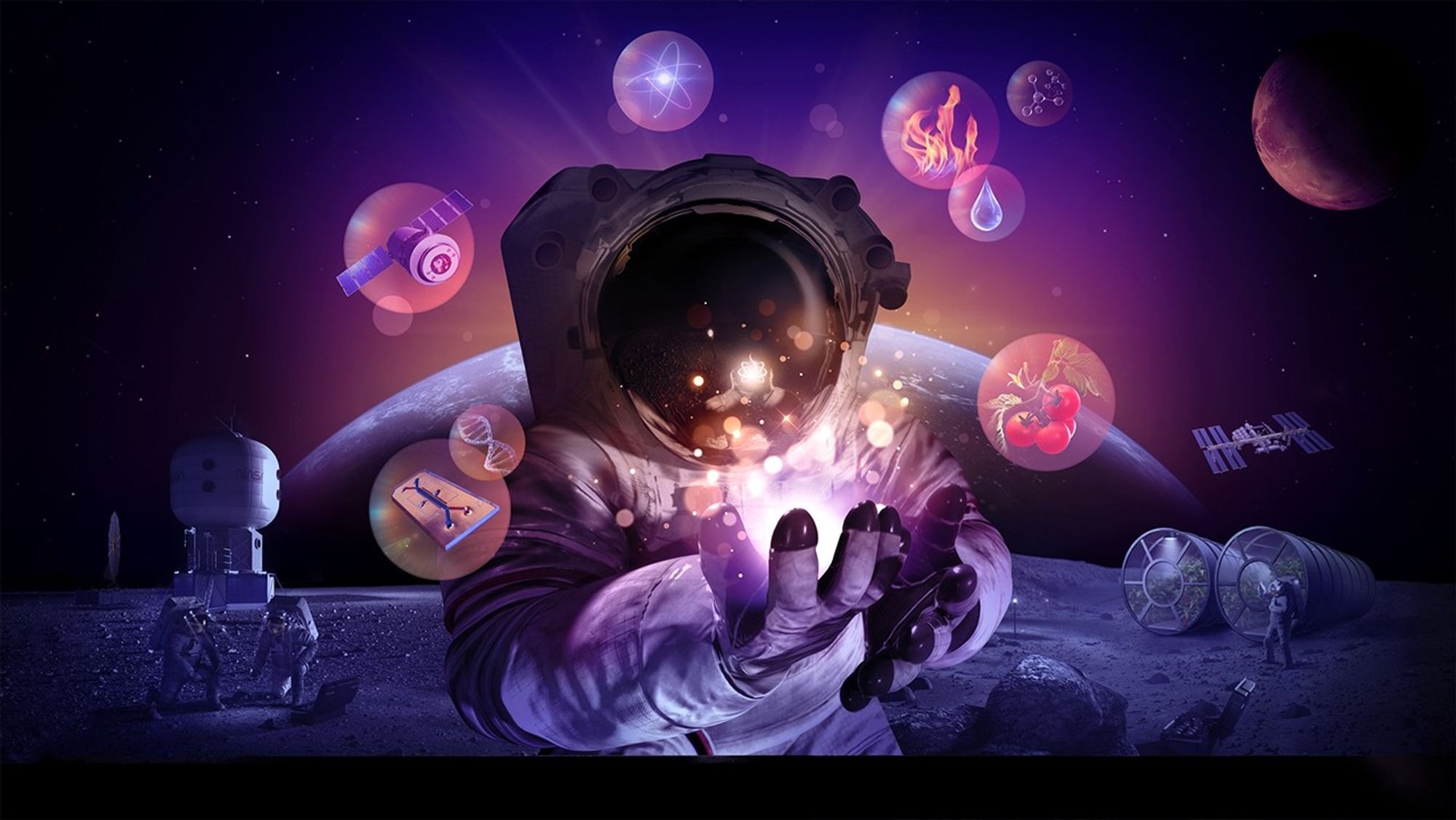
The National Institutes of Health (NIH) and NASA have opened a prize competition worth up to $7.1 million for quantum sensing methods that can read tiny signals from lab-grown human tissue. NASA says the goal is safer drugs with less animal testing. Submissions open December 15, 2026.
What the QuSAFE Challenge is asking for
The full name is the Quantum-Enabled Predictive Preclinical NAMs for Toxicity and Safety Challenge, shortened to QuSAFE. “NAMs” are new approach methods: ways of testing drugs without relying on animals. The challenge focuses on two kinds. Organoids are small clusters of cells grown in a lab that mimic part of an organ. Microphysiological systems, often called organs-on-chips, are small devices that keep such tissue alive and working.
According to NASA, these models can produce data that is relevant to humans for drug development and safety checks. The weak point is measurement. Standard lab tests and imaging are often noisy, invasive and not sensitive enough, so faint, early or rare biological signals can be missed. Measurements that destroy the sample also make it hard to watch a process unfold over time.
Quantum sensing is the proposed remedy. NASA says these approaches can offer very high sensitivity, a cleaner signal against background noise and resolution down to the nanoscale (billionths of a meter). It describes them as able to overcome limits that current methods cannot.
Dates and how to enter
Entries open on December 15, 2026 and close on July 27, 2027, a window of a little over seven months. Registration, rules and eligibility are published on the challenge website, which also lists a webinar for November 30. The page does not show the year or a prize breakdown in the part we could read, so teams should check the rules for how the $7.1 million is split.
Why a space agency is paying for a drug-safety tool
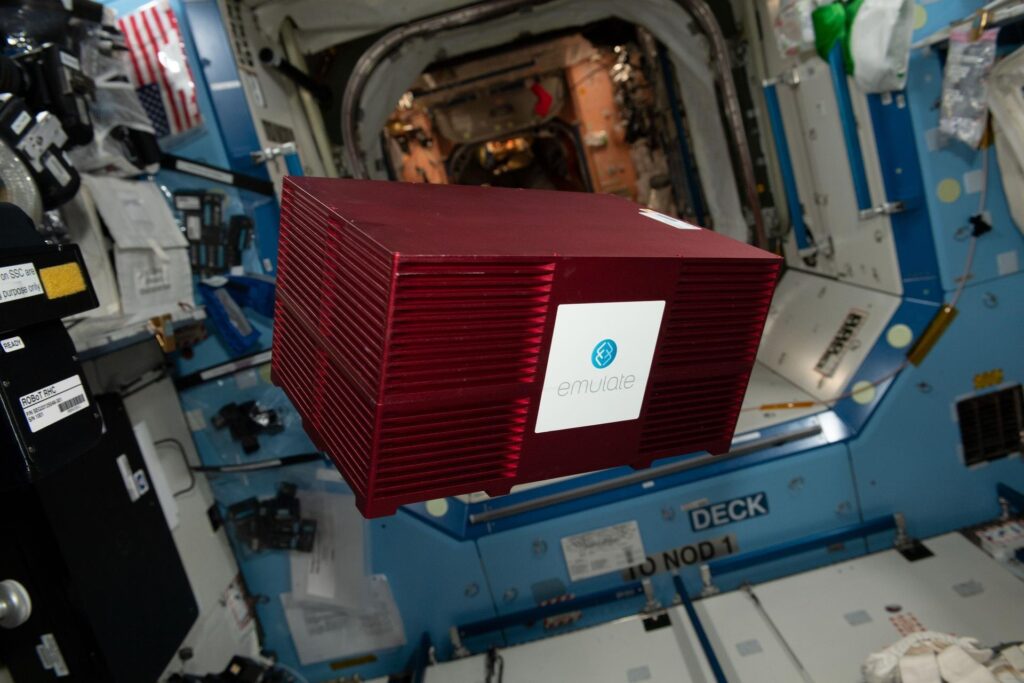
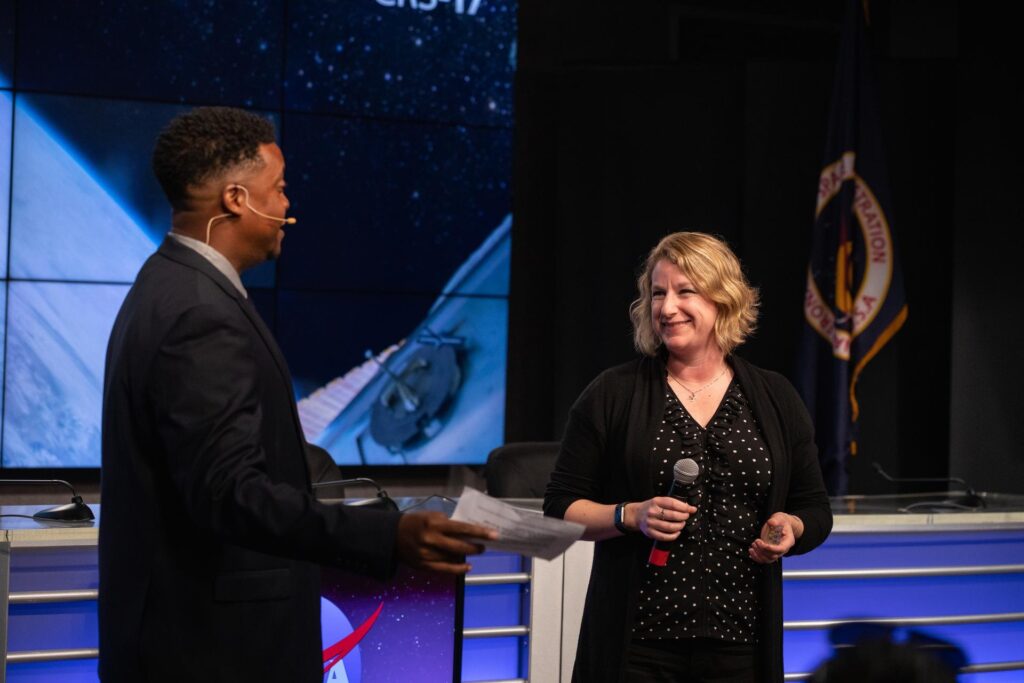
NASA frames the challenge as support for its Biological and Physical Sciences Division, which runs research in space and on Earth. The agency says detection methods that work beyond traditional laboratories will strengthen exploration and benefit science on both sides. That fits NASA’s own record: tissue chips have flown before. NASA’s image library describes an Organs-on-Chips investigation photographed aboard the International Space Station in December 2018 by astronaut David Saint-Jacques, studying how microgravity affects a brain-chip model of the blood-brain barrier. A NASA Social briefing in April 2019 also presented the agency’s Tissue Chips in Space project, including kidney models.
Pairing with NIH adds a partner that funds much of the biomedical research behind such tissue models, while NASA brings its prize-challenge program and a need for compact, sensitive instruments that crews or small labs could use far from Earth. The shared outcome NASA names is a method that serves both worlds: spaceflight health research and drug safety on the ground. Entrants who already work on sensors for other fields are the obvious target, since NASA says the challenge builds on recent advances in sensor-development research communities. That makes this a recruitment effort as much as a funding one: it invites physicists and engineers who may never have worked on toxicology to apply their tools to it.
NASA’s announcement lists no winners or selection criteria yet. Those details sit in the rules published by the challenge organizers, so anyone considering an entry should read them before the December opening. Readers interested in earlier biology work aboard the orbiting laboratory can see our report on research on the space station.