The Aug. 2, 2027 total solar eclipse: 6 min 22 s of totality in Egypt
The total solar eclipse scheduled for August 2, 2027 will cross Spain, North Africa and Arabia, with the longest totality, about 6 minutes 22 seconds, in southern Egypt.

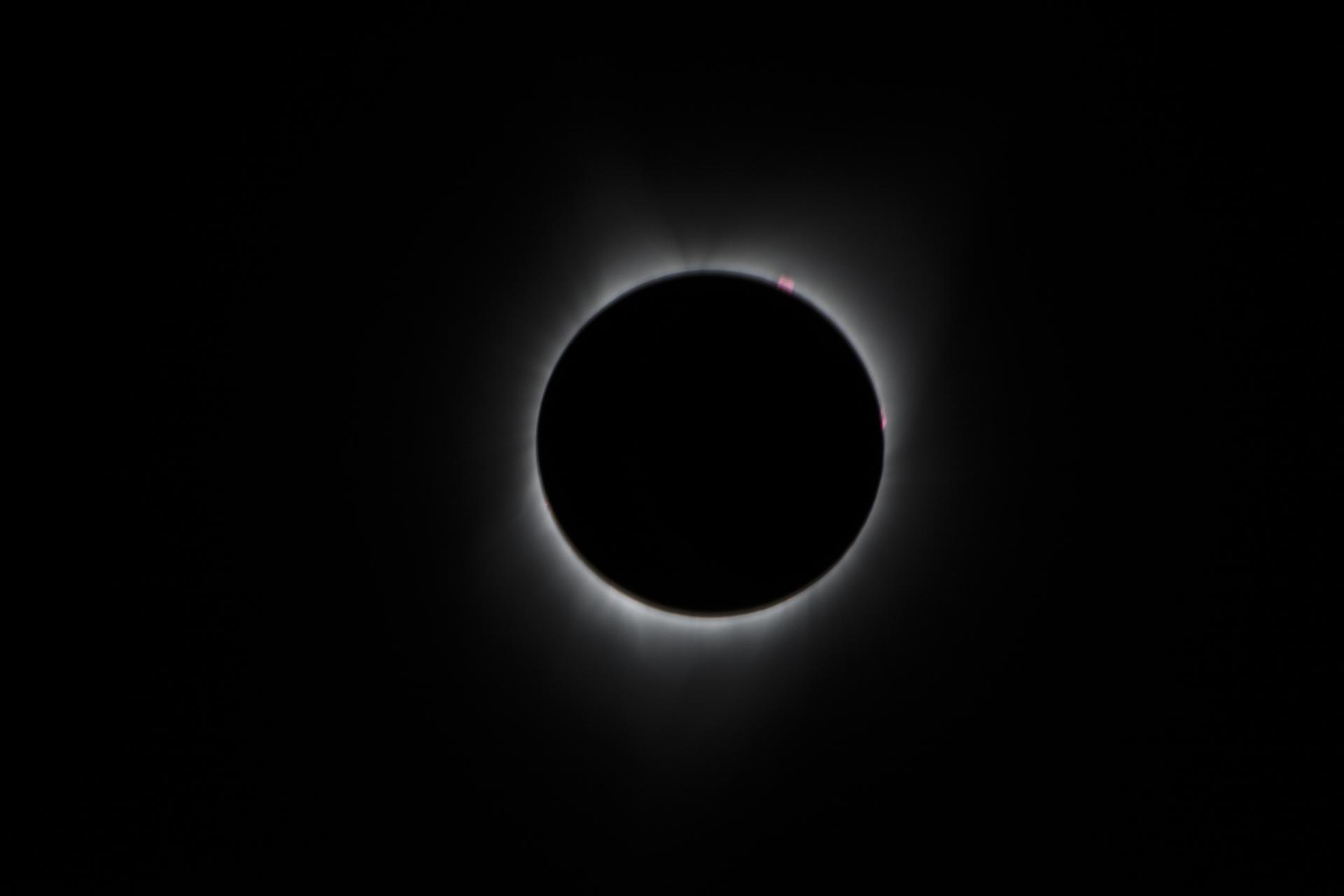
A total solar eclipse is scheduled for August 2, 2027, crossing southern Spain, North Africa and Arabia. Totality, the stretch when the Moon fully covers the Sun, peaks in southern Egypt at about 6 minutes 22 seconds, according to the National Solar Observatory. No total eclipse occurred on August 2, 2025.
The 2025 date was a mix-up
A rumor that the Sun would vanish on August 2, 2025 spread widely online. Sky at Night magazine called it an example of online hype and traced it to the 2027 eclipse. The date is the same, the year is not.

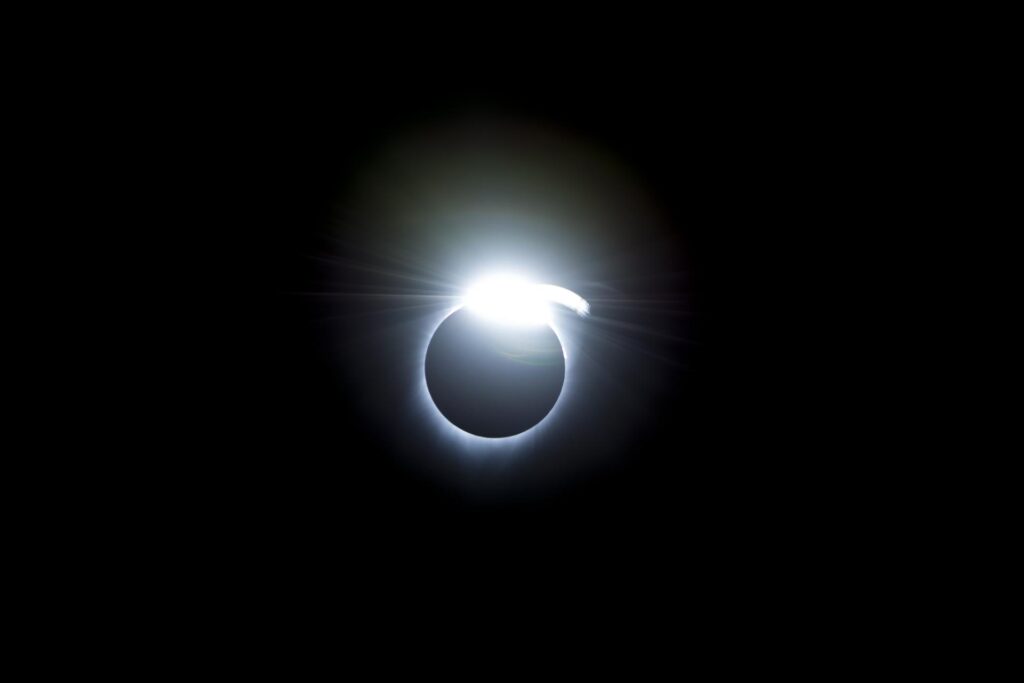
The eclipse that is now close is a different one. The total eclipse of August 12, 2026 had its maximum near Iceland, with totality of up to 2 minutes 18 seconds, according to Spain’s National Geographic Institute (IGN). Totality crossed northern Spain with the Sun low at sunset. The 2027 event is the next total eclipse visible from Spain.
Ten countries on the track
The National Solar Observatory lists the path as crossing Spain, Gibraltar, Morocco, Algeria, Tunisia, Libya, Egypt, Saudi Arabia, Yemen and Somalia, plus the Atlantic and Indian oceans. EclipseWise, the site run by former NASA eclipse specialist Fred Espenak, also lists Sudan. Cities in the band include Cadiz, Tangier, Benghazi, Luxor and Jeddah.
EclipseWise gives the path width at greatest eclipse as 257.7 km. The central line is narrower elsewhere along the track.
IGN gives these times in Spanish peninsular time. Converted to UTC, the world’s standard reference time, the eclipse begins over the Atlantic at about 07:30 and ends over the Indian Ocean at about 12:43. Maximum comes in Egypt at about 10:06 UTC. EclipseWise lists greatest eclipse at 25 degrees 30.2 minutes north, 32 degrees 52.7 minutes east.
Partial phases reach nearly all of Europe, much of Africa and southwest Asia. IGN says every location in Spain sees at least 70 percent of the Sun covered at maximum, from the north to the Canary Islands.
How long totality lasts, place by place
The figures differ slightly by source because of how and where the duration is measured:
- NASA’s eclipse data lists 6 minutes 23.2 seconds as the maximum duration, a figure that ignores the irregular edge of the Moon.
- EclipseWise gives 6 minutes 22.64 seconds at the point of greatest eclipse.
- The National Solar Observatory says 6 minutes 22 seconds near Luxor, and calls it the second-longest total solar eclipse of the 21st century, after 2009.
Totality in Spain is much shorter, and it falls in a narrow strip in the south. IGN says it covers Ceuta, Melilla, almost all of Cadiz province, part of Malaga province and the southernmost parts of Granada and Almeria. The institute lists:
- Ceuta: 4 minutes 48 seconds, the longest in Spain, starting at about 08:45 UTC.
- Melilla: 4 minutes 34 seconds.
- Cadiz: 2 minutes 54 seconds.
- Malaga: 1 minute 48 seconds.
The eclipse falls in the morning, so the Sun stands relatively high, a contrast with the low Sun of August 2026. IGN notes that the next solar eclipse visible from Spain is an annular one on January 26, 2028, in which the Moon leaves a bright ring of Sun showing, and that no further total eclipse will be visible from Spain until 2053.
Planning around cloud and crowds
Clear-sky odds differ from place to place along the path. EclipseWise says its guide includes cloud statistics identifying areas with the highest probability of clear sky, along with circumstance tables for hundreds of cities and 20 full-page path maps. Anyone choosing between Spain, Morocco, Tunisia and Egypt should check those local figures. A site close to the central line, the middle of the path, gains the longest totality and the widest margin for error if the position is slightly off. The Moon’s shadow moves quickly, and a site near the edge of the band can lose most of totality.
Observers who cannot travel can still follow the event as a partial eclipse, subject to the safety rules below. For other sky events leading up to the eclipse, see our meteor shower calendar through August 2027.
When the glasses can come off
NASA’s guidance is that the Sun may be viewed directly only during totality. Eclipse glasses or handheld viewers can be removed only once no part of the Sun remains visible through them, and must go back on as soon as a sliver of bright Sun reappears. NASA says viewers should comply with the ISO 12312-2 international standard and does not approve any particular brand. Ordinary sunglasses are not safe, however dark.
The agency also says glasses must not be used with cameras, binoculars or telescopes, which need their own solar filters fitted at the front. On partial phases, NASA’s eclipse safety page is blunt: “it is never safe to look directly at the eclipse without proper eye protection.”