Hera reads Didymos in 25 colors and heat, not just photographs
ESA's Hera is reading the Didymos asteroid pair with a color-splitting camera and a Japanese heat sensor, and its first detailed images are due on November 25.

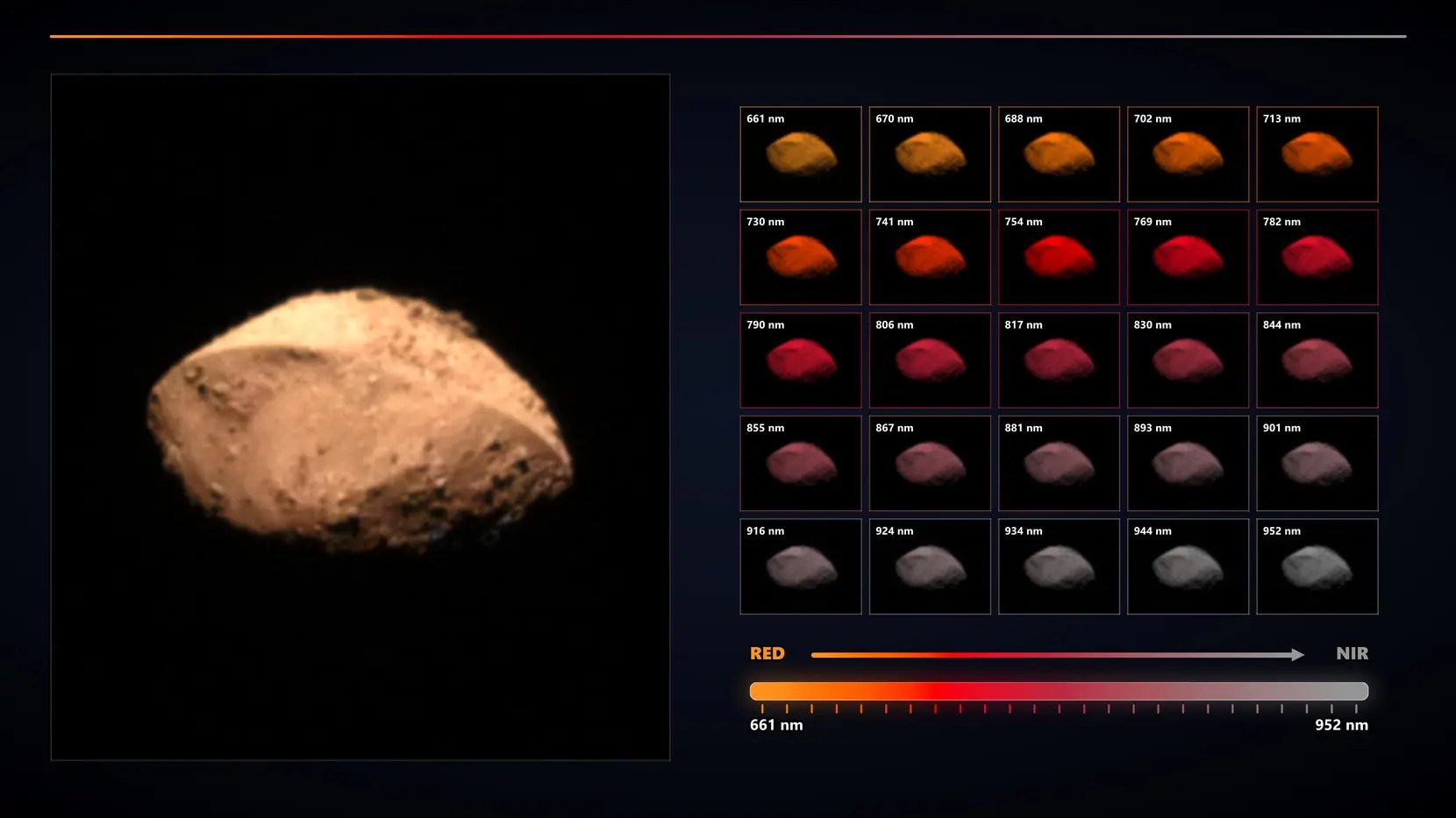
ESA’s Hera spacecraft is now surveying the asteroid Didymos and its small moon Dimorphos with a navigation camera, a 25-color imager and a heat-mapping instrument, ESA said. Detailed images of both are due on 25 November.
Three ways of looking at one asteroid pair
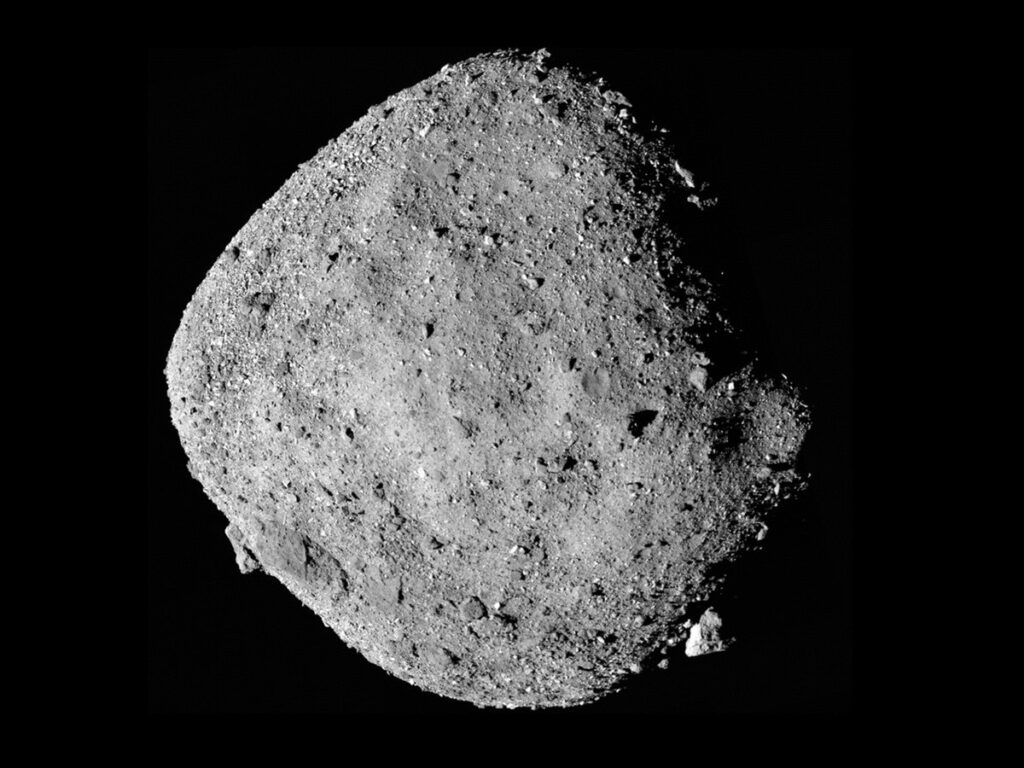
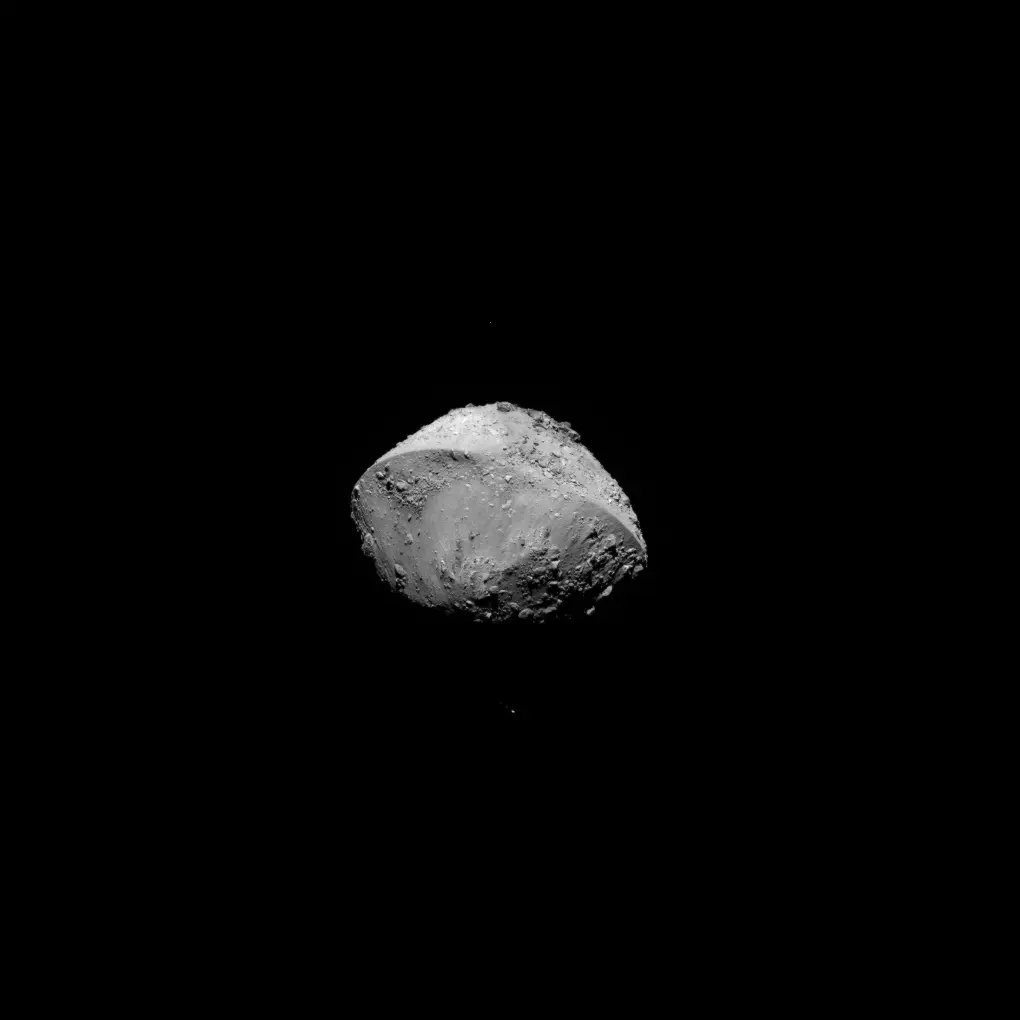
The Asteroid Framing Camera does the work closest to ordinary photography. It helps Hera navigate and also serves science. ESA published a view of Didymos taken from 28.5 km away, at about 2.7 m per pixel, in which a prominent ridge runs around the equator.

HyperScout H goes beyond what an eye can see. It records 25 color bands, from visible red into the near-infrared, which is light just beyond red that people cannot see. Scientists can compare those spectra with laboratory measurements of meteorites and minerals to work out what the asteroids are made of.
The third instrument, the Thermal Infrared Imager (TIRI), is supplied and operated by Japan’s space agency JAXA. It maps surface temperature. According to ESA, the temperature patterns can show whether the ground is solid rock, porous, broken up, or loose material down to dust. Dimorphos sits almost entirely in shadow in the visible images, but TIRI shows the whole moonlet in thermal infrared.

A ridge that may come from a fast spin
Didymos is about 780 m across and Dimorphos about 151 m. Patrick Michel, Hera’s Principal Investigator, suggests that Didymos’s fast rotation, one turn about every 2.2 hours, may help move material toward the equator and build the ridge. That is an idea to test, and the new color and heat data are the sort of measurements that can check it against the actual surface.
Unfinished business from the DART impact
NASA’s DART spacecraft, which weighed 580 kg, struck Dimorphos on 26 September 2022 at 6.1 km/s. The hit shortened the moonlet’s orbit by about 33 minutes and threw up a debris plume spanning about 10,000 km. ESA says key questions remain: the shape of the crater, the internal structure of the asteroid, and its mass. Hera was sent to answer them up close.
Over the coming months it will investigate the impact site, use two shoebox-sized CubeSats for closer surveys, and eventually land.
What to watch from here
The next date is 25 November, when ESA plans to release detailed images of both asteroids. Our earlier report on Hera’s first look at Didymos covered a preview frame taken from 56 km away, which showed part of Dimorphos near the top of the picture. Between that frame and the new 28.5 km view, the distance has roughly halved, and the resolution has improved with it.
The same report noted that Dimorphos orbits a little more than 1 km from Didymos. That tight spacing is why the two bodies can be studied together, and why the shadowed moonlet is a good test for the thermal imager: a camera that depends on sunlight sees little there, while a heat map still shows structure.
Two results would change the picture most. A composition match between HyperScout H spectra and a known meteorite type would tell scientists what the rubble is made of. A thermal map showing different surface textures around the DART crater would show how the impact altered the ground. ESA has not yet said when such results will be published beyond the November release.