Vulcan’s Amazon Leo launch fails: Booster lost power just after liftoff
ULA says early data point to low booster performance just after liftoff on the Leo 1 mission. The 40 Amazon satellites did not reach orbit, and the FAA will oversee the investigation.

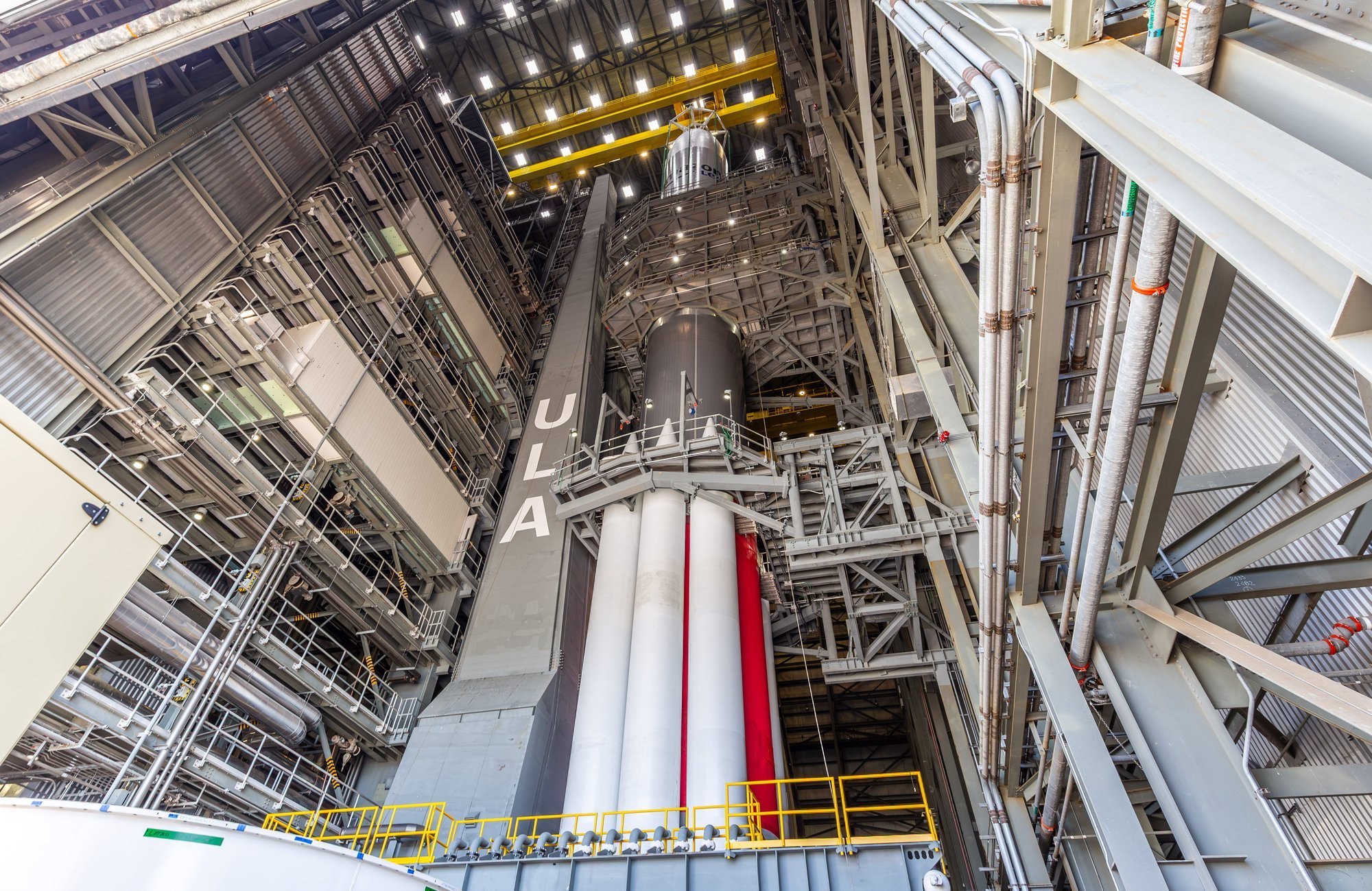
United Launch Alliance (ULA) says early data show Vulcan’s booster stage had low performance just after liftoff on the Leo 1 mission, so the rocket never reached orbit. Its update says the Federal Aviation Administration (FAA) will oversee the investigation.
What ULA has said so far
On Sunday, Nov. 15, ULA confirmed that a Vulcan launched from Space Launch Complex 41 in Florida had an anomaly about 10 minutes into flight. It failed to deliver Amazon’s Leo spacecraft to orbit. Two days later, ULA said telemetry (the data stream a rocket sends to the ground) and the mission were both lost at about that 10-minute mark.

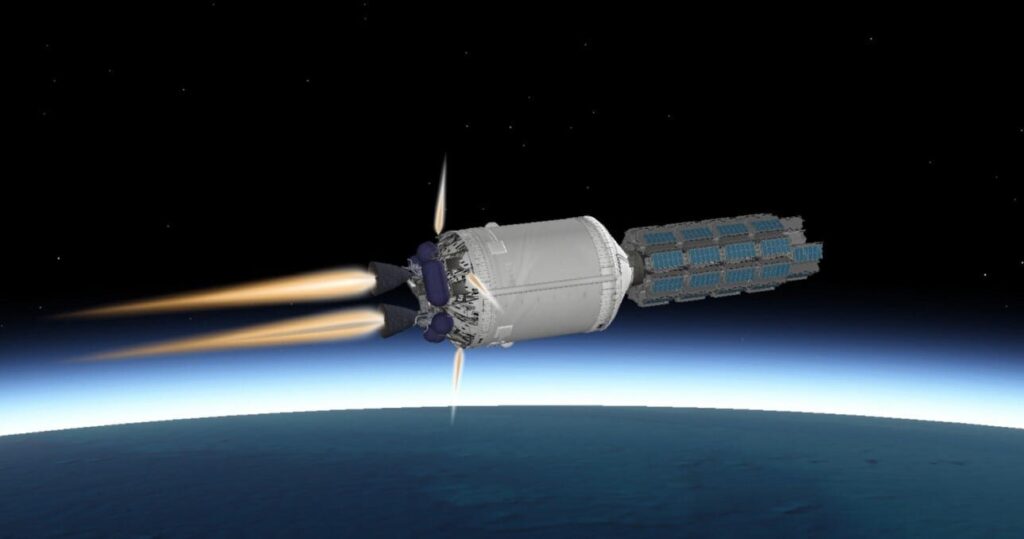
The company’s first reading of the data is specific. The booster had low performance just after liftoff, and stage separation happened while the vehicle was low in altitude and below the minimum velocity needed to reach orbit. The second stage then started normally, and its two RL10 engines ran as planned. ULA says that stage performed well but could not make up for the earlier loss.
The solid rocket boosters, the strap-on motors that add thrust at liftoff, appear to have performed nominally, according to ULA. That matters because the company had made nozzle improvements to them for this launch.

ULA says it wants to focus on the data and avoid speculation until the investigation ends. The FAA will approve the final report, including any corrective actions. ULA says it is committed to returning to flight as safely and quickly as possible.
A mission built to be a milestone
Leo 1 was meant to open a long run of flights. In its pre-launch post, ULA described it as the first of 38 Vulcan missions for Amazon’s Leo broadband constellation. It carried 40 satellites, the most Amazon had put on a single launch.

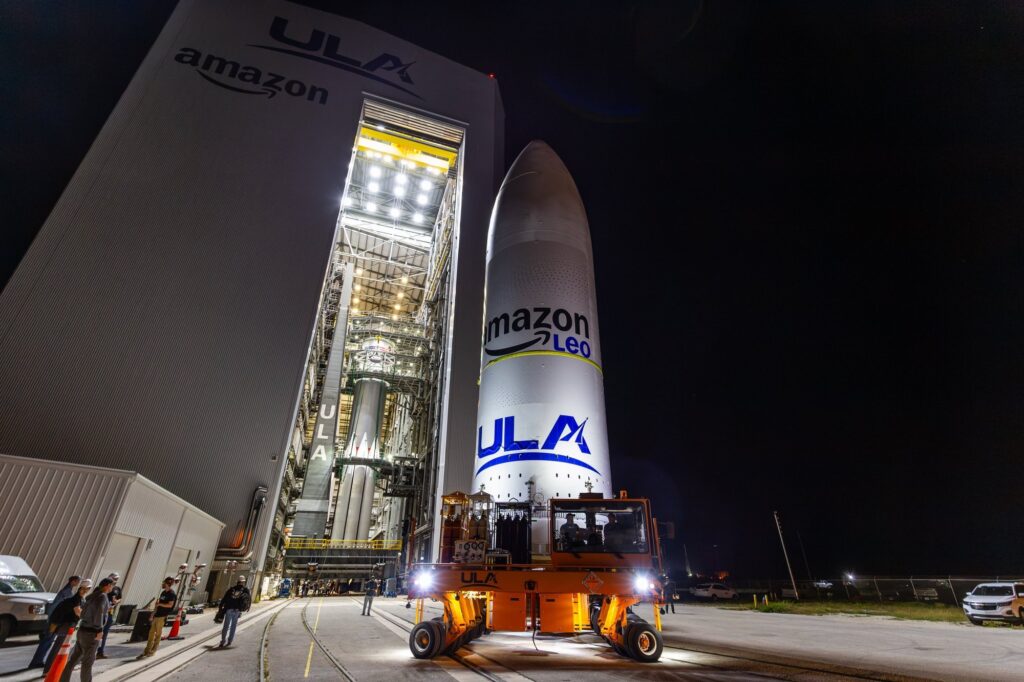
The vehicle was also new in several ways. ULA flew the VC6L variant, which uses six GEM 63XL solid boosters and a 70-foot (21.3 m) fairing. It also debuted a Centaur V upper stage tuned for low Earth orbit: about 1.8 m shorter than the standard version, with about a third less propellant. Amazon’s launch page adds that this was the first Vulcan flight with six boosters.
The pre-launch post also noted that the mission followed a February anomaly in a solid rocket booster nozzle. ULA said it had identified three causes and mitigated them, with the investigation continuing alongside flight.
Open questions: What is known, and what is not
The new data point to the booster phase, but ULA has not named a cause, and its update does not say whether the new six-booster configuration played a part. The February nozzle problem was in the solid boosters. For this flight ULA reports their performance as nominal, so the two events are not yet linked by anything ULA has published. The update does not say which part of the booster stage underperformed.
The stakes for Amazon are large. Amazon’s page says Vulcan was to launch more than 1,500 first-generation Leo satellites across the 38 missions, and its launch director Melissa Wuerl said Vulcan would launch “close to half our first-generation constellation.” Amazon had also said a second Vulcan, LV-02, was being prepared in a separate integration building and was expected within weeks of LV-01. That schedule now depends on how quickly the investigation closes.
Amazon does have another heavy rocket. Its page lists an Arianespace Ariane 6 mission, Leo Europe 4, targeted for no earlier than Nov. 23 from Kourou, French Guiana. Vulcan was the second heavy-lift vehicle to join the program after Ariane 6, so the Ariane flights now carry more of the near-term load.
The investigation also has a precedent for timing. ULA’s pre-launch post tied this flight to the February nozzle anomaly, which it handled by mitigating three causes while the investigation continued. Whether the FAA will let a return to flight run in parallel again this time is not stated in the update.
For now ULA has promised transparency with customers and said it will work with Amazon and other organizations to find the cause. Dates for any further flights are not yet given. Our rocket launch schedule will reflect them when ULA and Amazon announce them.