Final roll-out solar array: Spacewalk Nov. 5 completes the station’s power upgrade
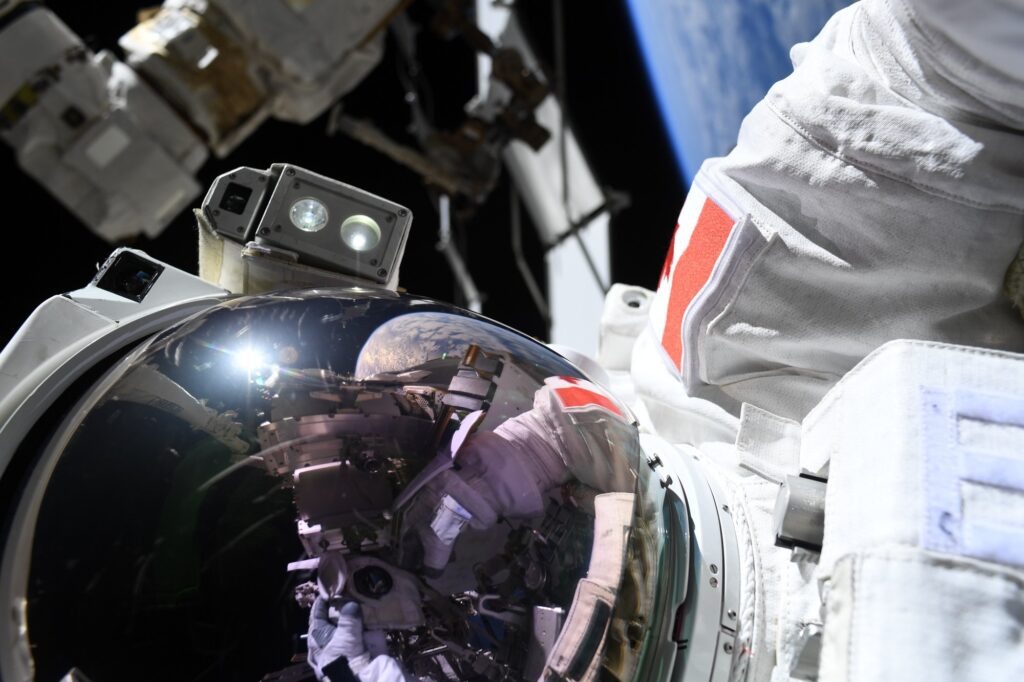
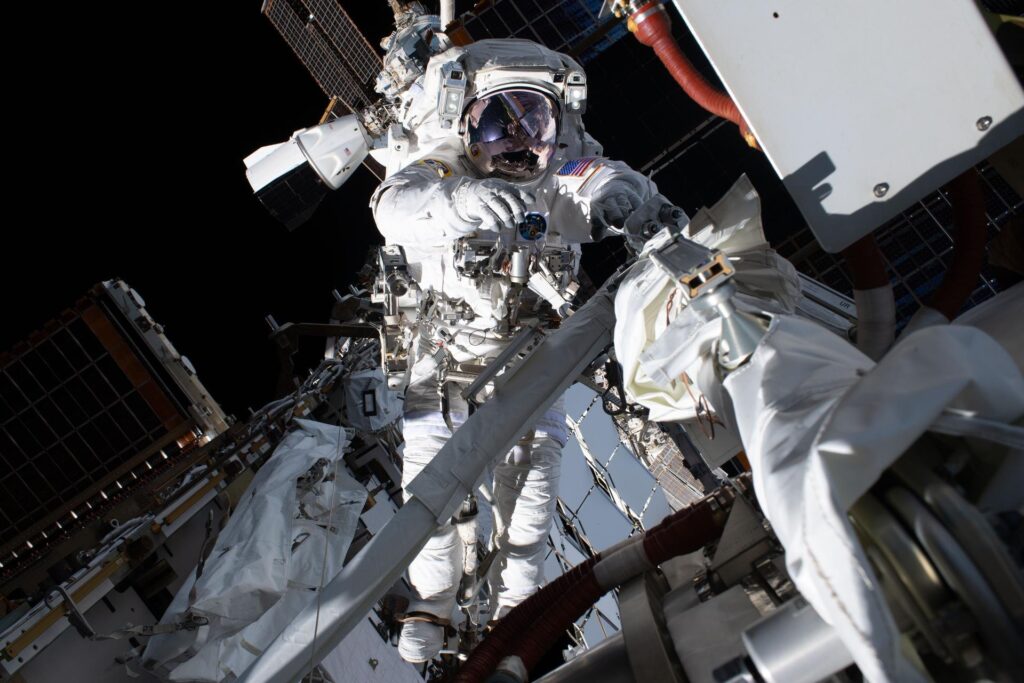
Canadian astronaut Joshua Kutryk and NASA's Anil Menon are set to install the eighth roll-out solar array on Nov. 5, ending an upgrade that began in June 2021.

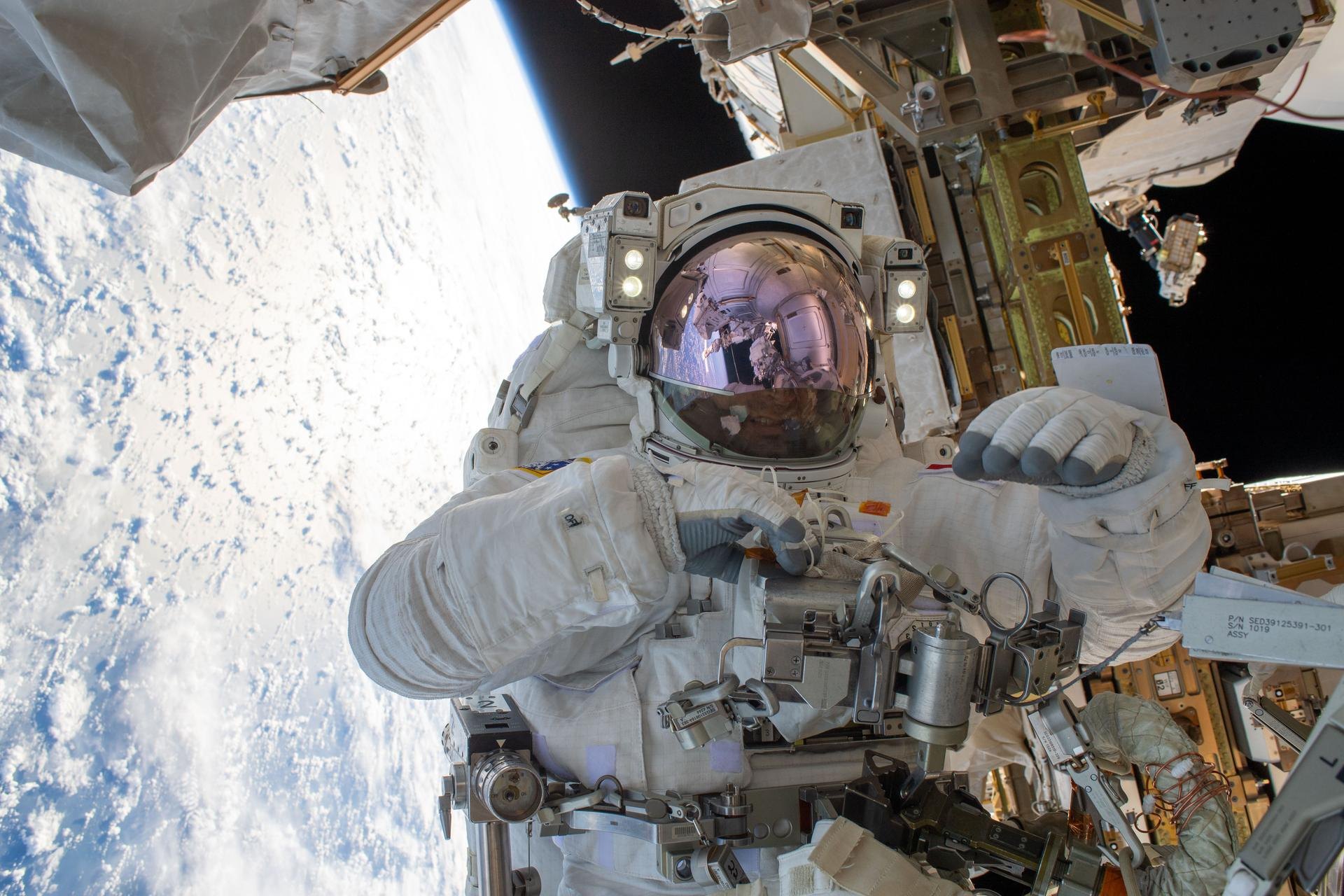
Two astronauts on the International Space Station are scheduled to step outside on Thursday, Nov. 5, to install the eighth and final roll-out solar array, NASA said. The job would finish a power upgrade begun in June 2021.
Thursday’s spacewalk: Start time, crew and job
Joshua Kutryk of the Canadian Space Agency and NASA’s Anil Menon are due to leave the Quest airlock at 8:30 a.m. EST, which is 13:30 UTC. NASA plans the outing to last about seven hours. On Tuesday the pair staged their tools in the airlock, checked the tethers that keep them attached to the station, and went over the planned steps.

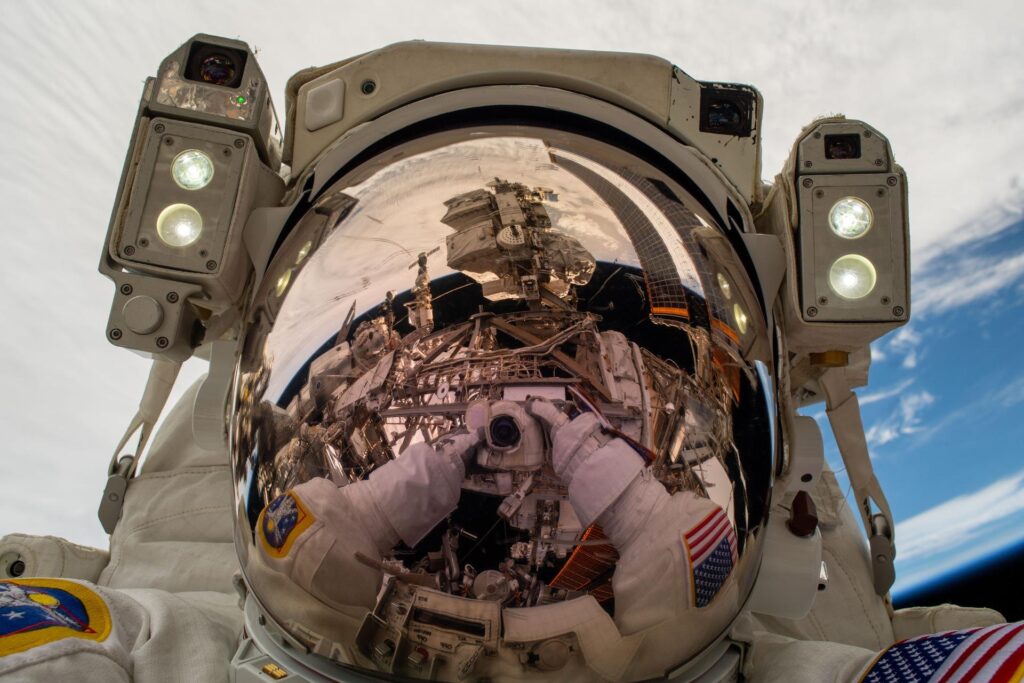
This is the second and last spacewalk in a series of two. The first took place on Oct. 29, when Kutryk and Menon worked on the station’s port side truss, the long beam that carries the solar arrays. The new array on Thursday goes onto the starboard truss on the opposite side. Kutryk’s first outing lasted 7 hours 11 minutes, so a spacewalk of similar length would match what NASA has planned.
NASA+ and other streaming platforms will carry live coverage starting at 7 a.m. EST (12:00 UTC) on Thursday.
From 160 to about 215 kilowatts
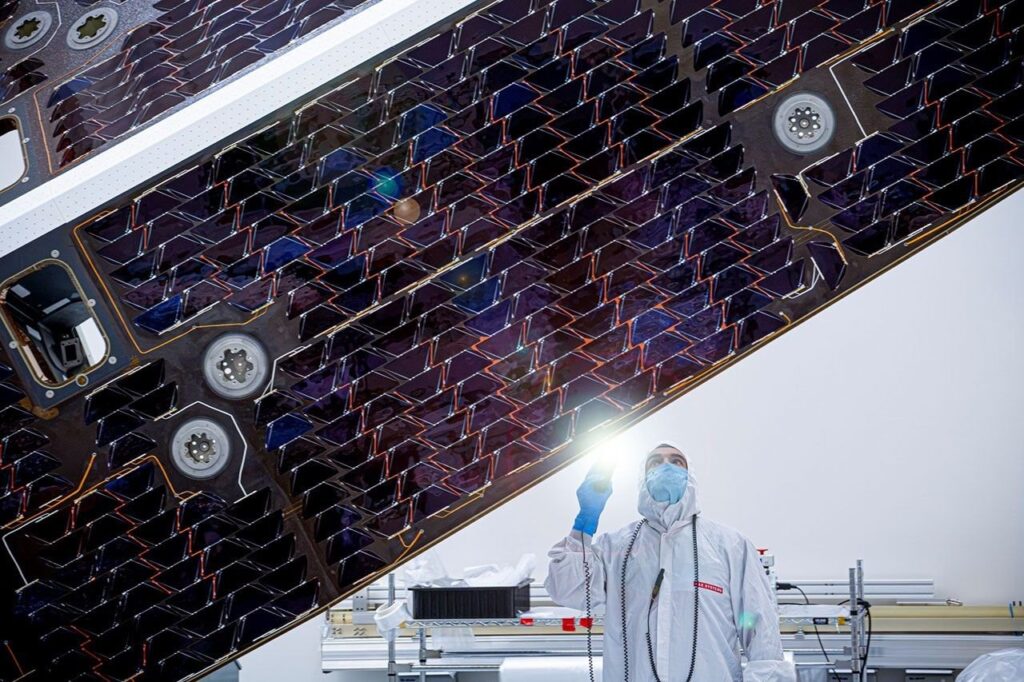
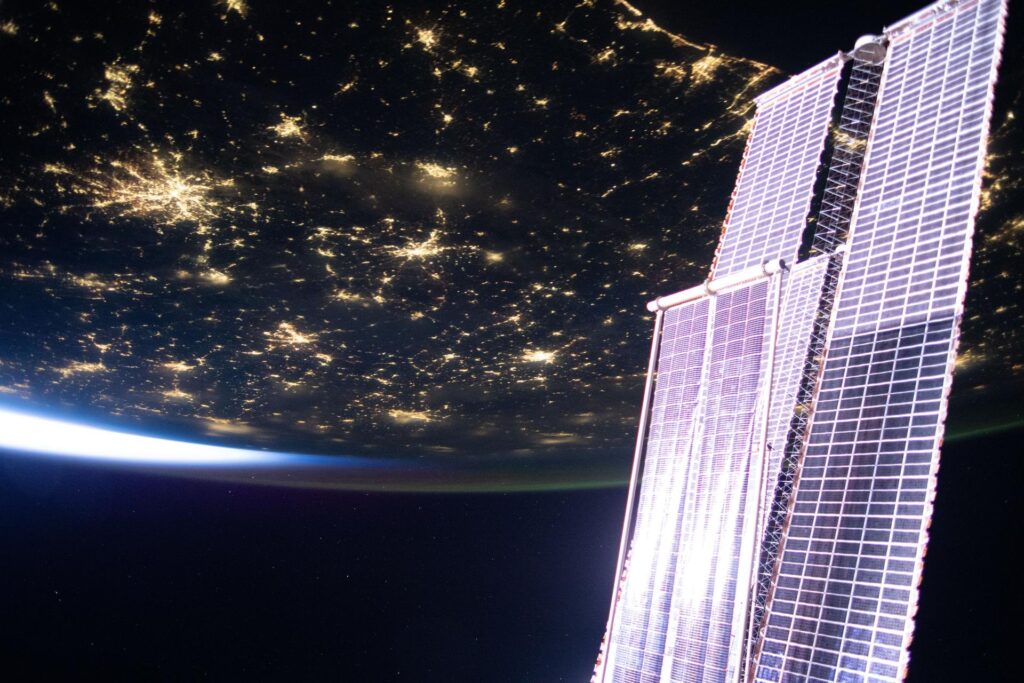
A roll-out solar array is a flexible panel that unrolls like a carpet once it is fixed to the truss. Each one is mounted in front of an older, rigid array to add to its output. According to NASA, the eight new arrays will raise the station’s power generating capacity from 160 kilowatts to about 215 kilowatts. A kilowatt is 1,000 watts, so the gain is roughly 55 kilowatts of extra electricity for experiments, life support and the station’s systems.
The work has stretched over more than five years because each array is carried up to the station and then fitted by spacewalkers, with the crew’s other work scheduled around it.
Who does what inside the station
NASA flight engineers Jessica Watkins and Luke Delaney also studied the procedures. They will help Kutryk and Menon into their spacesuits, monitor the spacewalkers and operate the Canadarm2 robotic arm. Operating the arm is a separate job: it can move people and equipment around the outside of the station while the spacewalkers work.
Preparation did not stop the science. Delaney pedaled on the exercise cycle in the Destiny laboratory module while wearing a vest and headband full of sensors called the Bio-Monitor. It recorded his heart activity, blood pressure and breathing rate to show how the heart and lungs adapt to weightlessness. NASA says the results inform crew health measures for future missions to the Moon and Mars. The station’s research on the space station relies on this kind of measurement.
Dragon stays until mid-November
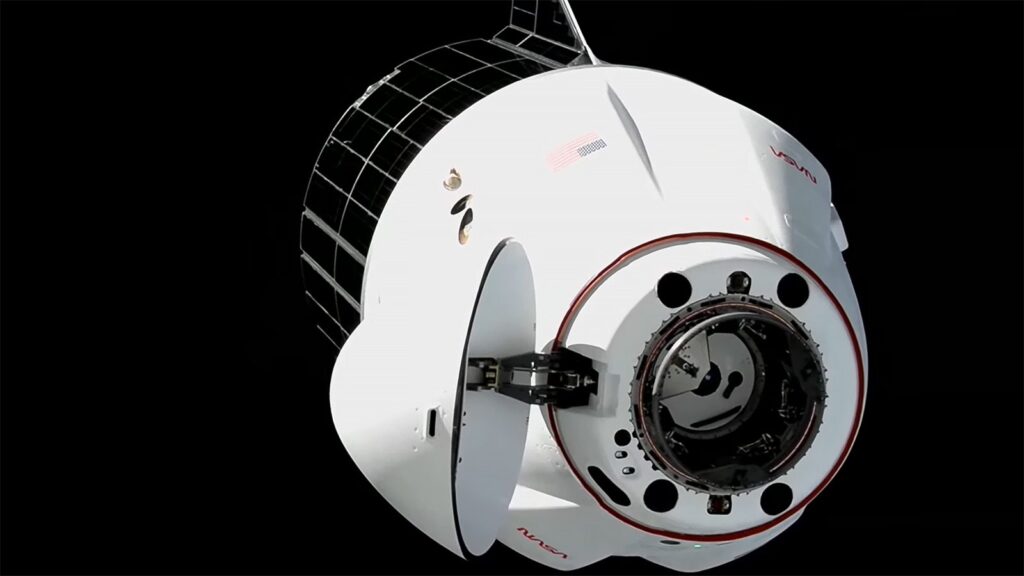
Delaney also joined Menon and Watkins in swapping payloads, the experiment packages, inside the SpaceX Dragon cargo spacecraft that docked to the Harmony module’s space-facing port on Oct. 15. NASA expects Dragon to return to Earth in mid-November, carrying finished experiments and station hardware for analysis.
In the Russian segment, commander Pyotr Dubrov set up Earth observation equipment for a daylong session photographing landmarks in the Indian and Pacific oceans. Flight engineer Sergey Teteryatnikov completed 24 hours wearing electrodes that measured his heart activity and blood pressure. Flight engineer Anna Kikina moved water from the Progress 96 cargo ship and cleaned ventilation systems in the Zvezda service module.
What to watch on Thursday and after
The first thing to check is whether the seven-hour plan holds. A roll-out array must be bolted in place and then unrolled, and a delay in either step would show in NASA’s live coverage and in the station blog afterward. Once the array is fixed and deployed, NASA can say the eighth array is in place and the 215-kilowatt target is within reach.
The next visitor is already on the calendar. Northrop Grumman’s Cygnus XL is set to fly on Nov. 29 with cancer and muscle-loss studies, and those experiments will draw on the station’s electricity. Dragon’s return in mid-November will then free the Harmony port for that traffic.