Mars facts: How far away it is, how cold it gets, its weather and the search for life
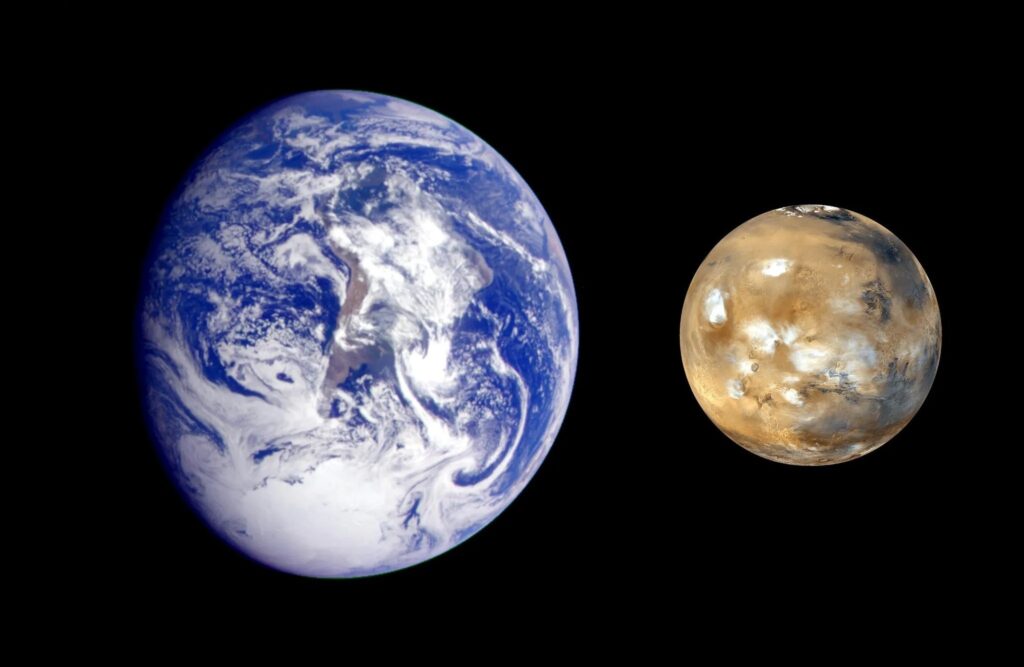
Mars is a cold, dry, dusty world half Earth's width, between 54.6 and 401.4 million km away, where…
Practical guides to space and the night sky: how and when to see the northern lights, meteor showers, eclipses, rocket launches and the International Space Station.
Page 2 of 2
Mars is a cold, dry, dusty world half Earth's width, between 54.6 and 401.4 million km away, where…
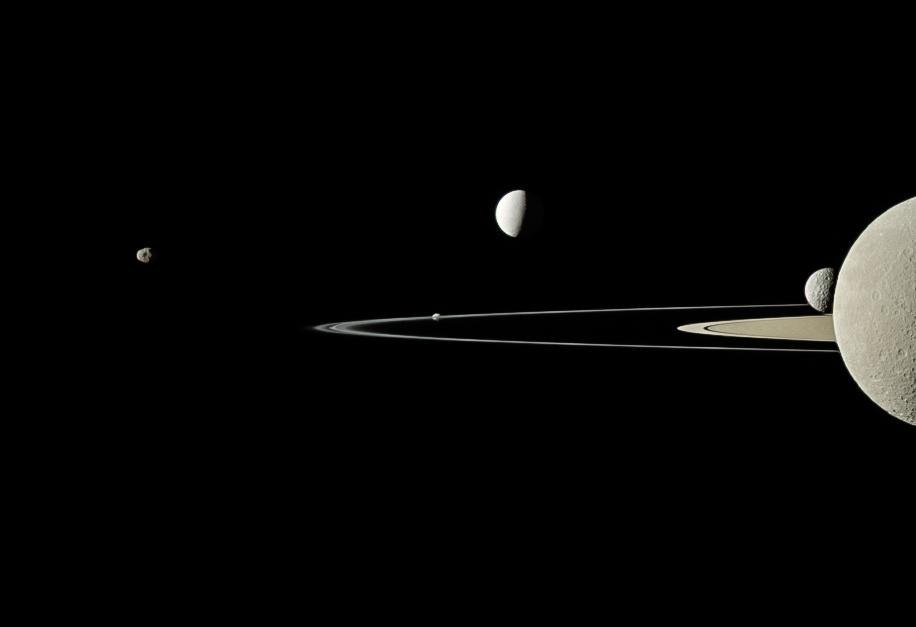
NASA lists 293 confirmed moons for Saturn. Titan and Enceladus stand out, thanks to Cassini and Huygens.
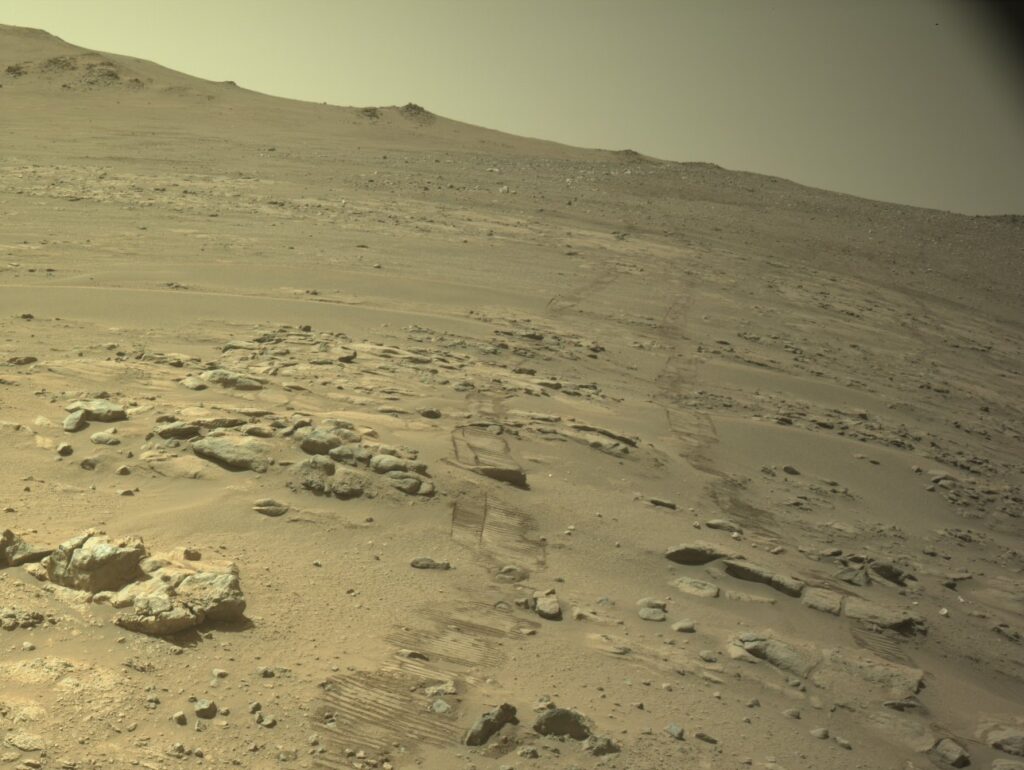
Two NASA rovers still work on Mars: Perseverance, which just broke Opportunity's driving record, and Curiosity, drilling on…
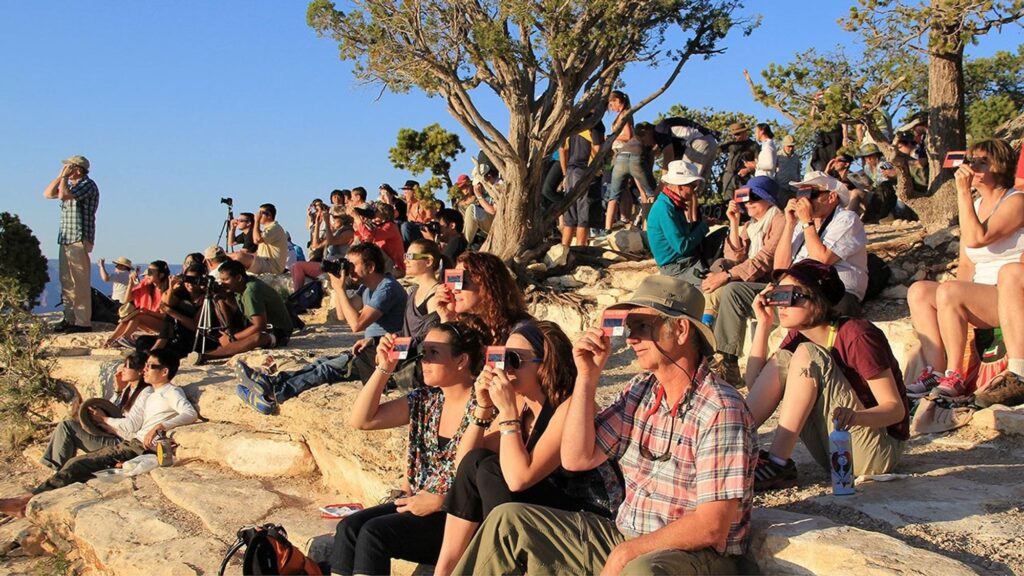
The 2026 total eclipse has passed; the next is an annular eclipse on Feb. 6, 2027, and the…
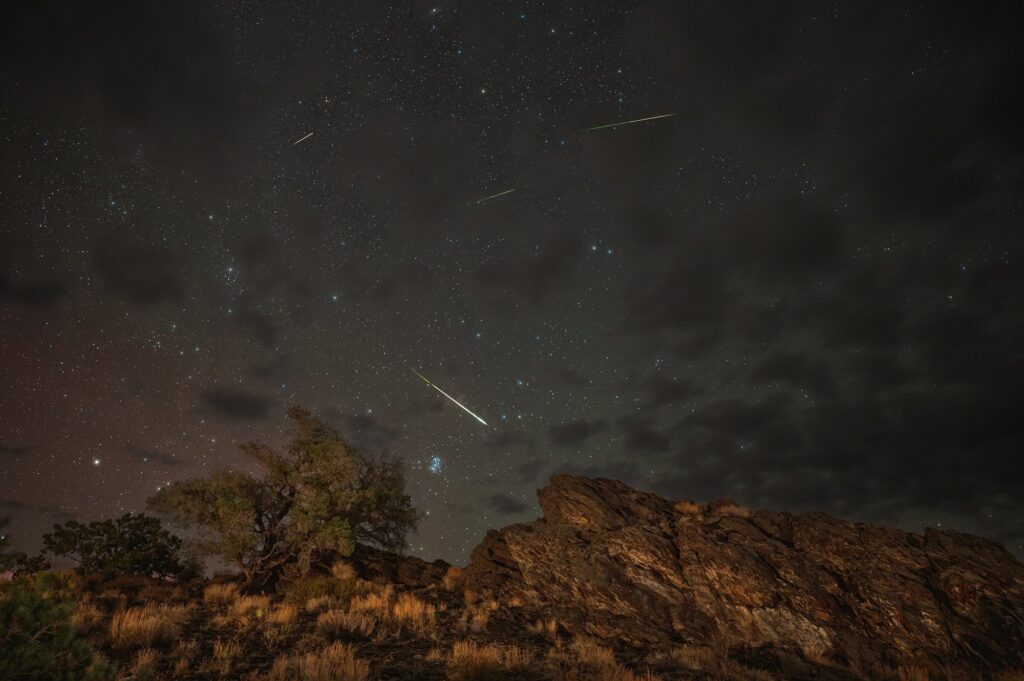
The Orionids peak October 21-22, 2026, and the Geminids follow December 13-14. Peak nights through August 2027, with…
NOAA's 30-minute aurora map, the Kp index and a clear, dark sky decide whether you can see the…