Starship will try to fly itself back to Starbase and be caught by the tower on Flight 15
SpaceX says Flight 15 will attempt Starship's first return to launch site, with a tower catch after about 21 hours in orbit and a path over northern Mexico and southern Texas.

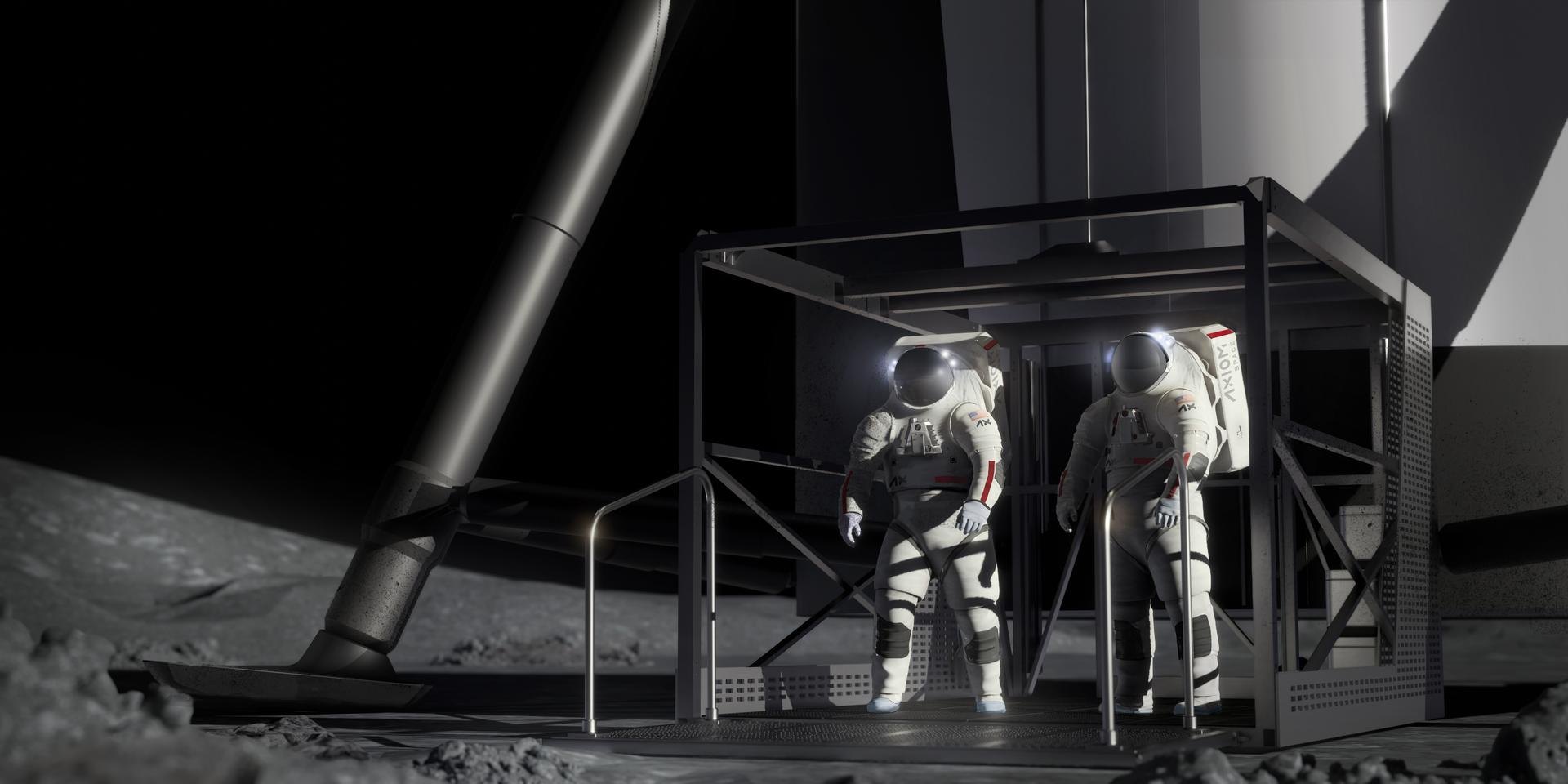
SpaceX says Starship’s Flight 15 will attempt the first return of the upper stage to its launch site, a catch by the tower at Starbase, Texas. The ship will orbit Earth for about 21 hours first, according to a SpaceX update.
SpaceX has not given a launch date in this update.


From ocean splashdown to a tower catch
Until now, every Starship mission ended with a splashdown in the ocean. SpaceX says those flights proved ascent, maneuvers in space, payload deployment and a reentry accurate enough to permit a catch. The company flew over empty ocean on purpose, to keep the public safe while it learned how the ship behaves on the way down.
A catch changes that. To reach Starbase, the ship has to cross inhabited land in northern Mexico and southern Texas. SpaceX argues this is routine for crewed spacecraft: it notes that Space Shuttle missions from 1981 to 2011, its own Dragon capsule from 2020 to 2025, and Russia’s Soyuz and China’s Shenzhou all reentered over land.


The company also points to deliberate stress tests on earlier flights. Engineers removed dozens of heatshield tiles at critical areas and put control surfaces under higher heating and aerodynamic loads than a normal reentry would bring. SpaceX says the ship still reached its target, which it describes as a significant factor of safety.
A day in orbit, and several exits before the catch
Flight 15 starts on a suborbital path, the same profile as Starship’s first orbital mission. If something fails early, the ship would reenter over a cleared area of the Indian Ocean. Flight controllers then decide “go” or “no-go” for orbit. On “go”, a single Raptor sea-level engine burns to reach orbit and the ship deploys its Starlink V3 satellites. Three of those satellites have been modified to photograph Starship’s heatshield, one of several data sources SpaceX will use to judge whether the ship is ready to come home.
The ship then coasts for about 21 hours until its orbit lines up with Starbase. Controllers will run manual and automated checks throughout. They cover engine health, power and communications, flight computers and navigation sensors, the propellant tanks and feedlines, tank pressure, and attitude control. SpaceX describes the criteria as intentionally conservative.
If a check fails, the ship can splash down in precleared areas of the Pacific. SpaceX lists early and late options near Hawaii and a mid-mission option several hundred kilometers off Chile. The same areas were used on Flight 14.
How the catch is meant to unfold
If the conditions, which SpaceX says were developed in-house and approved by the FAA, are met, a single Raptor 3 engine performs the deorbit burn. That puts the ship on course to reenter over the Pacific, thousands of kilometers uprange from Starbase. During reentry it steers with its four control flaps and makes a series of small turns to cross sparsely populated parts of northern Mexico and southern Texas.
The ship approaches from the west, weaves around the major cities of the Rio Grande Valley, passes north of South Padre Island and turns south over the Gulf of America toward the tower at Pad 2. Residents of Cameron County and nearby areas may hear one or more sonic booms, which SpaceX says pose no health risk.
Near the tower, the ship ignites three sea-level Raptor engines and flips upright while stowing its flaps. It drops to two engines, moves between the tower’s mechanical arms, then drops to one engine near a hover. The arms close on two catch fittings just below the forward flaps, and the last engine shuts down once contact is registered.
SpaceX also lists exits during reentry. Controllers can tumble the ship on purpose so it breaks up in the atmosphere before reaching land, or, late in the descent, send it into the Gulf if the ship or the tower has a problem.
Why a catch matters for launch rates
SpaceX calls recovering a whole orbital launch system the “Holy Grail of rocketry”, because it would allow a vehicle to fly again quickly, like an airplane. That ties directly to cadence. Our earlier report on the FAA review of Starbase launches described a proposal to go from 25 to 456 launches a year. Flying that often only makes sense if the ship comes back to the pad intact and ready for reuse, rather than being lost or fished from the ocean.
The same logic applies to the missions SpaceX lists for a fully reusable Starship: a permanent human presence on the Moon, a bigger Starlink network and its Starmind supercompute constellation. Whether the ship can do it safely over land is the question Flight 15 is built to answer, and SpaceX says it will end the mission early if any check fails.