NASA offers $150,000 to build a digital twin of an Artemis II astronaut’s bone marrow
NASA wants computer models that predict how each astronaut's immune system and bone marrow respond to deep space, built on data from the organ chips that flew around the Moon on Artemis II.

NASA has opened the BPS Digital AVATAR Challenge, with $150,000 in total prizes for computer models that predict how an astronaut’s bone marrow and immune system respond to spaceflight. Submissions close on Feb. 12, 2027.
A computer twin for a chip that already flew to the Moon
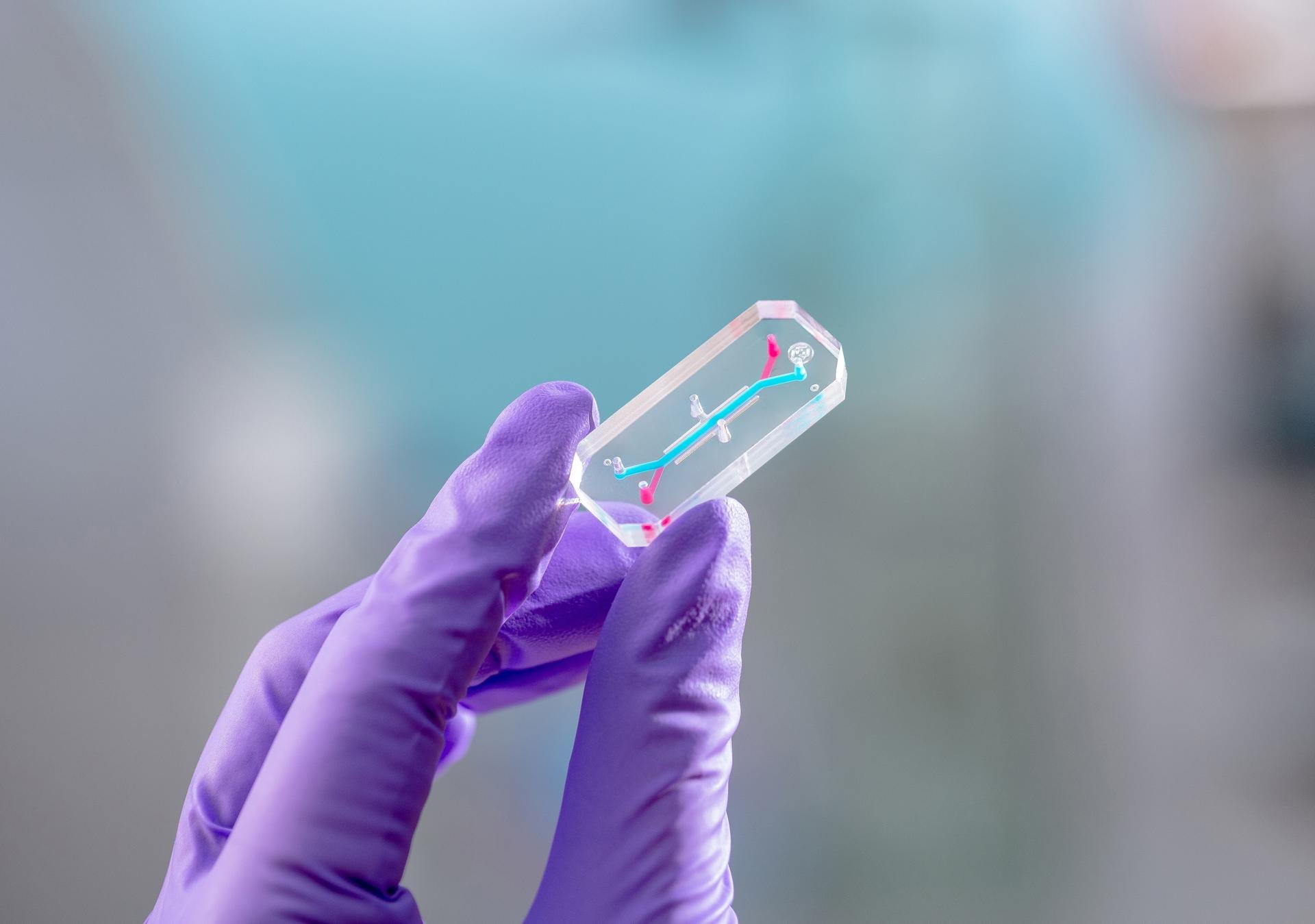
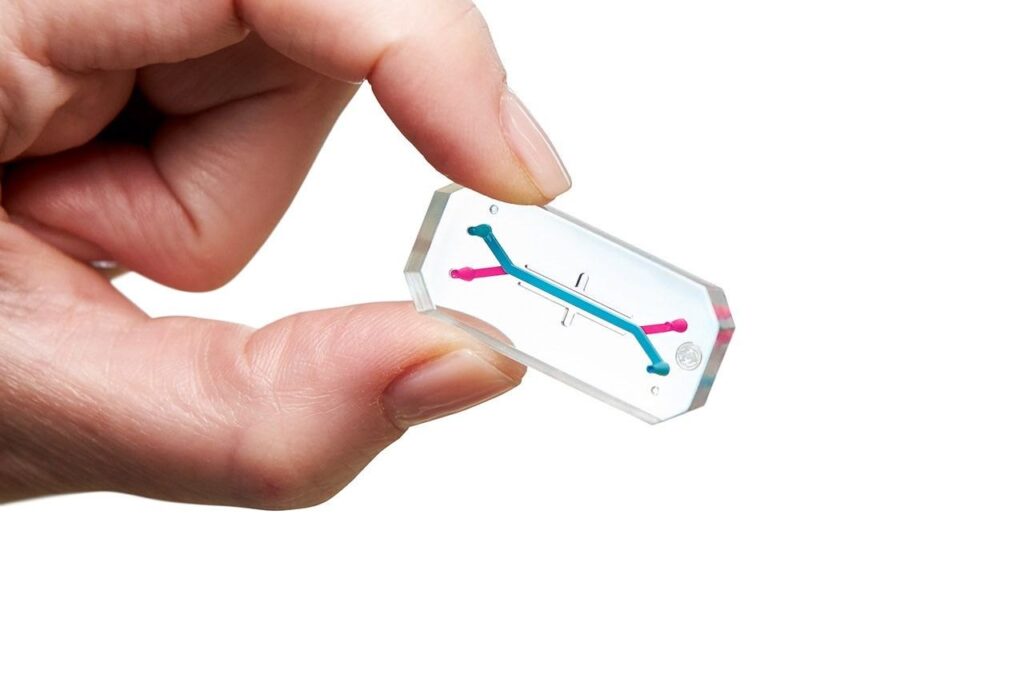
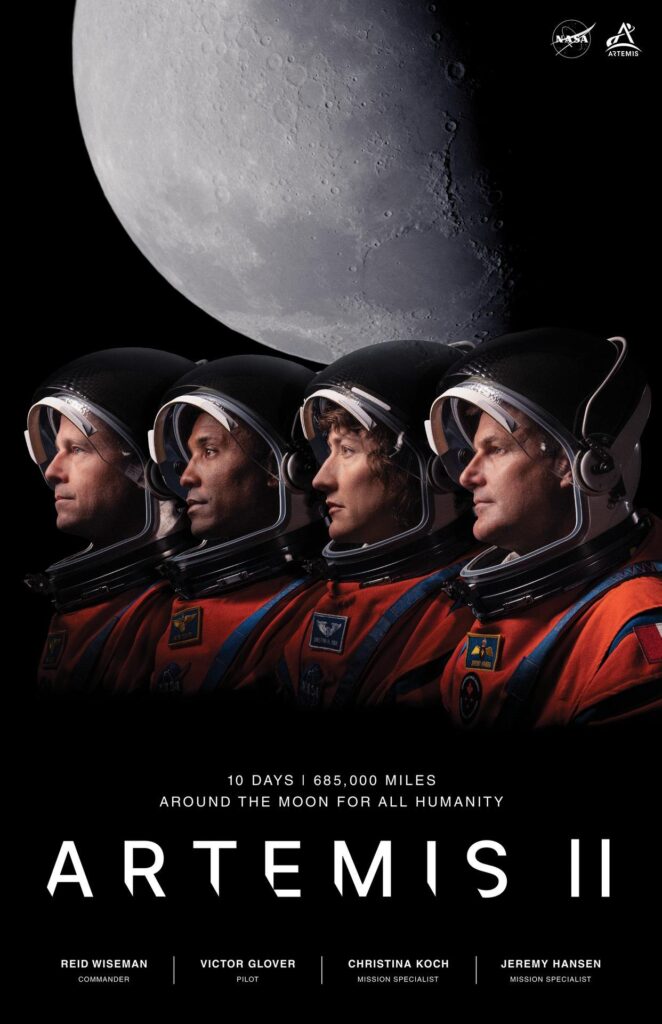
The challenge builds on AVATAR, short for A Virtual Astronaut Tissue Analog Response. It is an experiment that flew on Artemis II, the crewed lunar flyby that returned on April 10, 2026, after 10 days. AVATAR used organ-on-a-chip devices: small engineered pieces of living human tissue that mimic how an organ behaves. NASA says the chips were constructed from the cells of actual crew members, which makes AVATAR the first demonstration of an Artemis astronaut analog that produces personalized biological insights.

Now NASA is asking the scientific community to build a digital twin of the AVATAR bone marrow chip. A digital twin is a computational model of a specific person or object that is repeatedly corrected with real measurements, so its predictions get better over time. Here, the model must show how the chip responds to the stresses of spaceflight, which NASA’s Space Biology Program lists as microgravity, ionizing radiation, low magnetic fields and elevated carbon dioxide.
NASA sets several requirements for entries:

- The framework must process many kinds of data at once, combining environmental, physiological and multi-omics inputs (large-scale measurements such as gene activity).
- It must model each astronaut’s immune and bone marrow blood-forming (hematopoietic) responses.
- It must separate effects that are specific to one individual from effects common across the whole crew.
- It must show a path to continuous updating as new data arrive.
Registration opened on Nov. 16, 2026. The rules, eligibility details and entry form are on the challenge platform. NASA’s page does not say how the $150,000 will be divided among winners.
What the chips can tell the modelers
The challenge is only as good as the data behind it, and NASA’s AVATAR investigation page describes what exists. Each crew member has a bone marrow chip made from their own cells, and matching ground control chips stayed on Earth for comparison. The chips are roughly the size of a USB drive, according to NASA. Emulate made them, and the commercial partner Space Tango developed the hardware that ran the automated experiment inside the Orion capsule. Emulate and scientists from the Wyss Institute lead the research, while NASA leads the project with other U.S. government agencies, including BARDA and NCATS, part of the National Institutes of Health.
Researchers plan single-cell RNA sequencing, which reads which genes are switched on inside individual cells. They will compare flight chips with ground chips and with astronauts’ blood samples taken before and after the mission. NASA says analysis had begun as of April 2026. A digital twin gives outside teams a way to turn that kind of data into predictions rather than only descriptions.
Medicine for astronauts, and for patients at home
NASA frames the goal as personalized, data-driven health strategies for long deep space missions, where crews cannot return quickly and medical kits are limited. The agency says AVATAR results can inform the contents of those kits and the countermeasures crews use.
The effects reach beyond crews. In its own description, NASA says AVATAR could lead to big impacts in healthcare for astronauts in space and for citizens on Earth. Two details from the agency’s project page show why. The research is backed by BARDA, the U.S. agency that funds medical countermeasures, and NCATS, the NIH center that promotes new ways to test treatments. Both have an interest in replacing guesswork with models of individual response. Bone marrow is a sensible target because it makes the blood and immune cells that radiation can damage, and it matters equally to cancer patients treated with radiation on Earth.
The same logic is already being tested on the station. Our report on the Dragon cargo ship leaving with lab-grown blood vessels and tumor samples shows tissue-based research returning from orbit regularly. The Digital AVATAR Challenge adds the software side: a model validated on four crew members’ chips could, in principle, be retrained on any person’s cells.
For entrants, the deadline is Feb. 12, 2027, which leaves a little under three months from registration opening to submission.