Astronaut applications open: NASA picks its next class for the Moon Base
NASA is taking applications for its next astronaut class until Dec. 3, with selection due in late 2027 for crews headed to the Moon and, later, Mars.

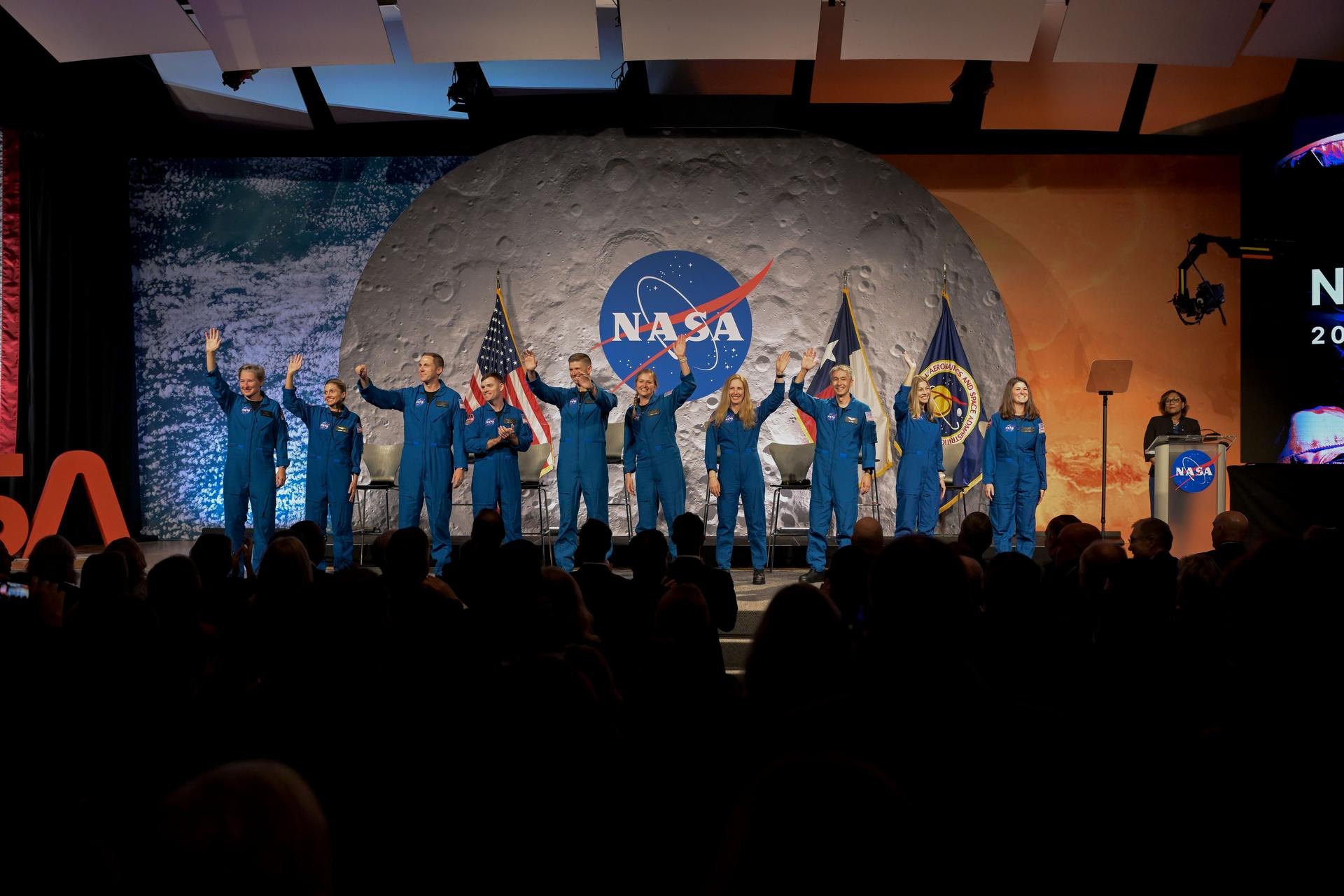
NASA has opened applications for its next class of astronauts. U.S. citizens have until 11:59 p.m. EST on Thursday, Dec. 3 (04:59 UTC on Dec. 4) to apply, and the agency expects to make its final selection in late 2027, according to a NASA release.
Who can apply, and what they would train for
The new recruits would train to work on the lunar surface and to live and work beyond Earth, as NASA returns to the Moon, builds what it calls the Moon Base, and prepares for the first crewed missions to Mars. Selected applicants join an active corps of 32 astronauts and will study spacewalking, lunar geology and the operation of high-performance aircraft. Since the 1960s NASA has chosen 370 people to train as astronaut candidates.


The basic requirements are U.S. citizenship and a master’s degree in a STEM field (engineering, biological science, physical science or computer science). NASA lists several ways to meet that bar:
- at least two years of work toward a doctorate in a relevant technical field;
- a medical degree such as Doctor of Medicine, Doctor of Osteopathic Medicine, Physician Assistant, Doctor of Nursing Practice or Family Nurse Practitioner;
- completion of, or current enrollment in, a nationally recognized Test Pilot School program, provided it is finished by July 2027. In that case a STEM bachelor’s degree is also required.
Applicants also need at least three years of related professional experience after their qualifying degree. Pilots can meet this with flight time: 750 hours as pilot in command of high-performance jets, 1,500 total hours in other fixed-wing aircraft (including 750 as pilot in command), or 1,000 total hours in helicopters and other rotary-wing aircraft (including 300 as pilot in command). Doctors can count residency training if it is completed by July 2027. Everyone must pass NASA’s long-duration astronaut flight physical and show leadership, teamwork and communication skills.


NASA Administrator Jared Isaacman said the people selected “could walk on the Moon, live and work at the Moon Base, and help pioneer the systems and operations that will ultimately carry crews to Mars.” Chief astronaut Scott Tingle, who chairs the Astronaut Selection Board, described the role as a chance to join a legacy of explorers.
A smaller field than last time, and a long wait
The previous call came in 2024 and drew more than 8,000 applications. Ten people were chosen and announced on Sept. 22, 2025, and NASA says they are still completing nearly two years of training. The class before that, announced on Dec. 6, 2021, also had ten members, picked from more than 12,000 applicants, according to NASA. They graduated in March 2024 after more than two years of basic training.
The pattern is steady: roughly ten new astronauts per class, with a selection process that takes about a year and a training period of around two years. Someone who applies this month would be chosen in late 2027 and, on the timelines of the last two classes, would not finish candidate training before late 2029. That is the point at which a new astronaut becomes eligible for a flight assignment, so this class would be preparing for the Moon Base era rather than its first landings.
The odds are steep either way. With more than 8,000 applicants for ten places in the last round, fewer than 1 in 800 applicants was selected. NASA’s mix of accepted qualifications, from doctoral work to medical training to test pilot schooling, is wide, but the agency still asks for professional experience on top of the degree, so the pool is made up mostly of working scientists, engineers, doctors and pilots.
Where the new class fits in NASA’s lunar plans
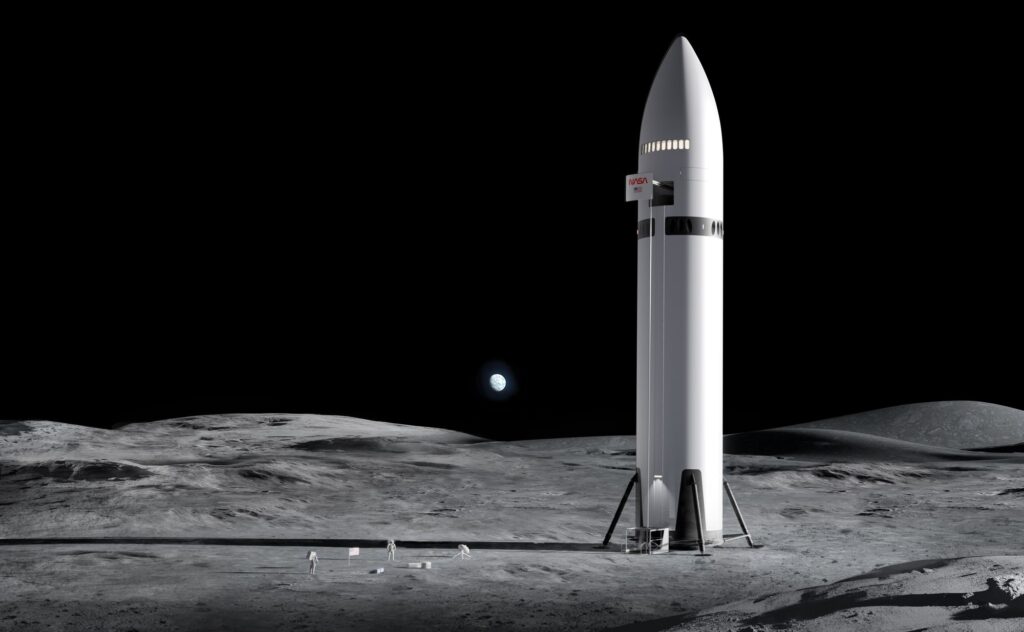
According to NASA, its Artemis program will send crews on progressively harder trips to the region around the Moon’s south pole, covering more lunar terrain than any earlier effort, while the agency works toward a lasting human presence on the surface. Deputy Administrator Matt Anderson put the call this way: “The window is open.”
Details on the application process are on NASA’s astronaut careers page, go.nasa.gov/astro2026, and applications go through the link in the release.