Curiosity meets the polygons again, and Mars may have more ahead
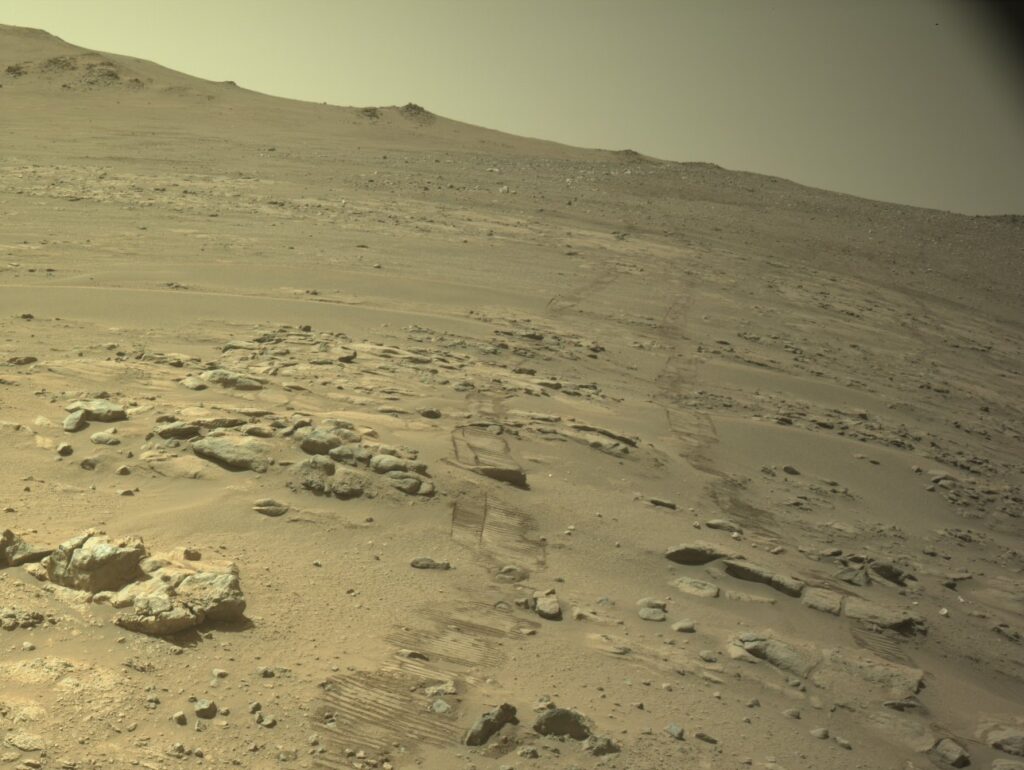
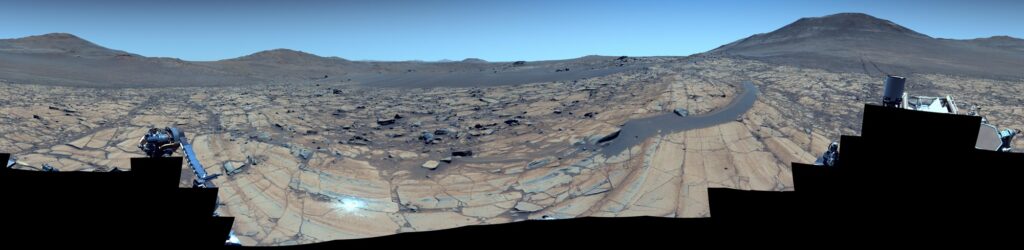
After weeks of drilling, NASA's Curiosity is climbing Mount Sharp again and has found rocks cracked into small, evenly sized polygons, a texture the team first met a few months ago.

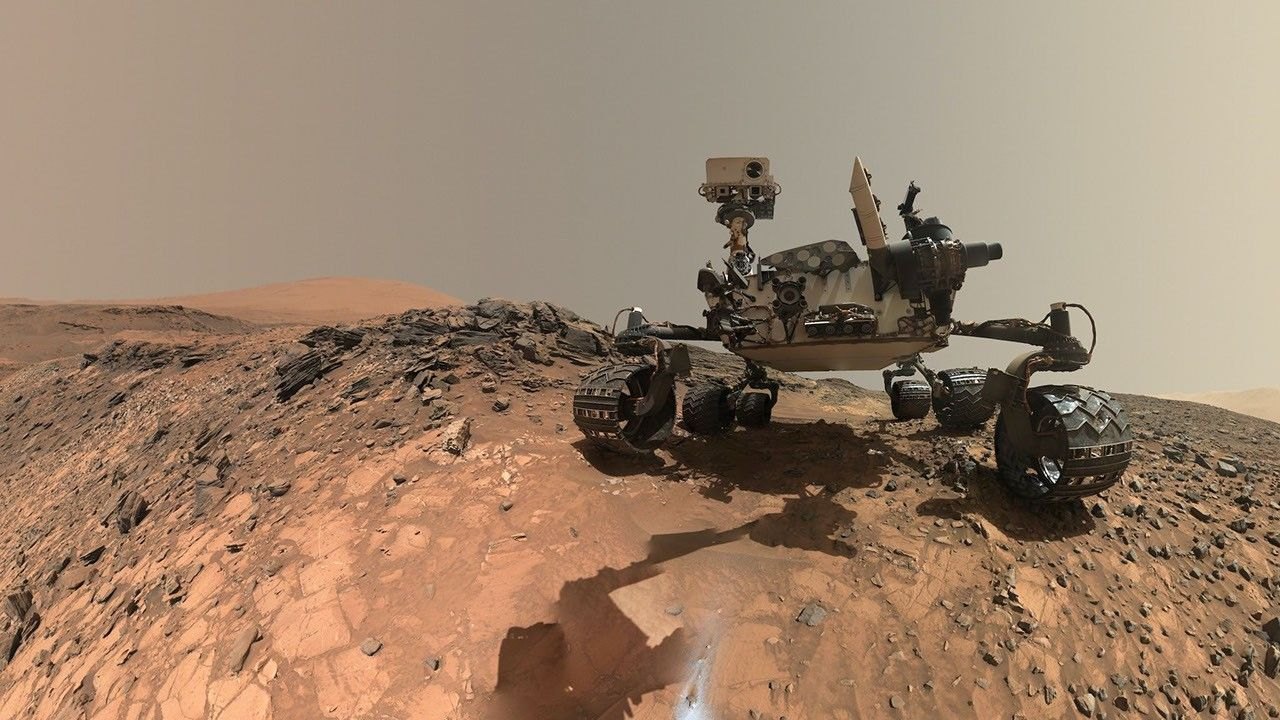
NASA’s Curiosity rover has finished a long drilling campaign and resumed its climb of Mount Sharp, and within days it found rocks covered in small, evenly sized polygons outlined by raised ridges. The team says it first saw the same texture a few months ago, slightly lower on the mountain.
From two drill samples back to climbing
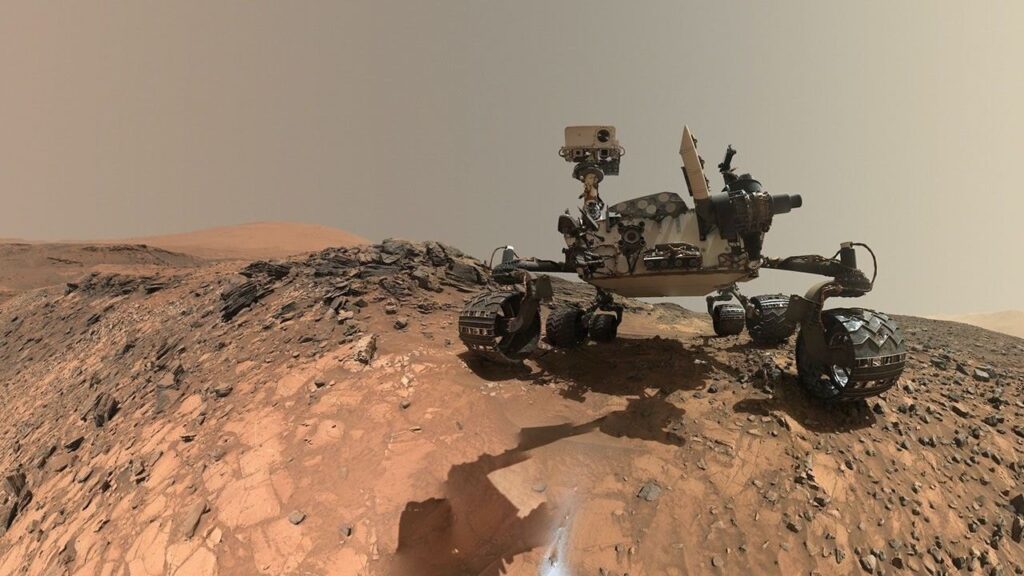
According to a mission blog post by Abigail Fraeman, Deputy Project Scientist at NASA’s Jet Propulsion Laboratory, the past several weeks were devoted to drilling and analyzing two samples, “Basque Lakes” and “Nazca.” The rover has now set off again toward the Yardang unit, a layered region higher on Mount Sharp, the mountain of sediment inside Gale Crater that Curiosity has been ascending for years. The plan is steady upward progress using lighter-weight instruments rather than drilling.

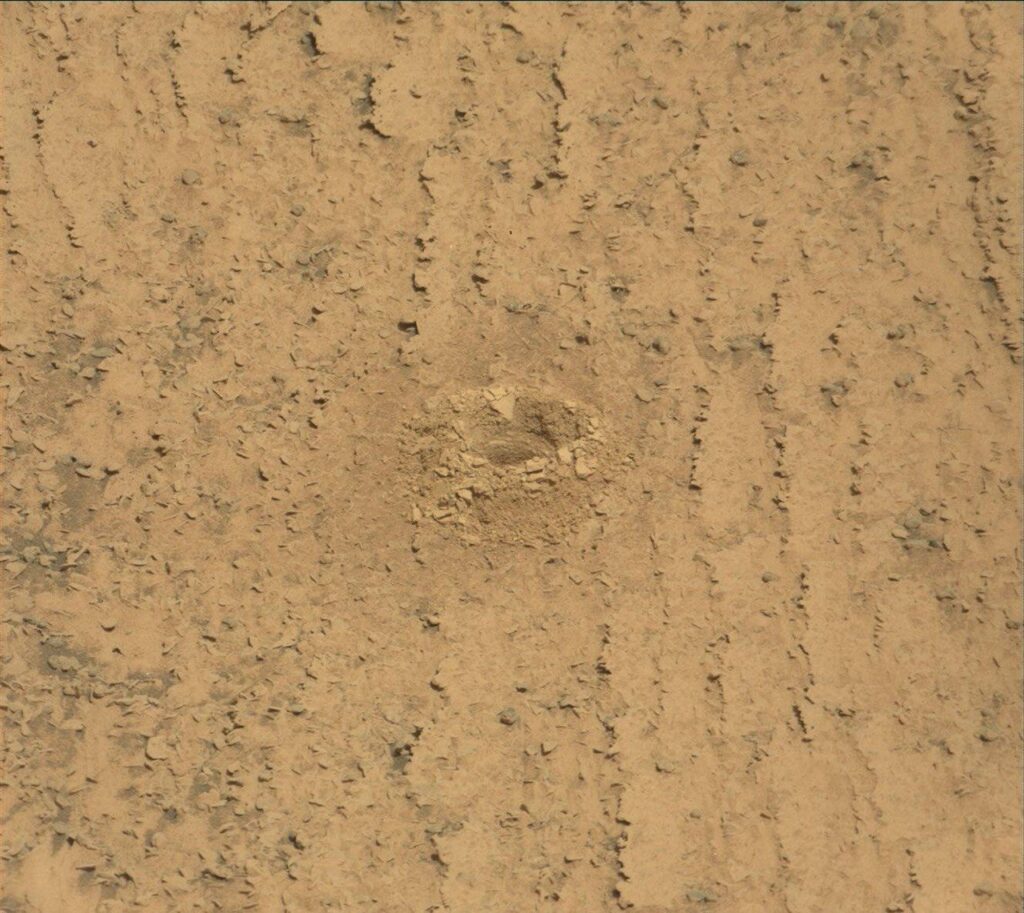
Nazca was the rover’s 49th drill hole, cut into a block containing disc-shaped features the team has interpreted as possible crystals, according to NASA’s earlier blog posts. This week’s work shows the rover has moved on: the team is now using APXS (which measures the chemical elements in a rock), ChemCam (a laser that vaporizes a tiny spot and reads its light), MAHLI (a close-up camera on the robotic arm) and Mastcam (the mast-mounted color cameras) to record the chemistry and texture of rocks as it passes them.
The photo above comes from Mastcam on Sol 5073. A sol is one Martian day, about 40 minutes longer than an Earth day, and this was day 5,073 of the mission. NASA says the image shows the regular, well-formed polygons returning.

What cracked these rocks into polygons?
The team has not settled on an answer. Fraeman wrote that polygon textures like these can form in several ways: the surface shrinking as minerals lose water, repeated heating and cooling, or compaction and expansion as rock is buried and later exposed. Each explanation points to a different past environment, so choosing between them says something about how Mars’ habitability changed over time.
The raised ridges are a second clue. The team also wants to learn the composition of the cements, the mineral glue that holds sediment together, that forms the ridges around each polygon. Ridges that stand above the surrounding rock are often harder and more resistant than the rest, which usually means a different mineral mix, and that mix records what fluids once moved through the rock.
The polygons surprised the team when first found, and the group has spent time discussing how they formed, Fraeman said. This week’s data add more clues, though NASA did not report a conclusion.
What to watch on the next drives
Fraeman’s own forecast is cautious. Orbital images of the planned route show layers, which Curiosity should reach in the next week or two, with textures much like the spot where the polygons were first seen. She expects more polygons, looking more dramatic and widespread with each drive, but calls this a guess and notes that Mars has surprised the team often in over 5,000 sols.
Three things would show whether the guess holds. First, whether the polygons stay the same size and spacing or change, since a shift would point to a different cause. Second, whether the ridge cements match in composition from place to place. Third, whether the rover stops to drill again. NASA’s posts do not announce a new drill target, and the team says it wants to rely on lighter instruments while climbing.
The rover’s recent routine gives a sense of the tools available. In the days around Nazca, ChemCam took laser measurements of drill tailings and the hole wall, and the drilled sample went to CheMin, an instrument that identifies minerals by X-ray, and to SAM, a chemistry lab that analyzes samples for compounds including organic molecules, according to NASA’s blog posts of Nov. 9 and 11. The polygon rocks will get a lighter look, but their chemistry will still be compared against that drilled record.
Curiosity is also managing a falling power supply, which is one reason the team favors doing two jobs at once and using cheaper instruments. That makes each new drill hole a deliberate choice. For now, the polygons give the team plenty to photograph on the way up.