BepiColombo’s last weeks to Mercury: Capture on 21 November, then a split in two
Eight years after launch, ESA and JAXA's BepiColombo is close to Mercury, and the team marked the launch anniversary by describing the mission in three words each.

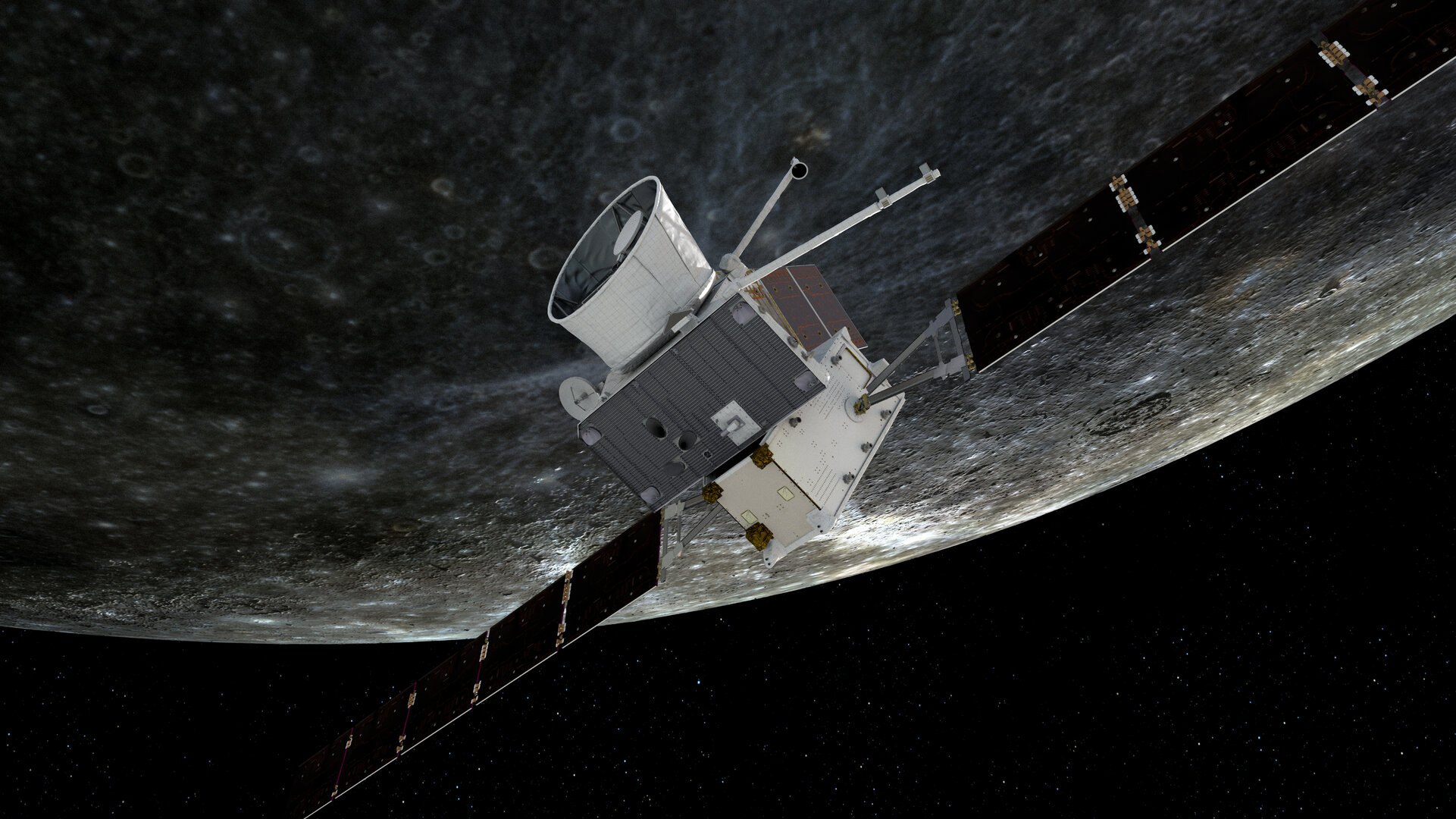
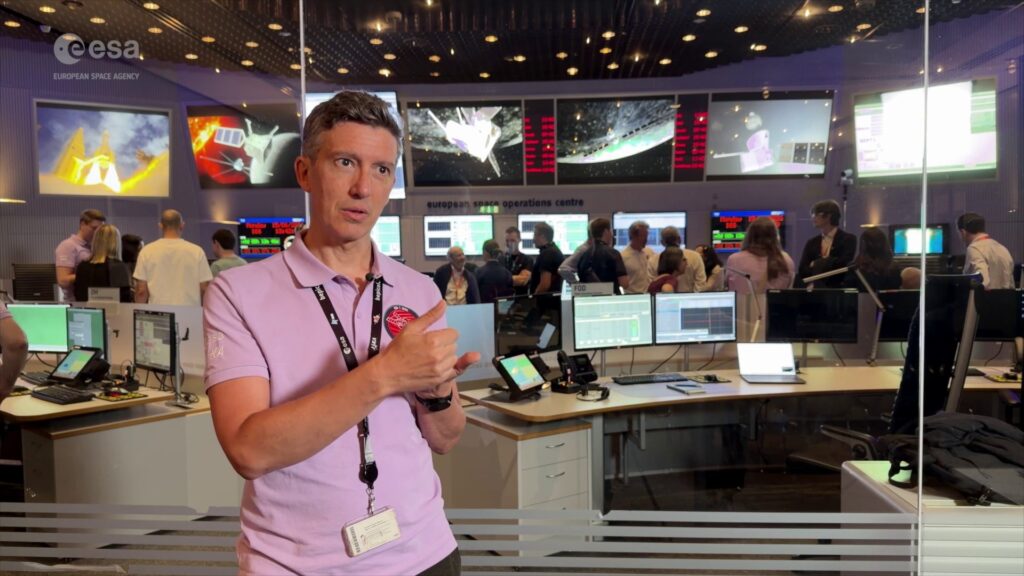
BepiColombo, the joint European-Japanese mission to Mercury, launched eight years ago this week. To mark the anniversary, ESA asked team members to describe it in just three words, and published the answers in a 3-minute 32-second video.
Complex, collaborative, transformative
BepiColombo launched on 20 October 2018. ESA says it has spent the years since travelling through the inner Solar System, the region of space between the Sun and Mars. Among the words the team picked were “complex, collaborative and transformative”. ESA says they reflect both the demanding journey and the international teamwork behind it.

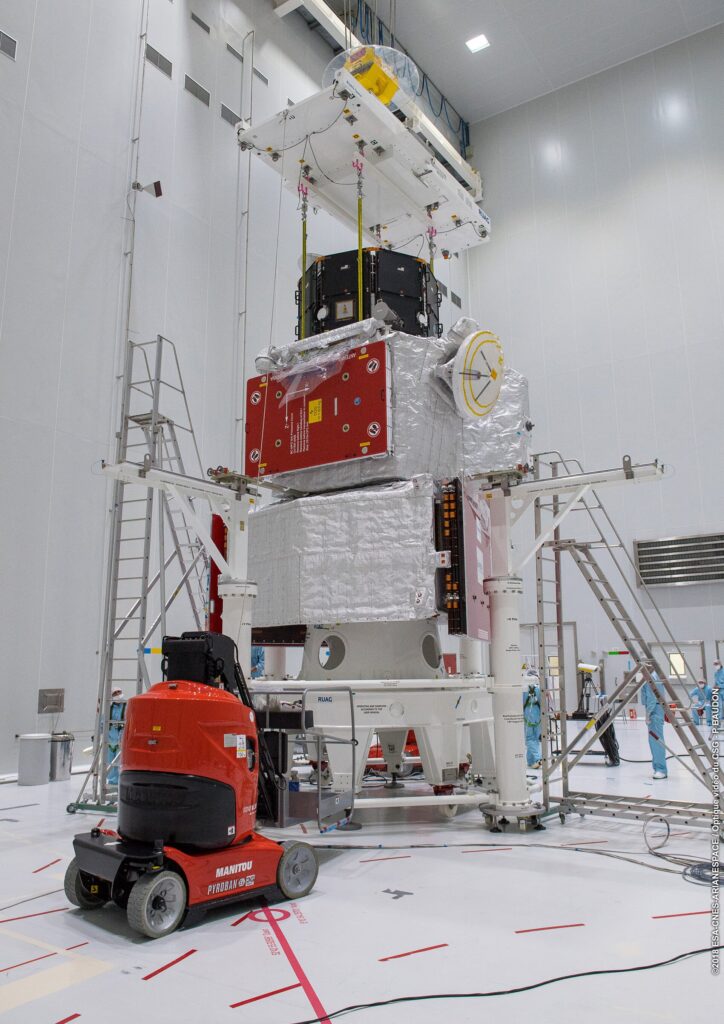
The video itself says the ESA/JAXA mission will arrive at Mercury on 9 December 2026. ESA’s separate page of arrival updates breaks that final stretch into steps, and the dates on it differ slightly. Both are given here as ESA publishes them.
Three dates that decide the arrival
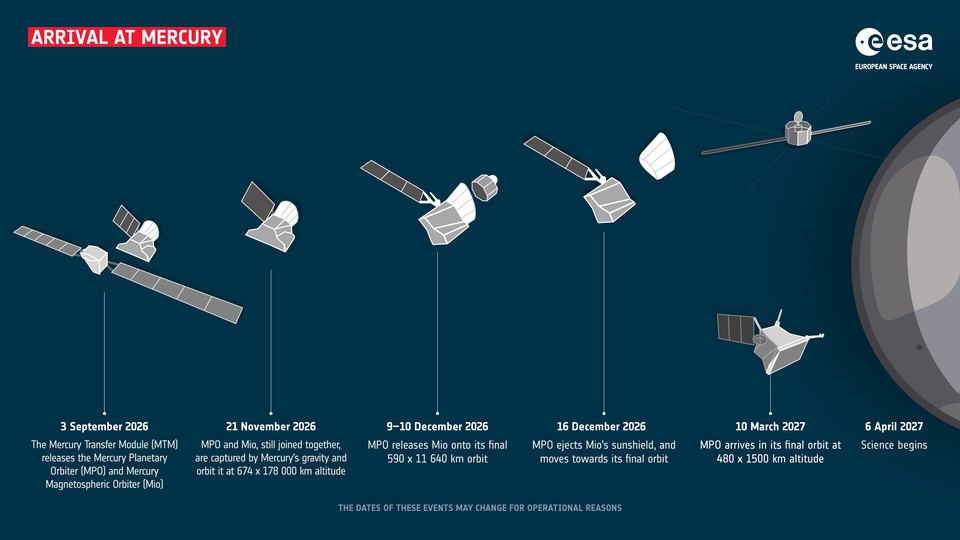
BepiColombo is really two spacecraft flying stacked together. One is ESA’s Mercury Planetary Orbiter (MPO). The other is JAXA’s Mio, which studies Mercury’s magnetic field and the charged particles around the planet. ESA’s arrival page lists these steps:

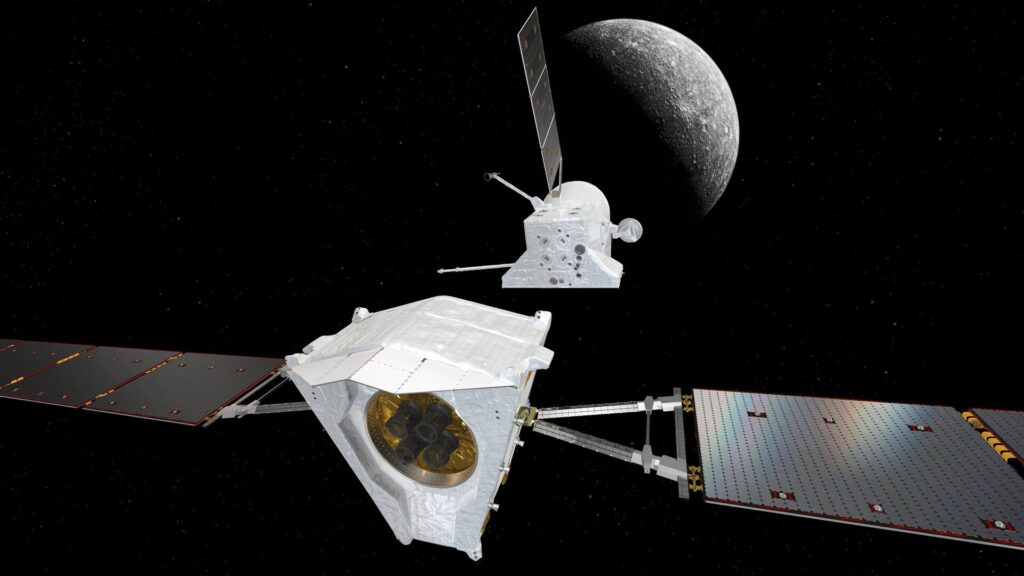
- 21 November 2026: the combined spacecraft enters orbit around Mercury.
- 9-10 December 2026: MPO and Mio separate from each other, so each can move to its own orbit.
- April 2027: the science phase is set to begin.
So 9 December, the date in the anniversary video, falls in the window when the two orbiters split. Orbit capture comes about two and a half weeks earlier. Dates in an arrival sequence like this can shift for operational reasons, and ESA’s page remains the reference to watch.
Why the gap before science matters
The timeline shows how long a Mercury arrival takes. Getting captured by the planet’s gravity is only the first step. From 21 November to the start of science in April 2027 is roughly four and a half months. That period is filled with separation, moving each orbiter into its working orbit and checking the instruments. The wait is about as long as the interval between capture and the separation itself, which is under three weeks, multiplied several times over.

Compared with the eight years of cruise, the final stretch is short. The spacecraft has been travelling for about 96 months. The phase that turns it from a traveller into an observatory takes about five, counting from capture.
The team’s words in the video suggest they see it that way. A mission described as “complex” is one where each of these steps has to work in order. A mission described as “collaborative” is one where ESA and JAXA each run their own spacecraft but share a single approach.
What to watch next
The first confirmation to look for is ESA’s report on 21 November that the stack has been captured. After that comes the separation of MPO and Mio on 9-10 December, and then the move to the science orbits. The anniversary video only celebrates the journey so far, and ESA gives no results from Mercury yet.