Euclid, a galaxy-mapping telescope, finds its first new comet by accident
ESA's Euclid telescope, built to map galaxies, caught a streak in its images that turned out to be a new comet, now confirmed as C/2026 S1 (Euclid).

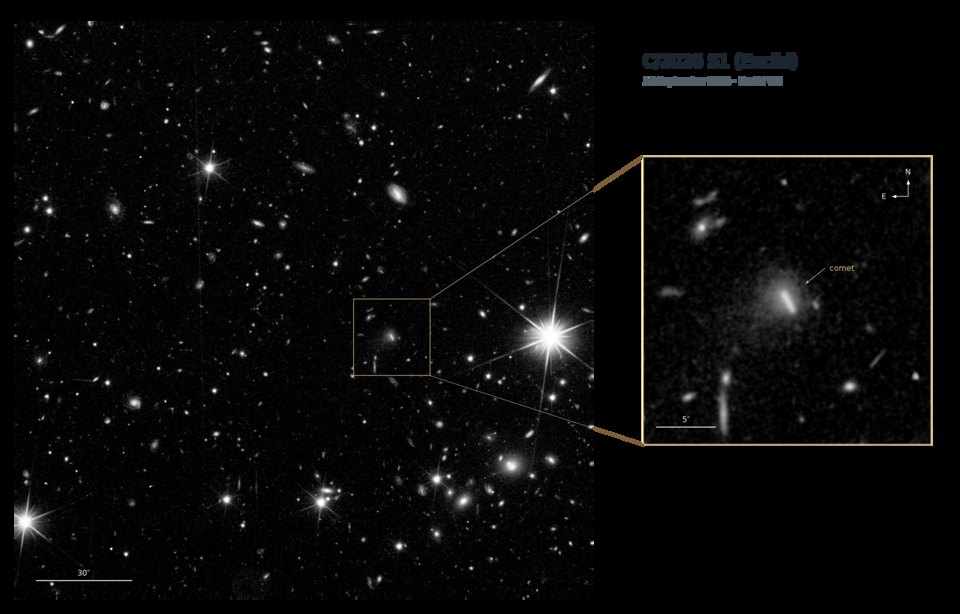
ESA’s Euclid space telescope has discovered a comet nobody had seen before, the first new one in its history. According to ESA, the object now carries the name C/2026 S1 (Euclid) and lies about 1.3 billion kilometers from Earth.
A streak in the deep-field images
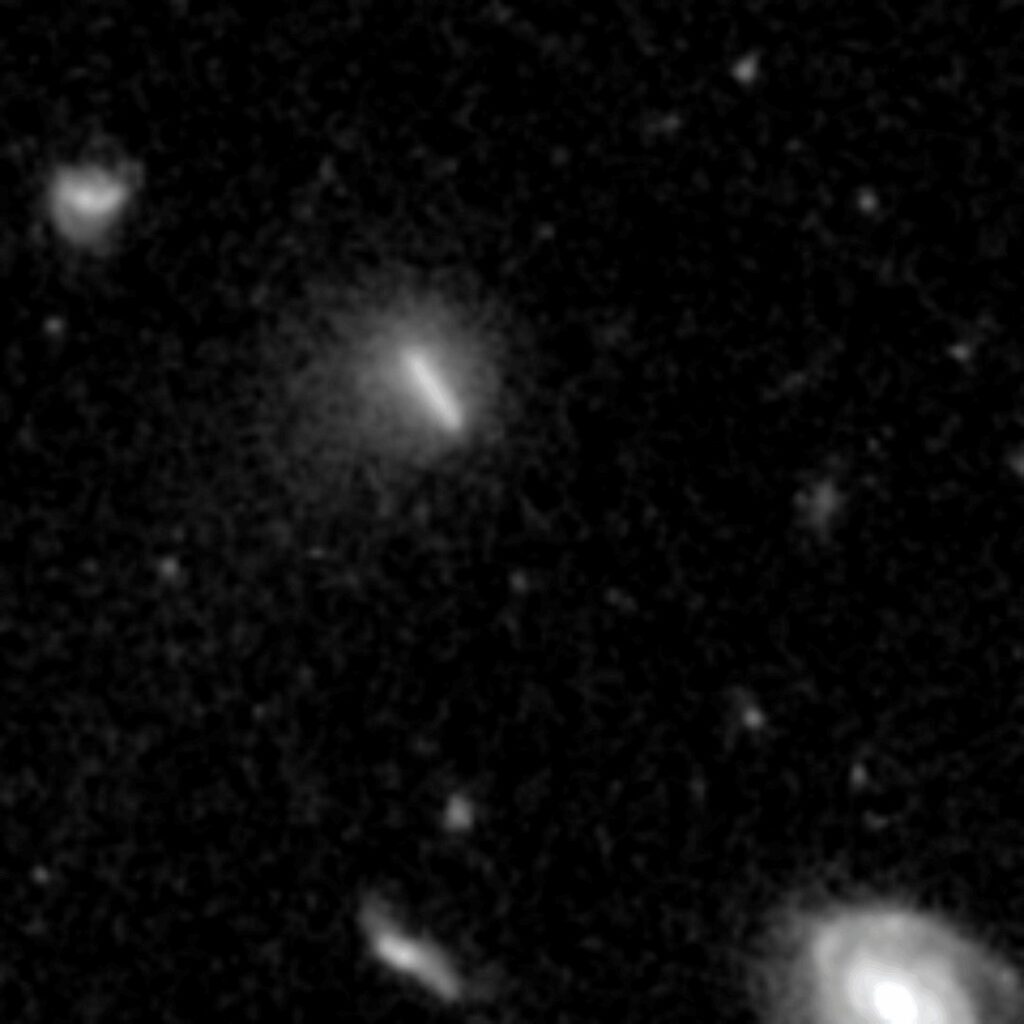
Euclid is built to take long, steady pictures of distant galaxies, not to chase fast-moving objects in our own Solar System. The comet turned up in images taken between 16 and 24 September 2026, in a patch of sky called the Euclid Deep Field North. The telescope caught it in five different fields of view over several days, with 16 exposures in total.

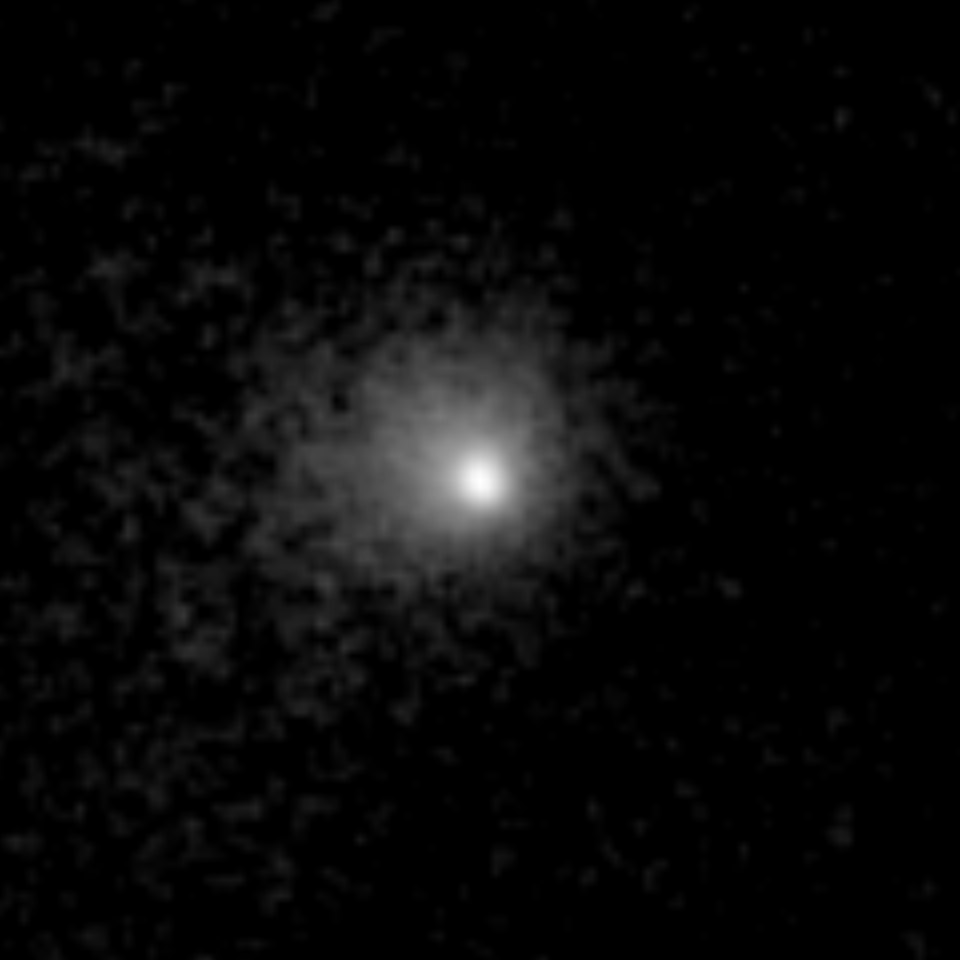
Mikko Pöntinen, a PhD student at the University of Helsinki, spotted it with moving-object detection software he wrote to watch for small Solar System bodies in Euclid’s data. A fast-moving object leaves a smeared line, or streak, across several frames. “I was excited to see my software flag a ‘streak’ smeared across several images,” Pöntinen said, according to ESA. By predicting where the object would be, he found it in the other image sets. A fuzzy cloud around it pointed to an active object, one that sheds dust and gas the way a comet does.
Checks against catalogs of known comets and asteroids found no match. Pöntinen reported the observations to the Minor Planet Center, the International Astronomical Union’s clearing house that collects reports on comets and asteroids, confirms discoveries and assigns official names. The report alerted ground-based astronomers, who could then add follow-up observations. The center confirmed the comet on 8 October.

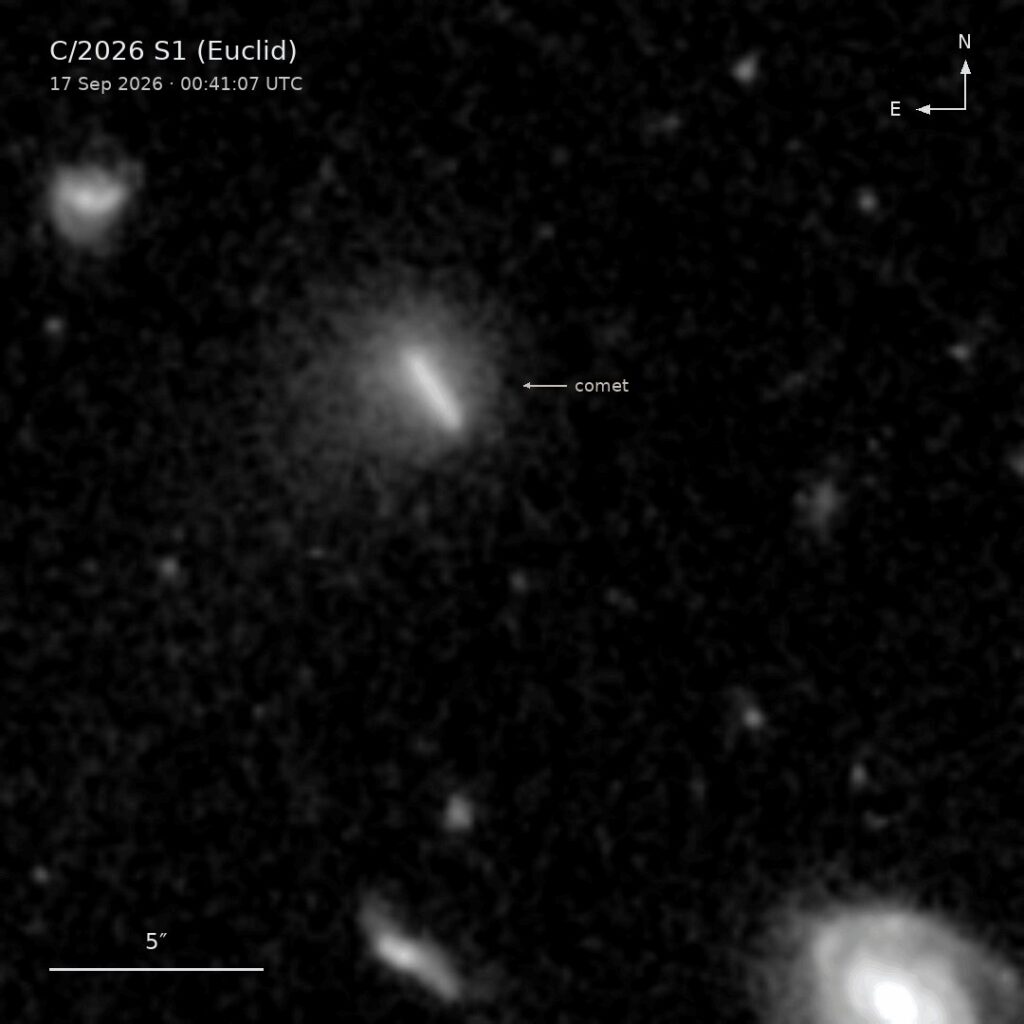
The comet sits roughly between the orbits of Jupiter and Saturn, but not in the flat plane where the planets travel. ESA says it is currently ‘straight up’ from the Sun’s point of view, on an arching orbit that will take thousands of years to complete. That period will be refined as more observations come in.
Why a comet is hard to find with this telescope
Euclid deliberately avoids the band of sky along the Solar System’s plane, because dust there adds glare that would hinder its deep-sky imaging. That band is also where most comets and asteroids are found. The telescope’s step-and-stare strategy visits each section of the sky typically only once, so it cannot return to a comet on demand to check it.
Tracking such objects still matters for the main mission. Euclid’s goal is to reveal the hidden influence of dark matter and dark energy by measuring the shapes and motions of billions of galaxies, and comet trails or extra light in an image count as noise to be removed. Euclid has caught comets before, but all were already known.
“Very few comets are expected to be discovered by Euclid so it was a happy coincidence,” said Bruno Altieri, Euclid Archive Scientist and part of the discovery team, referring to how the comet’s orbit and the telescope’s scanning lined up.
A rehearsal for Comet Interceptor: What to watch
The discovery gives ESA a test of how two missions would work together. Altieri said this comet is not a suitable candidate for Comet Interceptor, but the chain from detection to alert is a real trial of how the two teams will coordinate. Euclid Project Scientist Valeria Pettorino said the team is happy to have given the Solar System community a new comet to follow up.
Comet Interceptor is an ESA-led mission in collaboration with JAXA, Japan’s space agency, with a launch period of late 2028 or early 2029 from Europe’s Spaceport in French Guiana, according to ESA’s mission page. It has three spacecraft: a main craft that waits in space until a suitable comet approaches, then releases two probes so the comet is observed from several directions at once. The mission carries 10 instruments and aims to produce a 3D map of a comet. Its target is meant to be a pristine comet or interstellar object, which is why spotting candidates while they are still far from the Sun matters.
Euclid launched on 1 July 2023 on a SpaceX Falcon 9 and operates at the Sun-Earth L2 point, a stable position beyond the Moon, as ESA described at the time of launch. Two things to follow now: the orbit calculations from ground-based follow-up, which will fix the comet’s period, and whether the Euclid and Comet Interceptor teams use this episode to set up a standing alert process before the second mission flies.