NASA’s first nuclear-powered Mars spacecraft gets its power-conversion partner
Sierra Lobo will build the heat-to-electricity system for SR-1 Freedom, the NASA spacecraft meant to carry three Mars helicopters on nuclear electric propulsion in late 2028.

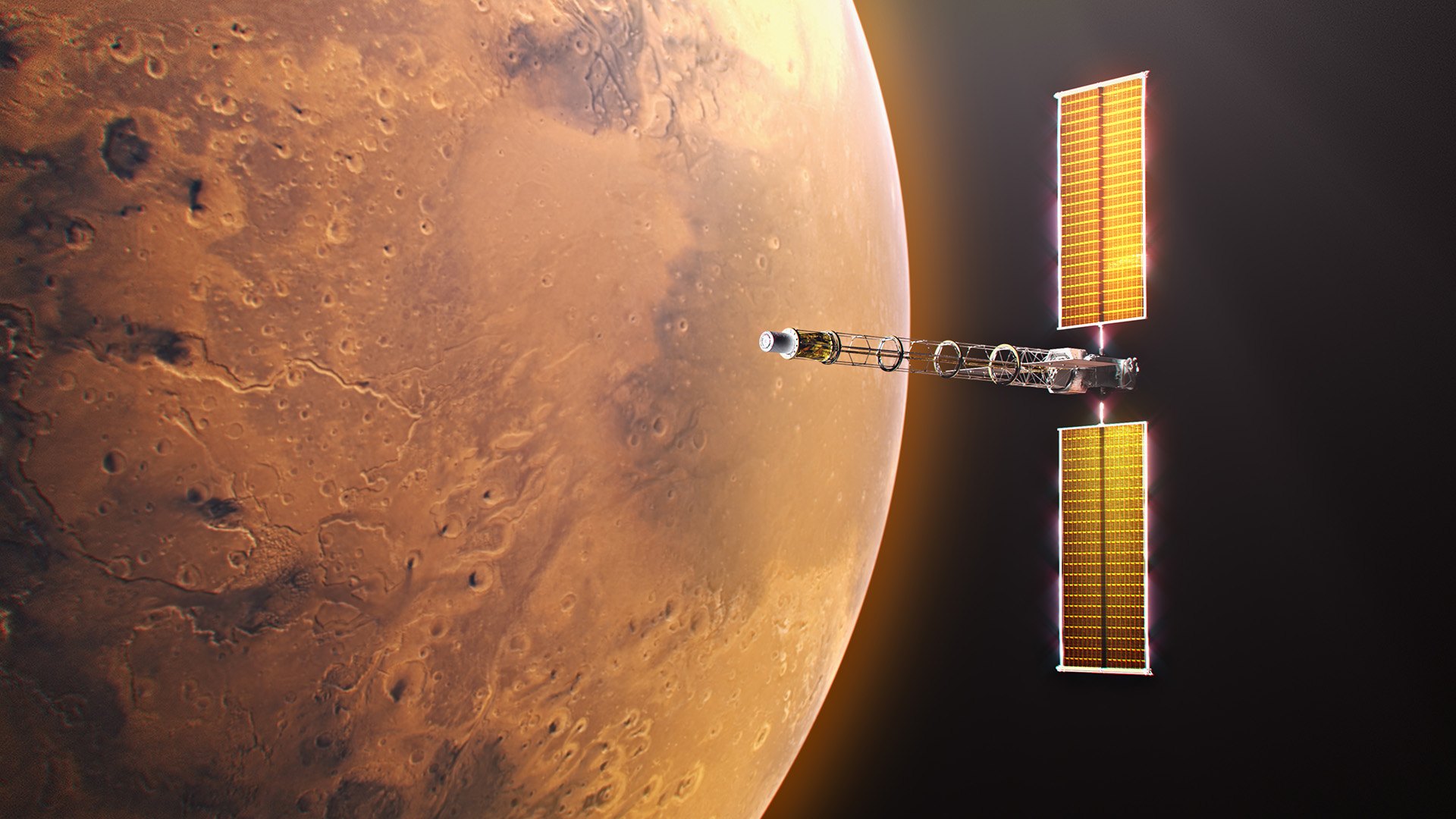
NASA and its partners have agreed contract actions to keep the SR-1 Freedom mission on track for a late-2028 launch. Sierra Lobo Inc. will supply the power conversion system for the nuclear power module of the first fission-powered spacecraft to leave Earth orbit.
A reactor at the end of a boom
Space Reactor-1 Freedom is meant to show that a spacecraft can fly on nuclear electric propulsion in deep space. In this design a small fission reactor makes heat, and that heat is turned into electricity that powers the spacecraft and its electric thrusters. NASA places the whole nuclear power module at the end of a long boom, away from the main body of the spacecraft.

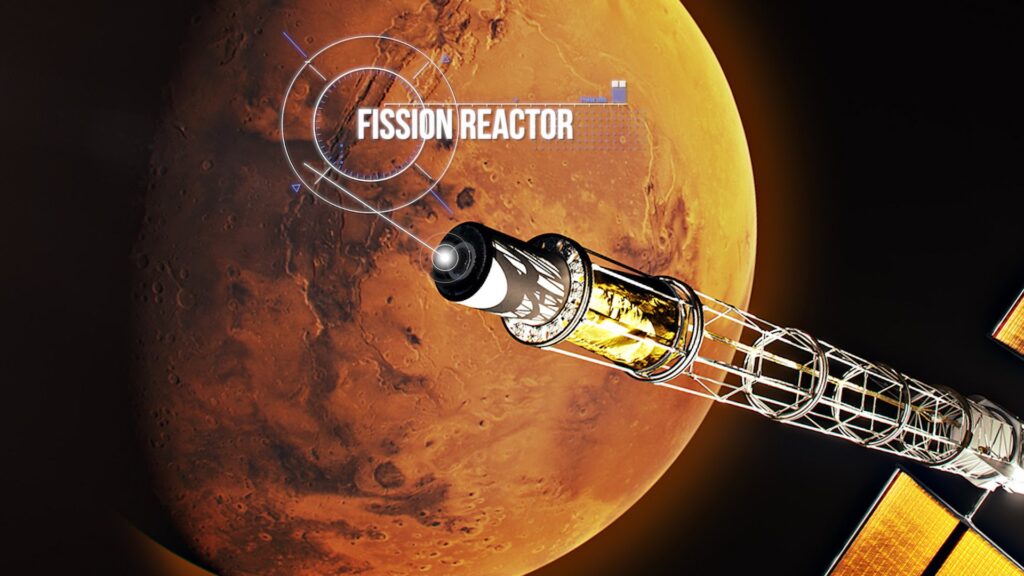
Sierra Lobo will provide the second half of that module, a closed Brayton cycle power conversion system. In plain terms, it is a closed loop in which a working gas picks up heat from the reactor, spins a turbine to generate electricity and is then reused. The work will run under NASA’s Space Flight Systems Development and Operations Contract III, awarded in 2024, at the agency’s Glenn Research Center in Cleveland.
The Department of Energy’s Idaho National Laboratory is designing and building the reactor itself. The two pieces will be joined to complete the module. NASA says the reactor will stay inactive until the spacecraft has left Earth orbit, and that the design follows interagency safety reviews, oversight by a NASA chief safety officer and a process focused on hazards and failure tolerance.

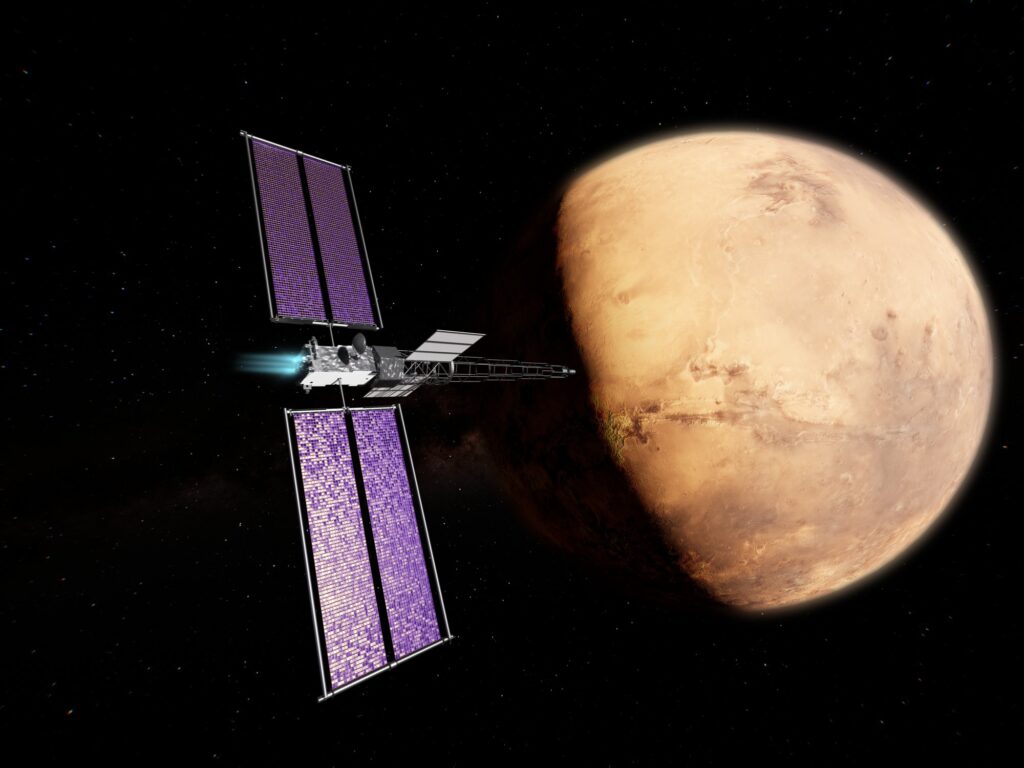
“These contract actions not only reduce technical risk and help us maintain momentum toward our 2028 launch,” said Steve Sinacore, SR-1 Freedom program director.
Three helicopters as the cargo
The spacecraft is the carrier for a science mission called SkyFall: three Mars helicopters evolved from the Ingenuity design that flew on Mars in 2021. According to NASA, they will collect scientific data, demonstrate exploration zones and look for potential sources of water. NASA’s mission page adds that the helicopters will be deployed mid-air and carry ground-penetrating radar, imagers and sensors for air temperature and wind, aimed at finding subsurface ice.

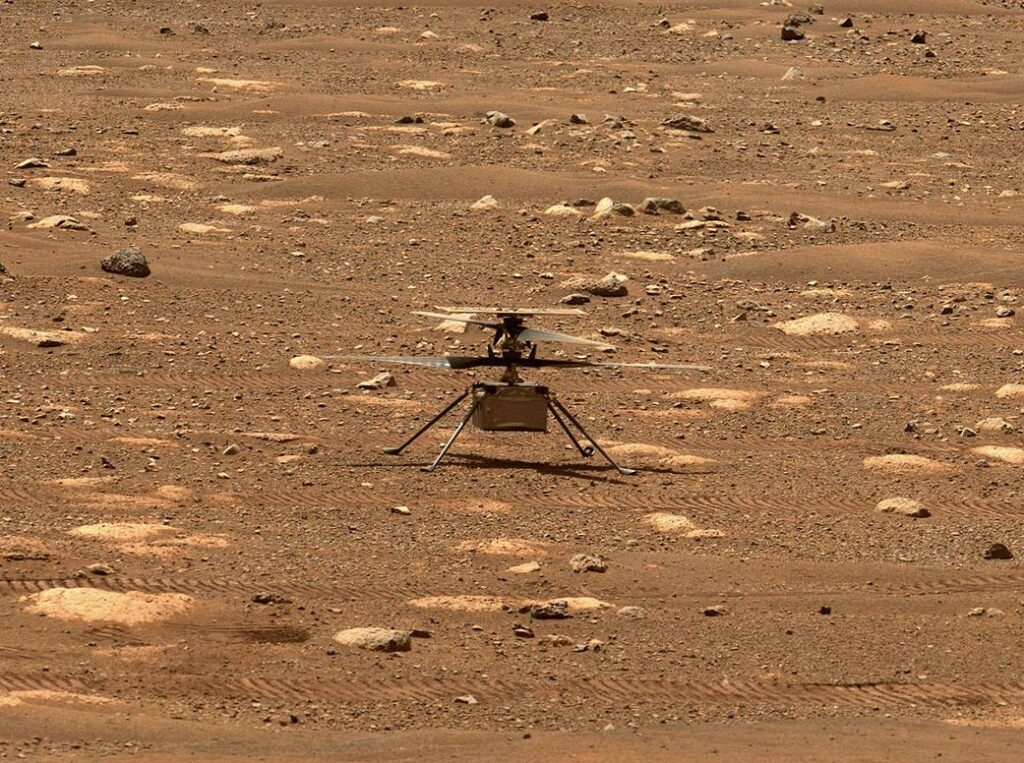
Flight hardware like this is also what researchers are trying to improve for longer hops; one recent NASA test result suggests thinner rotor blades could stretch a flight from 0.7 to 18.7 km.
Small enough for a demonstration, built for the Moon next
The strategic point is what comes after Mars. NASA’s mission page describes SR-1 Freedom as a step toward Lunar Reactor-1, a fission power system for NASA’s Moon Base, and as a way to reduce nuclear flight risk and build a domestic space-nuclear industrial base. The Moon work has a tight clock of its own: NASA and the Department of Energy have already committed to a lunar surface reactor by 2030. A working reactor and converter flown in space in 2028 would give both programs real flight experience before then.
The mission page gives a sense of scale. The conversion system is rated at 20 kilowatts, and the spacecraft’s Power and Propulsion Element, the main body, is listed at 48 kilowatts of electrical power, which feeds a 12-kilowatt Hall thruster (an electric engine that accelerates charged gas). Total mass is about 12,000 kilograms (26,455 pounds). The reactor runs on high-assay low-enriched uranium. NASA lists arrival at Mars in 2029, after a launch on an Earth escape trajectory in the 2028 Mars launch window.
Those figures are modest next to the multi-megawatt nuclear systems studied for crewed Mars ships, which fits the stated aim: prove the technology and build up suppliers rather than carry people. Sinacore said the contract actions strengthen collaboration across partners and build a foundation for a “vibrant space nuclear future.”
What the contract changes
NASA gives no contract value in the announcement. What it does show is the split of responsibility: Sierra Lobo on conversion, Idaho National Laboratory on the reactor, and NASA integrating the spacecraft. With about two years to launch, clearing who builds each part of the nuclear module is the step that lets integration and testing be planned.