Sahara rock found in 2022 is a 4.1-billion-year-old piece of Mars, the oldest known
Caltech, JPL and UCLA researchers say a Sahara meteorite found in 2022 is at least 4.1 billion years old, making it the oldest known piece of Mars on Earth.

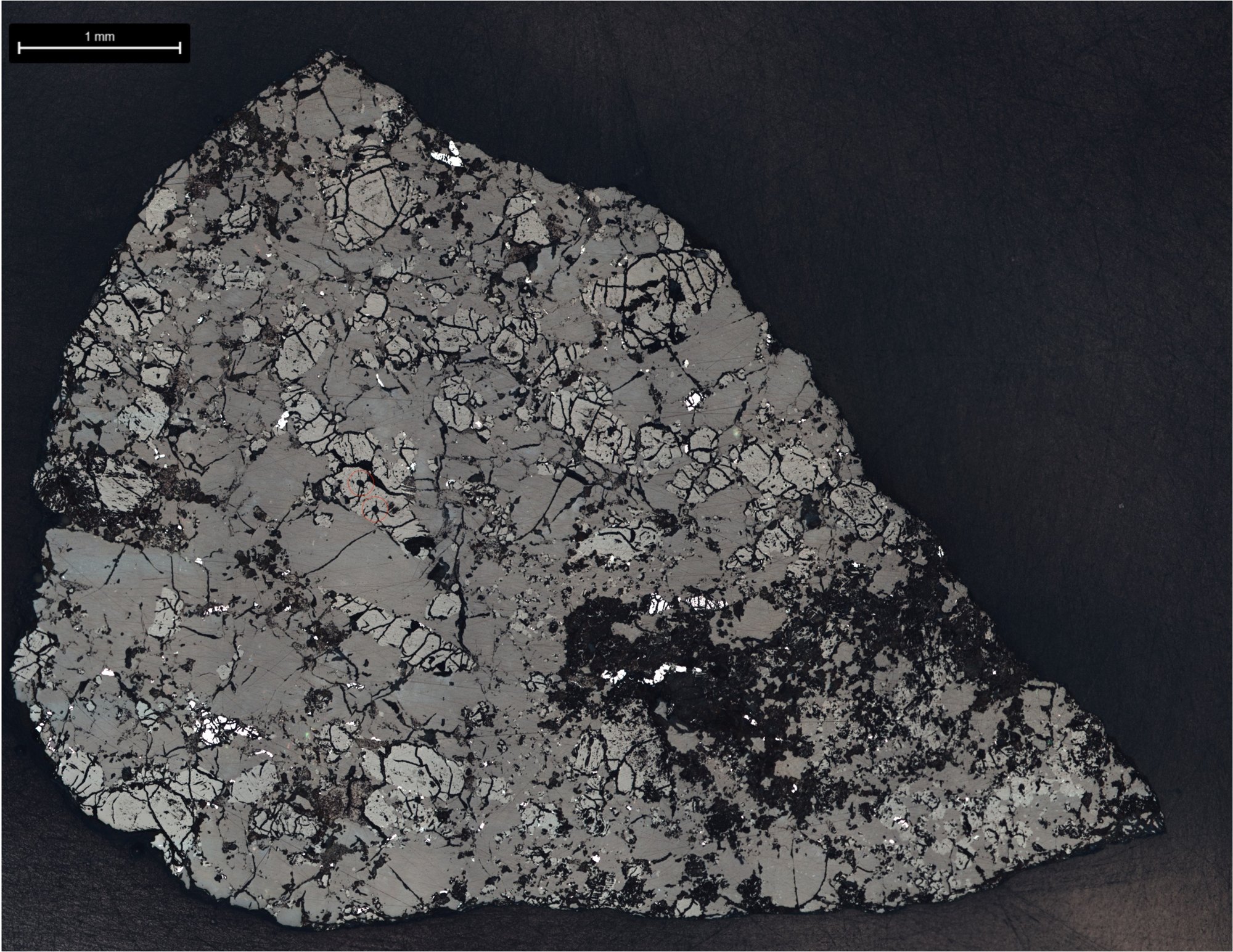
A reddish meteorite found in the Sahara in 2022 is the oldest known piece of Mars on Earth, researchers from Caltech, NASA’s Jet Propulsion Laboratory (JPL) and UCLA report. Named Teghaza 001, it is at least 4.1 billion years old, according to Caltech.
A fist-sized rock from Mars’ earliest era
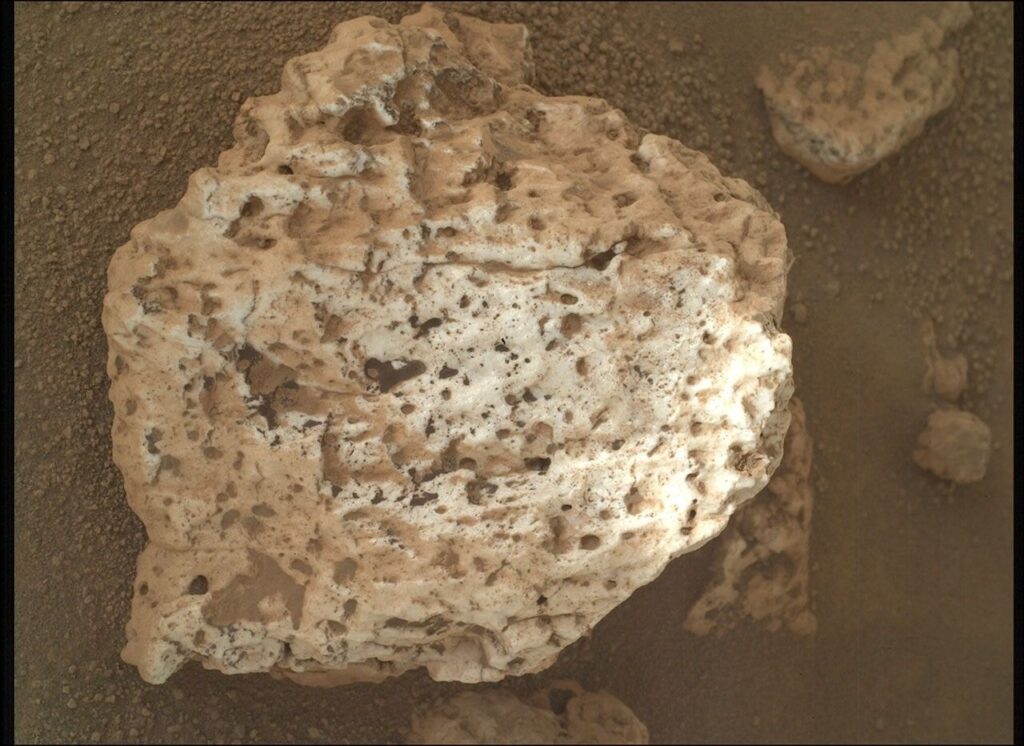
Martian meteorites are fragments of the planet’s surface thrown into space by large impacts, then picked up on Earth. Deserts and ice sheets such as the Sahara and Antarctica are good hunting grounds, because dark rocks stand out against a bright background. The largest piece of Teghaza 001 is about the size of a fist.

So far, 433 Martian meteorites have been found. Before this one, only two dated back to ancient Mars, the period around the planet’s formation about 4 billion years ago. Teghaza 001 is the third, and it samples a part of Mars no earlier meteorite has shown. The results appeared in the journal Science on October 29.
The rock’s origin was settled by measuring oxygen isotopes, which are versions of an element with slightly different weights. Each planetary body has its own characteristic ratios, so these act as a fingerprint that identified the rock as Martian.


Molten mantle rock that met surface water
Teghaza 001 is an igneous rock, meaning it solidified from molten material. That makes it a sample of Mars’ mantle, the hot layer beneath the crust. Chemical analysis showed it comes from a part of the mantle not seen in other Martian meteorites.
Its oxygen and hydrogen isotopes also indicate that surface water seeped down into the deeper crust and mixed with molten mantle rock, a process that also happens on Earth. The team concludes that early Mars was geologically varied and active in its water cycle. The rock likely came from the southern highlands.
JPL senior research scientist Yang Liu, the paper’s first author, received the sample in 2023 because it contains manganese-rich minerals. Liu had recently led a study of manganese oxides in another ancient Martian meteorite. Even a quick look showed that the texture differed from every Martian meteorite Liu had studied before.
Why the rovers on the northern plains cannot answer this, and what 2031 may add
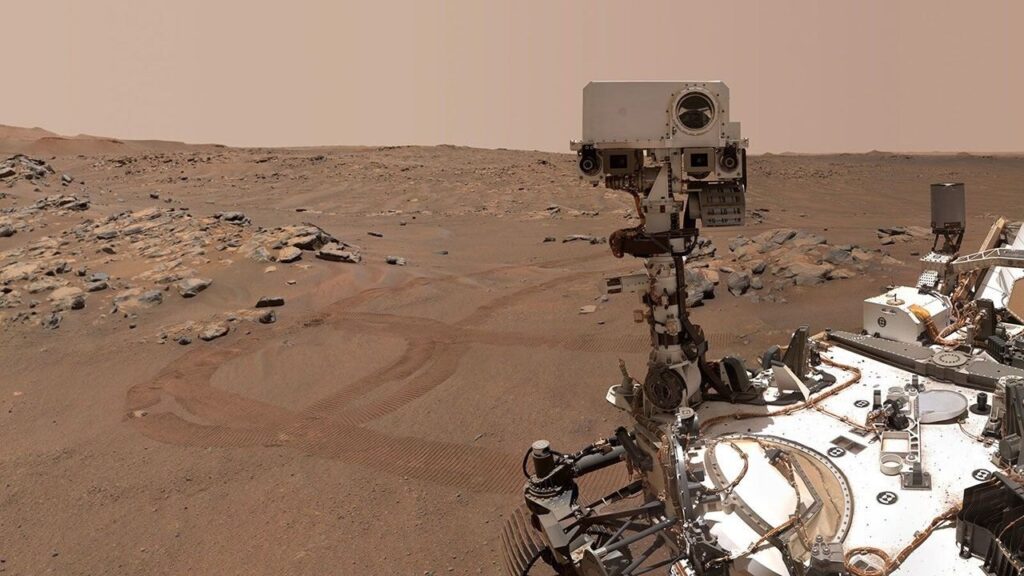
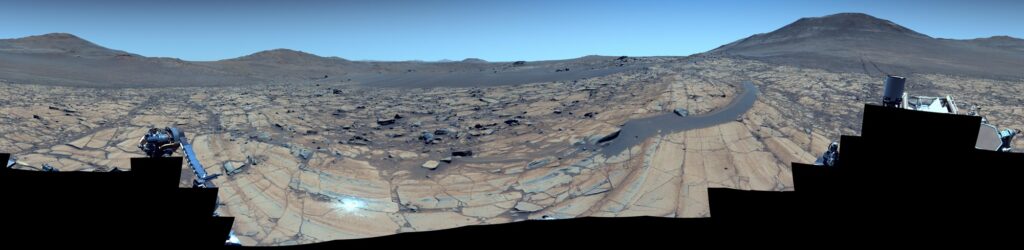
Curiosity and Perseverance, NASA’s Mars rovers, work in more equatorial regions near the northern lowlands. Their terrain may be as old as Teghaza 001, but their instruments lack the resolution or sensitivity to answer some open questions, Caltech says.
Caltech geochemist Francois Tissot said the team showed how much can be learned from a very small sample using in situ techniques, which analyze minerals where they sit in the rock instead of separating them first. He tied this to the growing number of sample-return missions, including Japan’s Martian Moons eXploration mission, which aims to collect material from Phobos. Details of that mission are in our report on the MMX Phobos sample return. Tissot said:
“It’s exciting to contemplate what we will be able to learn when the samples come back in 2031,”
Thirteen candidate sites on Mars
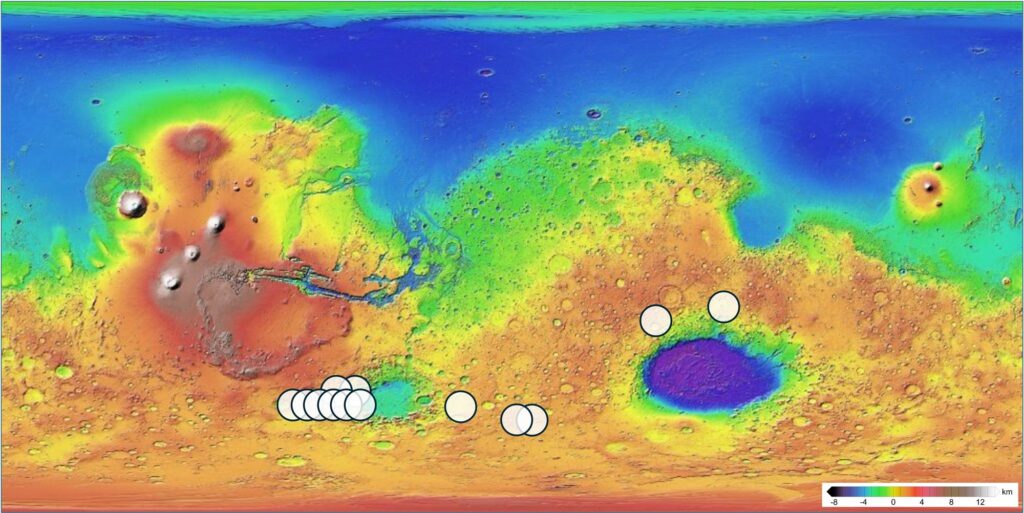
A rock found in a desert has no label saying where it was blasted from, so the next step is matching it to places on Mars. JPL’s own release, published October 29 and titled “NASA-funded Study Details One of Oldest Mars Meteorites Ever Found,” includes a map captioned as showing 13 locations on Mars that match the mineralogy and chemistry of Teghaza 001. The map credit is NASA/JPL-Caltech/USGS.
That narrows the search from a whole hemisphere to a short list of candidate sites. It also shows what to watch. If orbiter data and future sample-return material tie more of Mars’ early crust to rocks like this, scientists will be able to say how common this mantle type was. A single meteorite cannot settle that.
The study was funded by NASA and the David and Lucile Packard Foundation. Co-authors come from Caltech, JPL, NASA’s Ames Research Center, UCLA, the University of Maine and the University of New Mexico. The paper is titled “A Martian meteorite that formed ≳4.1 billion years ago samples Mars’ early crust and mantle.”