Europa Clipper’s road to Jupiter, told in a new NASA+ film as the probe nears an Earth flyby
NASA+ has released 'The Europa Concept', a documentary on how Europa Clipper was built and launched. The spacecraft is two years into its five-year trip to Jupiter's ocean moon.
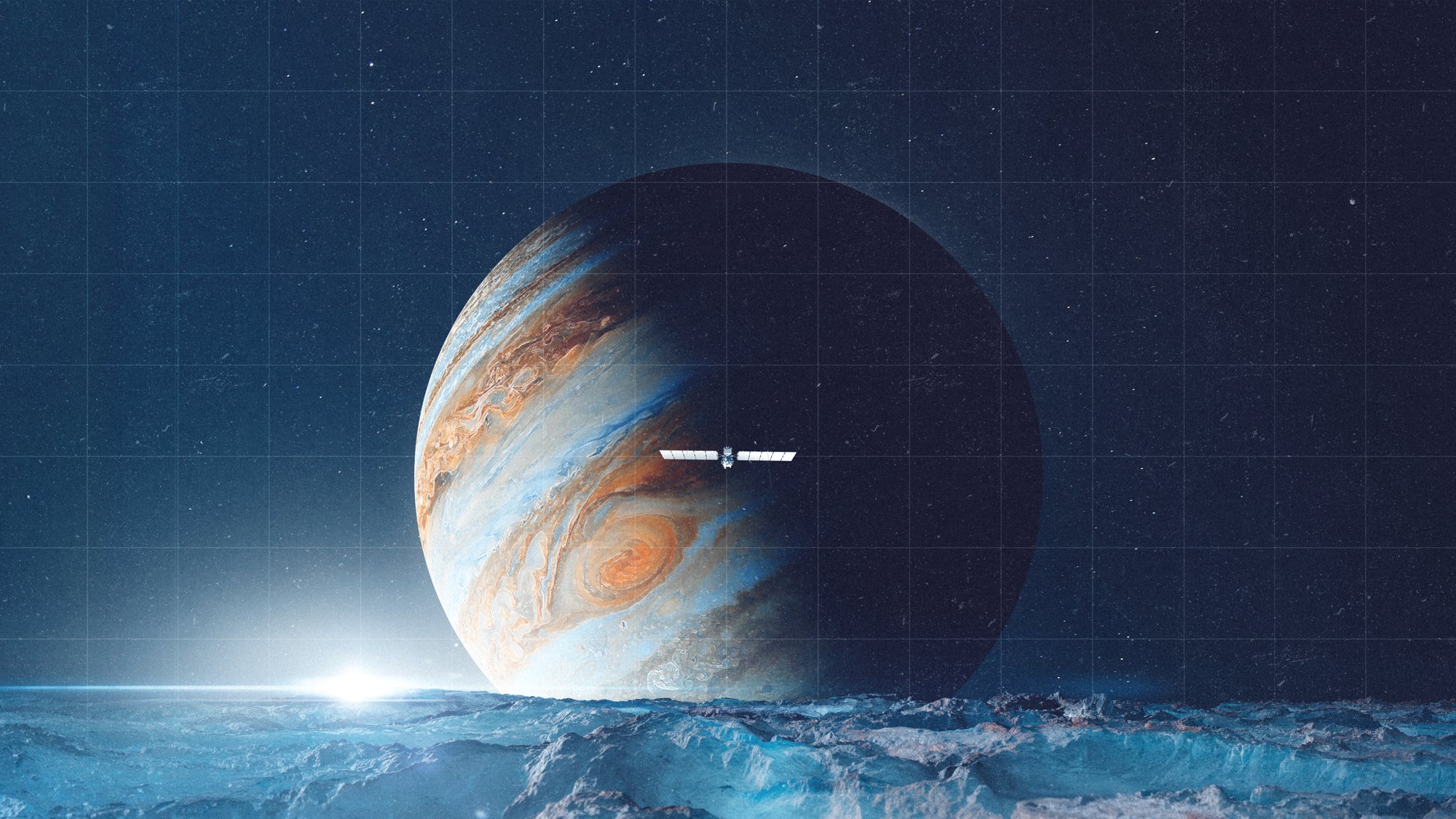
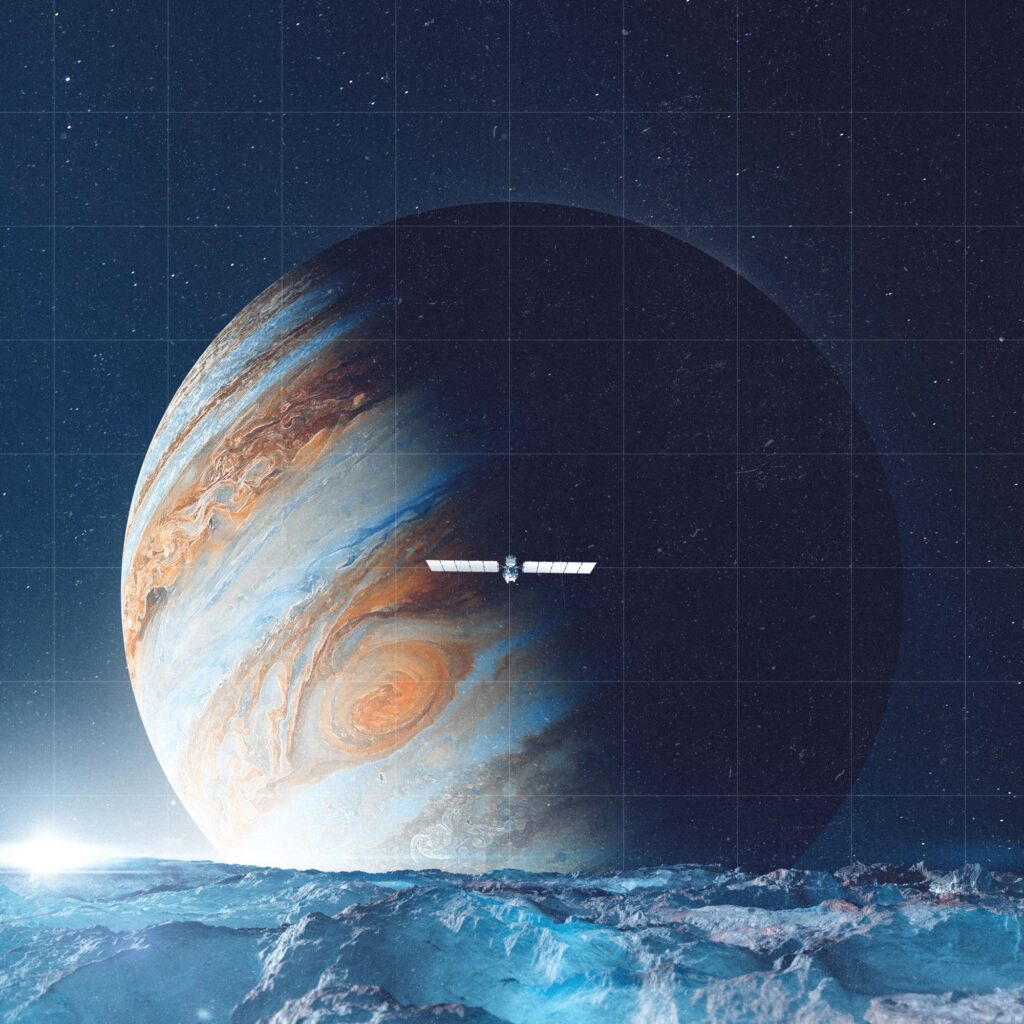
NASA has released “The Europa Concept,” a documentary about how Europa Clipper grew from a distant idea into a spacecraft now on its way to Jupiter. The film streams from Nov. 23 on NASA+, the NASA app and the agency’s website.
NASA says a YouTube release is coming soon. The film follows the engineers and scientists behind the mission, which will search Jupiter’s moon Europa for the conditions for life in the ocean thought to lie under its icy shell.
Image: NASA/JPL-Caltech
A spacecraft built for a punishing radiation field
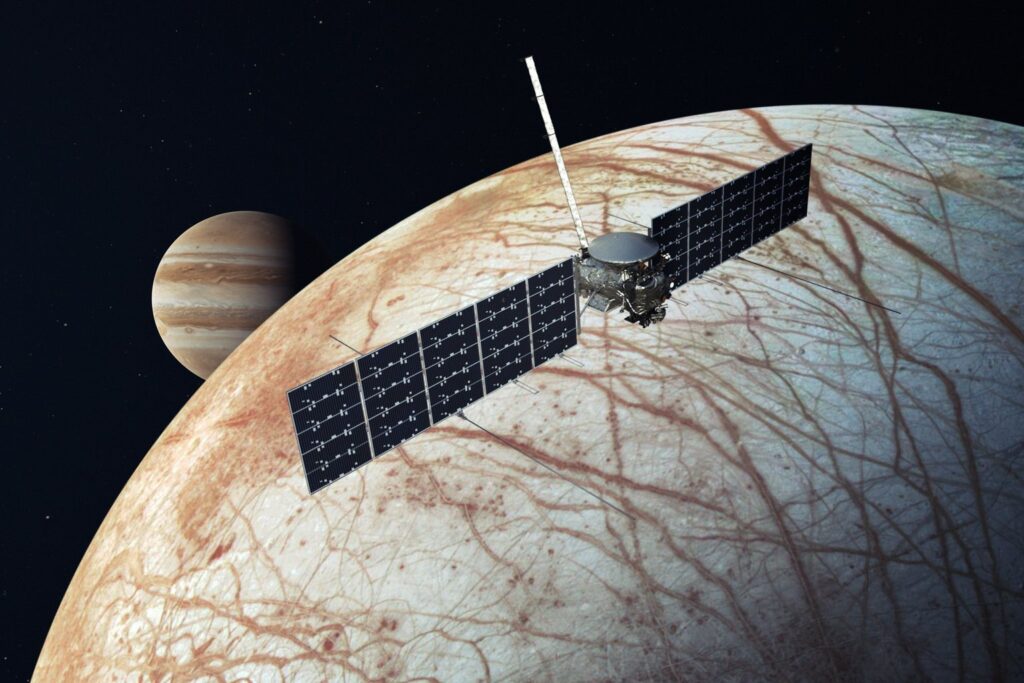
Europa Clipper is the largest spacecraft NASA has sent into deep space. It is now two years into a five-year, 1.8 billion-mile (2.9 billion-kilometer) trip to the Jupiter system. According to NASA, the documentary shows how the team designed a mission to Europa and built a craft that can survive some of the harshest radiation in the solar system.
That radiation comes from Jupiter’s strong magnetic field. NASA notes that the same radiation may have helped create a potentially habitable environment on Europa, so the hazard and the scientific target are linked.
Image: NASA/JPL-Caltech
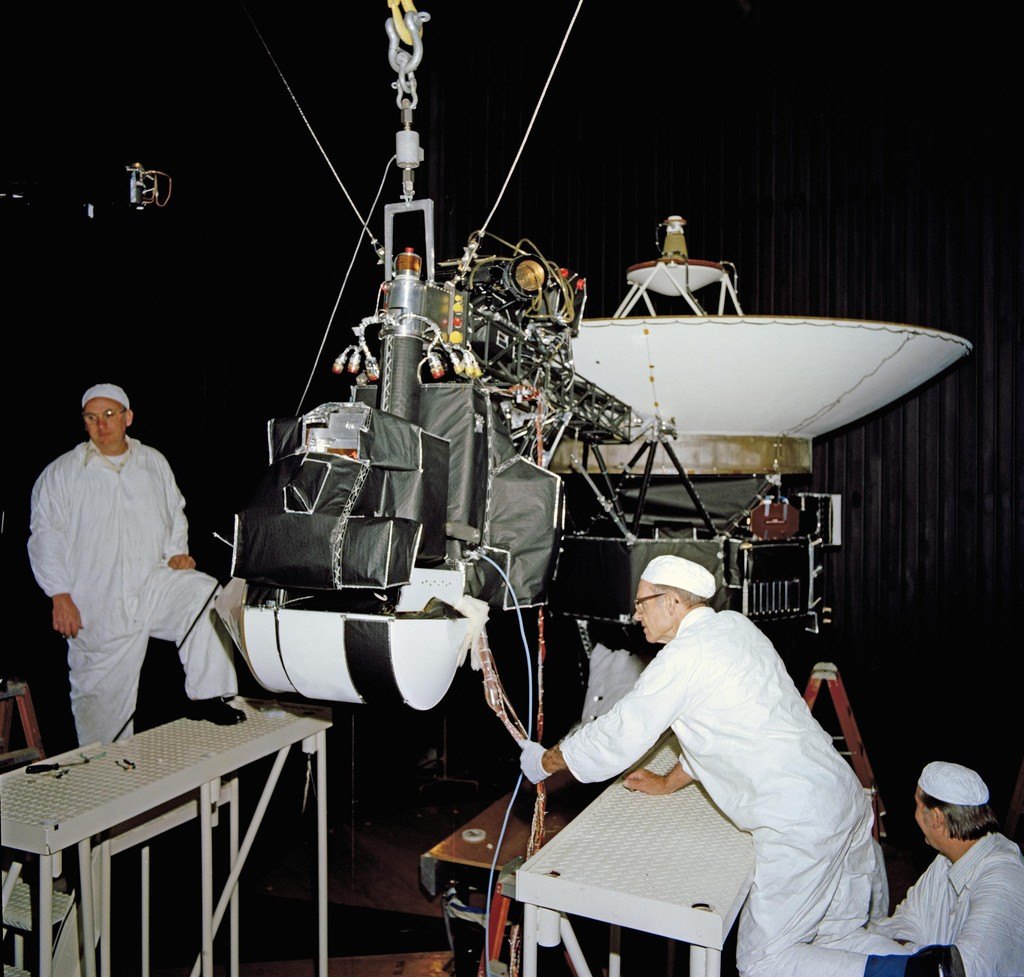
Work on the mission officially began at NASA’s Jet Propulsion Laboratory (JPL) in Southern California in 2013. The team then had 11 years to build the spacecraft and its nine science instruments in time for a narrow launch window, a period when the planets line up favorably. Along the way they faced a global pandemic and, just before the Oct. 14, 2024 launch, a Category 5 hurricane and tornadoes near NASA’s Kennedy Space Center in Florida.
“The things we will learn from Europa Clipper will be so sensational, so fantastic, that everyone will be screaming for the next mission.”
Image: NASA
That is how Curt Niebur, program scientist in NASA’s Planetary Science Division, put it in the release. Jordan Evans, JPL’s director of flight projects and the mission’s previous project manager, said the film “pays tribute to the ingenuity, teamwork, and dedication that continue to make this incredible mission possible.”
Four centuries of looking at Europa
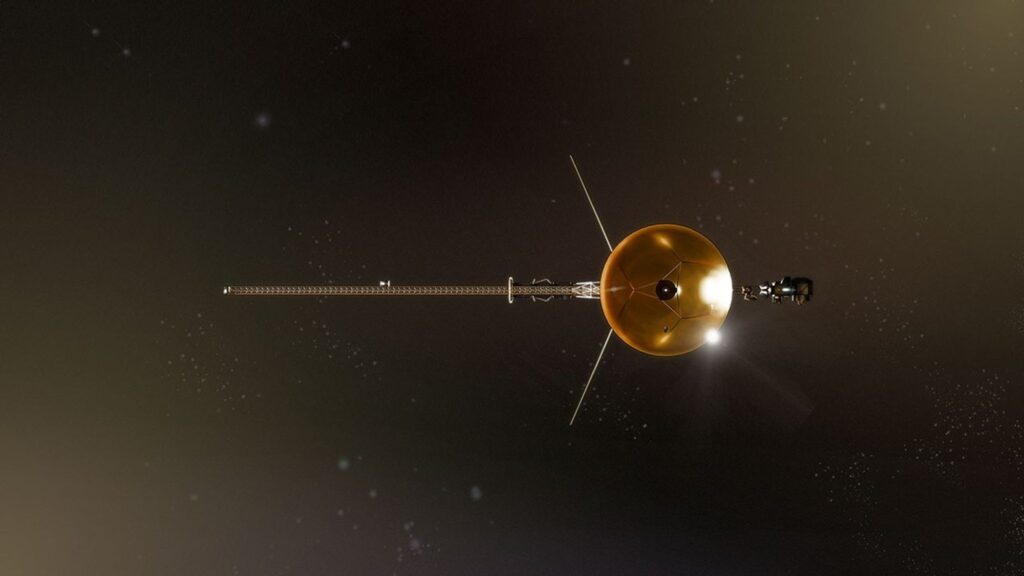
Galileo Galilei discovered Europa in 1610. The moon began to give up its secrets only with data from NASA’s Pioneer 10 in 1973, followed by Pioneer 11 the next year. The first detailed look came from Voyager 1’s flyby in 1979. Later views came from Voyager 2, Galileo, Cassini and Juno, each of which, in NASA’s words, helped light the way for Europa Clipper. Our explainer on the Voyager probes covers the spacecraft that took that first close look, and Voyager 1 has just reached one light-day from Earth.
Two ocean-moon missions, two different plans
The film is about the past, but the mission is still in the middle of its trip. NASA’s mission page says Europa Clipper will reach Jupiter in April 2030 and then make 49 close flybys of Europa. Before that, on Dec. 3, 2026, it will pass Earth again for a gravity assist, a flyby that uses a planet’s gravity to give the craft extra speed for the rest of its journey.
It is not the only spacecraft heading for Jupiter’s icy moons. ESA’s Juice is due to reach Jupiter in July 2031, about 15 months after Europa Clipper, according to ESA’s mission factsheet. The two have different goals. Juice will fly by Europa, Ganymede and Callisto, three moons thought to hold liquid water under their ice, and then become the first spacecraft to orbit a moon in the outer solar system, when it settles around Ganymede. Europa Clipper stays focused on Europa, with dozens of passes designed to measure the ice shell, the ocean and the chemistry of the surface.
That difference is why the two missions are seen as complementary. Clipper will study one moon in depth, while Juice compares three. The two sets of data could together show how common habitable conditions are among Jupiter’s moons. Niebur’s remark about wanting to “do it again somewhere else” fits that picture, since each result is likely to raise new questions.
Who built it
Caltech manages JPL, which leads the mission with the Johns Hopkins Applied Physics Laboratory in Maryland. The main spacecraft body was designed by APL with JPL and NASA’s Goddard, Marshall and Langley centers. The Planetary Missions Program Office at Marshall handles program management, and NASA’s Launch Services Program at Kennedy managed the launch service.
To provide the best experiences, we use technologies like cookies to store and/or access device information. Consenting to these technologies will allow us to process data such as browsing behavior or unique IDs on this site. Not consenting or withdrawing consent, may adversely affect certain features and functions.
Functional
Always active
The technical storage or access is strictly necessary for the legitimate purpose of enabling the use of a specific service explicitly requested by the subscriber or user, or for the sole purpose of carrying out the transmission of a communication over an electronic communications network.
Preferences
The technical storage or access is necessary for the legitimate purpose of storing preferences that are not requested by the subscriber or user.
Statistics
The technical storage or access that is used exclusively for statistical purposes.The technical storage or access that is used exclusively for anonymous statistical purposes. Without a subpoena, voluntary compliance on the part of your Internet Service Provider, or additional records from a third party, information stored or retrieved for this purpose alone cannot usually be used to identify you.
Marketing
The technical storage or access is required to create user profiles to send advertising, or to track the user on a website or across several websites for similar marketing purposes.
To provide the best experiences, we use technologies like cookies to store and/or access device information. Consenting to these technologies will allow us to process data such as browsing behavior or unique IDs on this site. Not consenting or withdrawing consent, may adversely affect certain features and functions.