Perseverance’s first rock sample in over a year may be among its oldest
After a failed attempt on a rock too hard to drill, Perseverance cored a 'Singita' sample from a neighboring light-toned rock that may have formed deep in the Martian crust.

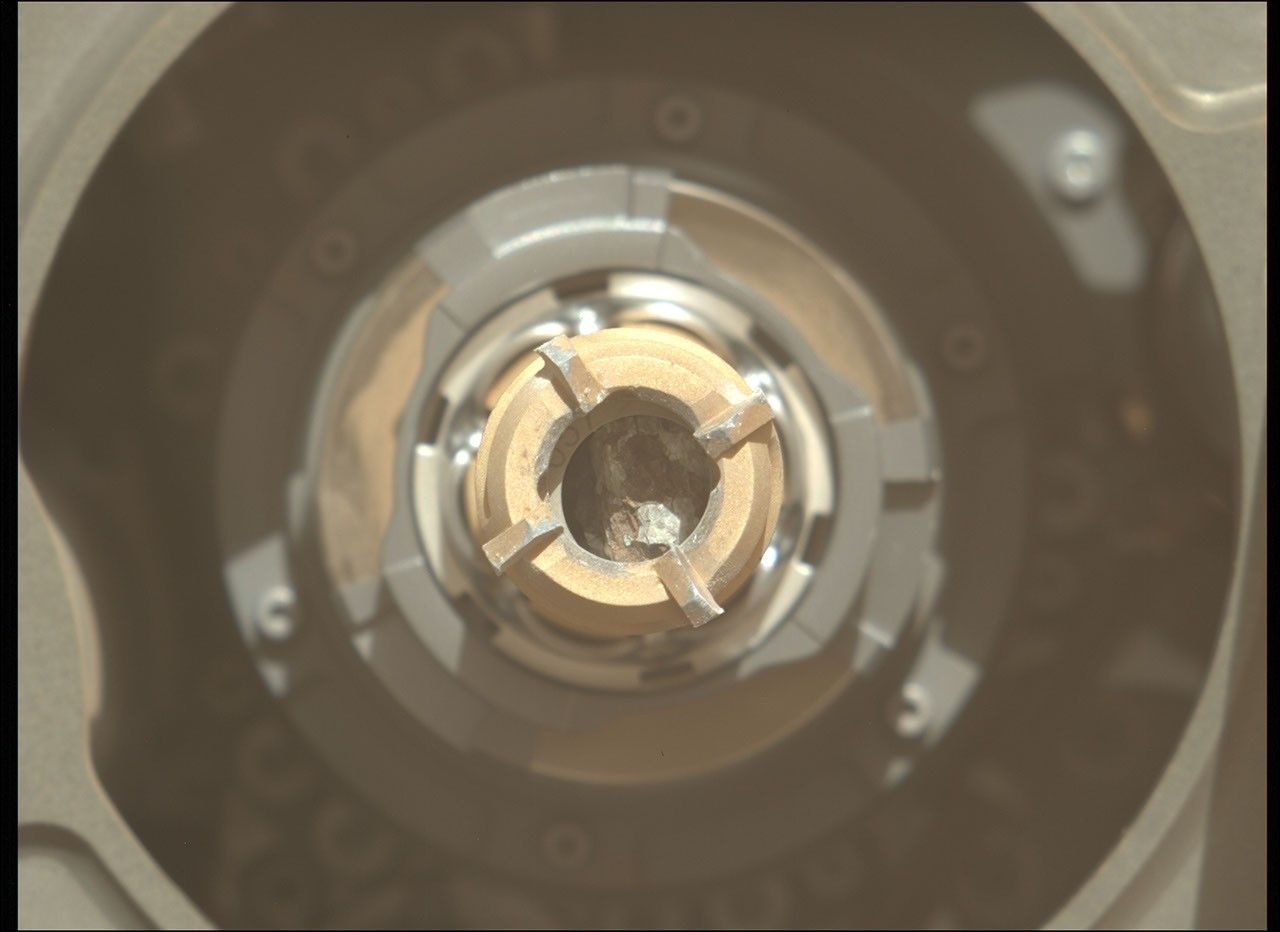
NASA’s Perseverance rover has collected a new rock sample, named “Singita,” its first in more than a year, the Mars 2020 team reported. The rock appears to be a gabbro that formed deep underground and may be among the oldest in the rover’s collection.
A second try after a rock that was too hard to drill
The story starts with an earlier rock, “Badger Peak.” The team wanted a gabbro in the sample collection. A gabbro is an igneous rock, meaning it cooled from molten material, made mostly of calcium-rich plagioclase feldspar and pyroxene crystals. Badger Peak turned out to be too hard to core, so the rover could not take a sample from it.

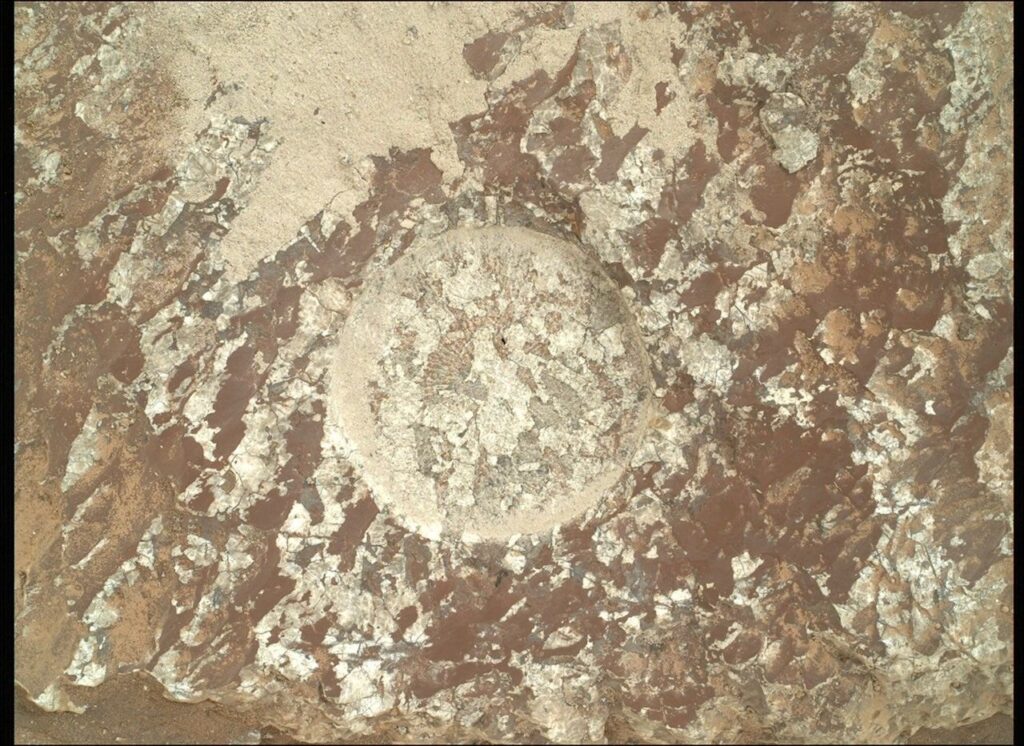
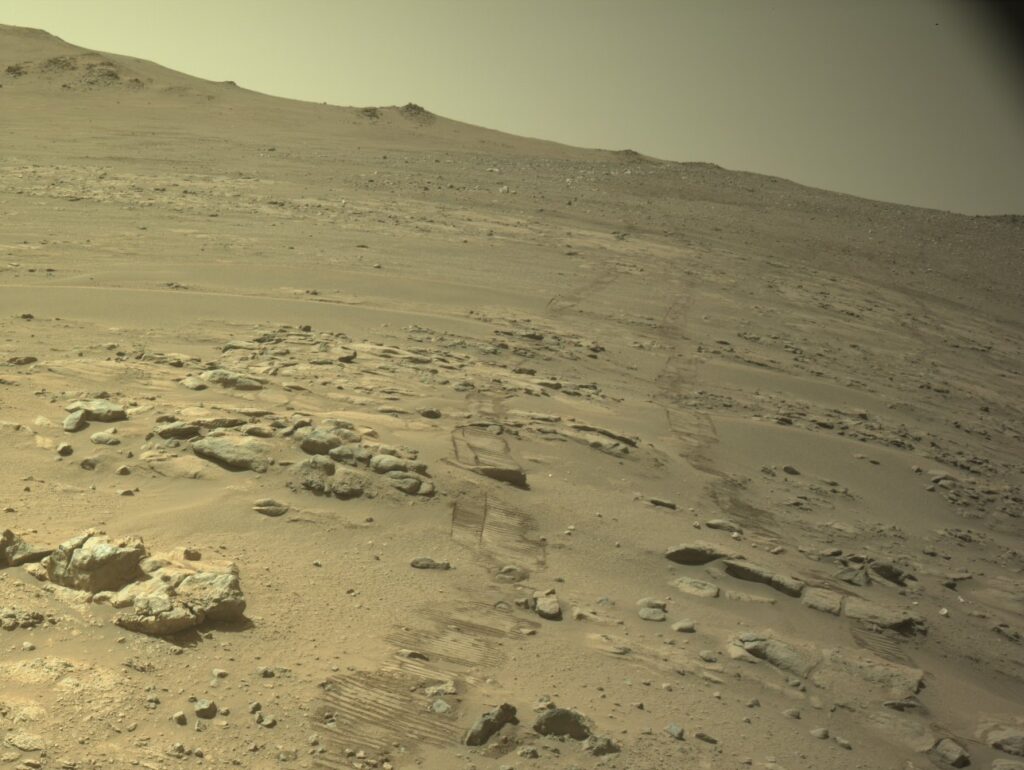
The team went looking for another candidate. Perseverance drove about 100 meters (330 feet) to a different patch of light-toned rocks. Visual and chemical data from the new workspace showed a composition similar to Badger Peak, which made it a good stand-in.
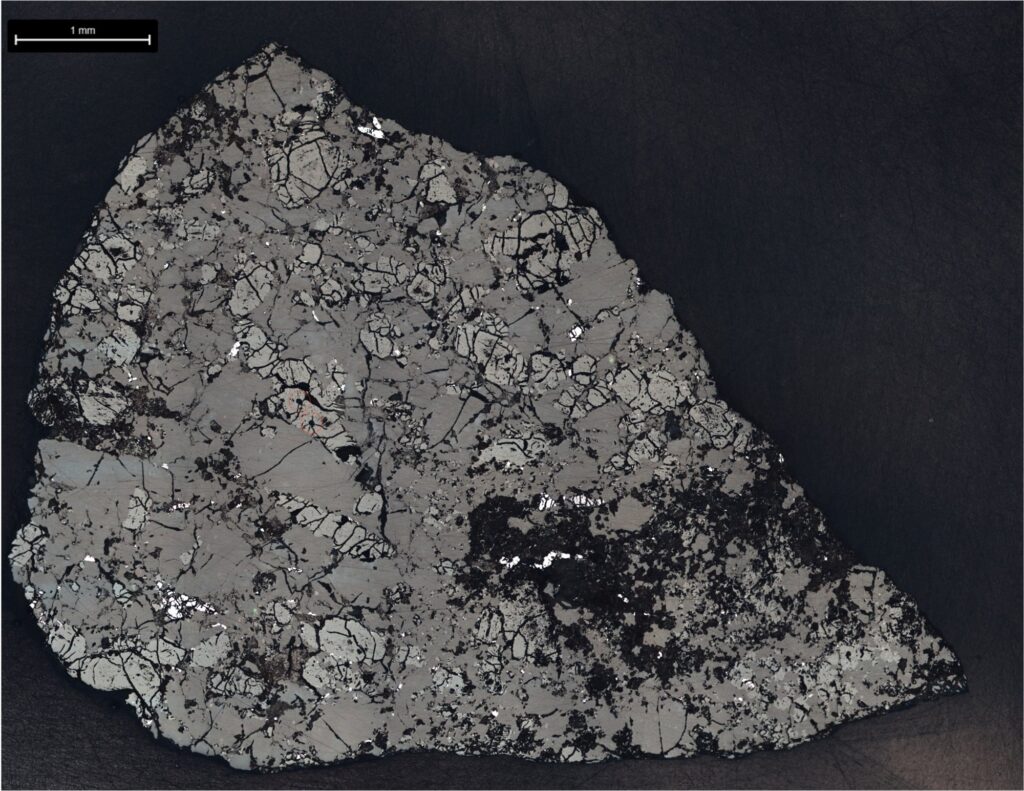
The rover first abraded a spot there, called “Pumbe.” Abrasion means grinding away the weathered surface to expose fresh rock for the instruments. NASA’s image of Pumbe, taken on Oct. 17, 2026 (sol 2011, a sol being one Martian day), shows a patch about 5 centimeters (2 inches) across. NASA said it closely resembles the Badger Peak abrasion.

Two changes that made the drill work
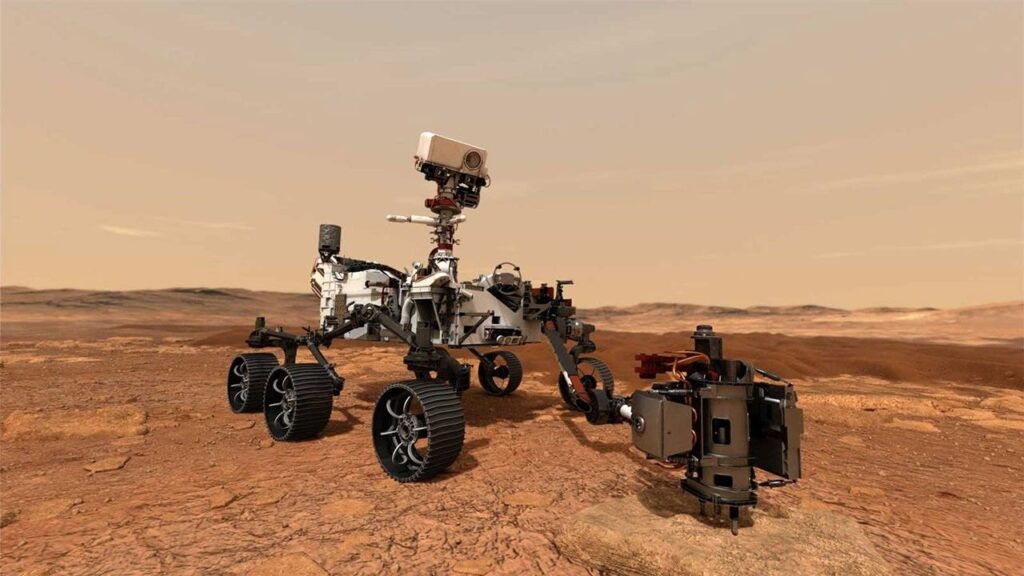
To improve the odds, the team picked a neighboring rock with a flatter surface, better aligned with the drill stabilizers that press against the rock. They also fitted a coring bit with less wear. The drill went about 3.1 centimeters (1.2 inches) into the rock, and the sample was then secured. NASA’s image of Singita inside the coring bit was taken on Oct. 24, 2026 (sol 2018), shortly after coring.
Pumbe was also the rover’s 66th successful abrasion. NASA’s latest status report describes Perseverance as healthy and stable, with spacecraft status “Nominal.”
Why an old rock matters to the sample collection
Textures in Singita suggest it likely formed deep in the crust, then was modified and brought toward the surface by at least one, and possibly several, large impacts. That history is why the team says it may rank among the oldest rocks Perseverance has gathered. Older rocks preserve information about early conditions on Mars that younger surface rocks have lost.
The sample adds a different kind of rock to the set. NASA’s mission page says Perseverance has collected more than two dozen geologically diverse rock samples from Jezero crater, a basin 45 kilometers (28 miles) wide, since landing on Feb. 18, 2021. It says the samples are for potential pickup by a future mission, and that Mars Sample Return could bring them to Earth. A deep-crust gabbro that has been through impacts would give laboratories a record of events no surface rock can show.
A rover that keeps moving, and keeps choosing
Sample tubes are a limited resource, so each choice matters, and the gap of more than a year since the last sample shows how selective the team is. A failed attempt at Badger Peak did not end the plan. The team looked for a similar rock and changed the conditions around the drill.
The rover also covers ground quickly. As we reported on Perseverance passing 28.10 miles on Mars, it beat Opportunity’s off-world driving record in about a third of the time. That range is what lets the team move 100 meters to a better rock when one does not work out. Readers who follow both NASA rovers can find more in our guide to the Perseverance rover and Mars rovers.
NASA does not say here when Singita will be analyzed in more detail. For now the team’s message is that the rover is in good shape and more abrasions are expected.