Student teams can win a share of $1 million by designing parts of NASA’s Moon Base
NASA's new Moon Base Student Challenge asks U.S. high school and college teams to design systems for a lunar South Pole outpost, from electricity to crew safety.

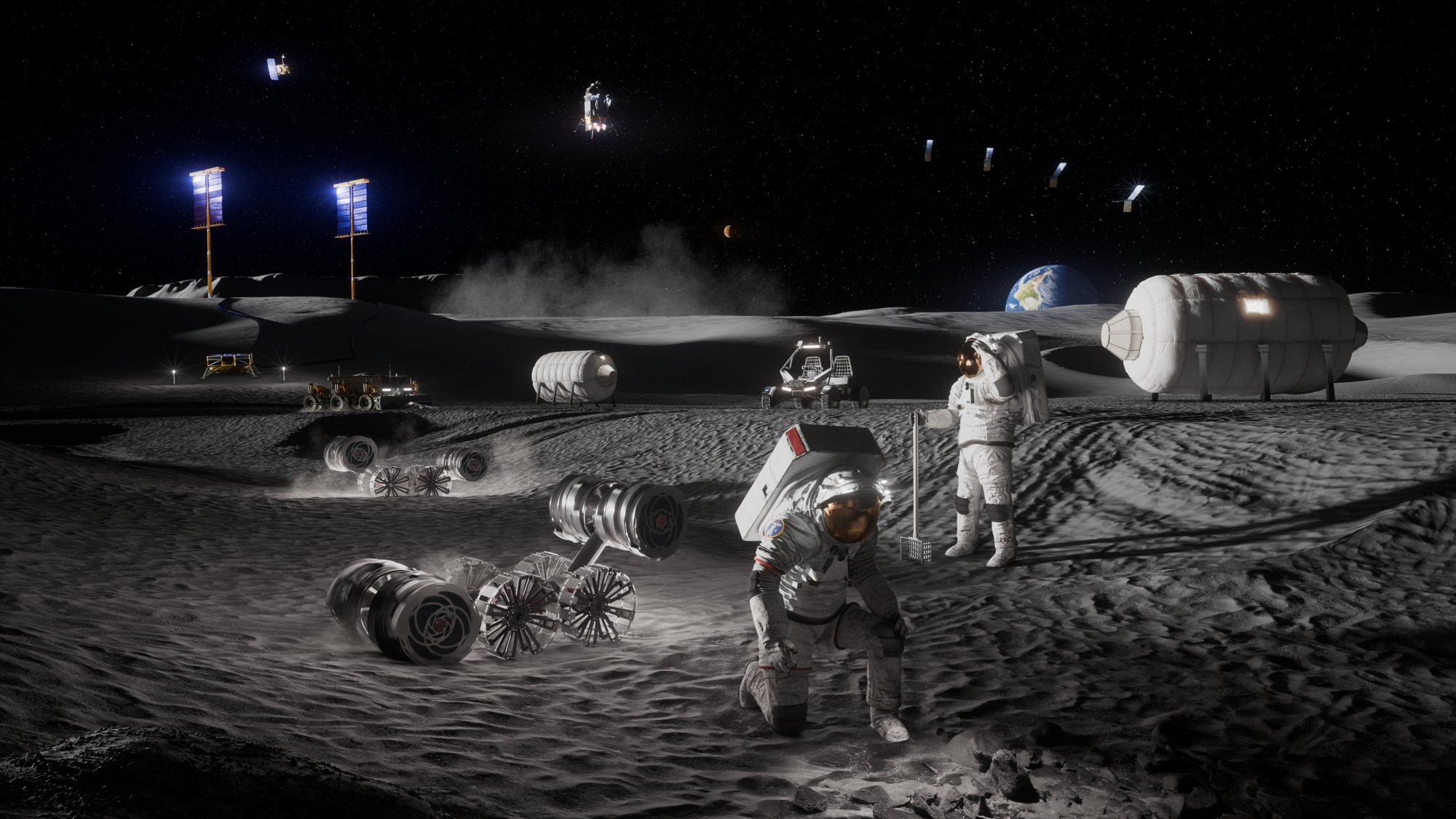
NASA has opened a $1 million Moon Base Student Challenge for U.S. high school and college teams. Students will design pieces of the planned lunar outpost, and registration stays open until Jan. 25, 2027, according to NASA’s announcement.
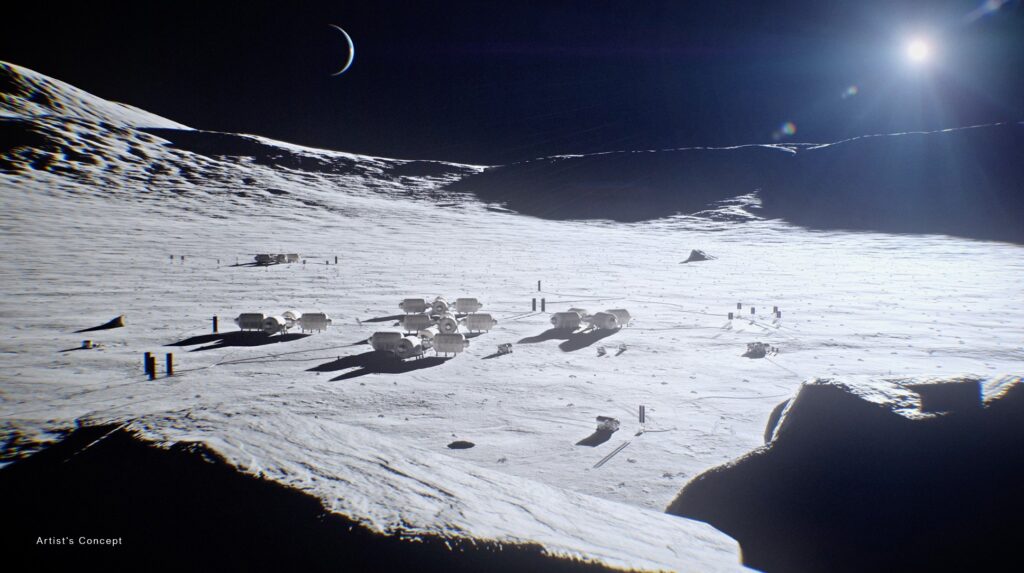
NASA unveiled the competition at the MAX POWER event at Kennedy Space Center Visitor Complex in Florida, with Administrator Jared Isaacman and Moon Base Program manager Carlos García-Galán quoted in the release. The agency says it is building a base near the lunar South Pole where astronauts will live, work and explore, and that a lasting presence on the Moon is a step toward crewed missions to Mars.

Six problems, no engineering degree required
Entries fall into six areas: producing and storing electricity, building structures, life support for crews, getting around the surface, communications networks, and keeping astronauts safe. NASA says the challenge uses realistic environmental and mission-design conditions for the lunar surface.
The work students hand in mirrors what professionals produce: trade studies (side-by-side comparisons of design options), concept proposals and stakeholder briefings. NASA says this lets teams on technical, vocational and other academic tracks take part without prior specialized engineering experience. Teams register through the NASA STEM Gateway, and full rules and eligibility are at moonbasechallenge.org.

The challenge has several phases. Its administrator is the Institute of Competition Sciences, working under a contract with NASA’s Center of Excellence for Collaborative Innovation, part of the Research and Technology Mission Directorate. The Office of STEM Engagement designed it together with the Moon Base Program.
Isaacman said students do not have to wait until graduation to contribute. García-Galán put it more personally: “Ultimately, Moon Base is for them, people who will experience a world where humans are on the Moon to stay.”
A base that is being bought piece by piece
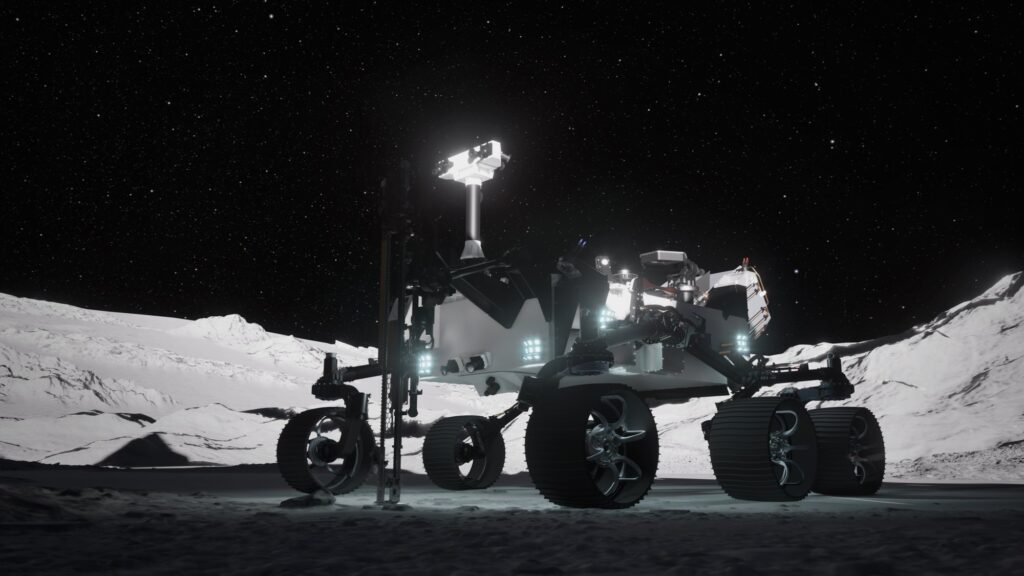
The contest arrives as NASA’s Moon Base plans move from drawings to contracts. A day earlier, NASA announced a batch of awards at the same event. The agency selected eight companies for a 10-year lander contract, CLPS 2, with a combined maximum value of $10 billion, as we reported. NASA also plans a nuclear-powered six-wheeled rover called PROMISE, targeted to launch in late 2028 for an 18-month mission at the South Pole.
The same package covers power and communications hardware. Honeybee Robotics is to supply energy storage, Redwire power generation and Yank Technologies wireless power transfer, with Marshall Space Flight Center assembling and testing the systems. These map closely onto the student categories of power, communications and mobility, so the contest is aimed at problems the agency is already paying companies to solve.
People are part of the same push. NASA has also opened applications for its next astronaut class, aimed at the Moon Base. The student challenge reaches an earlier stage: it is a way to bring future engineers into the program years before they could apply for either path.
What a student prize can and cannot do
NASA’s announcement does not say how the $1 million will be split across phases, how many teams will win, or how judges will score entries. Those details sit in the official rules, which anyone planning to enter should read before the January deadline.
It also does not say that winning designs will be built or flown. The contest is described as a way to gather fresh ideas and build career skills, and the agency has not tied any winning concept to the hardware contracts above.
The scope is limited to students at U.S. high schools and post-secondary schools, so international teams are outside this round. For the schools that qualify, the practical gain is exposure to the kind of documents used in real space projects, plus a share of the prize money.