Test pilot who set 25 speed records now runs NASA’s flight research center
Troy Asher, acting head of NASA's Armstrong Flight Research Center since March, has the job permanently as the center works to rebuild the agency's X-plane portfolio.

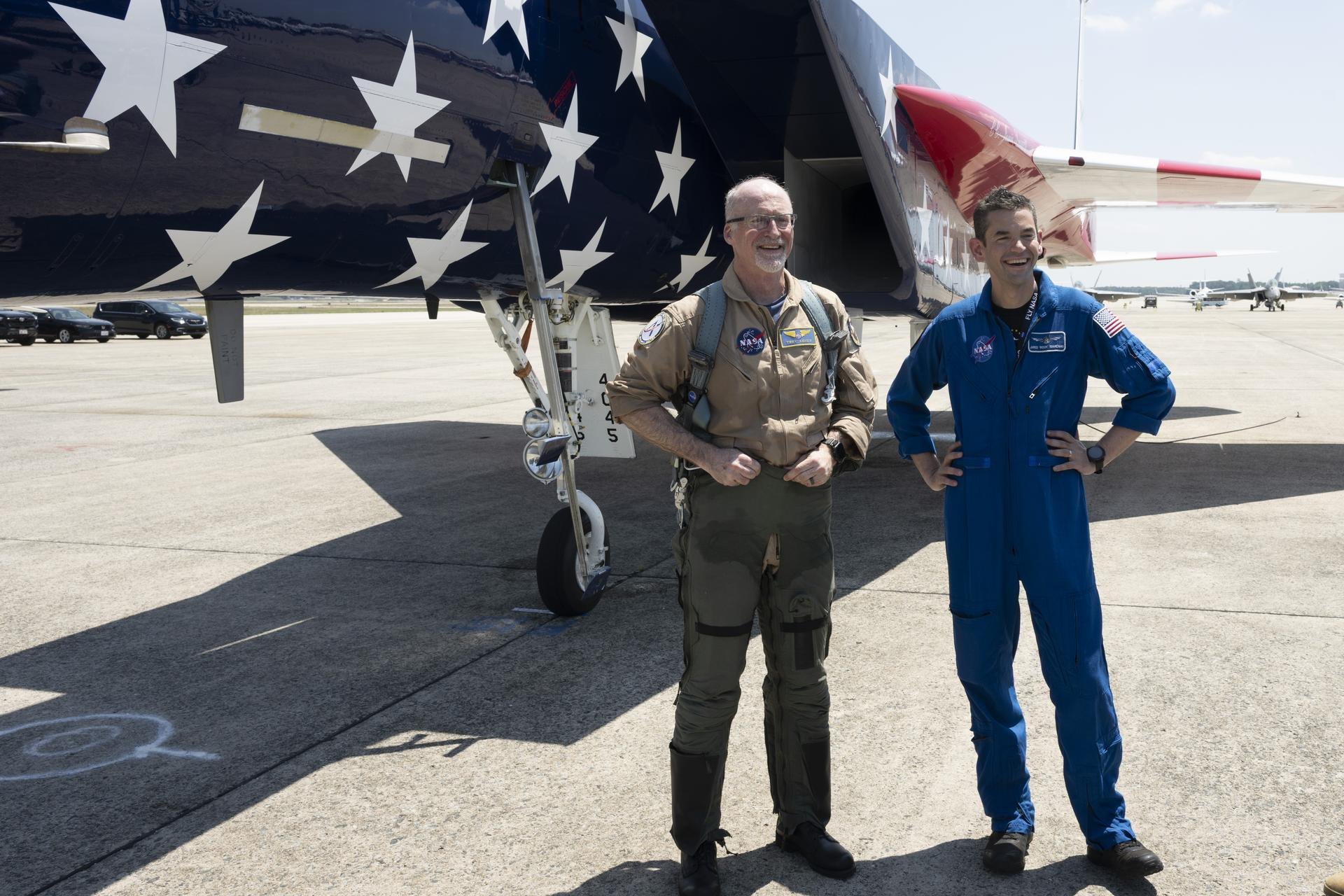
NASA Administrator Jared Isaacman has named Troy Asher, a veteran test pilot and aerospace engineer, permanent director of the Armstrong Flight Research Center in Edwards, California, NASA announced on Oct. 29. Asher has led the center on an acting basis since March.
A test pilot takes the top job at the flight-test center
Armstrong is the part of NASA where new aircraft and flight technologies are flown for the first time, and where the agency’s pilots and aircraft support airborne science. NASA calls it its Flight Test and Aircraft Operations Center of Excellence. As director, Asher will oversee the center’s workforce and operations.

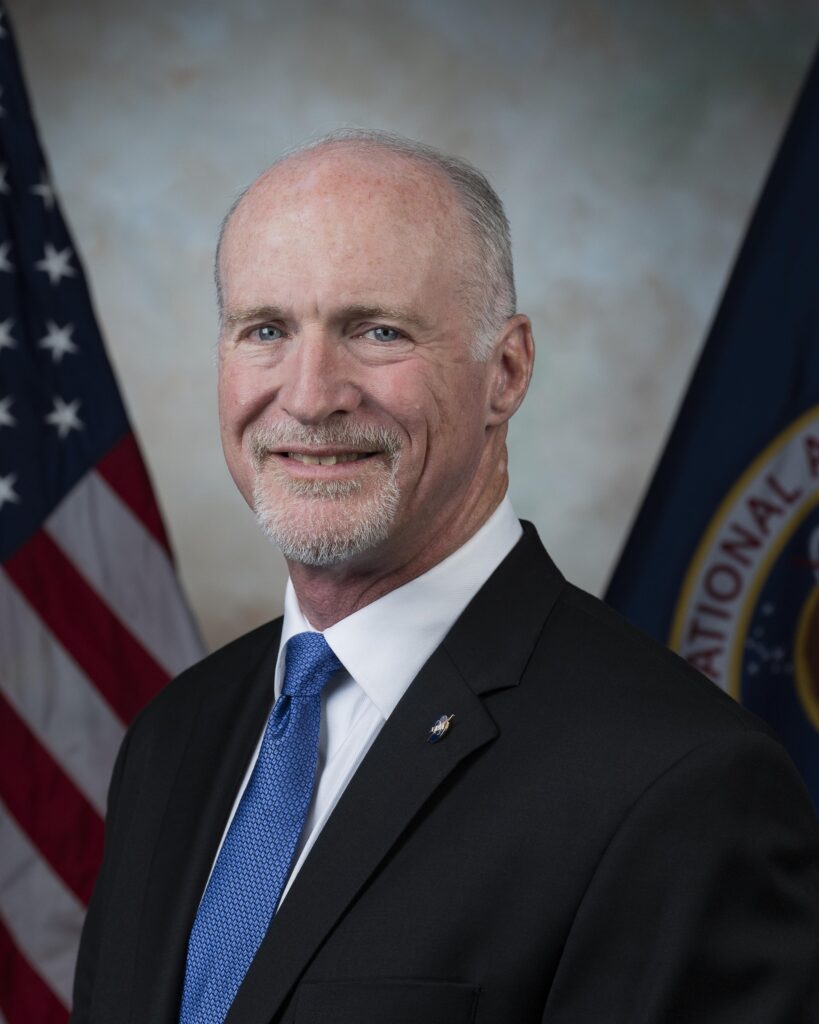
He has been there a long time. Asher joined NASA in 2008 as a research test pilot and aerospace engineer, and before becoming acting director he ran Flight Operations at Armstrong. That job covers the center’s pilots, engineers, maintainers and its fleet of specialized aircraft. As a NASA pilot he flew research aboard the F-15, F/A-18, Gulfstream III and the X-56A unmanned aircraft system. He was lead test pilot for the development of SOFIA, the Stratospheric Observatory for Infrared Astronomy, and flew science missions on NASA’s DC-8 aircraft.
Before NASA, Asher spent 24 years in the U.S. Air Force and retired as a lieutenant colonel. He taught at the Air Force Test Pilot School at Edwards Air Force Base, commanded the 419th Flight Test Squadron and later led the Bomber Combined Test Force. Flying the B-1B bomber in 2003, he took 25 world speed records. He holds a bachelor’s degree in astronautical engineering from the U.S. Air Force Academy and a master’s degree in mechanical engineering from California State University, Fresno.

He succeeds Bradley Flick, who retired in March after nearly 40 years with NASA.
Rebuilding the X-planes is the job description
X-planes are experimental aircraft built to test a new idea in flight, not to carry passengers or cargo. Isaacman said Armstrong will lead the way in “rebuilding NASA’s X-plane portfolio, restoring our flight-test capabilities, and flying higher, farther, and faster than we have in decades.” NASA Chief Engineer Amit Kshatriya said Asher’s grasp of both the aircraft and the teams behind each flight will help the agency change how it develops, evaluates and flies new technologies.
Armstrong was established in 1946. NASA points to a record that runs from the Bell X-1’s first supersonic flight to the X-59 aircraft, which is now advancing quiet supersonic flight.
Why the timing matters for the X-59 and for people who fly
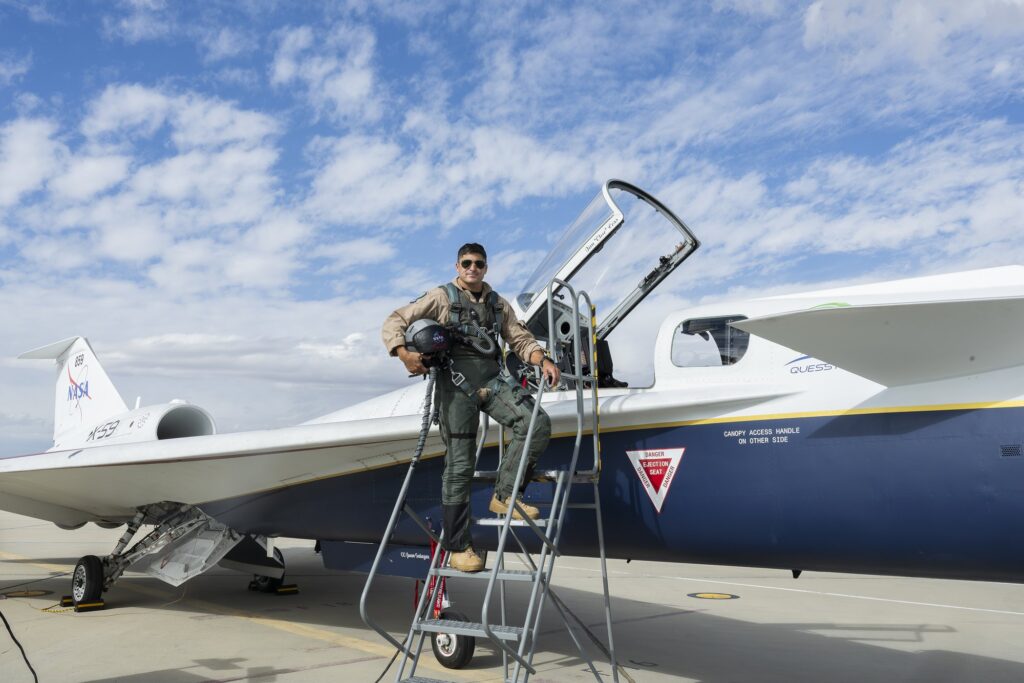
The appointment lands while the X-59 is moving into its flying phase. The X-59 is designed to fly faster than sound while softening the loud sonic boom into something far quieter, which could one day allow supersonic flight over land, where it is now restricted. According to a NASA image article, test pilot Mike Lippert photographed himself beside the aircraft before his first flight in it on Oct. 21, 2026, eight days before Asher’s appointment was announced. If the aircraft proves its quiet design, the people most affected would be airlines, regulators and travelers on long routes now limited to subsonic speeds. That is the kind of result a permanent director has to see through.
A steady hand also matters for the center’s science work. NASA says Armstrong supports airborne science missions and flight research across the agency, so a permanent leader gives its pilots, maintainers and outside partners a fixed point after months of acting leadership.
It is one of several leadership changes at NASA this week. Reid Wiseman, who commanded Artemis II, is leaving astronaut life to become deputy director of NASA’s Jet Propulsion Laboratory. Both moves put people with hands-on flying backgrounds into senior center roles.