NASA’s next space relay network is in orbit, built by Viasat and SES instead of NASA
Two NASA-funded relay demonstrations reached low Earth orbit on a SpaceX rideshare. They will test commercial links meant to replace the agency's aging relay satellites.

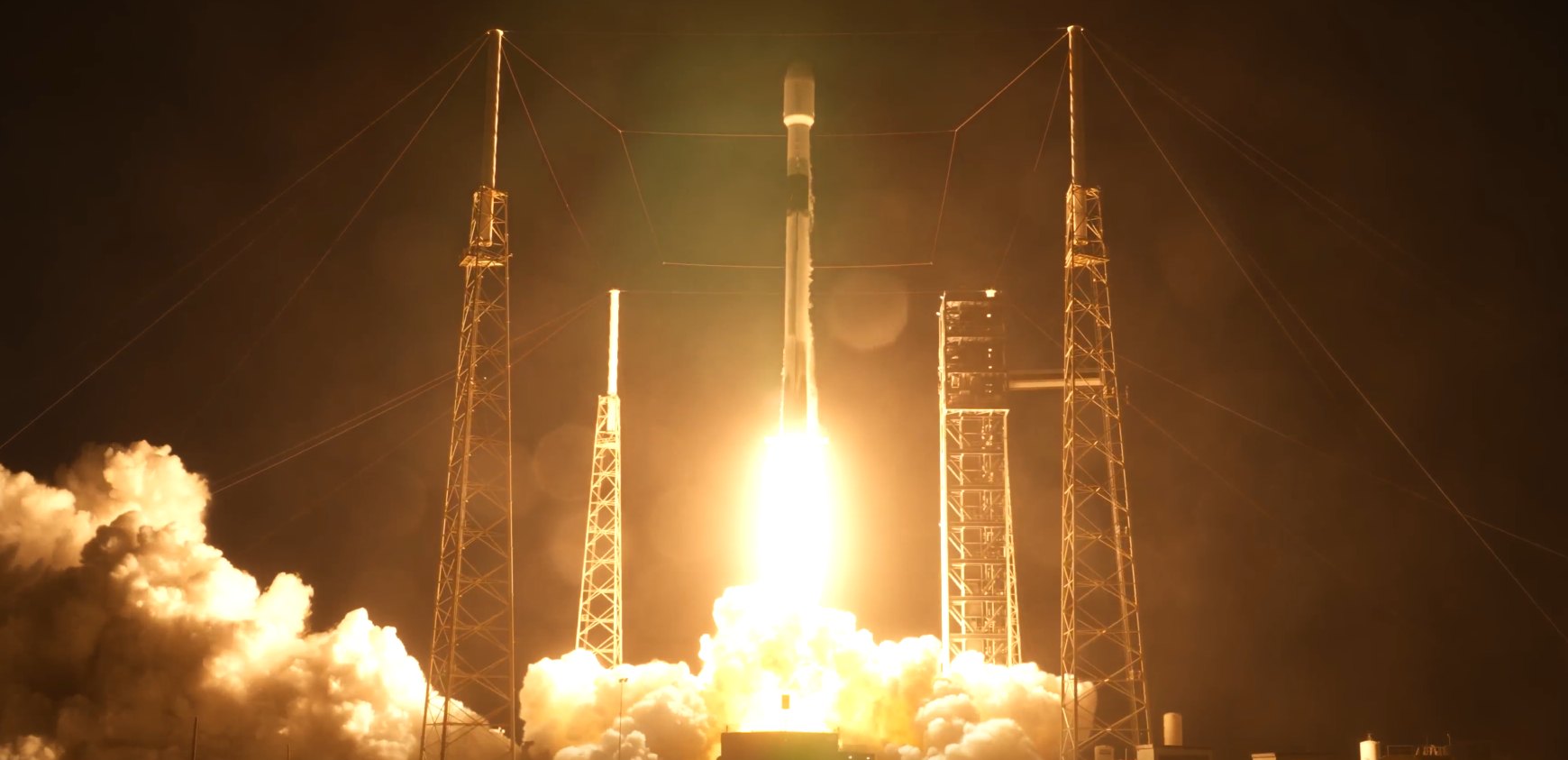
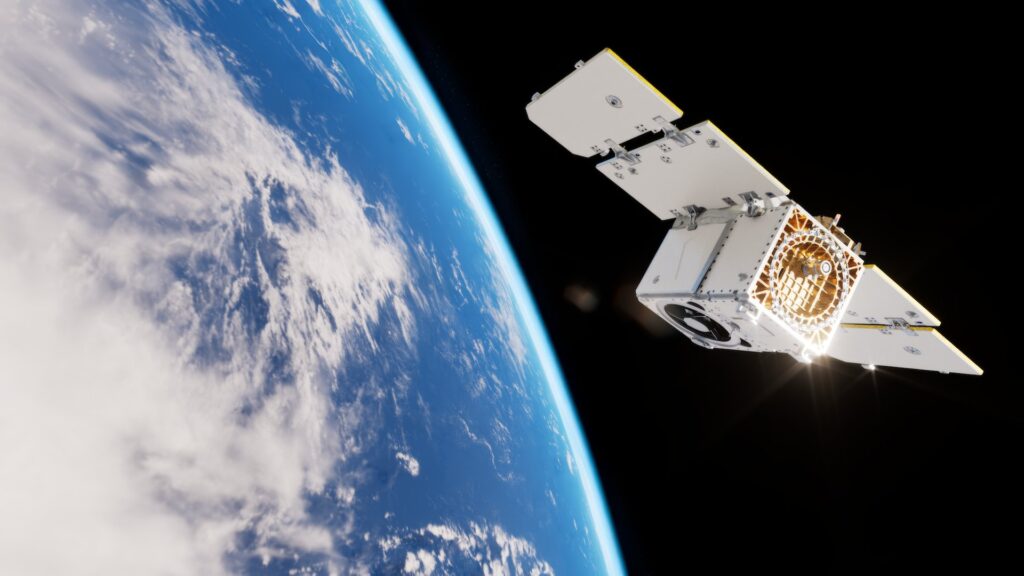
Two NASA-funded communication demonstrations, one from Viasat and one from SES Space and Defense, reached low Earth orbit on a SpaceX Falcon 9 on Oct. 20, 2026. They will test commercial relay services that could replace NASA’s own relay satellites.
According to NASA, the Falcon 9 lifted off from Space Launch Complex 40 at Cape Canaveral Space Force Station in Florida, carrying the pair on the Bandwagon-5 rideshare, a flight that shares one rocket among several customers. The agency says both spacecraft will show off their capabilities over the coming weeks. Anyone tracking upcoming flights can follow them on our rocket launch schedule.

Two kinds of link, two commercial networks
A spacecraft needs two kinds of radio link. High-rate links carry large volumes of data, such as scientific results and 4K imagery. Low-rate links are used to track a spacecraft and send it basic commands. NASA says both are essential for reliable connections, and each demonstration will test both.
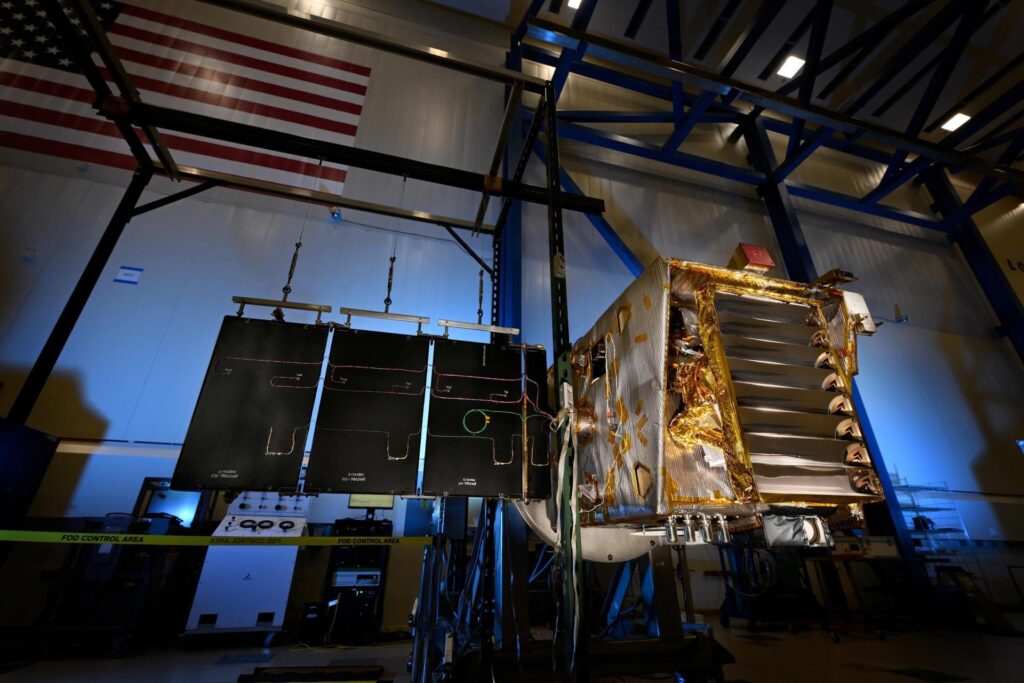
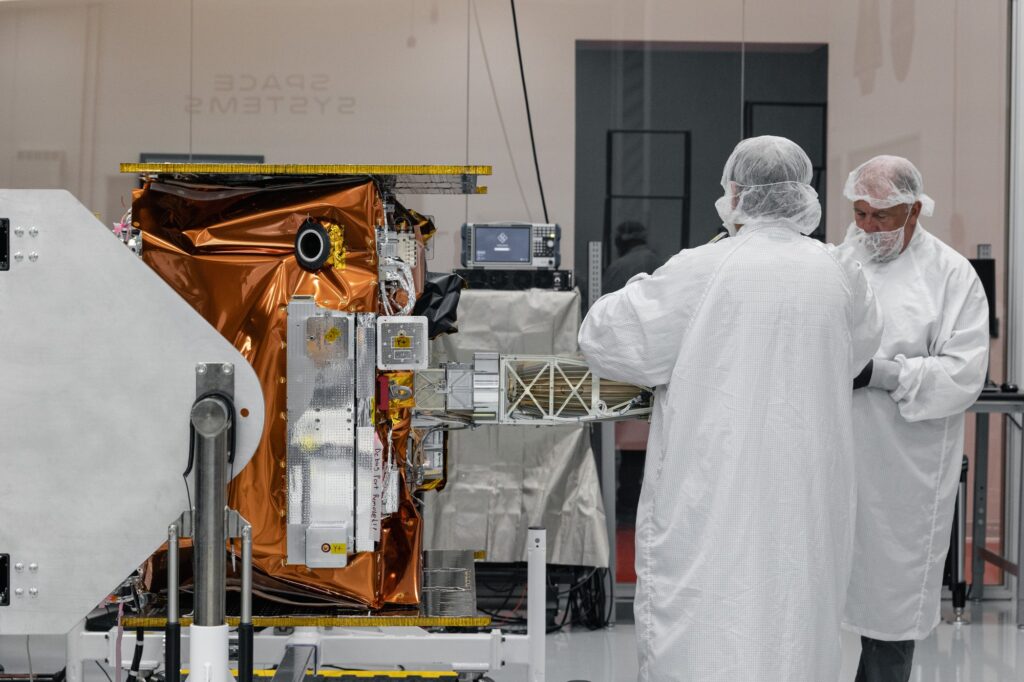
Viasat will use Maxwell, a demonstration spacecraft built by Rocket Lab. Viasat plans to use autonomous software to route data among Maxwell, its satellites in geosynchronous orbit and its global network of ground stations. Geosynchronous orbit is a high orbit where a satellite keeps pace with Earth’s rotation, so it stays over the same region.


SES Space and Defense will take a different route. It will send high-rate data through its O3b mPOWER fleet in medium Earth orbit, which sits between low and geosynchronous orbit. Low-rate data will go through its geosynchronous satellites. In both cases the link runs between the demonstration spacecraft and ground stations on Earth.
The aim, in NASA’s words, is relay services that keep spacecraft connected without gaps. A relay satellite matters because a spacecraft in low orbit can only talk directly to a ground station while one is in view. A relay overhead lets it stay in contact much longer.
Replacing a fleet that began with the shuttle
The tests are part of a bigger change. In 2022, NASA’s Space Communications and Navigation (SCaN) division awarded $278.5 million to industry through its Communications Services Project. NASA says this supports its decision to gradually retire the Tracking and Data Relay Satellite (TDRS) fleet and move future low Earth orbit missions to commercial providers.
That fleet has a long history. NASA’s own history of the system says the first TDRS satellite flew on the space shuttle Challenger on April 4, 1983. Today’s TDRS craft operate in geosynchronous orbit at about 35,786 kilometers, according to the eoPortal satellite-mission directory. Counts of how many remain working vary by source, so it is safer to say the network is decades old and shrinking.
Seen against that record, the new demonstrations mark a change in who runs the network. For four decades NASA owned the relay satellites and served its missions with them. The agency now wants to buy relay as a service, as it already does for many launches. NASA also says the Communications Services Project will keep testing relay capabilities with industry through 2027, so these two flights are not the last.
What comes next for the testing
NASA says the Communications Services Project, managed by its Glenn Research Center in Cleveland, will continue working with industry through 2027. The agency adds that this work, together with what its commercial partners have already completed, will help it judge new ways to deliver data through space in real time. No results from the two new demonstrations have been published yet, and NASA gives no test dates beyond “the coming weeks”.
For the many science missions that rely on relays, the outcome decides whether the commercial route can match the service they have today.